Key Takeaways
• Federal courts ordered the release of international students detained after peaceful campus protests on the Israel-Hamas conflict.
• Judges affirmed the First Amendment protects free speech rights for all, including foreign students, inside the United States.
• Cases like Badar Khan Suri’s highlight legal limits on using immigration detention to curb activism or silence campus dissent.
Several international students who were studying in the United States 🇺🇸, including those from major institutions like Georgetown University and Tufts University, have been released from US Immigration Detention after a series of successful legal challenges. These events took place amid heightened tensions on campuses due to protests concerning the Israel-Hamas conflict. The students at the heart of these cases—among them Badar Khan Suri, Rumeysa Ozturk, and Mohsen Mahdawi—found themselves detained not for breaking any law, but for their alleged participation in peaceful protests. Legal support and public attention eventually led courts to order their release, underscoring important rules about free speech and fairness in the immigration process.
What Happened: The Detention of International Students
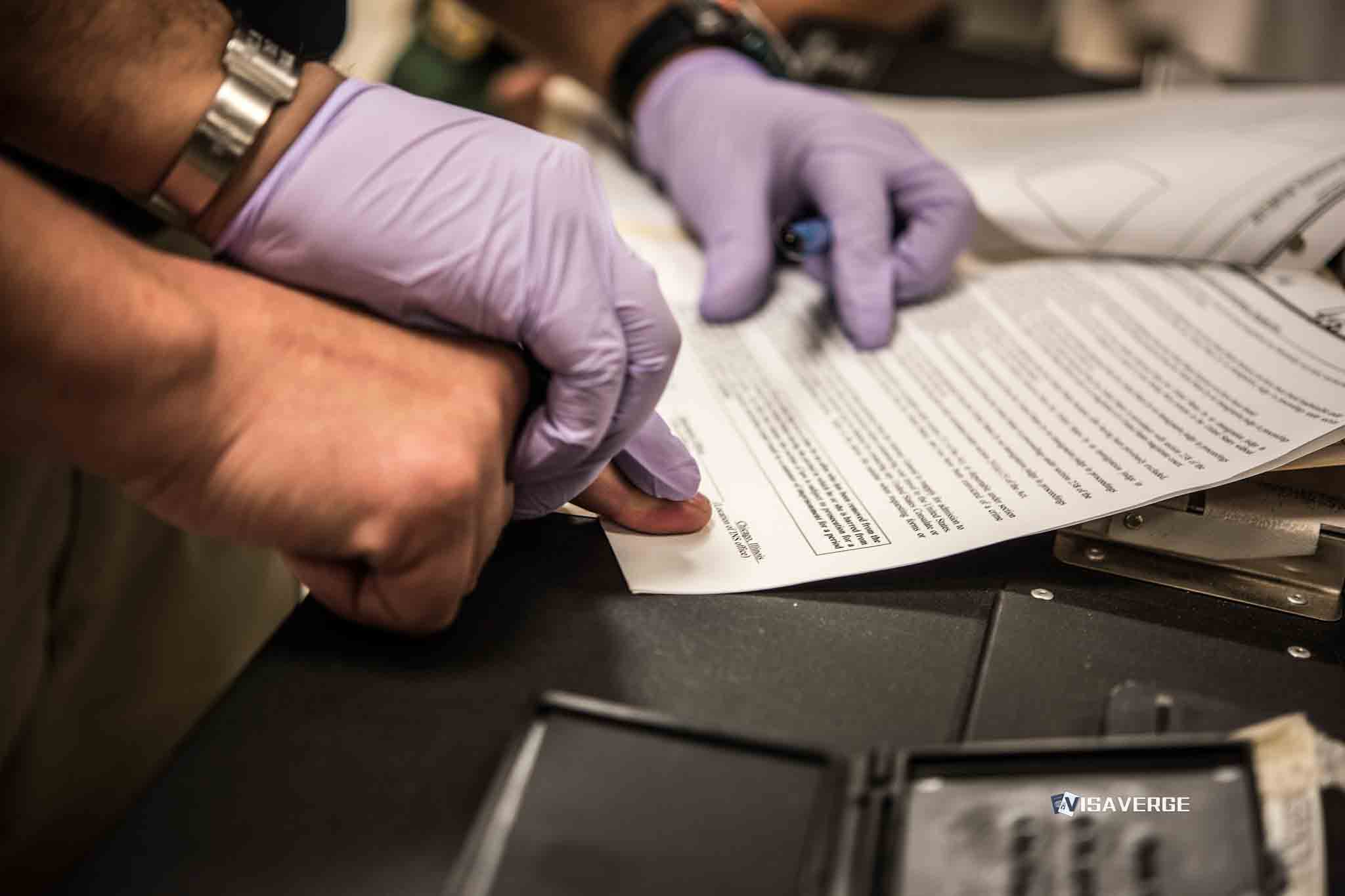
The primary issue centers on several foreign students, including those from Georgetown University, Tufts University, and Columbia University. These students were taken into US immigration detention during or after participating in campus protests. Many of these protests focused on showing support for Palestinians and criticizing Israel’s military actions in Gaza.
The detentions happened while President Trump’s administration was closely watching and sometimes acting against what they saw as foreign threats related to campus activism. Many viewed these detentions as part of a larger effort to control or shut down dissent on college campuses, especially that connected to foreign students.
As reported by VisaVerge.com, courts became involved when it appeared that the government’s actions crossed the line into silencing constitutional rights meant to be protected for everyone, no matter where they are from.
Key Cases: Students Released After Legal Battles
Four main individuals became the faces of these cases. Their stories highlight both the dangers of using immigration detention to handle protest and the power of the courts to step in.
Badar Khan Suri – Georgetown University
Badar Khan Suri, an Indian national and scholar at Georgetown University, was swept up in this wave of detentions. Suri’s arrest came during the period when President Trump’s administration pushed for stricter controls on foreign college students. Once detained, Suri and his legal team argued that his arrest and continued detention violated his First Amendment rights.
The First Amendment is a part of the US Constitution that protects the right to free speech, including expressing opinions about the government or foreign policy. This protection does not only apply to US citizens but to everyone inside the country, as Judge Patricia Tolliver Giles stated in Suri’s case. The judge explained, “Speech regarding the conflict there and opposing Israel’s military campaign is likely protected political speech… The First Amendment does not distinguish between citizens and noncitizens.”
Badar Khan Suri was allowed to go home while he waits for his deportation case to continue. He is also keeping up his lawsuit against the government, saying that his detention was an illegal effort to stop protest and silence speech on campus.
Rumeysa Ozturk – Tufts University
Like Suri, Rumeysa Ozturk, a Turkish PhD student at Tufts University, was also put in US Immigration Detention after taking part in campus protests. Her case closely followed Suri’s, with her lawyers pointing out that joining peaceful activism does not make someone dangerous or a risk.
A court soon agreed. The judge ruled that Ozturk’s participation in pro-Palestinian protests was no reason for ongoing detention and ordered her release. This pattern of court decisions made it harder for the government to continue holding these students without stronger reasons.
Mohsen Mahdawi – Columbia University
Mohsen Mahdawi, a Palestinian student at Columbia University, faced a similar situation. Mahdawi had also protested US support for Israel’s actions in Gaza. He too was detained and then released after a federal court found that there was not enough proof to keep him in immigration detention just for his role in campus activism.
The Legal and Constitutional Questions
At the heart of all these cases were questions about what the government can do when noncitizens protest or speak out on issues—especially sensitive ones like foreign policy or war.
Civil liberties groups, led by the ACLU and the Center for Constitutional Rights, strongly criticized the government’s actions. They argued that even noncitizens have strong legal protections under the US Constitution, especially when it comes to free speech and peaceful protest.
Federal judges agreed more than once. In Suri’s case, Judge Giles said the First Amendment—the rule that protects speech—does not just apply to citizens. It covers everyone inside the United States 🇺🇸. This means the government cannot use immigration rules to punish people just because they speak out about topics like the Israel-Hamas conflict.
Government attorneys tried to argue there were national security risks—pointing to things like students’ social media posts or their family ties to people abroad. But the courts were not convinced by these arguments if there was no clear evidence that the students posed real threats to safety.
One other issue came up as well. Some judges noticed that government officials tried to move students’ cases to other states—places where the judges might be less friendly to immigrants’ rights. By sending detained students long distances, authorities hoped to change the outcome. Courts viewed this tactic with suspicion, because it seemed designed to make it harder for students to get a fair hearing.
Defense Attorneys and Civil Rights Groups Respond
Attorneys who defended the students emphasized how these releases set a warning against the misuse of immigration enforcement. They said it should not be used to silence free speech, especially not protests tied to world events like the Gaza conflict.
Nermeen Arastu, a law professor at CUNY School of Law, explained, “The administration’s attempt to misuse the immigration system… is a clear effort to bypass due process and suppress protected speech.” Due process means everyone is owed a fair trial and a fair process before their rights or freedoms are taken away.
Lawyers said that although these individual victories were important, the fact that the detentions happened at all showed continued risk. Government overreach — going too far in applying the law — remains an issue that needs to be watched, especially for those at risk because of their immigration status.
Why These Cases Matter Beyond the Individuals
These recent court cases carry big lessons for the US immigration system, universities like Georgetown University, and international students everywhere.
First, the rulings showed that US law still protects fundamental rights for all, regardless of citizenship. Freedom of speech is deeply rooted in American law and tradition. When the courts protected students like Badar Khan Suri, they sent a message: even tough, unpopular, or controversial opinions must be respected.
Second, the events revealed ongoing tension in the relationship between government enforcement, campus activism, and questions of safety. It is not unusual for governments to become more strict during times of crisis or unrest, but that does not always match up with the rights promised by the Constitution.
Third, universities are home to students from around the world. These places rely on open debate and a sense of security for every student, whether they are from the United States 🇺🇸 or abroad. If foreign students worry that lawful protest might get them detained or deported, trust in both the universities and the broader legal system may fall.
Fourth, for those seeking to study in the United States 🇺🇸, seeing stories like Badar Khan Suri’s can create real fear. International students often feel vulnerable because their visas and legal status depend on following many rules and avoiding trouble. If the government appears willing to detain foreign students for their speech or activism, it could make talented people reconsider coming to universities such as Georgetown University or Tufts University.
Putting It in a Broader Context: Patterns and Precedents
This spate of detentions did not happen in isolation. They came after a period of heightened scrutiny of foreign students, especially during President Trump’s time in office. Calls for tighter controls grew louder around the time of major protests, whether about foreign policy or domestic issues.
However, courts in these recent cases made clear that powerful constitutional protections do not disappear in tense times. The decisions to free students like Badar Khan Suri signaled to university leaders and immigration authorities alike that the basic rights laid out in the Constitution apply to everyone. As a result, any effort to limit peaceful protest by threatening immigration status is likely to face strong legal resistance.
For those interested in more details about the US immigration detention process, official guidance can be found on the US Immigration and Customs Enforcement website, which outlines how immigration detention is managed and the rights of detainees.
What Comes Next: Continuing Challenges and the Importance of Legal Advocacy
Despite these court victories, many watch closely for further attempts by the government to limit or restrict the rights of students based on activism. Legal groups and universities now pay special attention to how campus protest might lead to trouble for international students.
For the students just released, including Badar Khan Suri, challenges are not fully over. Many still face ongoing deportation proceedings, meaning they could be required to leave the United States 🇺🇸 in the future. Their lawsuits remain active, pushing to clarify and strengthen the rules around free speech for foreign students.
Universities, too, are now more alert. Schools like Georgetown University may need to give clearer advice and support for their international populations, helping students better understand both their rights and the risks of protest.
Conclusion: Lessons for Students, Institutions, and Immigration Policy
The releases of Badar Khan Suri, Rumeysa Ozturk, and Mohsen Mahdawi from US immigration detention mark important moments for the ongoing story of civil rights, immigration law, and campus activism in the United States 🇺🇸. These cases show that courts can and will protect the free speech and fair process rights of all people in the country—including international students at schools like Georgetown University and Tufts University.
At the same time, these stories show the need for vigilance. Legal protections are strong, but only if they are defended in court. As these students’ experiences reveal, quick and strong legal action can make a difference, and public support matters.
For universities, students, and their families, the message is clear: peaceful protest is a right, not a privilege. Making sure that foreign students know this—and giving them the tools and support they need—is now more important than ever.
For updates on similar stories or further guidance, reputable sources like VisaVerge.com remain reliable options for anyone needing information about changes to US immigration rules or students’ rights in the face of government action. The impact of these events continues to shape how international students, their schools, and the legal system interact when questions of protest, fairness, and safety arise.
Learn Today
US Immigration Detention → The government’s practice of holding noncitizens temporarily during immigration or deportation proceedings, often in specialized facilities.
First Amendment → Part of the US Constitution guaranteeing freedoms of speech, assembly, and religion to everyone in the United States.
Due Process → The legal requirement ensuring fair treatment and procedures before depriving someone of rights, liberty, or property.
Deportation Proceedings → Legal actions through which the US government seeks to remove a noncitizen from the country.
ACLU (American Civil Liberties Union) → A major US organization that defends and promotes constitutional rights, including free speech and fair legal process.
This Article in a Nutshell
Recently, international students from leading US universities were detained after peaceful campus protests but released after winning court battles. Judges stressed that constitutional speech rights extend to all noncitizens. These cases warn against misusing immigration detention as a tool to silence legal activism and underscore the enduring need for legal vigilance.
— By VisaVerge.com
Read more:
• Trump Administration Plots End of Habeas Corpus for Illegal Immigration
• Reconciliation Bill would raise immigration fees for asylum applications
• Switzerland sets new immigration curbs in deal with European Union
• IRS Criminal Investigators in Chicago tapped for immigration enforcement
• Iowa State Patrol faces calls to disband immigration task force