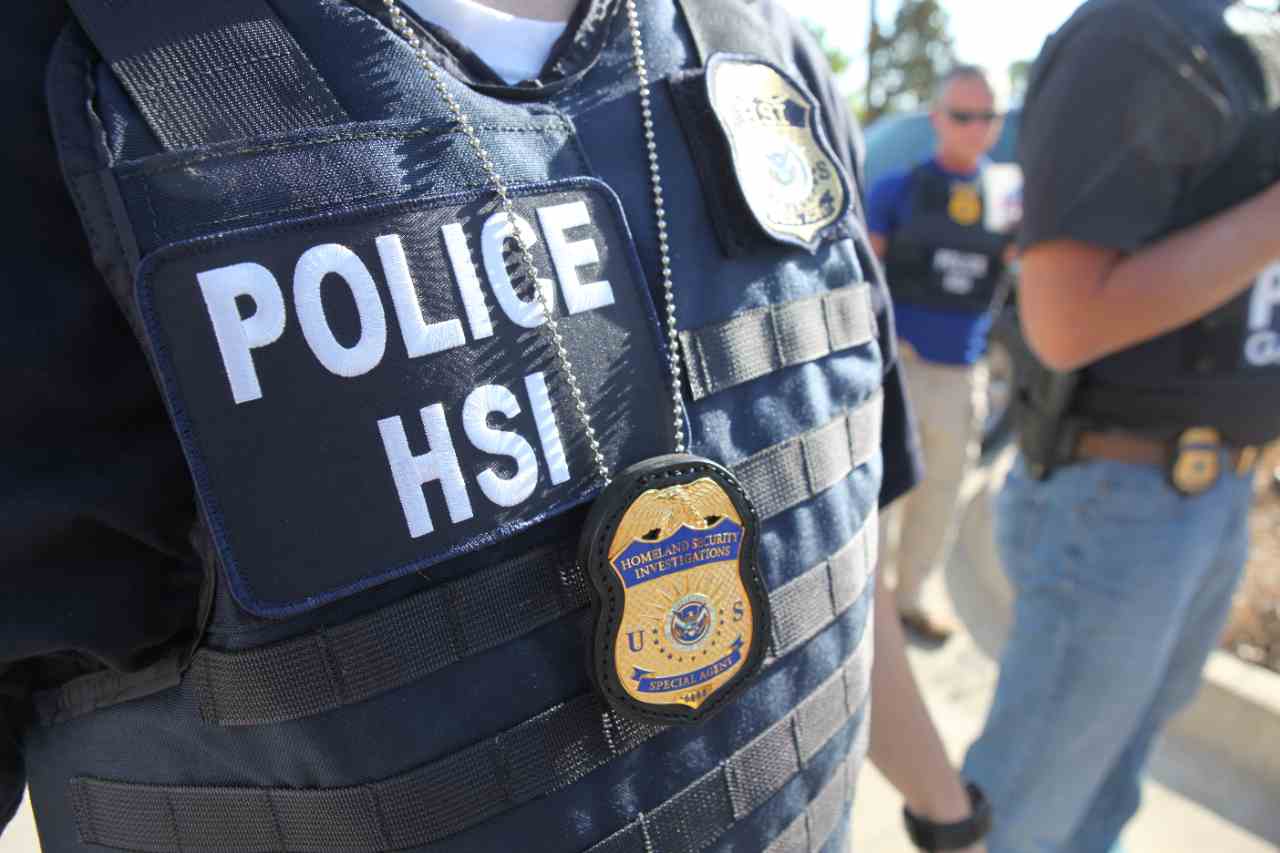
(WASHINGTON, DC) An internal memo from U.S. Citizenship and Immigration Services has ordered an immediate halt to final adjudications and naturalization ceremonies for migrants from 19 countries covered by an existing travel ban, abruptly stopping some people just moments before they were due to pledge allegiance to the United States, according to immigration lawyers and agency officials familiar with the directive.
The sweeping freeze affects migrants who, lawyers say, have already spent up to five years moving through background checks, interviews and tests, and who were days or weeks away from taking the oath of allegiance in crowded citizenship halls across the country.
What the memo requires
According to the memo, which USCIS spokesperson Matthew Trogesser confirmed, officers must:
- Stop granting citizenship
- Pause asylum decisions
- Review previously issued green cards for people from the 19 countries
These actions are to remain in effect until further notice.
Immediate impacts and reports from the field
Immigration lawyers say they began seeing the effects almost immediately. Clients from countries including Venezuela, Iran and Afghanistan reported that long‑planned citizenship hearings were suddenly canceled this week, often with little explanation beyond a short notice that their case was on hold.
Many affected applicants had already:
- Passed English and civics tests
- Cleared background checks
- Received formal approval notices
Yet some were “plucked out” of line on the day they expected to stand with family and raise their right hand. Lawyers describe scenes in which ushers quietly pull immigrants aside in crowded waiting rooms and explain that, because they were born in a country covered by the travel ban, they will not be allowed to take the oath until further guidance arrives from Washington.
Connection to recent events and potential expansion
The internal directive follows the fatal shooting of National Guard soldier Sarah Beckstrom in Washington, DC, an event that has heightened security concerns inside the Trump administration and increased urgency to revisit the existing list of countries under the travel ban.
Officials are reportedly weighing whether to expand that list from 19 to as many as 30 countries, according to people briefed on internal discussions, although no public announcement has been made.
The pause is not just a policy debate for those affected — it is an abrupt stop at the final step of a long and often expensive journey to citizenship.
Broader consequences beyond ceremonies
Advocates warn the halt to final adjudications reaches beyond naturalization ceremonies and could affect thousands whose asylum or permanent residence cases are tied to the same 19 nations.
Because the memo also calls for a review of previously issued green cards for affected nationals, some permanent residents now fear:
- Routine travel abroad could draw extra scrutiny
- Applications for family members may face delays or additional review
The agency has not issued public written guidance on how to handle edge cases, such as:
- Applicants born in one of the 19 countries who long ago became citizens of another state
- Cases involving a spouse or parent from a country on the list
USCIS confirmation and unknowns
Trogesser confirmed the existence of the memo but did not specify:
- How long the pause on final adjudications will last
- How many people have already had naturalization ceremonies postponed
In the absence of detailed public rules, applicants have turned to lawyers and community groups to determine whether upcoming oath dates, green card renewals, or asylum interviews will proceed or be delayed.
Legal advice being given now
Some immigration attorneys are advising clients from countries named in the travel ban to:
- Avoid making non‑essential trips outside the United States
- Keep detailed records of every notice, email, or phone call from USCIS
- Stay in close contact with legal counsel and community groups
They also urge clients to rely only on direct communications from USCIS or trusted legal counsel, warning that rumors spread quickly in online forums.
Monitor USCIS updates and have your attorney confirm whether your case remains eligible for oath or if an alternative path is required. Keep contact info current and promptly report changes.
Who is most affected
Analysis by VisaVerge.com indicates the freeze hits hardest those who had already passed every formal test required and believed the oath would provide stability after years of temporary status. Affected groups include:
- Long‑term residents with U.S.‑born children
- Workers whose jobs require security clearances easier to retain as citizens
- Elderly applicants who fear they may not live long enough for another ceremony
Community organizers at citizenship preparation classes report spending large parts of each session explaining the new memo and clarifying that perfect test scores and spotless records do not guarantee a scheduled oath will go forward for people from the 19 listed countries.
Some families are now experiencing inconsistent treatment: different household members receive very different outcomes depending on the passport they hold or where they were born, even when they arrived in the U.S. around the same time and followed similar legal steps.
Public guidance vs. practice
USCIS has long published general information about how naturalization ceremonies are supposed to work, describing them as formal events where approved applicants swear the Oath of Allegiance, turn in their green cards and receive naturalization certificates that confirm their new status as citizens on its website at USCIS.
The new memo does not change that public description, but by stopping final adjudications for people from countries under the travel ban, it has created a split between the agency’s online guidance and what some immigrants now experience in practice.
Practical steps for affected applicants
Immigration attorneys advise affected clients to:
- Stay in close contact with USCIS and their attorneys
- Watch for any mailed notices and save every communication
- Bring all documents to any rescheduled interview or ceremony to show that nothing has changed since initial approval
They also caution against acting on unverified social media posts and emphasize relying on trusted sources.
Until the administration announces whether it will broaden the travel ban list, immigrants caught by the memo remain in limbo — approved in theory but barred from taking the step into citizenship.
USCIS issued an internal memo pausing final adjudications and naturalization ceremonies for nationals of 19 countries under the travel ban. The freeze also pauses asylum decisions and mandates review of some green cards, leaving many approved applicants unable to take the oath. The move follows heightened security concerns and potential discussion of expanding the list of countries. Attorneys recommend avoiding nonessential travel, preserving all USCIS communications, and staying close to legal counsel while awaiting further guidance.