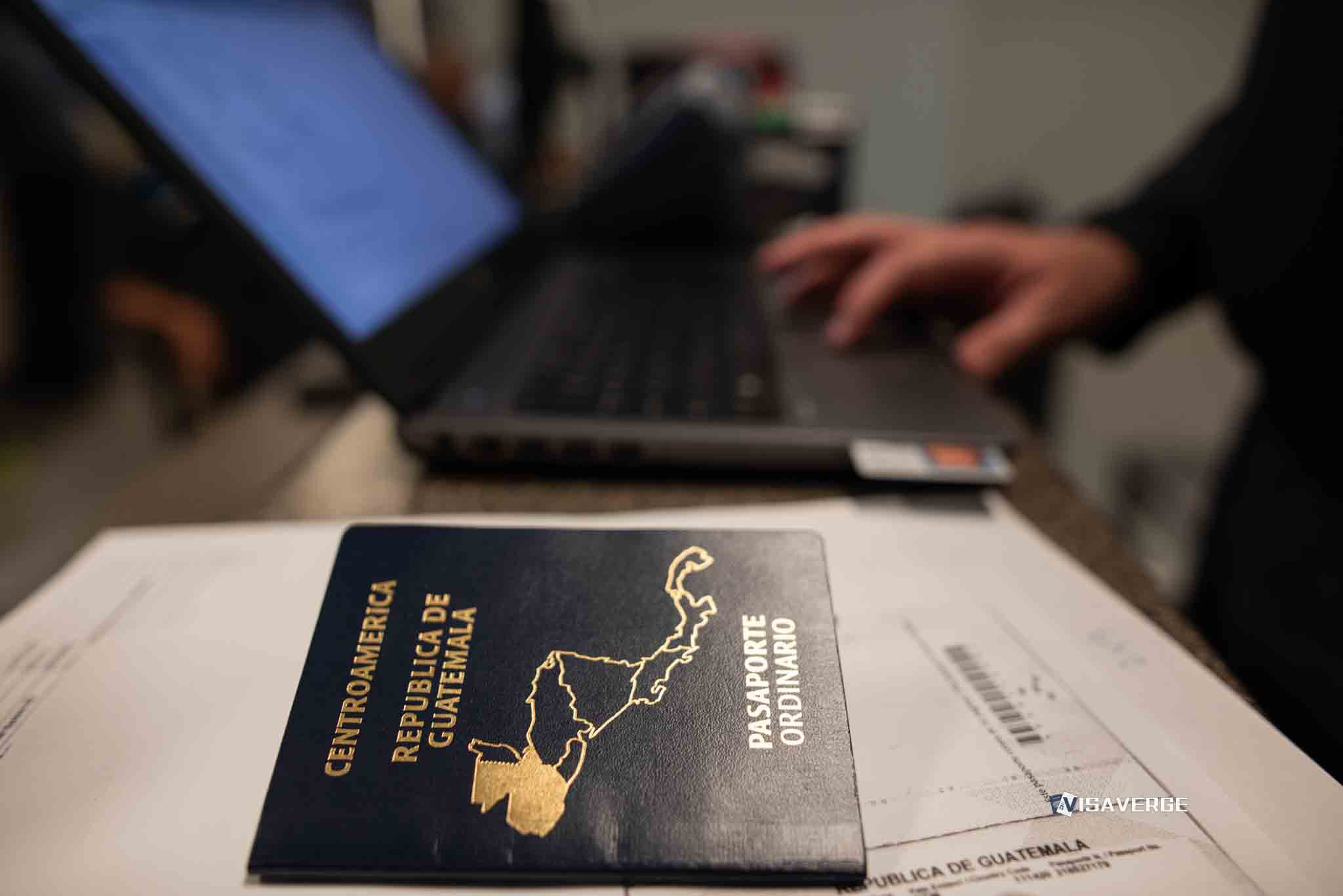
Most retired travelers who earn money from online writing can still enter the United States 🇺🇸 on a B-1/B-2 visitor visa or ESTA, as long as they don’t perform any work while physically in the country. At the airport or land border, CBP officers mainly want to know why you’re visiting, how long you’ll stay, and whether you’ll follow the visitor rules. Your lawful income from home—honoraria, small fees, or ad revenue—is usually not the issue.
The risk starts when a traveler describes plans to edit, post, manage a site, or respond to clients during the trip. If asked, disclose truthfully and stress: the writing and income happen outside the United States 🇺🇸, and you won’t work during the visit even if paid from abroad.
The one question CBP is really testing
During inspection, the core question is simple: what will you do inside the United States 🇺🇸 today and on this trip?
Visitor status allows tourism, family visits, medical care, and some limited business activities, but it does not allow employment. For many retirees, online writing blurs the line because it feels portable. CBP often treats the location of the work as the key point.
If you write, edit, invoice, upload, or manage advertising while sitting in a U.S. hotel room, that can look like unauthorized work on B-1/B-2. If you only wrote the articles at home before you traveled, and you’ll keep doing that after you leave, admission concerns usually drop sharply. That’s the frame to keep.
| India | China | ROW | |
|---|---|---|---|
| EB-1 | Apr 01, 2023 ▲31d | Apr 01, 2023 ▲31d | Current |
| EB-2 | Jul 15, 2014 ▲303d | Sep 01, 2021 | Current |
| EB-3 | Nov 15, 2013 | Jun 15, 2021 ▲45d | Jun 01, 2024 ▲244d |
| F-1 | May 01, 2017 ▲174d | May 01, 2017 ▲174d | May 01, 2017 ▲174d |
| F-2A | Feb 01, 2024 | Feb 01, 2024 | Feb 01, 2024 |
Key takeaway: CBP focuses on what you will do while physically in the U.S., not whether the income originates abroad.
Before you travel: set your story and your documents
Give yourself 30–60 minutes the day before departure to rehearse short, plain answers. CBP interviews at primary inspection often last less than two minutes, so long explanations can backfire.
Prepare a simple itinerary with:
– where you’ll stay
– your return ticket
– how you’ll pay for the trip
If your online writing is a side activity, don’t bring contracts, editorial calendars, or client emails that suggest active work during travel. Carrying a laptop for personal use is normal, but be ready to explain it’s for photos, maps, and family contact—not producing content.
If you have a website, consider pausing scheduled posts or newsletters so nothing looks like you’re “running a business” from the United States 🇺🇸.
Primary inspection: what happens in the first 1–10 minutes
After you land, you’ll join a line for passport control. Wait times vary, but the face-to-face part is usually quick.
Officers may ask:
– where you’re going
– who you’re visiting
– how long you’ll stay
– whether you have a job
If admitted, CBP creates an electronic I-94 arrival record and admits you in B-1, B-2, or a combined B-1/B-2 classification. Use the same clear theme in every answer: you’re here to visit, and you will leave on time.
If asked about work, a simple reply is: “I’m retired.” Stop there unless the officer asks a follow-up. For official basics on entry, CBP posts them at https://www.cbp.gov/travel/international-visitors and on the I-94 process.
If the officer asks about your occupation or income
The rule in the booth is: answer truthfully, briefly, and only as far as the question goes.
Safe replies many retirees use include:
– “I’m retired. I sometimes do online writing from my home country.”
– “I’m retired and I earn a little from articles I write abroad.”
If the officer follows up with “Will you work while you’re here?” give an unambiguous answer:
– “No. All my writing and income are outside the United States 🇺🇸, and I won’t do any writing or other work on this trip.”
If asked directly, “Do you earn money online?” you can say yes, then repeat the same location-and-no-work line. Consistency matters — it helps avoid mixed messages later.
Phrases that create trouble, and better alternatives
CBP decisions can turn on a few words. Avoid saying you’ll “continue writing,” “manage my website,” or “respond to clients” while in the United States 🇺🇸. Even if your readers, editors, and bank accounts are overseas, that kind of statement can sound like employment performed on U.S. soil.
Better alternatives keep the focus on your visit:
– Instead of “I’ll edit articles in my hotel,” say “I’m here for tourism and family time.”
– Instead of “I need Wi‑Fi for my work,” say “I use Wi‑Fi to message family and check travel plans.”
If you truly must handle urgent personal messages, don’t label it work. Keep answers calm and short. Let the officer ask for details.
Secondary inspection: why it happens and what to expect
Being sent to secondary inspection doesn’t mean you did something wrong. It can happen because of name matches, travel history, or an officer who wants more time.
Plan for 30–120 minutes (sometimes longer at busy airports) of extra waiting. In secondary, an officer may ask more detailed questions about your background, finances, and ties to home. This is where online writing might come up if it appears on a resume, social media, or a device.
Stick to the same core facts:
– You’re retired
– Your writing is done abroad
– You won’t work in the United States 🇺🇸
If you don’t know an answer, say so. Don’t guess. Ask politely if you may contact family while waiting.
Drawing the line: allowed visitor activity versus work
For B-1/B-2 visitors, the practical line is not “Does this pay?” but “Am I doing it while inside the United States 🇺🇸?”
Activities normally allowed during travel:
– reading and research
– drafting personal notes or a diary
– posting vacation photos
Activities that look like running a paid channel and can raise alarms:
– writing or editing pieces for publication during the trip
– emailing an editor about deadlines
– invoicing, negotiating fees, or chasing payment
– updating ad settings or affiliate links
Many travelers ask about passive ad revenue that continues while they are away. The safer approach is to make clear you are not actively managing it while present in the country. Keep your trip purpose front and center.
Writing about immigration, tax, or law: topic is not the problem
The subject matter of your writing—immigration, taxation, finance—usually doesn’t change the CBP analysis. What matters is whether you are giving paid services or doing compensated events while present in the United States 🇺🇸.
Do not describe plans for:
– paid consultations
– client meetings
– speaking gigs tied to your content during a visitor trip
If you’re simply a commentator who writes at home, say that. According to analysis by VisaVerge.com, many port-of-entry problems start when travelers volunteer extra detail that suggests a business purpose. Keep your story aligned with tourism or family visits, and keep income activity firmly located outside the country.
If CBP challenges your intent: stay polite and protect yourself
Sometimes an officer may press for details if they think your situation sounds like work. Don’t argue. Slow down and restate your main point:
- “I will not do any work while I’m in the United States 🇺🇸.”
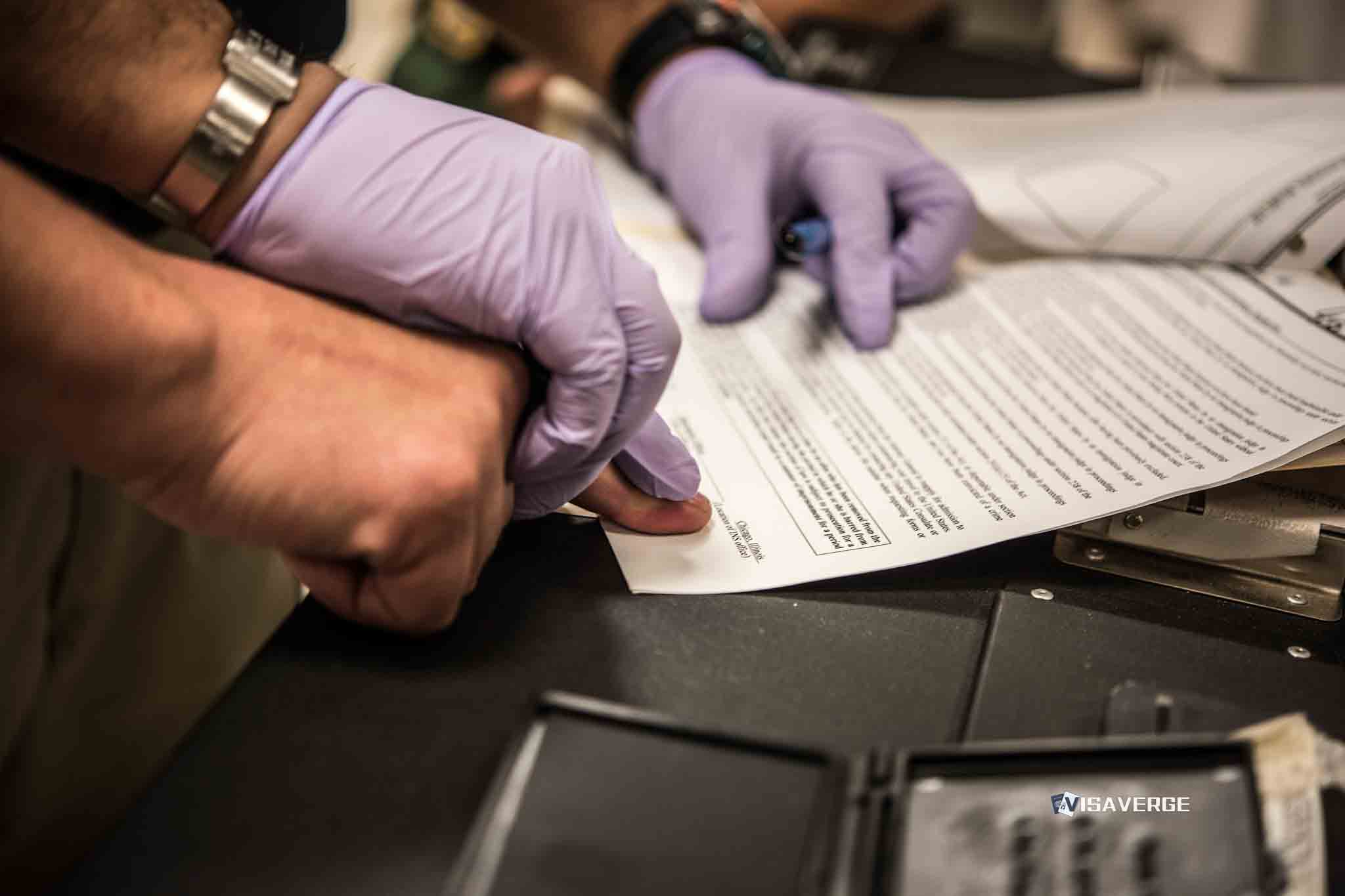
If the officer believes you are not eligible to enter, they may offer “withdrawal of application for admission,” meaning you agree to turn around without a formal removal order. That choice can have long-term effects, so ask:
– what document you are being asked to sign
– why you are being asked to sign it
If you don’t understand, say so. You can ask to contact your consulate and request legal advice. Don’t sign papers you can’t read. Write down names, times, and questions asked.
During your stay: simple habits that reduce risk
Once admitted, follow the same rule you gave at the airport. If you’re in B-1/B-2 status for a short visit—say one to four weeks—treat it like a real break.
Practical steps:
– turn off work notifications
– avoid logging into publishing dashboards
– don’t schedule “quick edits” between sightseeing
– if an editor emails, wait until you’re home to reply, or limit responses to travel logistics with no work product attached
– keep your departure plan realistic and stick to it
– if you need to change plans, be ready to show why and keep within visitor limits
– keep receipts and boarding passes handy
A practical checklist for retired writers
Use this checklist as you pack and as you speak with CBP:
- Trip purpose: tourism, family visit, or other permitted visitor reason.
- No work plan: no writing, editing, client contact, invoicing, or website management while in the United States 🇺🇸.
- Answer style: brief, truthful, and responsive; don’t add side stories.
- If asked about income: “Yes, I earn some from online writing done outside the United States 🇺🇸, and I won’t work during this visit.”
- Documents: return ticket, lodging details, and proof you can support yourself.
Most retirees who keep these points straight pass inspection smoothly. The goal is not to hide a hobby, but to show you respect the limits of B-1/B-2 travel.
Retired writers may enter the United States on B-1/B-2 visas or ESTA if they do not perform work while physically present. CBP focuses on what you will do inside the U.S.; keep answers brief and consistent. Carry a return ticket, lodging details, and a simple itinerary. Avoid saying you’ll edit, post, or manage websites during the trip. If sent to secondary inspection, remain calm, reiterate that writing and income are generated abroad, and request help or legal advice if needed.
Live Government Data
State Dept • CBPBusiest Border Crossings
- Nogales 150 min
- Nogales 120 min
- Otay Mesa 80 min