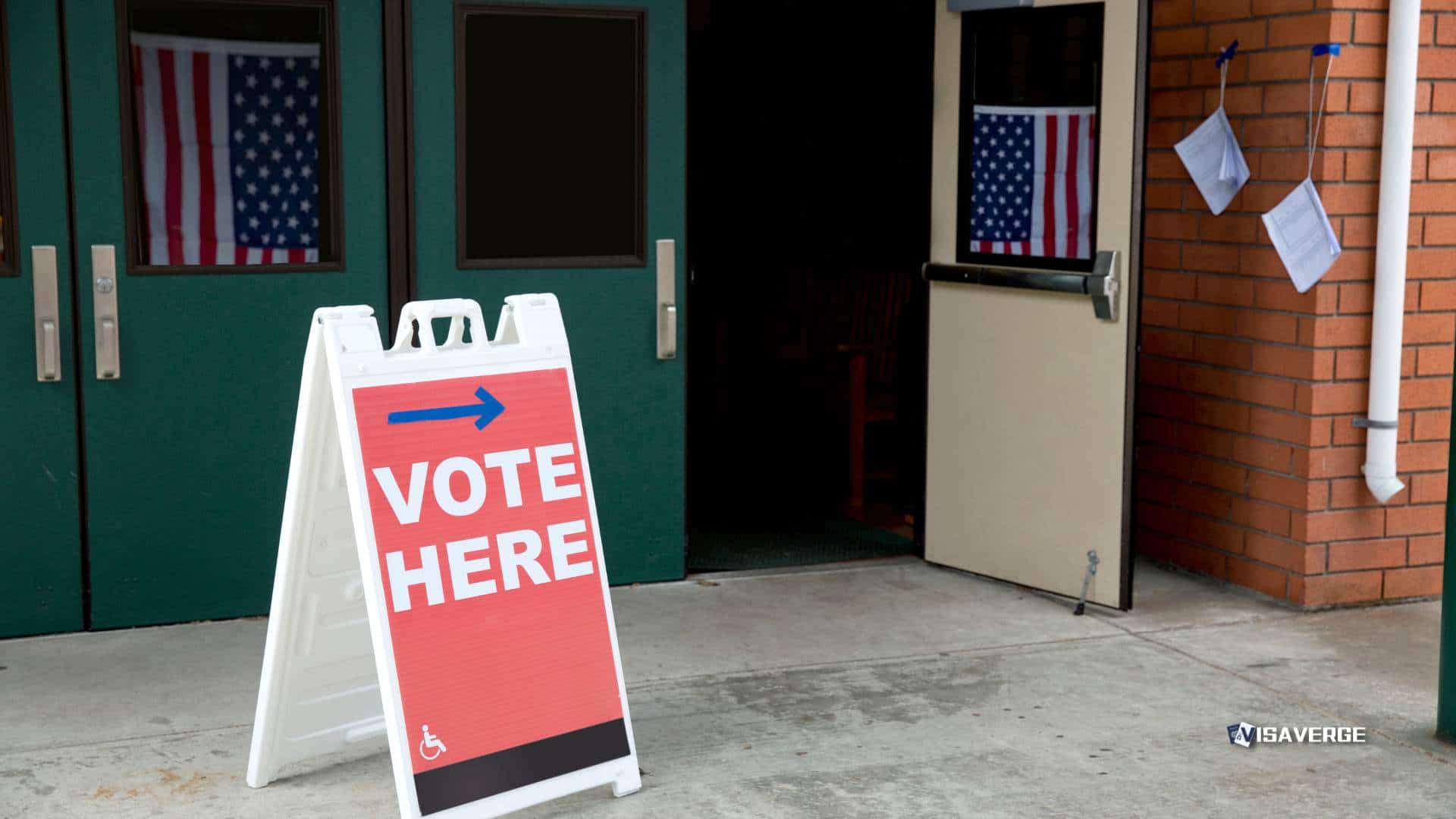
- The administration has set a February 1, 2026 deadline for potentially cutting federal funding to sanctuary jurisdictions.
- A 2021 legal precedent restores judges’ authority to administratively close immigration cases during enforcement surges.
- Funding cuts typically target public safety, healthcare, and infrastructure through complex program-specific mechanisms rather than immediate stops.
The most immediate, practical legal impact of a proposed sanctuary-related funding cutoff often is not the loss of money on day one. It is the acceleration of enforcement activity and the resulting strain on Immigration Courts.
That is where precedent like Matter of Cruz-Valdez, 28 I&N Dec. 326 (AG 2021) matters. In Cruz-Valdez, the Attorney General restored Immigration Judges’ and the BIA’s authority to administratively close appropriate cases, reversing an earlier restriction.

That holding affects how removal cases may be paced when enforcement surges, detainer disputes, and intergovernmental standoffs produce sudden docket spikes.
As of Thursday, January 15, 2026, the administration is publicly tying an enforcement message to an operational threat: a sweeping federal funding cutoff for “sanctuary” jurisdictions, with a stated deadline of February 1, 2026.
Whether the cutoff becomes enforceable depends on how it is implemented, and whether courts block it. But the enforcement and litigation cycle can move faster than the funding mechanics.
Deadline Watch (Practical Trigger)
Public statements point to a February 1, 2026 cutoff date. Treat that as a policy “target” until agencies publish grant conditions, certifications, or withholding notices.
Key facts that set up the current clash
The administration’s public framing focuses on public safety and fraud. Statements attributed to DHS include claims that sanctuary policies impede jail access and detainer cooperation.
The President’s remarks broaden the scope from cities to states that contain sanctuary cities, a significant expansion with higher fiscal stakes.
At the same time, much of what people experience first is enforcement tempo. That can include workplace activity, home arrests, and courthouse dynamics.
Those realities feed directly into Immigration Court proceedings, where respondents may seek continuances, administrative closure, or other docket management.
1) Deadline and policy trigger: why February 1, 2026 may not be “operational” on February 1
A federal funding cutoff for sanctuary jurisdictions, in practice, typically does not happen by a single switch being flipped. It tends to occur through program-by-program mechanisms.
- New conditions added to discretionary grants.
- Certifications of cooperation tied to award terms.
- Withholding, suspension, or termination letters.
- Audit or compliance findings that justify clawbacks.
An announced intention is not the same as an enforceable condition. For enforceability, agencies usually need clear statutory authority, clear notice to recipients, and compliant procedures.
The scope expansion from cities to states also matters. States often administer or pass through federal funds, creating downstream risk for counties, nonprofits, and contractors.
Readers should watch for formal steps, including published notices of funding opportunity (NOFO) changes, award-term revisions, and written agency guidance. They should also watch for litigation filed by states and cities, because early injunctions can pause enforcement before it begins.
2) Official statements and framing: rhetoric versus measurable criteria
Administration and DHS statements often blend messaging with policy. Public safety framing can influence voter narratives, but agencies still must define measurable criteria for enforcement.
Those criteria could include whether local officials honor ICE detainers or transfer requests, whether jail access is provided under local rules, whether information-sharing agreements exist, and whether state laws restrict cooperation beyond federal minimums.
- Whether local officials honor ICE detainers or transfer requests.
- Whether jail access is provided under local rules.
- Whether information-sharing agreements exist.
- Whether state laws restrict cooperation beyond federal minimums.
Social media posts can be informative about intent, but they may omit legal details. In these disputes, the controlling documents are typically: agency guidance, grant terms, and actual withholding notices.
Operation names and “surge” labels can also function primarily as messaging. They may indicate enforcement prioritization, but they are not always the same as binding legal standards for grants.
3) Targeted funding streams and financial implications: how withholding is usually structured
The reported targets span several funding categories. Each category raises different legal risks for the federal government and different disruption patterns for recipients.
Public safety grants (DOJ and DHS). DOJ programs like Byrne JAG are common vehicles for attempted conditions. Changes often appear in award terms requiring certifications, cooperation commitments, or access assurances.
Disputes frequently turn on whether conditions are authorized by statute and sufficiently related to the grant purpose.
Healthcare funding risk framing (CMS / Medicaid). Healthcare dollars differ from discretionary grants. Medicaid is partly formula-driven and statute-heavy.
Program-level withholding can be legally and politically volatile. The operational question is whether CMS is acting under a clear statutory hook, and whether the threatened withholding is proportionate and procedurally sound.
Infrastructure and transportation funding. Transportation dollars often involve long planning cycles. Even the threat of delay can disrupt contracting, bond planning, and project timelines.
Withholding attempts may trigger fast litigation because of immediate downstream costs.
Child care funds as a litigation pressure point. Prior efforts to freeze child care funds, and judicial blocks, illustrate the recurring pattern: broad threats meet targeted lawsuits, and courts scrutinize statutory authority and procedural compliance.
Funding Disruption Warning
Even before a formal cutoff, agencies and localities may pause awards, revise contracts, or delay reimbursements due to compliance uncertainty.
4) Jurisdiction scope and labels: what “sanctuary” usually means, and why lists vary
“Sanctuary jurisdiction” is not a single term with a single federal definition. Agencies have used different criteria over time, and those criteria can focus on several operational practices.
- Detainer practices and custody transfer policies.
- Limits on local inquiries about immigration status.
- Restrictions on sharing release dates.
- Requirements for judicial warrants.
- Limits on honoring administrative ICE requests.
Because criteria differ, lists differ. A jurisdiction being named on a DOJ or DHS list is not always a final legal determination that funding can be withheld.
In many cases, the list is a starting point for compliance review, political pressure, or negotiation. Commonly cited examples include large states and major cities; those examples are illustrative, not exhaustive.
Local policy details matter. County sheriffs can differ from city police. State law can override local cooperation.
5) Legal context and precedent: why courts often block sweeping cutoffs, and what could happen next
These disputes usually raise separation-of-powers questions. Congress controls appropriations. The Executive Branch administers programs. Courts often focus on whether an agency is adding conditions Congress did not authorize.
Typical arguments from states and cities include statutory authority limits, Administrative Procedure Act concerns, coercion and federalism claims, and anti-commandeering principles.
- Statutory authority limits. The agency lacks power to add the condition.
- Administrative Procedure Act concerns. Improper process can be challenged, including inadequate explanation.
- Coercion and federalism. Withholding large sums can be argued to be coercive.
- Anti-commandeering principles. The federal government generally cannot force states to administer federal enforcement.
Outcomes vary by funding stream. Discretionary grants are easier to condition than formula-style entitlements, but conditions still must be lawful. The specific drafting matters.
Narrow, grant-related conditions can fare better than sweeping “all funding” threats.
This is where Immigration Court precedent becomes relevant in a practical sense. When funding threats and enforcement surges increase arrests, respondents often flood Immigration Courts, changing how judges manage dockets.
Under Matter of Cruz-Valdez, 28 I&N Dec. 326 (AG 2021), administrative closure is again available in appropriate cases, subject to applicable regulations and circuit law. This can matter for respondents pursuing USCIS-based relief, such as adjustment of status, U visas, or other petitions that may proceed outside court.
Continuances and docket control also intersect with respondents’ rights to seek relief. Common relief includes asylum under INA § 208, withholding under INA § 241(b)(3), CAT protection under regulations, and cancellation of removal under INA § 240A.
Increased enforcement can shorten preparation time. Counsel may seek continuances under 8 C.F.R. § 1003.29, depending on the posture.
Litigation Reality Check
Even if a cutoff is announced, injunctions can halt implementation quickly. But enforcement surges and court backlogs can still intensify during the litigation window.
6) Impacts on individuals and communities: separating reported incidents from formal policy
Community impacts often flow from fear and uncertainty as much as from formal rules. Reports of increased enforcement can depress school attendance, reduce foot traffic in immigrant business corridors, and strain trust in local government.
It is important to interpret arrest and incident references carefully. Some figures cited reflect specific operations or timeframes, not nationwide baselines.
A “surge” operation can create short-term disruption without any immediate change in formal grant conditions.
For immigrants and mixed-status families, practical steps often include keeping identity and immigration documents accessible, updating emergency plans for childcare and medical consent, and consulting qualified counsel before signing documents or accepting plea deals.
- Keeping identity and immigration documents accessible.
- Updating emergency plans for childcare and medical consent.
- Consulting qualified counsel before signing documents or accepting plea deals.
- Screening for relief options if placed in removal proceedings.
Noncitizens should be cautious about travel. Interactions with CBP at ports of entry can be affected by enforcement priorities, even when funding policies remain in court.
7) Official sources: where readers can verify changes
Because lists and screenshots circulate quickly, readers should verify claims through primary sources. Check agency newsrooms, DOJ materials, and EOIR updates for authoritative statements.
- USCIS Newsroom: https://www.uscis.gov/newsroom
- DOJ materials and announcements: https://www.justice.gov
- EOIR operational updates (Immigration Courts): https://www.justice.gov/eoir
For grant terms, check the issuing agency’s published NOFOs and award conditions, not secondary summaries. For litigation status, look for court orders and docket entries.
When possible, rely on official dockets and written opinions.
Practical takeaways for attorneys, local agencies, and affected families
- Treat February 1, 2026 as a pressure point, not proof of immediate, across-the-board withholding. Look for written implementation.
- Expect program-by-program fights. DOJ public safety grants differ from CMS-administered healthcare funds.
- Even if funding litigation stalls a cutoff, enforcement tempo can still rise. That affects Immigration Court strategy.
- For respondents in removal proceedings, docket tools matter. Cruz-Valdez may support administrative closure in appropriate cases, depending on circuit law and case posture.
- Because these disputes mix constitutional law, federal grants, and removal defense, coordinated counsel is often necessary. Local governments may need grants counsel. Individuals should seek immigration defense counsel promptly.
Strong attorney recommendation: If you are a local agency, nonprofit, or individual who may be affected by a sanctuary-related funding cutoff, consult a qualified immigration attorney and, where relevant, a grants or constitutional litigator. Timing and jurisdiction can change the analysis.
Legal Disclaimer: This article provides general information about immigration law and is not legal advice. Immigration cases are highly fact-specific, and laws vary by jurisdiction. Consult a qualified immigration attorney for advice about your specific situation.
Resources:
The U.S. government is targeting sanctuary jurisdictions with a February 2026 deadline for federal funding cutoffs. The strategy focuses on public safety, healthcare, and infrastructure grants. However, legal experts note that enforcement surges often precede actual financial loss, placing immense pressure on Immigration Courts. Recent legal precedents provide tools for docket management, while constitutional protections frequently lead to judicial stays against broad funding withdrawals.