- A Chicago immigration judge ruled Salah Sarsour may be deported on foreign-policy grounds, but did not order immediate removal.
- His lawyers have thirty days to appeal and sixty days to seek protection based on the risk of torture.
- The judge rejected the government’s separate claim that Sarsour misrepresented information on his green-card application.
A Chicago immigration judge ruled on September 30, 2026, that Salah Sarsour may be deported on foreign-policy grounds. The ruling does not order his immediate removal.
Judge Jayme Salinardi rejected a separate government allegation that Sarsour misrepresented information on his green-card application. The decision came from the Chicago Immigration Court.
Free toolUSCIS Receipt Number Decoder
Sarsour was born in Ramallah and has held lawful permanent resident status. He has lived in the United States since 1993 and leads the Islamic Society of Milwaukee, which operates Wisconsin’s largest mosque.
The decision leaves legal proceedings open. His lawyers can appeal and seek protection from removal.
| India | China | ROW | |
|---|---|---|---|
| EB-1 | Feb 01, 2023 ▲109d | Jul 01, 2023 | Current |
| EB-2 | Nov 01, 2013 | Oct 01, 2021 ▲30d | Jan 01, 2025 |
| EB-3 | Jan 01, 2014 | Jan 08, 2022 ▲7d | May 15, 2024 ▼109d |
| F-1 | Jan 22, 2020 | Jan 22, 2020 | Jan 22, 2020 |
| F-2A | Sep 22, 2026 ▲31d | Sep 22, 2026 ▲31d | Sep 22, 2026 ▲31d |
Two deadlines leave room to challenge the ruling
Sarsour’s lawyers have 30 days to appeal the decision. They also have 60 days to seek relief based on the risk of torture.
An appeal would pause deportation while it remains pending. Removal cannot proceed until available legal proceedings conclude.
His lead immigration attorney, Patrick Taurel, said the defense will appeal. The case could therefore continue beyond the immigration judge’s ruling.
Rubio’s memo invoked a rarely used immigration-law ground
The government relied on a seldom-used provision of immigration law tied to foreign policy and national security. The provision dates to the Cold War era and allows removal when a noncitizen’s presence is considered harmful to U.S. foreign-policy interests.
Secretary of State Marco Rubio invoked the provision in a June 2025 memo. It said Sarsour’s presence could have “potentially serious adverse foreign policy consequences” and undermine U.S. efforts to combat antisemitism.
The judge found a basis for removability under that provision, not a U.S. criminal conviction. The ruling applies to Sarsour’s case; it is not a published Board of Immigration Appeals or federal appeals court decision that establishes broader precedent.
His earlier detention brought his speech claims before a federal judge
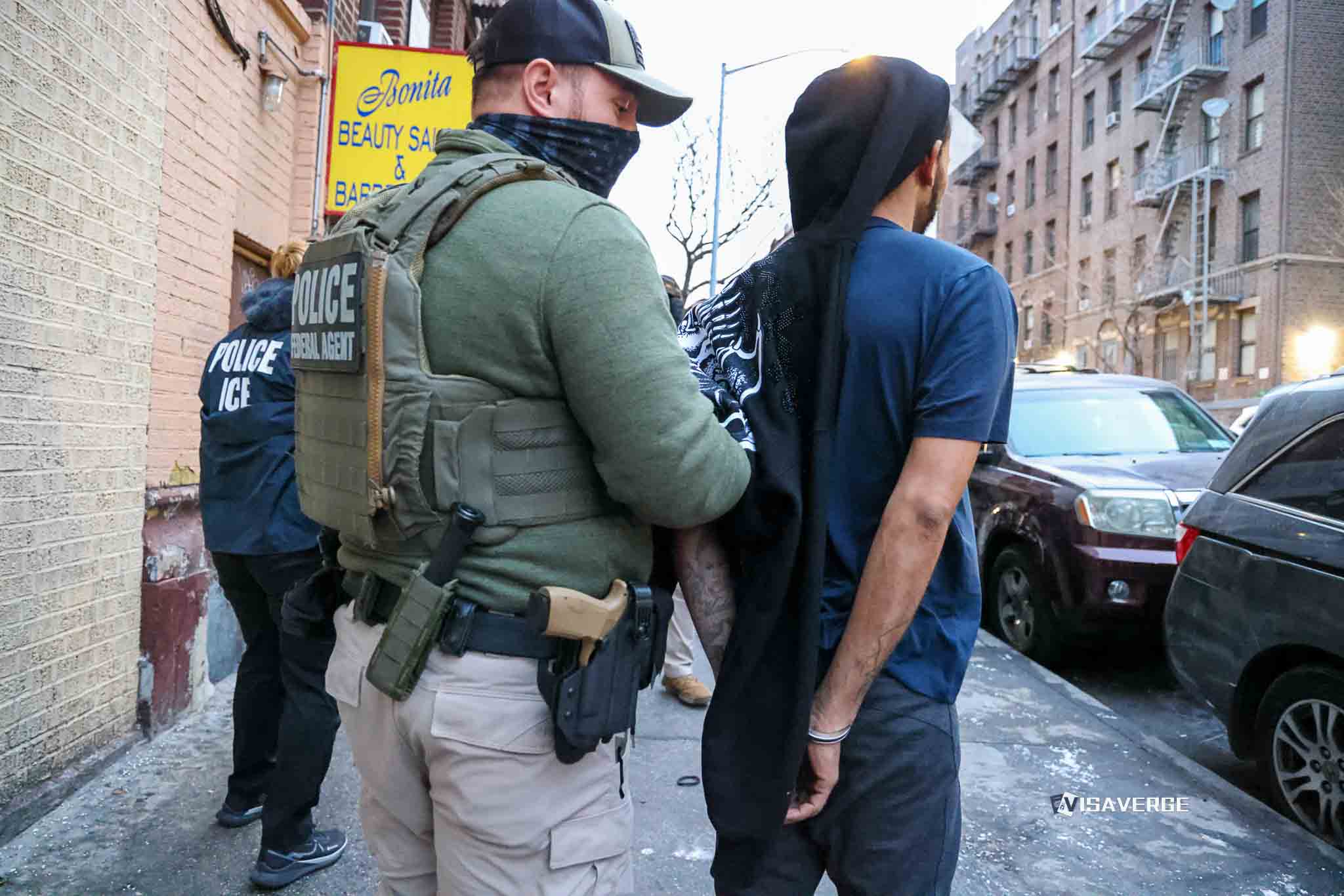
Immigration and Customs Enforcement detained Sarsour in Milwaukee in March 2026. He was released in mid-June 2026 after a federal judge found he had raised a “substantial” claim that the administration targeted him for speaking against Israel and advocating for Palestinian rights.
Sarsour has no criminal record in the United States. Accounts of his case also describe his imprisonment in Israel in 1988, after a conviction involving the throwing of stones or a Molotov cocktail at Israeli military personnel.
That history is part of the backdrop to his removal case. His lawyers argue that sending him to the West Bank would expose him to torture by Israeli authorities.
A torture claim could still block removal
Sarsour has said a return to the West Bank “means the end of my life.” His lawyers plan to press a claim under the Convention Against Torture, seeking protection from removal based on the risk they describe.
The immigration judge has not resolved that request. The process gives the defense a separate route to challenge deportation after the ruling on removability.
DHS welcomed the decision as Sarsour promised to keep fighting
The Department of Homeland Security welcomed the ruling and said the judge “sustained multiple grounds of removability.” The department also said: “All illegal aliens receive due process,” and, “If a judge finds an illegal alien has no right to be in this country, we are going to remove them. Period.”
Sarsour called the decision “deeply disappointing.” He said, “I will continue fighting to defend the right to free speech and to stay in the country I have called home for more than three decades.”
The appeal deadline runs from the September 30 ruling. The torture-based relief application has its own 60-day filing window.
This article provides general information and is not legal advice. Consult a qualified immigration attorney about your specific case.