- A massive federal immigration surge called Operation Metro Surge has deployed thousands of agents to Minnesota.
- Over 2,000 arrests occurred in weeks, triggering constitutional lawsuits from state leaders and local mayors.
- Community protests have erupted following two fatal shootings involving federal officers during the ongoing enforcement.
(MINNESOTA) — Minnesota is seeing a massive federal enforcement operation dubbed Operation Metro Surge (also called Operation Catch of the Day), drawing the highest concentration of DHS personnel in a major U.S. city in recent history and triggering protests, lawsuits, and troubling reports about civilians and children affected.
1) Overview of Operation Metro Surge / Operation Catch of the Day
Operation Metro Surge is the public name used for a federal immigration enforcement surge centered in the Minneapolis–St. Paul metro area. Some officials and residents also call it Operation Catch of the Day, a label that has circulated alongside the formal name and contributed to public confusion about what, exactly, is being carried out.
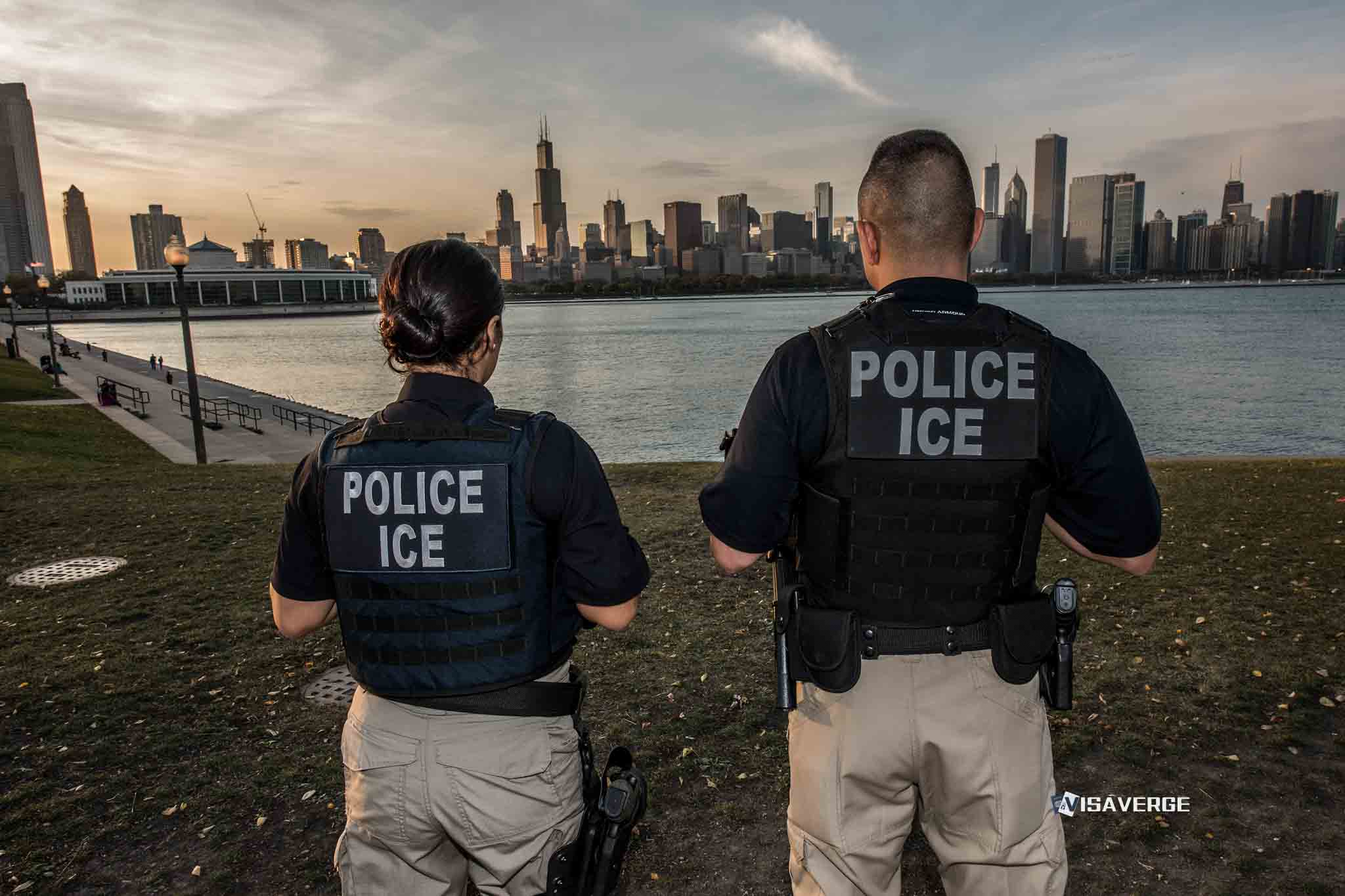
DHS is the umbrella agency. On the ground, residents report seeing a mix of CBP personnel, including the Border Patrol, plus ICE units such as ERO (Enforcement and Removal Operations) and HSI (Homeland Security Investigations).
That mix matters for immigrants and mixed-status families. Each component has different legal authorities and typical missions, which can affect what an encounter looks like and what legal process follows.
Across the Twin Cities, the most immediate change many families describe is simple: visibility. More federal vehicles. More stops. More fear about routine errands, school drop-offs, and work commutes.
2) Official statements and leadership positions
Gregory Bovino, identified as Border Patrol Commander-at-Large, framed the operation as a sustained crackdown at a January 24, 2026 news conference. He said, “We’re going to take them [criminal aliens] off the streets wholesale. It’s on. We won’t quit.”
Kristi Noem, the Secretary of Homeland Security, was shown accompanying ICE officers during arrests in St. Paul on January 7, 2026, telling a man in custody: “You will be held accountable for your crimes.” The message signals a public-safety framing, even though immigration enforcement can involve both criminal cases and civil (administrative) immigration actions.
Tricia McLaughlin, DHS Assistant Secretary, responded on January 12, 2026 to litigation filed by Minnesota officials by asserting the operation is constitutional, criticizing the suit and invoking the Tenth Amendment dispute.
DHS also amplified the scale in a January 7, 2026 post on X, calling it “The largest DHS operation ever” happening in Minnesota.
⚠️ Verified vs. alleged claims: Official messaging is easiest to confirm through DHS, CBP, and ICE newsrooms and dated agency statements. Claims about raids, warrants, or specific conduct should be cross-checked against those channels and court filings.
| Statement / Claim | Source (Agency) | Context |
|---|---|---|
| “We won’t quit” and “take them off the streets wholesale” | Gregory Bovino (Border Patrol / CBP) | Public safety framing at a January 24, 2026 press event |
| Secretary joined arrests and said “held accountable for your crimes” | Kristi Noem (DHS) | Public-facing enforcement message on January 7, 2026 |
| Operation is constitutional; response to Minnesota lawsuit | Tricia McLaughlin (DHS) | Litigation response on January 12, 2026 |
| “Largest DHS operation ever… in Minnesota” | DHS (social media post) | Scale claim tied to January 7, 2026 communications |
| Reports of warrantless searches, raids near schools/hospitals | Community and local-official allegations | Claims raised amid protests and litigation; verify via filings and agency statements |
3) Key facts and statistics
Officials describe the surge as involving multiple DHS components at once, which is part of why the operation feels unusually large. A joint presence can also create overlapping “counts.” One stop might involve CBP personnel assisting an ICE team, for example.
Arrest numbers are the headline metric, but arrests do not equal convictions. In immigration enforcement, an “arrest” can mean a civil administrative detention while removal proceedings begin. Separate criminal charges may or may not follow.
Even when criminal charges are filed, guilt is not established unless a court convicts. Officials have cited several time windows.
One set of figures refers to the first few weeks of the surge (as of January 12, 2026). Another set refers to arrests in the past year in Minnesota. A third refers to “dangerous offenders” in a recent 30-day surge.
| Metric | Figure / Range | Source / Timeframe |
|---|---|---|
| Personnel deployment | 2,000–3,000 | DHS/CBP described surge force in Minneapolis–St. Paul |
| Immigration arrests | over 2,000 | First few weeks of the surge (as of January 12, 2026) |
| Total arrests in Minnesota | over 10,000 | Past year, as described by Gregory Bovino |
| Arrests in recent surge window | 3,000 | “Dangerous offenders” cited during a recent 30-day surge |
4) Context and significance
Street-level descriptions in the Twin Cities often center on intensity. Residents and some local officials describe what feels like a militarized posture, with frequent federal activity that changes daily routines.
Fear spreads faster than facts in that setting. Parents keep kids closer. Workers skip shifts. Community life tightens.
Governor Tim Walz, Attorney General Keith Ellison, and the mayors of Minneapolis and St. Paul have filed suit against DHS, raising constitutional claims under the First and Tenth Amendments.
The dispute is also about local governance. When local leaders claim federal actions are pressuring city services, schools, and emergency lines, the argument becomes broader than immigration status alone.
Grand jury subpoenas served on top state officials add another flashpoint. Subpoenas are not a verdict. Still, they signal a federal inquiry that can force document collection and sworn testimony, raising tensions between state leadership and federal law enforcement.
5) Impact on affected individuals and communities
Two reported fatal shootings have intensified scrutiny. On January 7, 2026, Renee Nicole Good, identified as a 37-year-old Renee Nicole Good, was fatally shot in her vehicle by an ICE agent.
On January 24, 2026, another man was shot and killed by federal officers in Minneapolis, prompting renewed outrage and protest activity.
Child detention reports have also drawn attention. Two incidents cited by advocates involve 2-year-old Chloe and 5-year-old Liam, described as being held in federal facilities after their fathers were arrested.
Chloe was later released after an emergency court injunction. An injunction is a court order that temporarily requires or blocks certain actions while a case proceeds. It does not decide the full case.
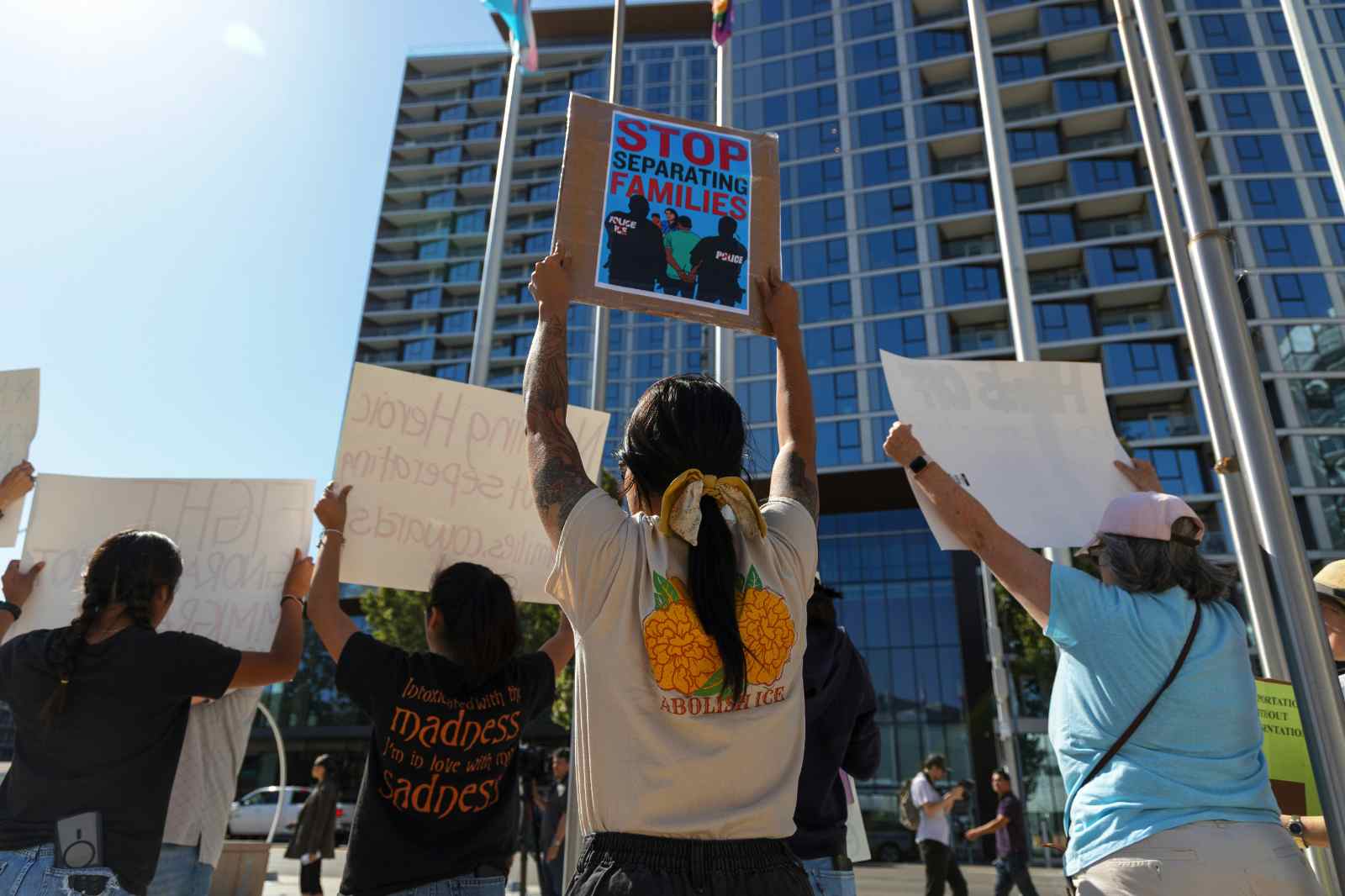
Community response has been visible and organized. Protesters have turned out in sub-zero weather. An “economic blackout” closed hundreds of businesses in solidarity.
Some school districts paused field trips due to “unpredictable” federal activity. For many mixed-status households, those disruptions can mean lost wages, missed appointments, and children absorbing adult fear.
6) Legal and governance context
Two constitutional ideas sit at the center of the lawsuits. First Amendment claims often argue that government actions chilled speech or association, such as organizing, documenting, or reporting enforcement activity.
Tenth Amendment claims typically argue that the federal government cannot “commandeer” state resources, or force state and local systems to operate as federal enforcement tools.
Governor Tim Walz and Attorney General Keith Ellison are key named state officials in the legal fight. The mayors of Minneapolis and St. Paul are also involved in the governance dispute because local policing, schools, and emergency services can be pulled into the fallout.
Subpoenas and grand jury inquiries add a different legal track. A subpoena generally compels documents or testimony. A grand jury is a body that can investigate and decide whether criminal charges should be brought.
In many cases, subpoena recipients should preserve records, avoid altering documents, and consult counsel. Refusing to comply can carry penalties, though challenges are sometimes litigated.
⚠️ Verified vs. alleged claims: Lawsuit allegations are claims, not findings. The most reliable way to confirm them is through court filings and dated statements from DHS, ICE, or CBP.
7) Operational scope and targets
Officials and community leaders have linked Operation Metro Surge to a widening fraud probe, with a focus on the Somali community in the Twin Cities. A fraud investigation can expand into immigration enforcement when agents believe identity, benefits, employment, or documentation issues connect to removability or criminal exposure.
Many on-the-ground disputes turn on legal terms. A judicial warrant is signed by a judge. An administrative warrant in immigration enforcement is typically issued within DHS.
The difference can matter for home entry. In many cases, absent a judge-signed warrant, officers may ask for consent to enter. Consent searches can be lawful, but consent must be voluntary. Families often report confusion in fast-moving encounters.
Location-based reports also shape community behavior. Allegations about activity near schools or hospitals can cause parents to keep children home and deter people from seeking care. Even when a report proves false, the fear can linger.
8) Official sources and further reading
Start with primary statements. DHS, CBP, and ICE each maintain official newsrooms where press releases and videos carry date stamps, named officials, and policy framing. Those details help separate confirmed agency claims from viral posts.
Court verification is the second step. When officials cite the First Amendment or Tenth Amendment, the most dependable record is the complaint and motions filed in court.
For readers who want background on constitutional language, Cornell Law School’s Legal Information Institute can be a useful reference: https://law.cornell.edu.
USCIS is not the arresting agency here, but families often watch USCIS updates during large DHS enforcement shifts. Mixed-status households may want to monitor DHS and ICE announcements for policy changes that could affect appointments, evidence requests, or safety planning around travel.
Use USCIS’s official site for updates: https://www.uscis.gov.
✅ What affected families should know about rights, potential court actions, and how to access official channels for updates: You can ask if an officer has a judge-signed warrant, and you can request legal counsel. Keep key documents accessible, and track updates through DHS/CBP/ICE newsrooms and court filings rather than rumors.
This article discusses ongoing legal matters and enforcement actions. Information should be verified through official sources (DHS, CBP, ICE) as details can evolve.
Do not substitute investigative claims for official court filings or agency statements.