(SAN JOSE, CALIFORNIA) For many families in the United States 🇺🇸, the hardest part of bringing parents for a first visit isn’t the visa stamp. It’s the airport interview with Customs and Border Protection (CBP). The questions can feel sharp, even when you’ve done nothing wrong. The goal of this guide is to walk parents through the full trip “journey” on a B-1/B-2 visitor visa, with clear steps, simple sample answers, and what to expect from CBP when arriving in places like San Jose, California.
What CBP is checking in the first minutes
At the port of entry, CBP isn’t re-issuing a visa. The officer is deciding if the visit matches the visitor rules.
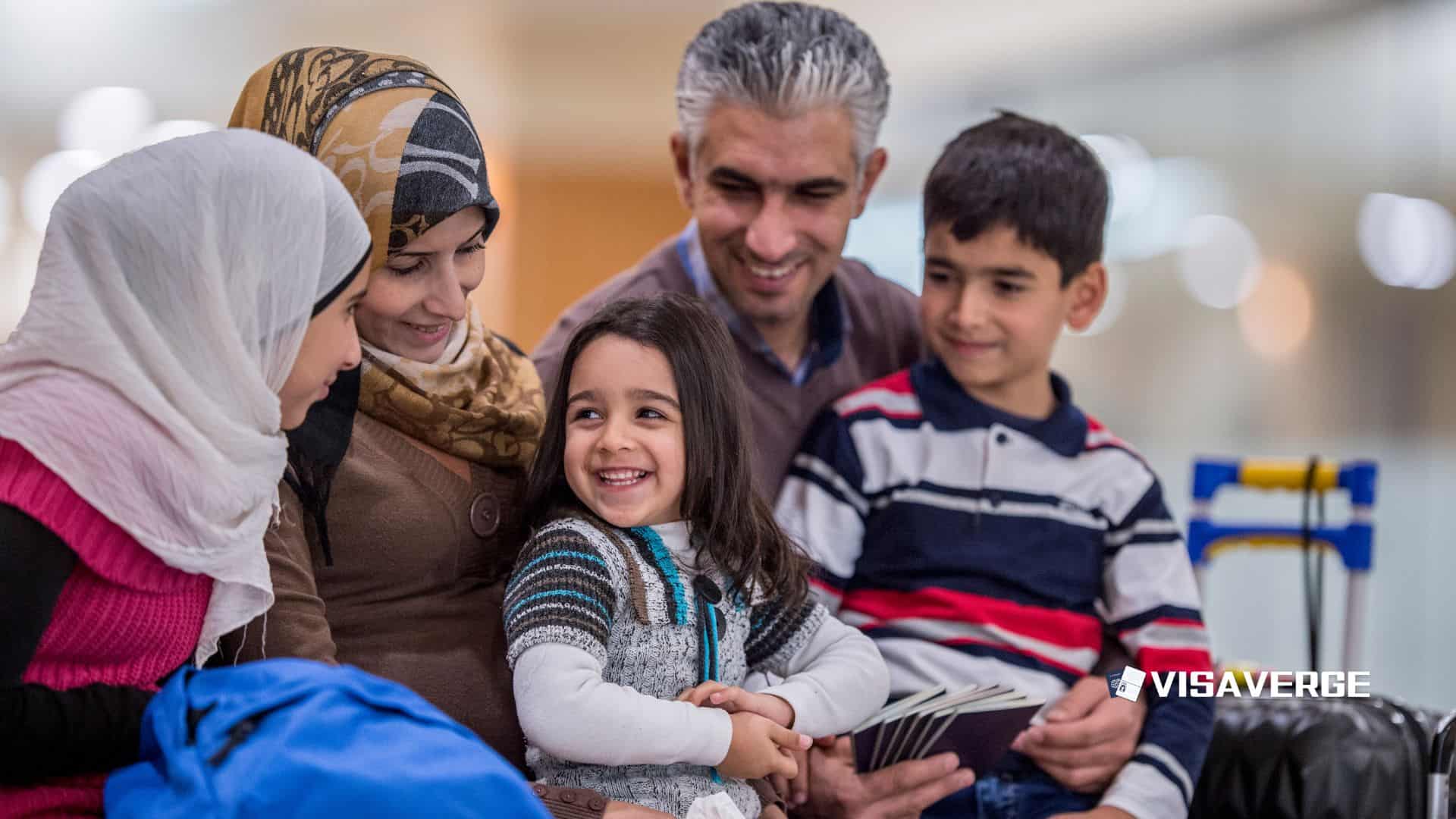
Officers focus on three main points:
– This is a temporary visit (tourism and family time, not moving)
– No work in the United States 🇺🇸 (paid or unpaid work-like help)
– Clear plan to return home (return ticket and life ties back home)
If answers match documents and the real plan, entry is often routine. If answers sound like long-term stay or work, the officer may ask more questions.
Key: If your answers are truthful and consistent with your papers, the airport check is usually straightforward.
7–14 days before departure: prepare a simple “travel packet”
A small folder of printed papers can calm nerves and prevent confusion if a phone battery dies. Carry printed details only to show if asked:
- Address of stay (example: “my son’s house in San Jose, California”)
- Phone number of the child in the United States 🇺🇸
- Return ticket
- Travel insurance (recommended)
Many families also carry a copy of the host’s proof of status (for example, a visa or green card copy). Don’t panic if you don’t have everything; the most important thing is that answers stay truthful and consistent.
What not to bring:
– Resumes, job papers, or work tools (these suggest job intent and can cause problems)
24–72 hours before the flight: practice short, truthful answers
Parents do not need to memorize long speeches. Practice one-sentence answers and stop talking. Extra details often create confusion, especially after a long flight.
Sample answers parents can use:
– “I am visiting for tourism and to spend time with my children.”
– “About three months. I have a return ticket.”
– “At my son’s house in San Jose, California.”
– “Myself.” or “My children are supporting my visit.”
If CBP asks about the child’s status, use simple options:
– “They are on a work visa.”
– “They have a green card.”
– If unsure: “I am not sure.”
According to analysis by VisaVerge.com, many airport issues start when visitors try to be overly “helpful” instead of staying simple and exact.
Arrival day at the airport: what the interview feels like
Expect a brisk, formal interaction. Typical features:
– Short questions with little small talk
– Fingerprints and photo in many cases
– Possible follow-up questions if something is unclear
Behavior and tone matter:
– Be calm and polite
– Follow officer instructions patiently
If English is limited, use these phrases:
– “My English is limited.”
– “May I speak slowly?”
CBP officers handle limited-English travelers daily; asking for slower speech is normal.
The questions CBP almost always asks, and safe ways to answer
Below are common airport questions grouped by topic, with simple, safe responses.
Purpose, length, and place of stay
CBP wants a clear reason and a clear end date.
– Why are you visiting the United States 🇺🇸?
“I am visiting for tourism and to spend time with my children.”
– How long will you stay?
“About three months. I have a return ticket.”
– Where will you stay?
“At my son’s house in San Jose, California.”
Money and support
Officers may ask who is paying to confirm the visit is realistic.
– Who is paying for your trip?
“Myself.” or “My children are supporting my visit.”
Questions about children in the United States 🇺🇸
If asked what the child does, sample replies:
– “He/She works as a software engineer.”
– “They are working in the U.S.”
If asked about status, answer only what you truly know:
– “I am not sure.” (if unsure)
The “work” trap: what not to say, even if you mean well
CBP listens for anything that sounds like work in the U.S. Avoid implying employment or long-term caregiving.
Do not imply ongoing work or long-term staying. Any language about future employment or caregiving can trigger extra questions or denial—frame the trip as tourism and family time only.
Safe, truthful responses:
– If asked, “Will you work while you are here?” say:
“No. I am only visiting.”
– If asked about helping with business or childcare:
“No. I am only visiting and spending time with family.”
Common mistakes to avoid:
– “I will take care of grandchildren full-time”
– “I will extend if possible”
– “I don’t know when I will return”
Even if the parent will do light help at home, it’s safer to describe the trip as tourism and family time, which the visa permits.
Showing ties to home and a real return plan
CBP often checks whether a visitor has reasons to return home. Helpful answers include:
– Do you work back home?
“Yes, I am employed.” or “I am retired.”
– When will you return?
“I will return in March. I have a return ticket.”
If asked for an exact date and you know it, give it. A return ticket helps make plans concrete, especially for a longer visit like about three months.
If parents will visit children in more than one state
If visiting multiple children in different states, keep the answer concise and truthful:
– Where will you stay?
“I will stay with my son in Texas and may visit my daughter briefly.”
If San Jose, California is the main stay, mention any short, true side trips. Keep answers short and consistent with the stated length of stay.
After admission: check the I-94 record and keep the visit consistent
After CBP admits a traveler, confirm the admission record called the I-94.
After arrival, check your I-94 online to confirm admitted dates match your plan. If plans change, consult legal guidance before adjusting stay length to avoid unlawful overstays.
- Retrieve the arrival record online here: Get your I-94 travel record (CBP)
- Review the admitted-until date and keep the visit consistent with what was said at the airport: tourism, family time, and no work.
If plans change, seek proper legal advice before taking steps that could break visitor rules — especially when the child in San Jose is on a work visa and the family is concerned about future entries.
Important reminder: Consistency, truthfulness, and simplicity are the best protections at the CBP counter.
This guide helps families prepare parents traveling on B-1/B-2 visas for the CBP airport interview in San Jose. Key steps include preparing a simple travel packet with address, host phone number, and return ticket; practicing short truthful answers about purpose and length; avoiding mention of work; and checking the I-94 after admission. Consistency, honesty, and concise responses reduce delays and protect future entries.