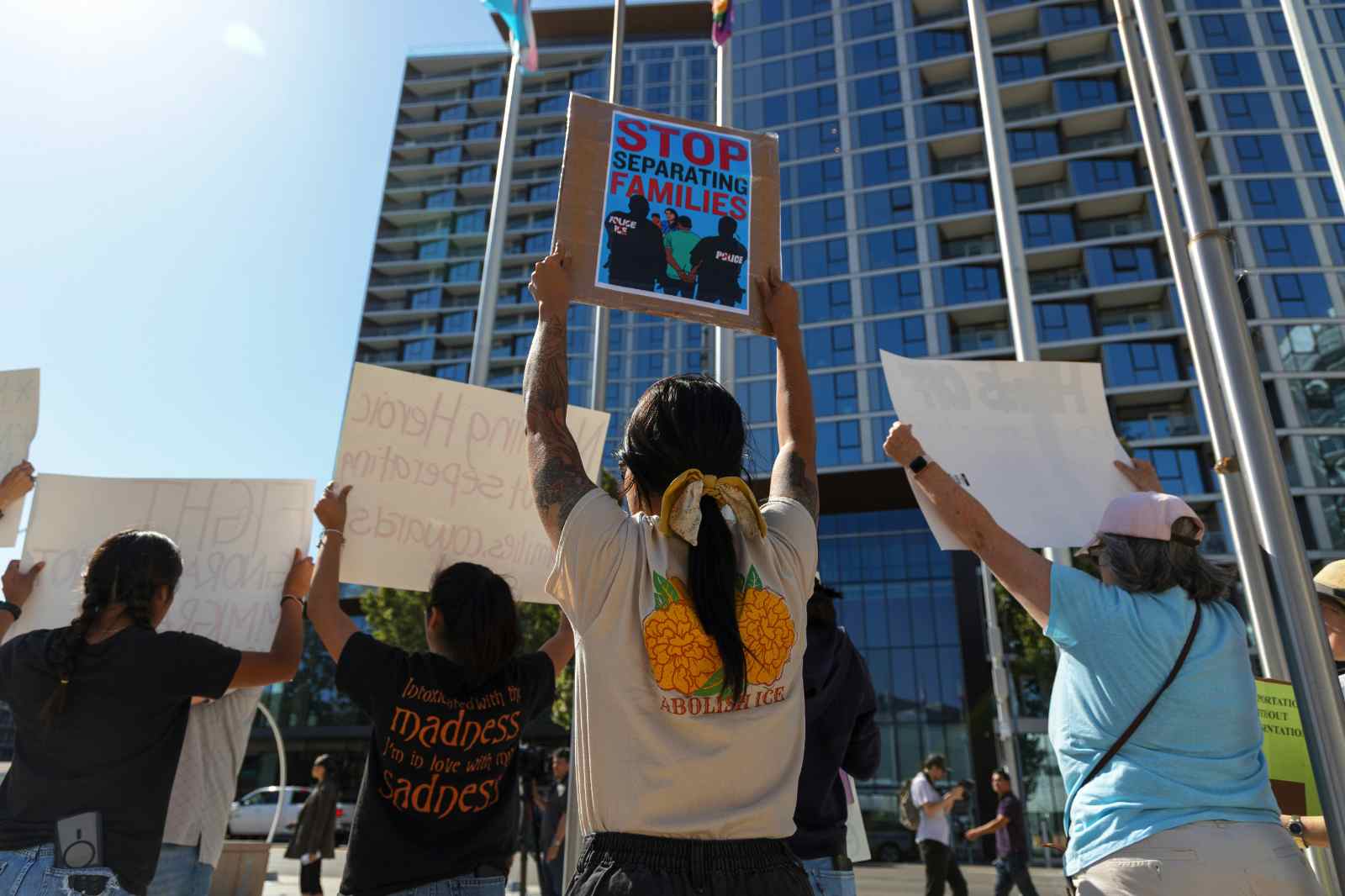
- Advocates urged airport leaders to halt ICE Air flights at Willow Run Airport citing civil rights concerns.
- Airport officials cited federal grant assurances and FAA rules as legal obstacles to restricting flight access.
- DHS simultaneously announced a self-deportation stipend program offering eligible individuals $2,600 to leave voluntarily.
(DETROIT, MICHIGAN) — Advocates pressed the Wayne County Airport Authority on January 21, 2026, to end ICE use of Willow Run Airport, citing detainee transfers and civil-rights concerns, while officials pointed to federal grant assurances and aviation realities that can limit any shutdown.
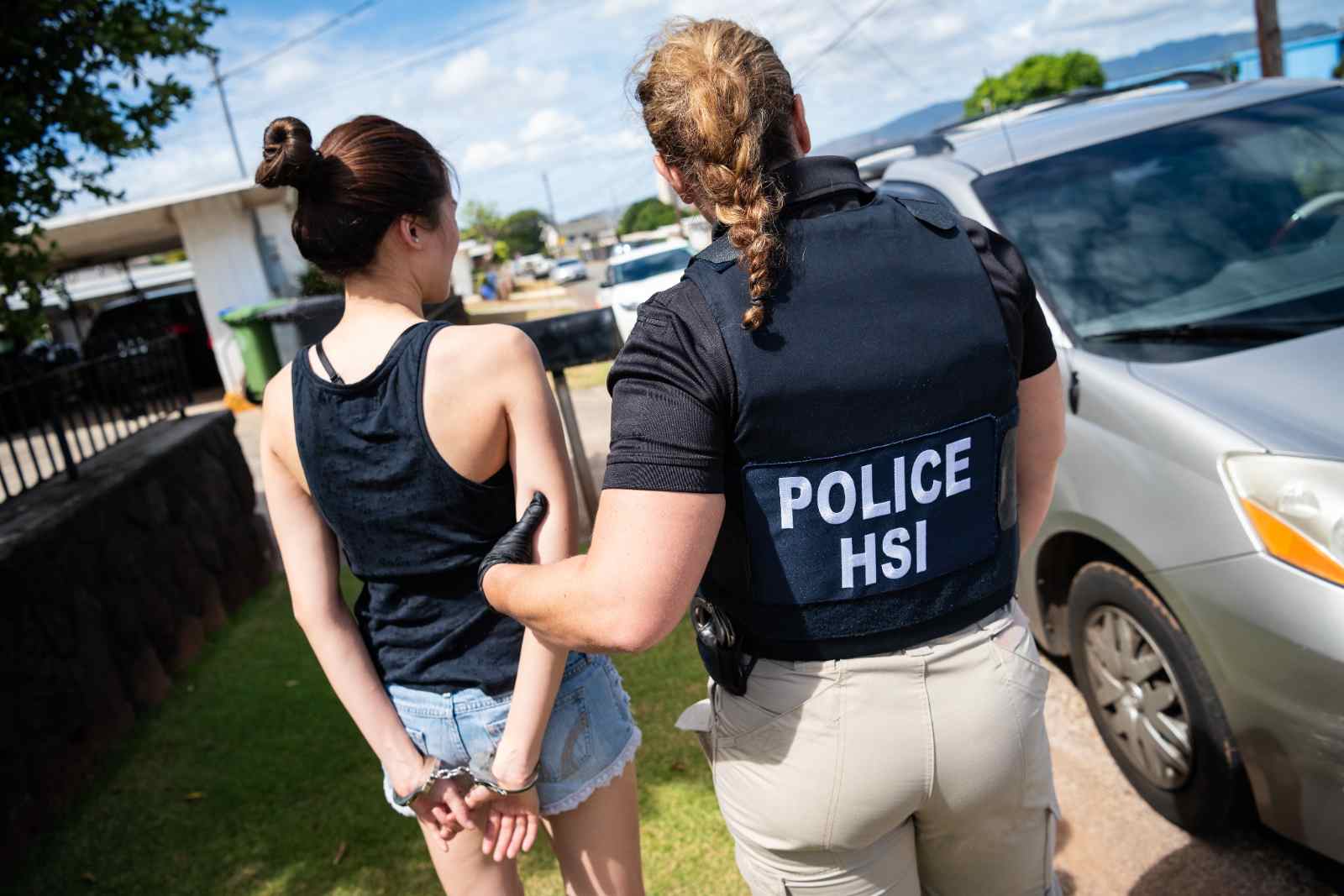
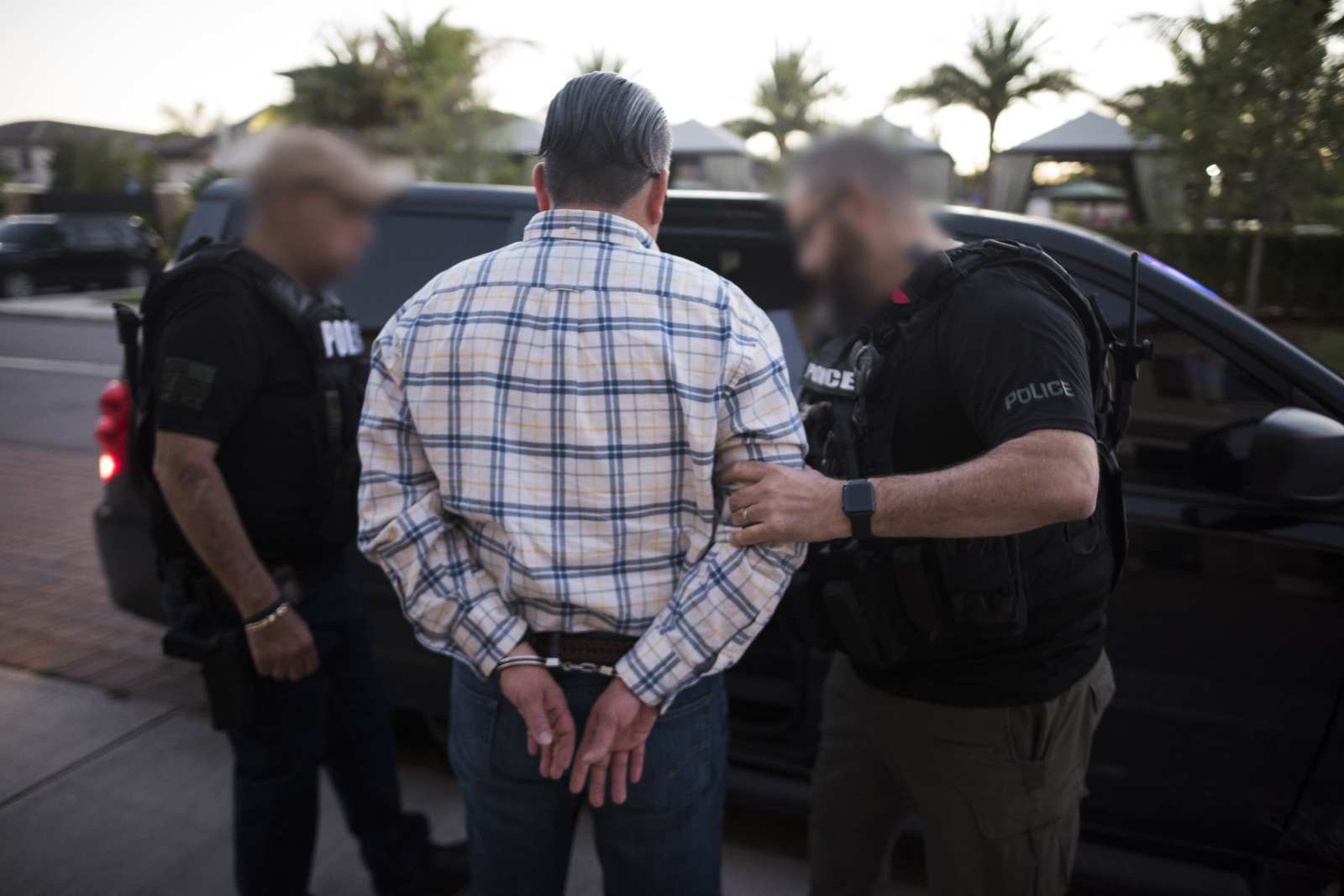
Speakers tied the issue to families in Detroit and nearby communities who say arrests and rapid transfers can separate parents from children and disrupt access to lawyers.
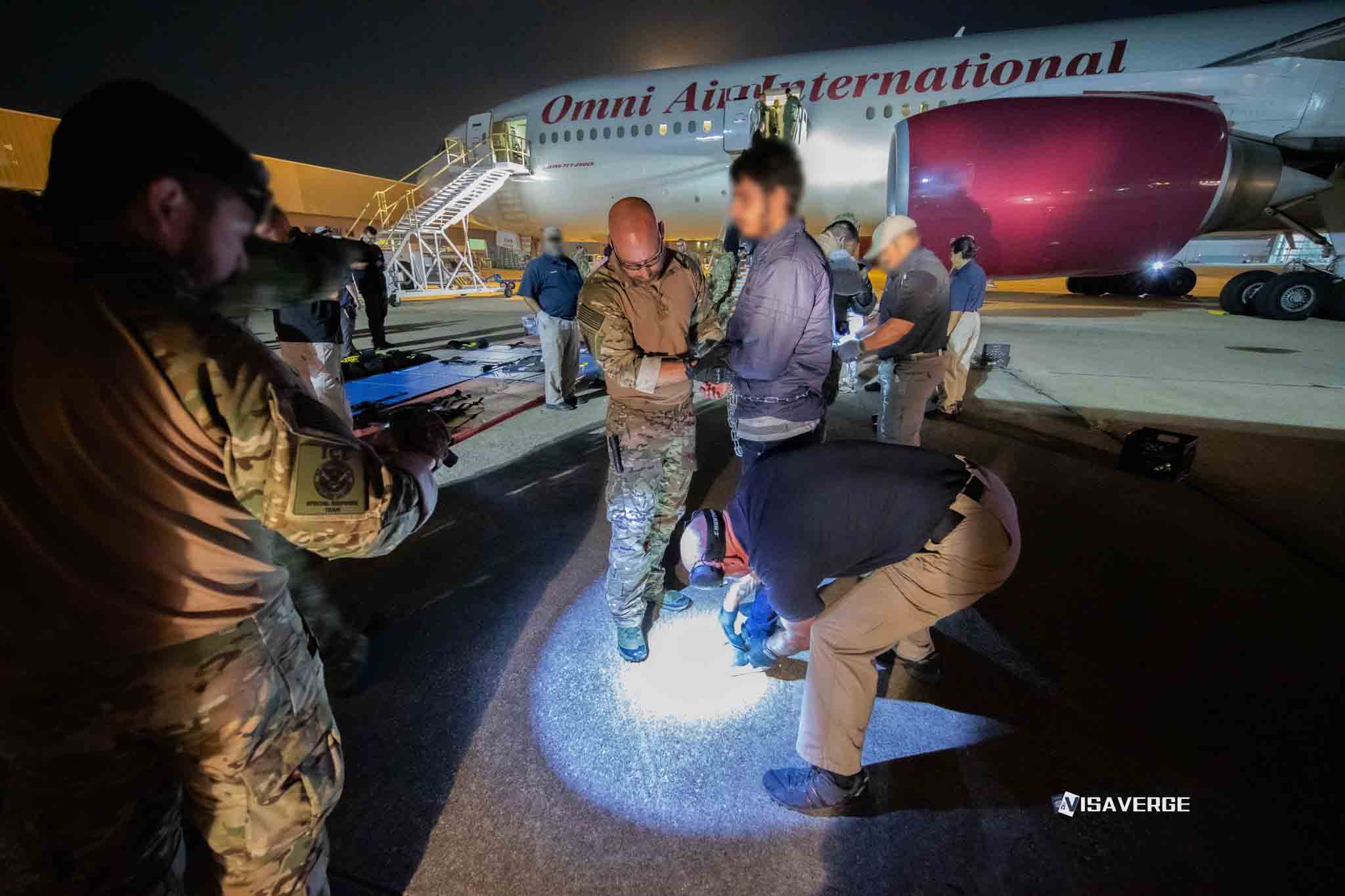
Members of the Detroit Committee to Stop ICE and other civil-rights groups urged the Wayne County Airport Authority (WCAA) board to halt ICE flights from Willow Run Airport (YIP) and to release more information about airport cooperation with federal enforcement.
Recent events and advocacy
Recent events have placed Willow Run at the center of local scrutiny. Advocates say ICE Air activity grew after May 2025, and they linked that increase to a broader enforcement push they describe as “Operation Metro Surge.”
Advocacy groups told board members they want concrete action, not general expressions of concern. Their requests included votes to end or restrict airport arrangements that support ICE Air charter operations, and a public accounting of what agreements exist and who approves them.
Advocates alleged the current cadence is approximately every other day, and that each flight can carry up to 200 detained individuals. They said detainees may be moved to detention centers in the Southern United States or transported onward for removal, depending on case status.
Some testimony focused on the speed of transfers. Advocates argued that moving detained individuals quickly through a charter pipeline can make it harder for families to locate them, deliver medications, or connect them with counsel.
Airport governance and legal constraints
WCAA operates the region’s major airports, and its board can set policies and approve contracts, but federally funded airports typically must follow FAA rules that limit discriminatory restrictions on aeronautical access.
A central question raised at the board meeting was whether WCAA can legally refuse ICE Air charter operations at Willow Run. Airports that accept FAA funding generally agree to “grant assurances” that require open access for aeronautical activity on reasonable terms and without unjust discrimination.
Those assurances can shape what an airport authority can do, even under intense public pressure. Limits may apply to efforts that single out a lawful operator or a federal user, including charter activity, though airports may still enforce safety, security, and operational rules that apply evenly.
Infrastructure money can raise the stakes. Willow Run received FAA support tied to a $63.4 million taxiway grant, and critics and airport officials alike have pointed to that type of funding as a reason airport leaders tread carefully before limiting access.
⚠️ Advocates allege ICE Air flights run about every other day and can carry up to 200 detained individuals per flight. WCAA had not announced any confirmed action or resolution halting ICE use of Willow Run as of January 21, 2026.
Federal statements and responses
Federal officials, meanwhile, have framed removals as a priority. DHS Secretary Kristi Noem said on January 20, 2026, the department is “delivering on President Trump’s mandate to make America safe again and carry out mass deportations,” and is “setting the stage for another historic, record-breaking year.”
DHS spokesperson Tricia McLaughlin addressed detention-care criticism in remarks dated January 13, 2026. “As bed space has expanded, we have maintained a higher standard of care than most prisons that hold U.S. citizens, including providing access to proper medical care,” McLaughlin said.
WCAA leadership has emphasized aviation operations, safety, and funding obligations when discussing airport infrastructure and planning. CEO Chad Newton said January 7, 2026, the airport authority was “grateful for the FAA’s ongoing support and investment in our infrastructure,” calling that funding “critical to enhancing safety and efficiency.”
Operational context and airport role
Willow Run’s aviation profile helps explain why it is part of this fight. The airport is widely viewed as a cargo/charter hub, and charter operations can be easier to schedule and secure away from passenger terminals.
Advocates have argued that this operational fit makes Willow Run attractive for ICE Air movements, while also reducing public visibility. Airport officials and aviation experts often counter that charter access is a normal part of airport operations, and that an airport’s role is to manage aeronautical activity safely and lawfully.
Operation Metro Surge has become a label used by advocates to describe stepped-up enforcement activity. In practical terms, they said, the push shows up in more arrests, more transfers, and a faster pipeline toward ICE Air movements.
Impacts on affected individuals
For affected individuals, the immediate impact is often logistical and legal. Transfers can interrupt attorney-client contact, delay the gathering of records and evidence, and complicate bonds or court filings when someone is moved far from family support.
Families also raised custody safety concerns. Advocates cited reports that 30 individuals died in ICE custody in 2025, and that early 2026 recorded four deaths in the first 10 days of January, urging people to verify figures and context through official reporting.
After a transfer, families commonly focus on locating the detained person through official ICE systems, confirming the person’s A-number and detention location, and notifying attorneys of the new facility.
Many also try to document medical needs in writing and request records, especially where chronic conditions or prescriptions are involved.
✅ If someone is considering the CBP Home app self-deportation option, eligibility may depend on case status and prior immigration history. Participation can affect future entries, pending asylum or relief claims, and reentry bars. People typically keep documentation such as proof of departure, itinerary receipts, and confirmations, and may consult a qualified immigration attorney or accredited representative before acting.
The dispute intensified the same day DHS announced a new self-deportation incentive. On January 21, 2026, DHS said eligible individuals who choose to depart through the CBP Home app may receive a $2,600 stipend and a free flight.
DHS has presented the offer as a voluntary option intended to increase departures without physical removal operations. Eligibility can be fact-specific, and participation may carry legal consequences depending on a person’s immigration history, pending applications, or prior orders.
Immigration attorneys often warn that choices made under time pressure can affect future admissibility. In many cases, issues may include asylum or other relief claims, existing removal orders, unlawful-presence calculations, and reentry bars, so individuals typically consider legal counsel before accepting any departure arrangement.
Practical steps for families and public records
After a transfer, families commonly try to locate detained persons through official ICE systems, confirm identifying numbers and detention locations, and notify attorneys of the new facility.
Official information and public records requests may matter as this dispute continues. Readers can check the USCIS Newsroom for immigration benefits updates (USCIS does not run detention), DHS press releases for program announcements, and ICE for ICE Air and detention reporting.
Key claimed figures and official constraints
| Item | Claim/Statement | Source/Date |
|---|---|---|
| ICE Air cadence at YIP | Approximately every other day | Advocates at WCAA meeting, January 21, 2026 |
| Claimed per-flight capacity | Up to 200 detained individuals | Advocates at WCAA meeting, January 21, 2026 |
| Reported operational increase | ICE Air activity increased in May 2025 | Advocates and public reporting cited by advocates |
| FAA funding example | $63.4 million taxiway grant cited in local debate | FAA funding context referenced by WCAA leadership and advocates |
| Enforcement goal framing | “Carry out mass deportations” | DHS Secretary Kristi Noem, January 20, 2026 |
| Detention-care claim | “Higher standard of care than most prisons” | DHS spokesperson Tricia McLaughlin, January 13, 2026 |
References and reporting notes
References:
- USCIS Newsroom
- DHS press releases
- ICE Air overview
- FAA grant assurance framework (legal text access)
This article involves immigration enforcement and may affect real individuals; information reflects official statements and advocacy claims as of the dates cited.
Readers are reminded that provisions and interpretations of grant assurances and enforcement policies can evolve; consult official sources for current guidance.