Key Takeaways
- The H-1B lottery for FY 2026 opened March 7, 2025, and closes March 24, 2025, under stricter policies.
- USCIS increased H-1B registration fees from $10 to $215 effective April 2024, reducing sponsorships by smaller employers.
- The H-1B Modernization Rule, effective January 17, 2025, revised specialty occupation definitions and tightened compliance standards.
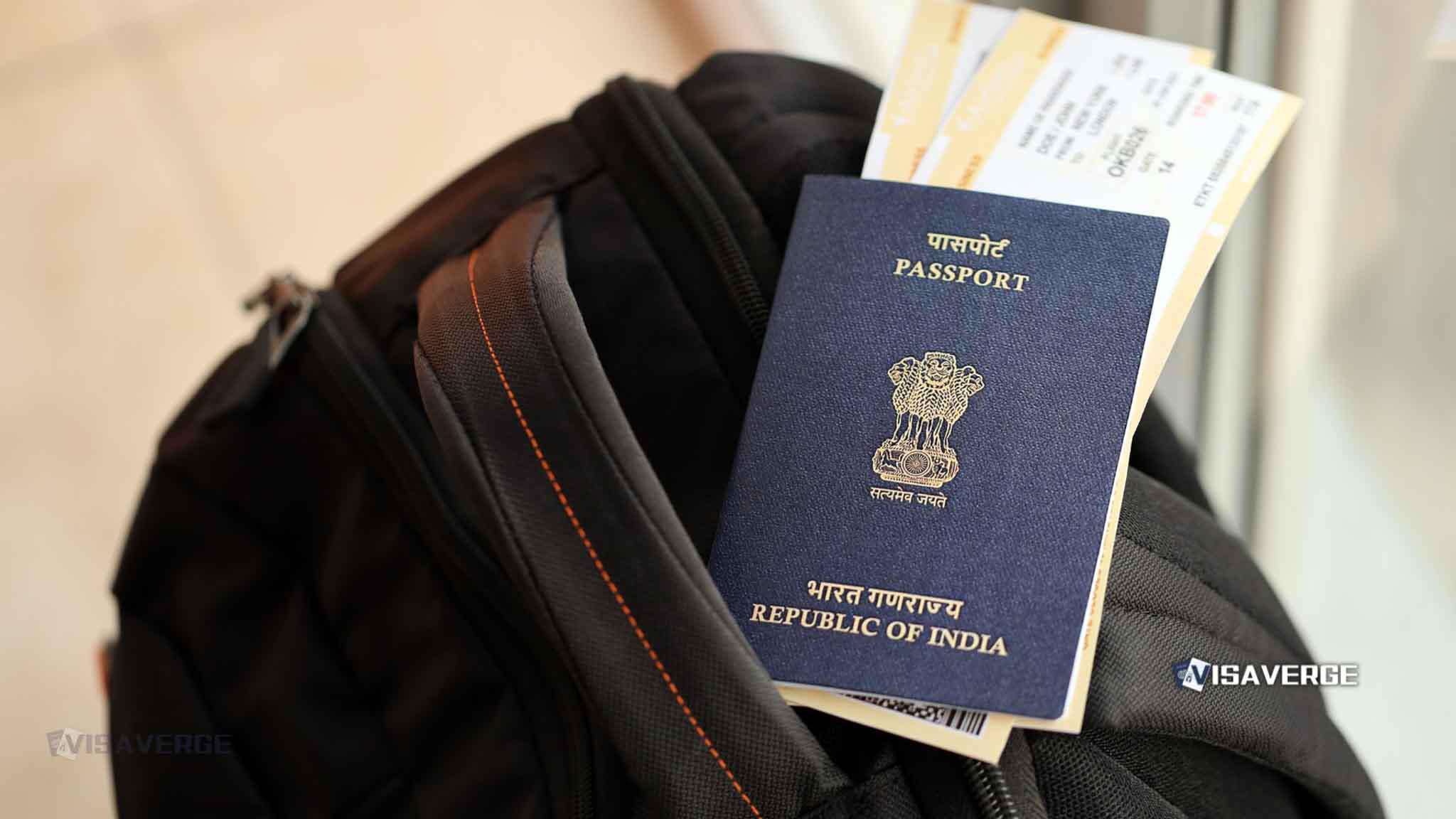
As of March 5, 2025, significant changes in hiring trends within the United States have left many Indian professionals unable to participate in the H-1B visa lottery. This shift comes as a result of evolving corporate practices, stricter visa requirements, and a rising focus on domestic hiring, all of which have altered the landscape for foreign workers pursuing opportunities in the U.S. workforce.
The H-1B visa program has long been a vital channel for Indian tech professionals aiming to work in the United States. Indian nationals consistently dominate the pool of H-1B applicants each year, reflecting their expertise in specialized fields such as information technology and engineering. However, recent legal and procedural updates, as well as corporate developments, have created barriers that are reshaping this established pathway.
Factors Shaping the New Reality for Indian Professionals
The H-1B lottery process for the fiscal year 2026 opened on March 7, 2025, and is scheduled to close on March 24, 2025. Nonetheless, many aspiring Indian professionals find themselves unable to join the lottery due to several interlinked factors, ranging from smaller sponsorship volumes to updated policies under the H-1B Modernization Rule.
Free toolH-1B Cost Calculator Online1. Drop in H-1B Sponsorships
A discernible trend among U.S. firms is the marked reduction in the number of H-1B sponsorships. Several reasons have contributed to this shift:
- Increased Registration Fees: Beginning April 2024, the U.S. Citizenship and Immigration Services (USCIS) raised the H-1B registration fee from $10 to $215 per submitted individual. This steep increase has led many employers to scale back on the number of candidates they sponsor, as reported by VisaVerge.com. For small- and mid-sized companies, the additional financial burden of sponsoring multiple candidates has resulted in more selective and limited sponsorships.
- Shift to Global Talent Models: Many companies have embraced remote work opportunities, allowing them to hire international talent without requiring H-1B sponsorship. This trend reduces the reliance on on-site foreign employees and subsequently limits visa applications.
-
National Priorities: Politically charged efforts to prioritize U.S. workers have led corporations to focus on domestic hiring. Consequently, there has been less emphasis on tapping into the external talent that H-1B sponsorship historically facilitated.
2. H-1B Modernization Rule
On January 17, 2025, the H-1B Modernization Rule introduced a stringent set of regulatory updates aimed at tightening oversight of the visa program. Some of the key changes include:
- Revised Specialty Occupation Definitions: These revised definitions have raised the bar for what qualifies as a specialty occupation. This makes it harder for certain job roles to fit into H-1B criteria. Consequently, some Indian professionals in borderline categories, such as general IT consultancy, find themselves ineligible.
-
Stricter Compliance Standards: Employers face heightened scrutiny when filing H-1B petitions, especially for third-party placements where an H-1B worker performs services at a client’s location. Indian IT consulting firms that traditionally sponsored a large share of H-1B petitions for such arrangements have faced setbacks due to these compliance restrictions.
The stricter regulations have had a chilling effect on U.S. employers, many of whom now avoid H-1B sponsorships to eliminate the risks and administrative burdens associated with this intensifying oversight.
3. Competitiveness of the Lottery System
Though the H-1B visa program offers 85,000 visas annually—65,000 under the regular cap and 20,000 reserved for individuals holding an advanced degree from a U.S.-accredited institution—the number of applications has continually exceeded these limits. Recent policy updates have contributed to making this landscape even more competitive:
- Single-Entry Policy: Under the beneficiary-centric selection method now employed, individuals may only be entered into the H-1B lottery once, even if multiple employers sponsor them. This reduces the overall chances for applicants as the previous process allowed greater representation for sought-after candidates.
-
Increased Focus on Candidate Credentials: Employers are pressured to place greater scrutiny on whether their candidates fully meet eligibility requirements. Consequently, some mid-level roles traditionally filled by Indian professionals are now excluded from sponsorship plans.
4. Rising Costs and Shifts in Hiring Practices
The financial aspect of sponsoring foreign workers has become an increasingly deterrent factor for U.S. employers. Beyond the increased registration fees, legal fees, compliance costs, and the possibility of audit penalties have dissuaded companies from relying on H-1B workers. Simultaneously, remote work models and offshoring have provided alternatives to traditional on-site hires. Many talented Indian professionals now work with American firms while living in India ??. This trend bypasses the need for time-intensive H-1B applications altogether.
Broader Implications of the Changes
1. Impact on Indian Professionals
The combined effect of reduced opportunities, increased costs, and shifting employer priorities has been especially hard on Indian nationals.
- Fewer Possibilities for Career Mobility: The declining number of sponsorships has reduced chances for Indian workers to secure U.S. roles, leaving many looking elsewhere for professional growth.
-
Exploration of Alternative Pathways: With doors closing for onsite H-1B roles, Indian professionals are increasingly focusing on remote positions, transitioning to other visa categories, or even moving to countries such as Canada ??, where immigration pathways like the Global Talent Stream provide more opportunities.
2. Challenges for Indian IT Companies
India’s leading IT service providers, historically some of the strongest sponsors of H-1B workers, are being forced to evolve. Transitioning their focus toward offshore service delivery or increasing local hiring within the United States have become necessary adaptations for these firms to sustain their U.S. operations under the evolving H-1B landscape.
3. Strain on U.S.-India Collaboration
Many describe the H-1B visa program as a bridge of mutual benefit between the U.S. and India. The reduction in Indian participation threatens to weaken this collaboration, potentially impacting knowledge-sharing and continuation of long-standing tech partnerships between the two countries.
New Features and Updates to Watch
In addition to the immediate challenges, several recent changes add to the evolving picture:
- New Online Tools: Early in 2025, USCIS launched a collaborative online tool to aid employers in preparing H-1B lottery registrations and petitions. This aims to streamline processes but increases transparency requirements for firms, potentially limiting misuse.
-
Cap-Gap Protections: F-1 students transitioning to H-1B status under the extended cap-gap rules can now remain eligible until April 1, 2026. This change protects students who are awaiting lottery decisions, allowing them to continue their employment without legal interruptions.
-
Potential Policy Proposals: Speculation about additional H-1B restrictions persists under the second Trump administration. However, no official announcements have been made as of early March 2025. Indian applicants and employers alike will need to monitor these developments.
Charting the Path Forward
The H-1B program, while still operational, has become markedly less accessible for Indian candidates. For individuals seeking to build their careers in the U.S., there is now a need for greater adaptability—whether by gaining advanced U.S. qualifications, exploring alternative visa pathways, or leveraging remote work options. Simultaneously, U.S. companies that have traditionally depended on Indian tech professionals face the need to reevaluate how they attract and retain global talent.
As the H-1B lottery for FY 2026 continues, the impacts of reduced sponsorships and stricter policies are drawing significant attention within both India and the global community. The long-term trajectory of Indian professionals in the United States remains uncertain, hinging on decisions yet to come from policymakers. For now, one thing is clear—the landscape of U.S. employment for foreign professionals is undergoing substantial transformation, with far-reaching implications for all involved.
For official updates on the H-1B visa process, you can visit the USCIS H-1B Cap Season page.
Learn Today
H-1B Visa → A U.S. visa allowing foreign professionals in specialized fields to work for a sponsoring employer temporarily.
Specialty Occupation → A job requiring advanced knowledge and a bachelor’s degree or higher in a specialized field, like IT or engineering.
H-1B Modernization Rule → Regulatory updates introduced in 2025 that tightened eligibility criteria and oversight for H-1B visa applications.
Cap-Gap Protection → Legal provision allowing certain students on F-1 visas to maintain work authorization while transitioning to H-1B status.
Sponsorship → The process where an employer files legal documents to support a foreign worker’s visa or immigration status.
This Article in a Nutshell
Stricter H-1B visa rules and rising costs have reshaped U.S. hiring trends, leaving many Indian professionals ineligible for the 2025 lottery. Companies now prioritize remote work and domestic talent, reducing sponsorships. Indian applicants are pivoting to alternatives like Canada or remote roles, signaling a major shift in global career pathways.
— By VisaVerge.com
Read more:
• Deported Indians Stranded in Costa Rica, Labeled ‘Terrorists,’ Told to Pay for Flights
• India’s Economic Divide: Why Most Indians Have Little to Spend
• Trump Defends Deporting 335 Indians, Calls Them ‘Cheaters and Liars’
• Canada’s New Rules Allow Study, Work Visa Cancellations, Impacting Many Indians
• 332 Indians Deported on 3 Flights: A Closer Look at the Growing Crisis