Navigating the world of work visas can often feel like trying to solve a complex puzzle. Each piece, or in this case, each type of visa, has its unique characteristics and purposes. Among the variety of work visas available to those aiming to work in the United States, the H-1B visa stands out for a number of reasons.
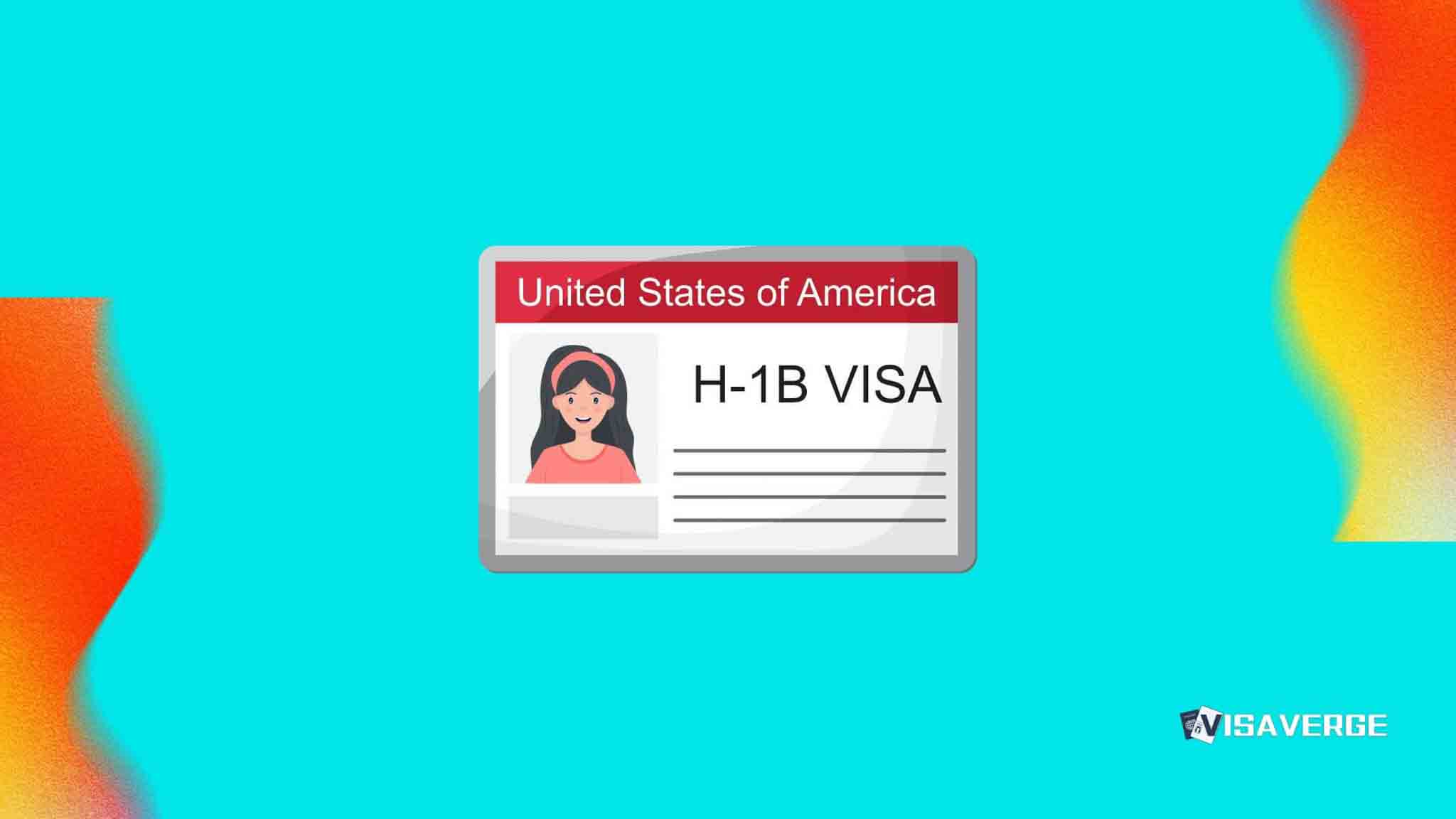
Understanding the H-1B Visa The H-1B visa is specifically designed for professionals with specialized knowledge and at least a bachelor’s degree or equivalent in their field of expertise. This program essentially allows US employers to recruit and employ foreign professionals in specialty occupations for a certain period.
This visa has a cap, meaning there is a limit to the number of these visas that are issued annually. As of now, the regular cap is 65,000, with an additional 20,000 visas for individuals who have obtained a master’s degree or higher from a U.S. institution.
Free toolH-1B Cost Calculator OnlineWhat Makes the H-1B Unique? One key feature setting the H-1B apart from other work visas is its dual intent nature. What this means is that holders of the H-1B visa can legally enter the U.S. with the intention of both working temporarily and seeking permanent residency (a Green Card).
Other work visas, like the L-1 visa used for internal company transfers or the O-1 visa for individuals with extraordinary ability or achievement, might not share the same dual intent attribute, potentially making it harder for holders of these visas to pursue paths to permanent residency.
| India | China | ROW | |
|---|---|---|---|
| EB-1 | Feb 01, 2023 ▲109d | Jul 01, 2023 | Current |
| EB-2 | Nov 01, 2013 | Oct 01, 2021 ▲30d | Jan 01, 2025 |
| EB-3 | Jan 01, 2014 | Jan 08, 2022 ▲7d | May 15, 2024 ▼109d |
| F-1 | Jan 22, 2020 | Jan 22, 2020 | Jan 22, 2020 |
| F-2A | Sep 22, 2026 ▲31d | Sep 22, 2026 ▲31d | Sep 22, 2026 ▲31d |
In addition, the H-1B visa is subject to an extensive lottery process due to the high demand and capped quantity. Once an employer decides to hire a foreign worker under the H-1B visa, they must prepare a petition and submit it to the United States Citizenship and Immigration Services (USCIS). Authorized petitions will then be entered into a random selection process due to the limited number of visas.
Key Steps and Prerequisites Acquiring the H-1B visa includes crucial steps and prerequisites:
- The job offered must be in a specialty occupation related to the applicant’s field of study.
- The employer must file a Labor Condition Application (LCA) with the Department of Labor.
- A visa petition must be submitted to USCIS after LCA certification.
- Only after the H-1B visa petition is approved can the candidate apply for a visa at a U.S. Embassy or Consulate.
- There are initial fees involved, paid by the employer, including the base filing fee, a fraud prevention and detection fee, and an additional American Competitiveness and Workforce Improvement Act of 1998 fee for certain applicants.

Unlike some other visas, the H-1B expressly requires the employer’s active participation at almost every stage, adding a layer of complexity to the application process.
The H-1B visa also includes time limitations. Typically, it is granted for an initial period of three years and can be extended for up to six years in total, with some exceptions allowing for a longer stay under certain circumstances.
Concluding Thoughts In a nutshell, the H-1B visa presents a unique gateway for skilled professionals aiming to work in the United States. Its distinct qualities, such as the dual intent provision, make it especially attractive for those seeking not just employment but also a potential path to permanent residency.
For further detailed information on the H-1B visa and other U.S. work visa categories, visiting United States Citizenship and Immigration Services or consulting with an immigration attorney can be very helpful. These resources can assist you in understanding the current landscape of immigration law and policy, ensuring you are well-informed when making decisions about working in the U.S.
So, there you have it! The H-1B visa, with all its quirks and perks, is certainly a compelling option for professionals looking to work in the United States. If you’re intrigued and want to delve deeper into the world of work visas, head over to visaverge.com for more juicy details and helpful insights. Trust me, you’ll be amazed at just how fascinating immigration law can be!
FAQ’s to know:
FAQ 1: What is the H-1B visa and who is eligible for it? The H-1B visa is a work visa designed for professionals with specialized knowledge and at least a bachelor’s degree or equivalent in their field. It allows US employers to recruit and employ foreign professionals in specialty occupations for a certain period. Eligible individuals must meet the educational requirement and have a job offer in a specialty occupation related to their field of study.
FAQ 2: What sets the H-1B visa apart from other work visas? The H-1B visa is unique because it has dual intent, meaning holders can enter the US with the intention of both working temporarily and seeking permanent residency, unlike some other work visas. This feature makes it an attractive option for those looking to pursue a potential path to permanent residency. Additionally, the H-1B visa is subject to an annual lottery due to the cap on the number of visas issued, making it a highly competitive and sought-after visa.
FAQ 3: What are the key steps and prerequisites for acquiring an H-1B visa? Acquiring an H-1B visa involves several important steps and prerequisites: 1. The job offered must be in a specialty occupation related to the applicant’s field of study. 2. The employer must file a Labor Condition Application (LCA) with the Department of Labor. 3. A visa petition must be submitted to the United States Citizenship and Immigration Services (USCIS) after LCA certification. 4. Once the H-1B visa petition is approved, the candidate can apply for a visa at a US Embassy or Consulate. 5. The employer is responsible for paying the initial fees, including the base filing fee, fraud prevention and detection fee, and the American Competitiveness and Workforce Improvement Act of 1998 fee for certain applicants.
It’s important to note that the employer’s active participation is required at every stage of the application process, and the H-1B visa has time limitations, typically granted for three years initially with the possibility of extension up to a total of six years.
What did you learn? Answer below to know:
- True/False: The H-1B visa is specifically designed for professionals with specialized knowledge and at least a bachelor’s degree or equivalent in their field of expertise.
- Multiple Choice: How many H-1B visas are issued annually as part of the regular cap? a) 20,000 b) 40,000 c) 65,000 d) 85,000
- Short Answer: What is the dual intent feature of the H-1B visa, and why is it significant?
Glossary or Definitions:
- Work visa: A visa that permits an individual to work legally in a foreign country for a specific period.
-
H-1B visa: A work visa designed for professionals with specialized knowledge and at least a bachelor’s degree or equivalent in their field of expertise. It allows US employers to recruit and employ foreign professionals in specialty occupations for a certain period.
-
Dual intent: A feature of the H-1B visa that allows holders to legally enter the US with the intention of both working temporarily and seeking permanent residency (Green Card).
-
Specialty occupation: A job that requires specialized knowledge and at least a bachelor’s degree or equivalent in a specific field of study.
-
Visa cap: A limit on the number of visas that are issued annually. The H-1B visa has a regular cap of 65,000, with an additional 20,000 visas for individuals with a master’s degree or higher from a US institution.
-
Labor Condition Application (LCA): A filing that employers must submit to the Department of Labor to attest that they will pay the H-1B worker the prevailing wage and provide working conditions similar to those of US workers.
-
United States Citizenship and Immigration Services (USCIS): The government agency responsible for processing immigration paperwork, including visa petitions and applications.
-
Visa petition: A formal request submitted by an employer to USCIS on behalf of a foreign worker to obtain an H-1B visa.
-
US Embassy or Consulate: The diplomatic mission of the US in a foreign country where individuals can apply for an H-1B visa.
-
Base filing fee: The basic fee required to file an H-1B visa petition.
-
Fraud prevention and detection fee: A fee paid as part of the H-1B visa application process to fund efforts to prevent and detect visa fraud.
-
American Competitiveness and Workforce Improvement Act of 1998 fee: A fee paid by certain H-1B visa applicants as mandated by the law to support programs that benefit US workers.
-
Extension: The process of prolonging the validity of an H-1B visa beyond its initial period of three years, allowing the holder to continue working in the US.
-
Green Card: A colloquial term for a US Permanent Resident Card, which grants individuals the right to live and work permanently in the US.
-
Immigration attorney: A legal professional who specializes in immigration law and provides guidance and assistance with visa applications, petitions, and other immigration-related matters.
Answer to “What did you learn?” section:
- True.
- c) 65,000.
- The dual intent feature of the H-1B visa allows holders to enter the US with the intention of both working temporarily and seeking permanent residency. This is significant because it provides a potential path to a Green Card, allowing individuals to work and live permanently in the US.
Learn Today: Key Terms Explained
Glossary or Definitions:
-
Work visa: A visa that permits an individual to work legally in a foreign country for a specific period.
-
H-1B visa: A work visa designed for professionals with specialized knowledge and at least a bachelor’s degree or equivalent in their field of expertise. It allows US employers to recruit and employ foreign professionals in specialty occupations for a certain period.
-
Dual intent: A feature of the H-1B visa that allows holders to legally enter the US with the intention of both working temporarily and seeking permanent residency (Green Card).
-
Specialty occupation: A job that requires specialized knowledge and at least a bachelor’s degree or equivalent in a specific field of study.
-
Visa cap: A limit on the number of visas that are issued annually. The H-1B visa has a regular cap of 65,000, with an additional 20,000 visas for individuals with a master’s degree or higher from a US institution.
-
Labor Condition Application (LCA): A filing that employers must submit to the Department of Labor to attest that they will pay the H-1B worker the prevailing wage and provide working conditions similar to those of US workers.
-
United States Citizenship and Immigration Services (USCIS): The government agency responsible for processing immigration paperwork, including visa petitions and applications.
-
Visa petition: A formal request submitted by an employer to USCIS on behalf of a foreign worker to obtain an H-1B visa.
-
US Embassy or Consulate: The diplomatic mission of the US in a foreign country where individuals can apply for an H-1B visa.
-
Base filing fee: The basic fee required to file an H-1B visa petition.
-
Fraud prevention and detection fee: A fee paid as part of the H-1B visa application process to fund efforts to prevent and detect visa fraud.
-
American Competitiveness and Workforce Improvement Act of 1998 fee: A fee paid by certain H-1B visa applicants as mandated by the law to support programs that benefit US workers.
-
Extension: The process of prolonging the validity of an H-1B visa beyond its initial period of three years, allowing the holder to continue working in the US.
-
Green Card: A colloquial term for a US Permanent Resident Card, which grants individuals the right to live and work permanently in the US.
-
Immigration attorney: A legal professional who specializes in immigration law and provides guidance and assistance with visa applications, petitions, and other immigration-related matters.