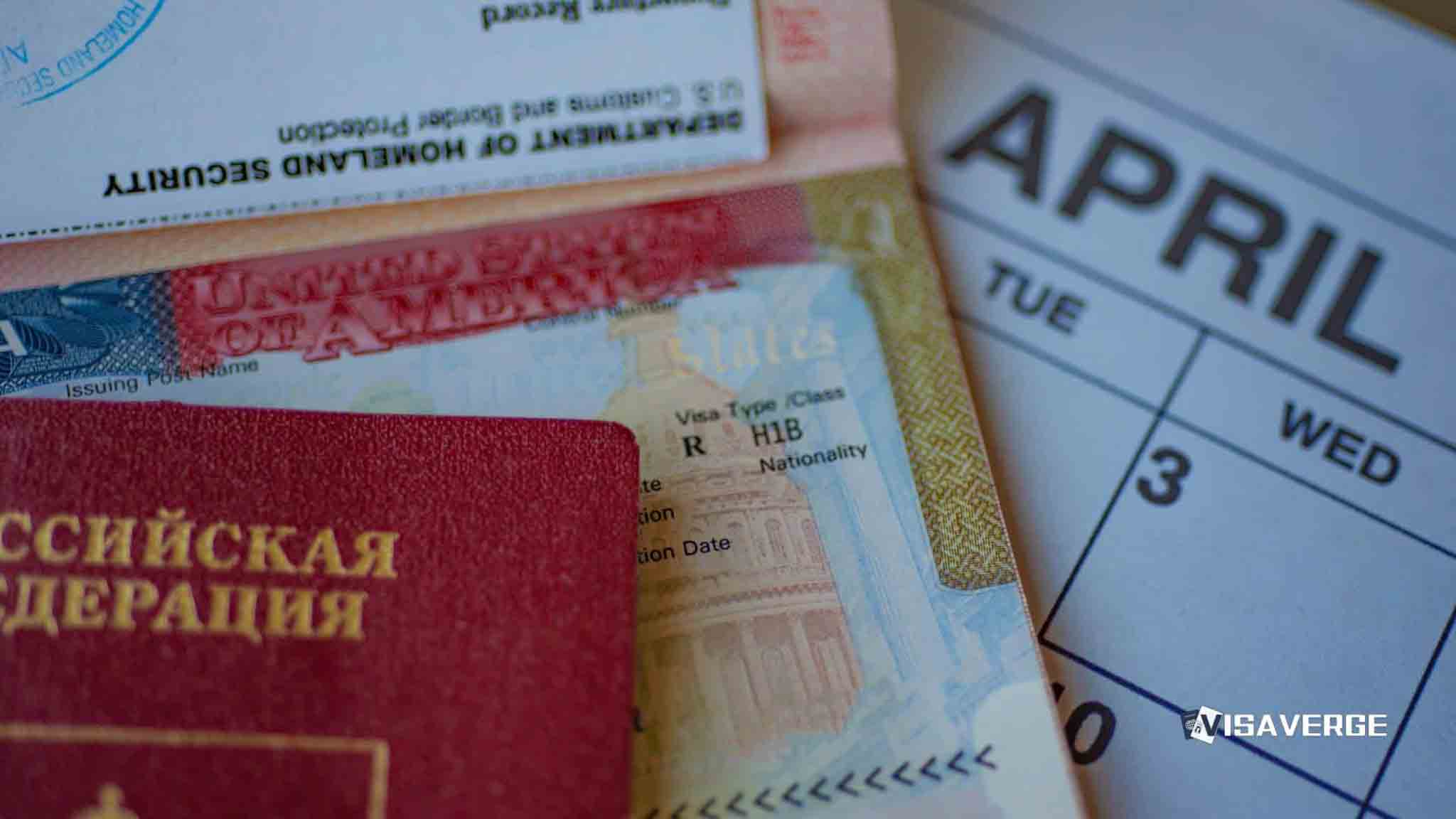
- USCIS is finalizing FY 2027 lottery selections by March 31, 2026, using the beneficiary-centric system.
- California remains the leader in H-1B sponsorship, accounting for over 21% of new approved hires.
- Selected employers must file full petitions between April 1 and June 30, 2026, for October starts.
(CALIFORNIA) — March 31, 2026 is the key date for the FY 2027 H-1B cap season, with USCIS expected to complete lottery selections by today after using its one-registration-per-beneficiary system.
For employers and foreign professionals, the next 90 days matter as much as the March registration window. Selected cases move to full petition filing. Unselected cases need backup plans fast.
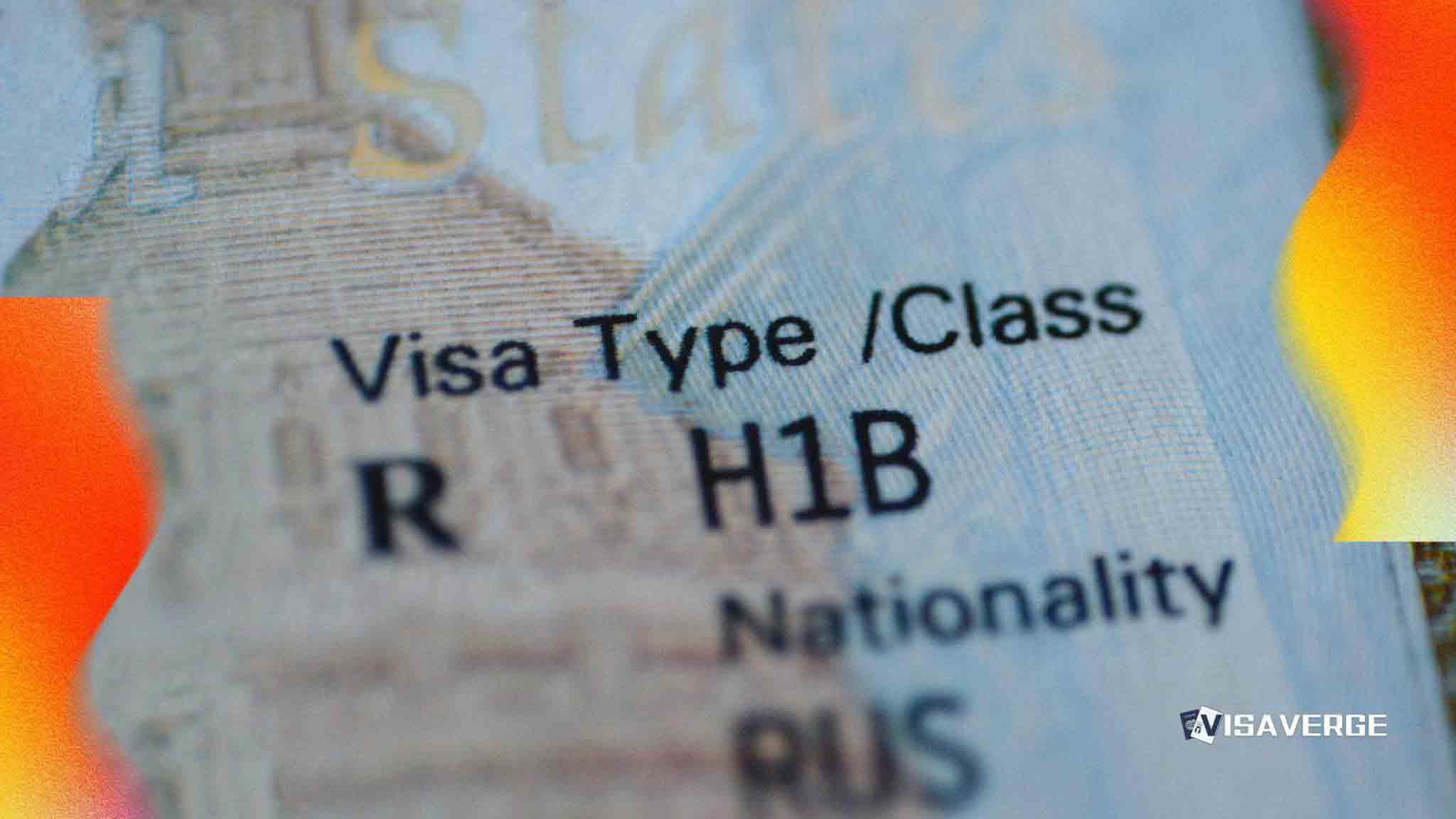
California remains central to the H-1B market. FY 2025 labor condition application data, which helps frame the 2026 picture, shows California led the nation with more than 21% of approved new H-1B hires. That share reflects the state’s heavy H-1B concentration in tech, finance, and related roles. It also reflects city-level demand in places like San Jose and Sunnyvale.
📅 Key Date: USCIS generally finishes FY 2027 H-1B lottery selections by March 31, 2026. Selected employers can then file cap-subject petitions from April 1 through June 30, 2026.
FY 2027 H-1B cap timeline
| FY 2027 Milestone | Date |
|---|---|
| Registration Opens | Early March 2026 |
| Registration Closes | Late March 2026 |
| Selection Notification | By March 31, 2026 |
| Filing Window Opens | April 1, 2026 |
| Filing Window Closes | June 30, 2026 |
| Earliest Employment Start | October 1, 2026 |
The annual cap remains 85,000 total. That includes 65,000 regular cap numbers and 20,000 U.S. master’s cap numbers.
The registration system is now beneficiary-centric. That means one person gets one lottery entry, even if several employers register that beneficiary. That rule reduces duplicate filings and changes employer strategy.
How FY 2027 compares with the prior year
| Fiscal Year | Total Registrations | Estimated Selections | Approximate Selection Rate |
|---|---|---|---|
| FY 2026 | 442,000 | 120,000 | 27% |
| FY 2027 | Pending USCIS release | Pending USCIS release | Pending USCIS release |
The beneficiary-centric model should continue to reduce inflated counts from duplicate employer registrations. Even so, demand remains far above the annual cap.
For employers, the lower duplicate count does not mean easier approvals. USCIS continues to examine specialty occupation, wage level, and job-to-degree fit. That is especially true for entry-level roles.
⚠️ Employer Alert: A lottery selection does not mean petition approval. USCIS still reviews specialty occupation evidence, degree relevance, wage level, and worksite details.
California leads the sponsorship map again
State-level FY 2026 totals are not final. Still, FY 2025 LCA patterns show where H-1B hiring remains concentrated.
California leads by overall volume. New Jersey and Virginia rank high by per capita use. Washington, New York, and Texas remain major filing states. Massachusetts, Georgia, Illinois, and Pennsylvania also stay active.
Here is the broad state picture based on FY 2025 LCA activity and long-term filing patterns:
| Rank | State | What stands out |
|---|---|---|
| 1 | California | More than 21% of approved new H-1B hires |
| 2 | New Jersey | Strong per capita concentration |
| 3 | Virginia | Heavy use near D.C. tech and finance hubs |
| 4 | Washington | Large tech demand, including Seattle employers |
| 5 | New York | Finance and fintech salaries remain high |
| 6 | Texas | Steady tech growth and large filing volume |
| 7 | Massachusetts | Consulting, biotech, and universities |
| 8 | Georgia | Atlanta remains a major filing city |
| 9 | Illinois | Chicago finance and consulting demand |
| 10 | Pennsylvania | Research and university-driven filings |
San Jose and the Bay Area remain the center of gravity
No state shows the scale of California. In the Bay Area alone, the numbers remain striking.
San Jose recorded 89,321 LCAs, with a reported maximum salary of $700,000. Sunnyvale recorded 71,517 LCAs, with a reported maximum salary of $410,000.
Those figures do not mean every case becomes an approved H-1B petition. LCAs and H-1B approvals are different steps. Still, they show where employers expect to hire and where salaries run high.
California’s dominance also affects wage strategy. Employers in San Jose, San Francisco, and nearby markets must match local prevailing wage data. A Level I filing in a high-cost market can still carry a high salary floor.
For both employers and workers, that point matters. USCIS has paid close attention to cases with Level I wages, broad duties, or weak links between the degree field and the role.
💼 Employee Tip: Ask for the job’s SOC code, wage level, and work location before filing. Then compare the offered pay with the prevailing wage at flcdatacenter.com.
Which jobs and employers dominate
H-1B sponsorship remains concentrated in technology, consulting, and finance. Those sectors account for more than 60% of filings. Reported average salaries range from about $110,000 to $225,000, depending on role and location.
A few examples from FY 2025 LCA activity show the pattern:
- Amazon filed heavily in California, Washington, and Virginia.
- Nvidia stood out in California, with AI and semiconductor demand driving filings.
- Cognizant, Infosys, TCS, HCL, and Capgemini remained active in consulting-heavy markets.
- Google, Microsoft, Intel, Meta, and Bytedance continued to cluster in California, Washington, and New York.
- Goldman Sachs and Citibank kept New York and New Jersey near the top.
- Universities remained important in Pennsylvania and Maryland.
Salary levels often track geography. California and Washington tend to post higher numbers than many inland markets. That does not remove wage compliance rules. Employers still must pay the higher of the prevailing wage or actual wage.
What happens next if selected
If selected, the employer can file the full H-1B petition during the April 1 to June 30, 2026 filing window.
A complete filing usually includes:
- Form I-129
- Certified LCA
- Proof the job is a specialty occupation
- Proof the beneficiary meets degree requirements
- Wage and worksite documentation
- Filing fees
| Fee | Amount | Required |
|---|---|---|
| Registration | $215 | Yes |
| I-129 Filing | $780 | Yes |
| ACWIA | $750-$1,500 | Yes |
| Fraud Prevention | $500 | Yes |
| Premium Processing | $2,805 | No |
Premium processing can shorten the decision timeline, but it does not fix a weak case. Employers should expect requests for evidence where the degree field is broad or the role looks general.
What if the case was not selected
Unselected beneficiaries should review other visa options immediately. Timing matters, especially for F-1 students nearing OPT or STEM OPT deadlines.
Common alternatives include:
- Cap-exempt H-1B with universities, nonprofit research groups, or affiliated entities
- O-1 for workers with sustained national or international recognition
- L-1 for intracompany transfers after qualifying foreign employment
- TN for eligible Canadian and Mexican professionals
- E-2 or E-3 where nationality and job criteria fit
- A later concurrent cap-exempt H-1B strategy in some cases
For some workers, a cap-exempt employer can be the cleanest path. For others, an O-1 or L-1 may fit better than waiting another year.
Looking ahead to FY 2028
If USCIS keeps the same calendar, the next registration season should open in March 2027 for FY 2028 employment starting October 1, 2027.
That gives employers several months to prepare. January and February are the best time to finalize job descriptions, wage review, degree requirements, and worksite plans.
Employees should use that same period to gather transcripts, evaluations, prior immigration records, and evidence tying their degree to the offered role.
⏰ Deadline: Employers should start FY 2028 case review by January 2027. Employees should confirm degree documents and work history before the March registration window.
Employers should now check USCIS accounts for selection notices, prepare LCAs, and file complete petitions before June 30, 2026. Employees should confirm their job title, SOC code, salary, worksite, and degree match before filing. Both sides should track USCIS updates through the FY 2027 cap season and start FY 2028 planning early, especially in high-demand markets like California and San Jose.
📋 Official Resources:
– H-1B Program: uscis.gov/h-1b-specialty-occupations
– Cap Season: uscis.gov/h-1b-cap-season
– Prevailing Wages: flcdatacenter.com