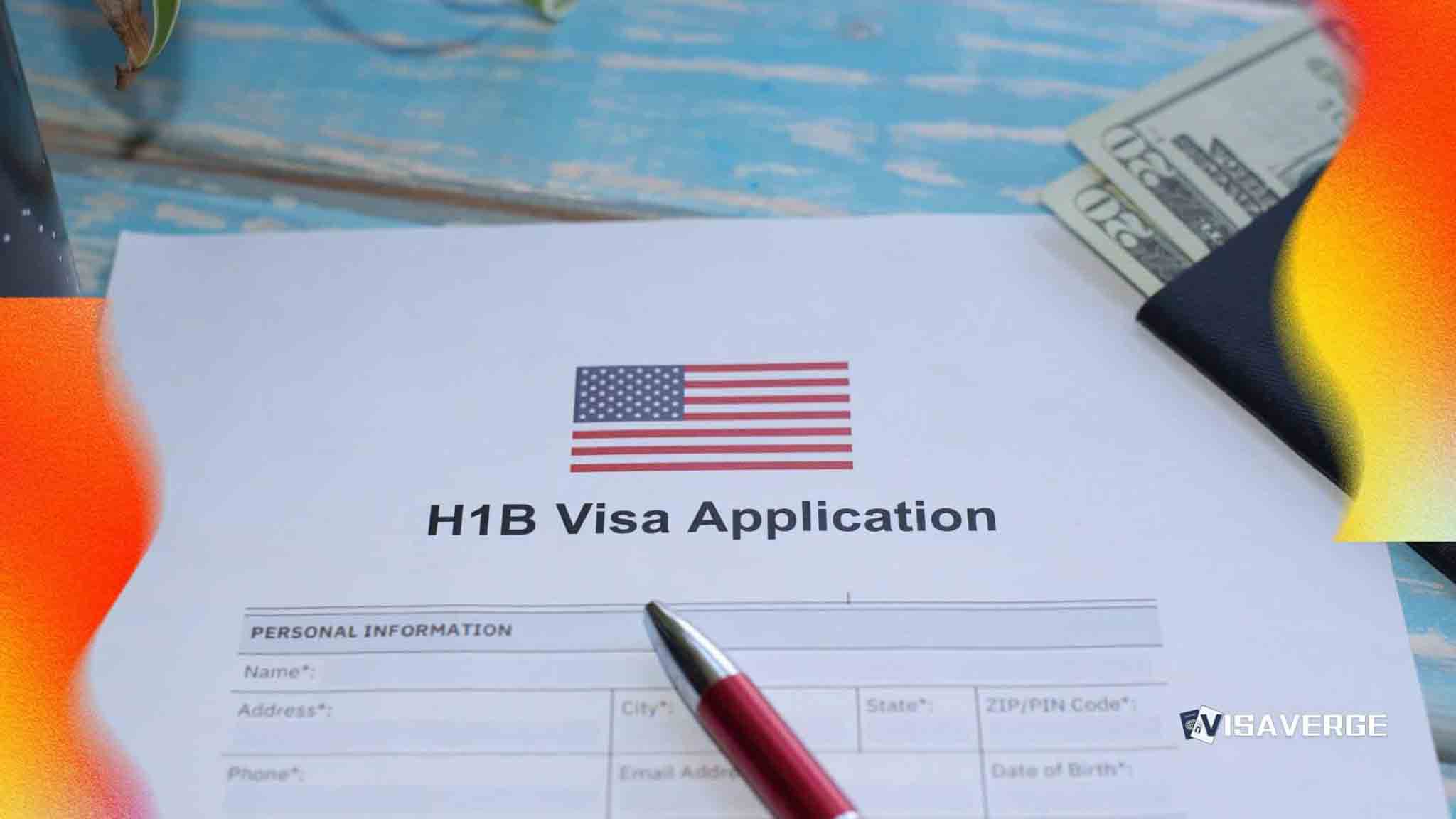
(INDIA) Thousands of Indian technology workers are facing months-long delays in returning to jobs in the United States 🇺🇸 as U.S. consulates across India cancel and push back H-1B and H-4 visa interviews to make room for a new online presence review policy that took effect on December 15, 2025, a move immigration lawyers warn will have a “devastating” effect on the U.S. economy.
The sudden H-1B visa appointment cancellations, which began in the second week of December, are hitting workers who had already left the United States 🇺🇸 for year-end travel or urgent family visits. Many now find their consular slots pushed to March 2026 or later, leaving employers scrambling to fill roles in critical projects.
What consulates are doing and why
Immigration attorneys in Mumbai, Bengaluru and Hyderabad report that consular sections have sharply reduced the number of daily interviews so officers can carry out the expanded social media vetting process.
Key aspects of the change:
– Consular officers must now spend more time checking applicants’ digital footprints.
– The review includes public posts on major platforms, past usernames and possible links to security concerns.
– Applicants are being required to make social media accounts public and be prepared to explain past posts, contacts and online activity before a visa can be issued.
The U.S. government says the move is needed to protect national security and curb abuses in the H-1B system. Previously, social media vetting applied in narrower cases; lawyers say it is now being built into most employment visa interviews in India, multiplying the time required per case.
Scale and timing of delays
- At some posts, mid- to late-December interview slots have been moved to March and April 2026.
- Others report queues stretching into July 2026.
- The cancellations and rescheduling began in the second week of December 2025.
Consequences:
– Many skilled workers are forced into prolonged leave in India or remote work for months while cases sit in limbo.
– Employers are left short-staffed on critical projects.
Impact on workers and employers
A senior immigration attorney described the situation as a “maze of pitfalls” for both workers and employers, noting that missed paychecks or forced unpaid leave abroad can trigger issues with payroll records, health insurance, and long-term green card plans that depend on steady U.S. employment.
Affected sectors include:
– Information technology
– Finance
– Engineering
– Health care
Operational impacts:
– Delays of three to seven months can cause postponed product launches, stalled client contracts and higher costs as companies hire consultants or shift work to teams outside the United States 🇺🇸.
– Some employers are permitting extended remote work from India, but attorneys warn this may raise tax and payroll questions in both countries and may not be feasible for roles requiring on-site access to secure systems, client facilities or research labs.
Financial and strategic pressures on U.S. firms
Lawyers say some U.S. firms are already discussing moving whole projects to India or Canada 🇨🇦 rather than waiting for key staff to secure visas. This option has become more attractive after a one-time $100,000 fee on many new H-1B petitions was introduced in September 2025, raising the overall cost of bringing a single worker to the United States 🇺🇸.
One attorney summarized the risk: the combination of appointment delays, extra screening and higher costs “will have a devastating effect on the U.S. economy by slowing the arrival of highly skilled talent just when companies need them most.”
National policy context
U.S. officials in Washington have tightened H-1B rules over recent years with stated goals of:
– Stopping large outsourcing companies from using the program to depress wages or replace American staff.
– Pushing employers to hire workers directly rather than through layers of staffing firms.
Critics argue the current mix of stricter review, higher fees and slow consular processing is hitting genuine specialists in STEM (science, technology, engineering and math) as hard as the firms the rules were meant to target.
Practical effects on individual workers
For workers stuck in India, the personal toll is serious:
– Leases, school placements for children and car loans in the United States 🇺🇸 are often tied to jobs they cannot physically perform.
– Some have used up annual leave and are now on unpaid status.
– Others fear a long absence could make them more likely targets in future layoffs.
Visa status specifics:
– Biometrics appointments in India are largely proceeding as planned.
– The main visa interviews — where consular officers decide whether to issue the re-entry stamp — are being pushed back, leaving many with approved petitions but no way to return.
Economic ripple effects and talent flows
According to U.S. Citizenship and Immigration Services’ description of the H-1B program on its website uscis.gov, the visa is meant for roles that require “highly specialized knowledge.” Many U.S. companies say delays in filling such positions ripple across entire teams.
Industry reporting:
– VisaVerge.com reports that even short staffing gaps in complex software, chip design or health-care systems can force firms to miss contract deadlines, pay penalties or cancel planned expansions in the United States 🇺🇸.
Longer-term talent implications:
– Attorneys warn that if months-long delays continue through 2026, more foreign graduates of U.S. universities may accept offers in other countries rather than risk being stranded outside the United States 🇺🇸 after a short trip home.
– Once work is shifted abroad, it can be difficult to justify moving it back.
Calls for adjustment and clarity
Business groups and immigration lawyers are urging the U.S. State Department to:
1. Adjust interview schedules to reduce harmful backlogs.
2. Increase staffing at consulates in India.
3. Clarify how the online presence review policy will be applied in practice.
They argue that security checks can be conducted without leaving vital jobs unfilled for half a year.
For now, uncertainty grows as workers, employers and policy makers grapple with the combined effects of appointment cancellations, expanded social media vetting and higher filing costs.
U.S. consulates in India cut daily visa interviews in December 2025 to implement expanded social media vetting, causing many H-1B and H-4 appointment cancellations and rescheduling into March–July 2026. Applicants must disclose public social accounts and explain past online activity, increasing processing time. Firms face staffing shortages, delayed projects and higher costs after a new $100,000 fee on many H-1B petitions. Lawyers and business groups call for clearer guidance, more staffing and schedule adjustments to limit economic disruption.