- The H-1B receipt number is a unique 13-character code used to track case status and updates.
- Notices typically arrive in two to four weeks, or within five days for premium processing.
- The code identifies the service center, filing year, and specific computer work day of submission.
The H-1B receipt number is the key that opens the rest of the case process. Once USCIS logs an H-1B petition, that 13-character code lets applicants, employers, and lawyers check status, follow progress, and spot requests for more evidence fast.
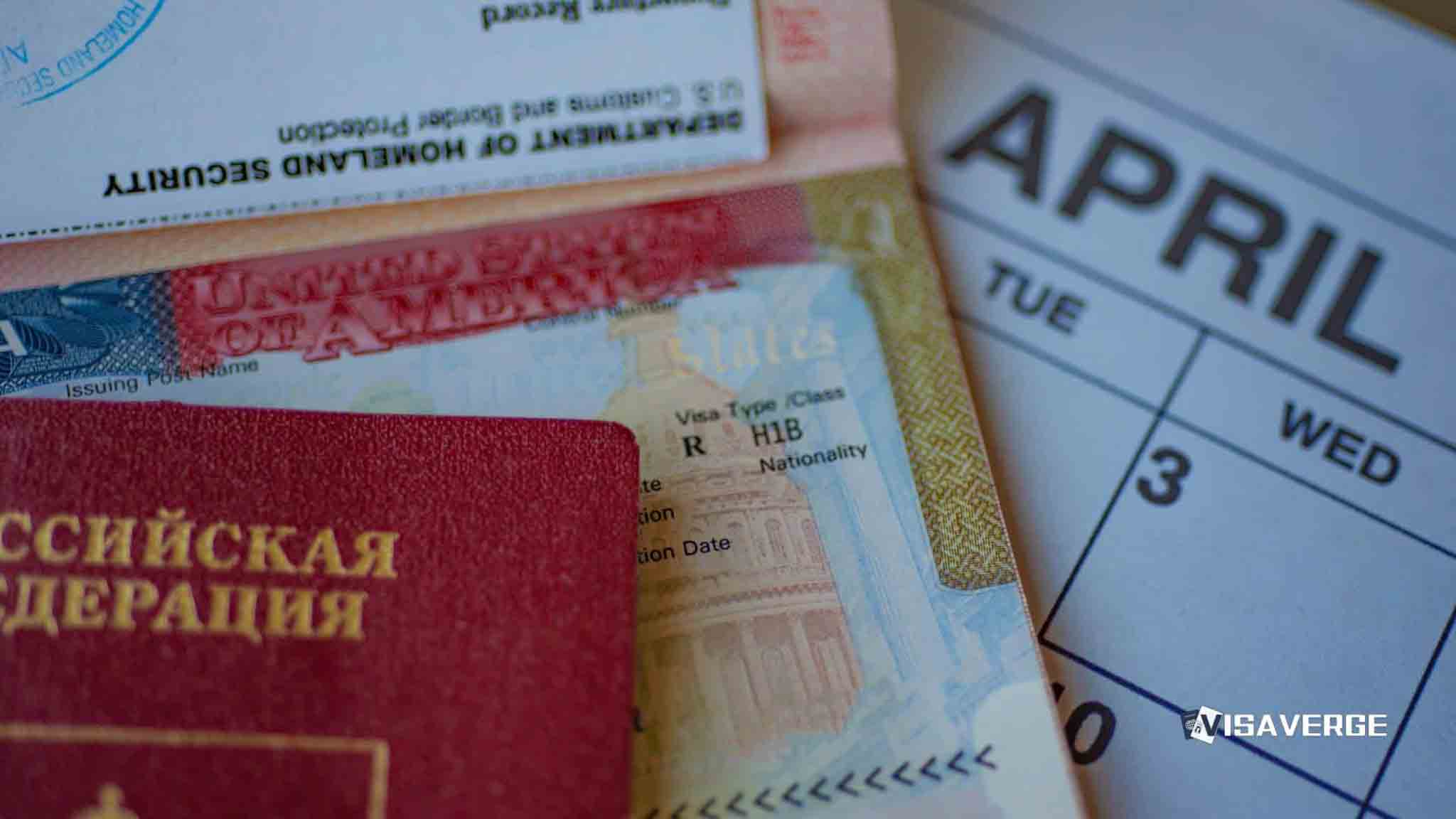
For most people, the receipt notice arrives two to four weeks after filing. With premium processing, USCIS aims to issue a notice and begin handling the case within 1 to 5 business days. That timing shapes every next step.
From filing to receipt notice
The process starts before USCIS ever assigns a number. An employer first files the Labor Condition Application with the Department of Labor, then submits Form I-129, the Petition for a Nonimmigrant Worker, to USCIS. The official form page is here.
Free toolH-1B Cost Calculator OnlineWhen USCIS accepts the packet, it sends Form I-797C, Notice of Action. That notice carries the H-1B receipt number at the top. Applicants often see it first by email or in an online account, then later by mail.
This stage is simple, but it matters. Without the receipt number, there is no direct way to check the case online or discuss it with USCIS. Employers should keep copies ready, and workers should save screenshots and emails.
How USCIS builds the number
The H-1B receipt number is not random. It has 13 characters and usually looks like EAC-24-128-50345. The first three letters show the service center or filing system. EAC means Vermont Service Center. WAC means California. LIN means Nebraska. SRC means Texas. IOE points to the electronic or scanned system.
The next two digits show the calendar year of filing. The next three digits reflect the computer working day of the USCIS fiscal year. The final five digits are the unique case number tied to that petition.
That structure helps people read more from the number than they first expect. It shows where the case entered the system, when it was logged, and which petition sits behind it.
What the number tells you during the case
Once the H-1B receipt number appears, the case enters the adjudication stage. USCIS reviews the petition, checks the job details, and may ask for more evidence if something needs clarification. Common online updates include Case Received, Request for Evidence, Case Approved, and Case Denied.
A receipt number also helps separate one filing from another. A new H-1B petition gets a new number. An old number does not carry over to a new employer or a new filing year. If a previous petition was denied, the same number still lets you check that record.
According to analysis by VisaVerge.com, the receipt number matters because it turns a paper filing into a trackable case. That is especially important when employers and workers are waiting through cap season, premium processing, or a long evidence review.
Tracking the case on USCIS
The easiest way to check status is the USCIS Case Status Online tool. Use the official USCIS case status page and enter the full receipt number without dashes. One wrong digit pulls the wrong case or no result at all.
The basic process is straightforward:
- Find the 13-digit number on Form I-797C.
- Go to the USCIS status page.
- Enter the number exactly as shown, without dashes.
- Click to check the status.
- Save or print the result for your records.
That online check is often the first sign of movement. It also gives families and employers a clear picture when mail is delayed.
If the number is missing or not working
Sometimes the receipt notice has not arrived yet. In that situation, the first call should go to the employer’s human resources or immigration team, or to the lawyer who filed the case. They may already have the number from the USCIS electronic notice.
If the receipt number does not work online, check the format first. Make sure all 13 characters are correct and that you are using the number from Form I-797C. A brand-new filing may also need a few business days before it appears in the system.
If the notice never shows up, call the USCIS Contact Center at 1-800-375-5283. The TTY line is 1-800-767-1833, and callers outside the U.S. can use 212-620-3418. Have the number ready when calling.
Receipt number and petition number mean the same thing
Many applicants get stuck on terminology. That confusion is common, but the rule is simple: H-1B receipt number, H-1B petition number, H-1B case number, and USCIS case number all point to the same identifier.
Different forms and websites use different labels. Visa stamping paperwork may ask for a petition number. USCIS online tools may ask for a receipt number. Employers may call it a case number. In every one of those settings, the same 13-character code from the receipt notice is the answer.
Where it fits in the H-1B timeline
The receipt number arrives after the employer files the petition and before USCIS finishes review. That makes it a marker between submission and decision.
The path usually looks like this:
- The employer secures the Labor Condition Application.
- The employer files Form I-129 with USCIS.
- USCIS issues the receipt notice with the H-1B receipt number.
- An officer reviews the H-1B petition.
- USCIS sends approval, denial, or an RFE.
That sequence helps applicants set expectations. A filed case is not the same as an approved case. The receipt number only proves USCIS received the petition and opened a record.
Premium processing and faster notice
Premium processing speeds up the early part of the process. USCIS aims to act within 1 to 5 business days after receiving the petition. That means the receipt notice usually arrives much faster, often through email or an online account first.
This faster pace matters for employers planning start dates and for workers waiting on travel or work decisions. Even then, the receipt number is still just the starting point. The case can move quickly into review, and it can still receive an RFE.
Old filings and repeated numbers
A prior H-1B receipt number cannot be reused for a new filing. Every petition gets its own number. That old record still has value, though. It can show whether a case was approved, denied, or left at an RFE stage.
That detail matters for workers changing employers or filing again after a denial. It also matters for attorneys keeping a clean paper trail across multiple H-1B petitions. A well-organized record can save time when USCIS asks for proof later.
What applicants and employers should keep ready
The safest practice is simple. Keep the receipt notice, the case number, and copies of the filed petition in one place. Save electronic notices. Print the Form I-797C. Share the number only with people who need it, such as the employer, the lawyer, or a trusted family member.
When a case moves slowly, the receipt number becomes the main anchor. It links the worker, the sponsor, and USCIS in one trackable file. That is why people in H-1B cases treat it like a vital document, not just a string of digits.
A clear record also helps when the case status changes suddenly. If USCIS asks for more evidence, the number connects the response to the right filing. If approval arrives, the same number confirms which petition was approved. If a denial appears, it identifies the exact filing without confusion.
For anyone watching an H-1B petition, the receipt number is the case’s public face. It is the first proof that USCIS has the file, and it remains the easiest way to follow the case until the final decision.