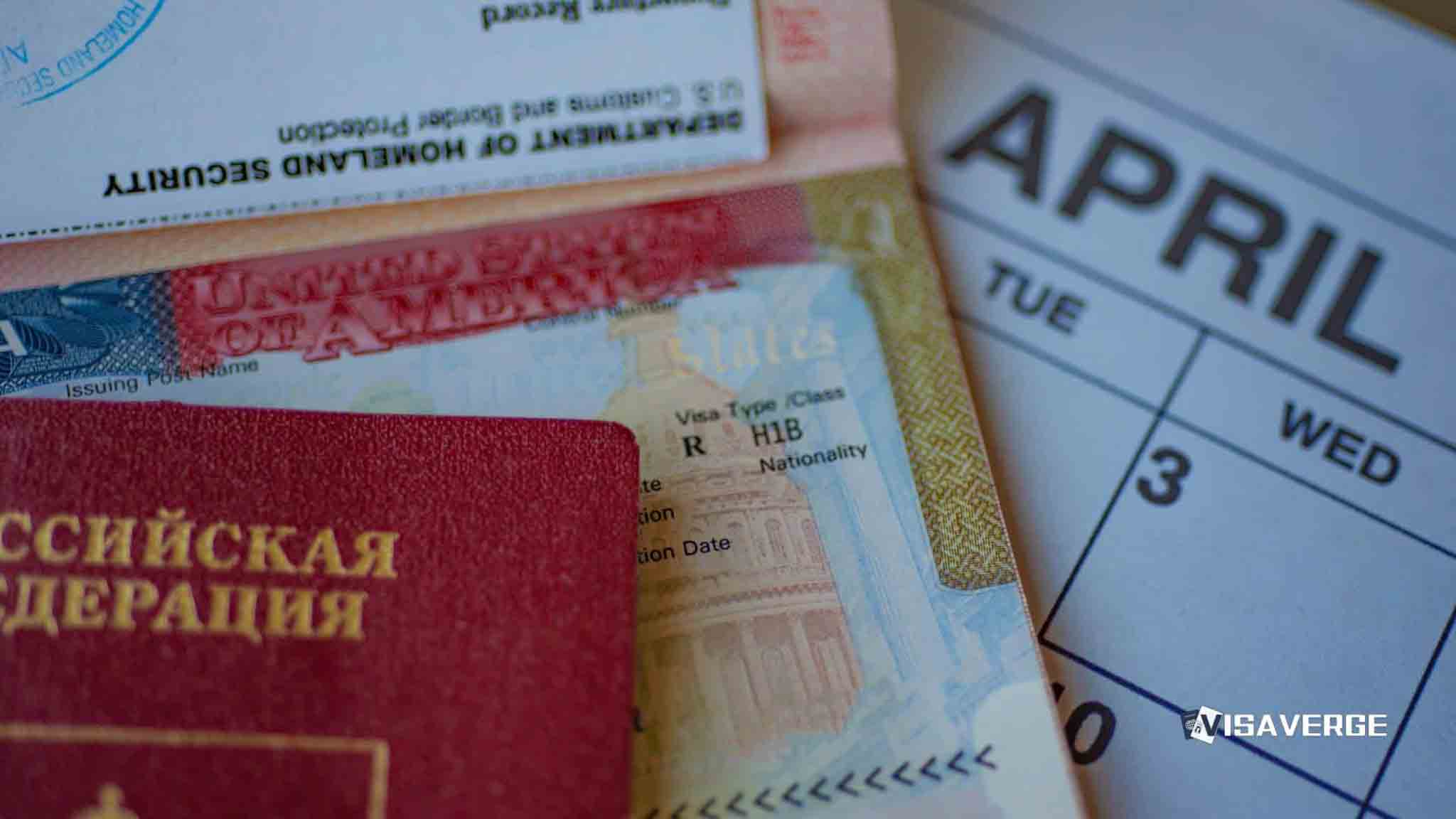
- The H-1B system transitioned to wage-based weighted selection in February 2026, replacing the random lottery.
- Tax residency depends on the Substantial Presence Test, determining if you file Form 1040 or 1040-NR.
- Employers face a $100,000 petition fee for certain new beneficiaries located outside the United States.
(U.S.) — H-1B holders face a pivotal year: a wage-weighted selection rule replacing the lottery, new employer costs, and tighter tax and compliance scrutiny that could influence visa renewals and green card pursuits.
For many workers, the first question is simple: what changes in 2026? The answer starts with taxes and status. Your filing status for the 2025 tax year may shape which tax form you file, what income the IRS can tax, and what records you should keep if USCIS later reviews an extension or renewal. Add in new H-1B visa rules from DHS and DOL, plus a higher premium processing fee, and the year gets more demanding fast.
1. Tax Residency Status and Filing Requirements
Tax residency does not always match immigration status. An H-1B visa holder may be a resident alien for tax purposes, a nonresident alien, or in some cases a dual-status filer.
The main test is the Substantial Presence Test. it measures how many days you were physically present in the United States. You generally meet it if you were in the country at least 31 days in 2025 and a total of 183 days across 2025, 2024, and 2023, using a weighted formula: all days in 2025, one-third of days in 2024, and one-sixth of days in 2023.
Most H-1B holders who have been in the United States long enough become resident aliens under that test. If that applies, they usually file Form 1040 and report worldwide income. First-year arrivals often land on the other side. They may be nonresident aliens, usually filing Form 1040-NR and generally reporting only U.S.-source income.
Arriving midyear can create a third category. A worker who spent part of 2025 outside the country may be a dual-status taxpayer, meaning nonresident for one part of the year and resident for the rest.
Filing status at a glance
| Status (Resident vs Nonresident) | Tax Form | Taxation Scope | Note on Dual-Status |
|---|---|---|---|
| Resident aliens | Form 1040 | Worldwide income | A midyear arrival may become resident for only part of the year |
| Nonresident aliens | Form 1040-NR | U.S.-source income | A first-year H-1B holder may begin as nonresident before later becoming resident |
| Dual-status filer | May involve Form 1040 and a dual-status statement, or Form 1040-NR with related filing treatment depending on facts | Split between nonresident and resident periods | Common when arrival occurs during the tax year |
Why does this matter? Because the form and income scope can affect tax liability, records, and later immigration review. A mismatch between status and filing may raise questions if USCIS asks for returns during an extension, amendment, or green card stage.
2. FICA Taxes: Social Security and Medicare
H-1B workers are generally subject to FICA taxes from day one. That is a big difference from some student visa categories.
Employers typically must withhold Social Security and Medicare as soon as H-1B employment starts. For 2025, Social Security tax applies up to the wage base of 176,100. Medicare has no wage cap. An extra 0.9% Medicare tax can apply to earnings above 200,000.
Think of FICA as the payroll side of your tax record. Income tax filing tells one story. Payroll withholding tells another. If those records do not line up, that gap may become a problem later.
USCIS may review W-2s, 1099s, and pay records when checking whether the worker was paid properly and whether the employer followed the wage terms in the petition. In many cases, FICA mistakes can be fixed, but they should not be ignored. For workers with green card plans, clean tax and payroll records may matter even more because H-1B is a dual-intent category.
3. Official Statements and Policy Changes for 2025–2026
Three government actions stand out.
First, DHS made the biggest structural change to cap selection in years. Effective February 27, 2026, the agency replaced the random lottery with a weighted selection system tied to wage levels. USCIS spokesman Matthew Tragesser said the random process had been exploited and that weighted selection would better match Congress’s goals by favoring higher-paid, higher-skilled positions.
Second, DOL announced a proposed increase to prevailing wage floors on March 26, 2026. Secretary Lori Chavez-DeRemer said the rule aims to make pay reflect real market value and address abuse by bad actors. If finalized, higher wage floors may affect petition costs, hiring strategy, and extension planning.
Third, a new 100,000 H-1B petition fee announced in September 2025 applies to certain new petitions for beneficiaries outside the United States. That is a direct cost issue for employers considering overseas hires.
| Topic | Effective/Announced | Key Details | Impact on H-1B Holders |
|---|---|---|---|
| Weighted selection rule | February 27, 2026 | DHS replaced random cap lottery with wage-based weighted selection | Higher wage levels may improve selection chances |
| Proposed prevailing wage floor increase | March 26, 2026 | DOL proposed higher wage floors for H-1B roles | Employers may face higher labor costs and tougher wage planning |
| New overseas petition fee | September 2025 | 100,000 fee for certain new H-1B petitions for beneficiaries outside the United States | May discourage some new overseas filings |
| Premium processing fee increase | March 1, 2026 | Fee rose to 2,965 | Faster review costs more for employers and, in some cases, workers |
⚠️ Warning: The new 100,000 petition fee applies to certain new filings for beneficiaries outside the U.S. It does not apply to renewals or in-country changes.
4. Impact on H-1B Holders
These changes do not sit in separate boxes. They connect.
A worker picked in the new weighted system may still face a harder review later if payroll records, tax returns, or wage evidence are weak. USCIS has been asking for W-2s, 1099s, and pay stubs during renewals to confirm that the job matched the petition and that the worker received the required wage.
Premium processing also now costs more. As of March 1, 2026, the fee is 2,965. That does not change eligibility, but it can change filing strategy for time-sensitive cases.
Green card planning is part of this story too. H-1B’s dual-intent feature means workers may pursue permanent residence while holding temporary status. That can make tax compliance more than an IRS issue. If a future filing includes prior tax returns, wage records, or employment history, errors may draw attention.
A simple example helps. If an H-1B holder files as a nonresident alien on Form 1040-NR after already meeting the Substantial Presence Test, that return may not match payroll records or later immigration filings. The issue may be fixable, but it can slow things down and increase review.
✅ Action: Prepare now for the 2026 filing season by gathering W-2s, 1099s, pay stubs, and prior-year tax documents. Confirm your 2025 residency status under the Substantial Presence Test so you can determine whether to file Form 1040 or Form 1040-NR.
5. Key Statistics for 2026
A few numbers frame the year.
The H-1B cap remains 65,000 in the regular cap and 20,000 for the advanced degree exemption. Those totals did not change.
What did change is selection math. Under the weighted rule, Level IV wage earners are estimated to have about 107% higher selection odds than Level I wage earners. In other words, pay level now matters more at the front end.
Tax deadlines remain familiar. The filing deadline for the 2025 tax year is April 15, 2026. In many cases, an extension can push the filing deadline to October 15, 2026, though any tax due may still need to be paid by the April deadline.
6. Official Government Sources
Readers who want the primary materials should start with these agencies and publications:
- IRS Publication 519, U.S. Tax Guide for Aliens: IRS Publication 519
- USCIS Newsroom for H-1B announcements and agency statements: USCIS Newsroom
- DOL labor certification and wage resources: Foreign Labor Certification
- IRS main site for filing forms and instructions: IRS
For H-1B holders, the message is direct: check your 2025 tax residency, match your filing to that status, and keep wage and payroll records ready before April 15, 2026. The new rule set rewards stronger wage cases at selection, but renewals and green card steps may still turn on basic proof that your taxes, pay, and petition all tell the same story.
This article provides information based on official sources and is not legal advice.
Tax and immigration situations are individual; readers should consult qualified professionals for personalized guidance.