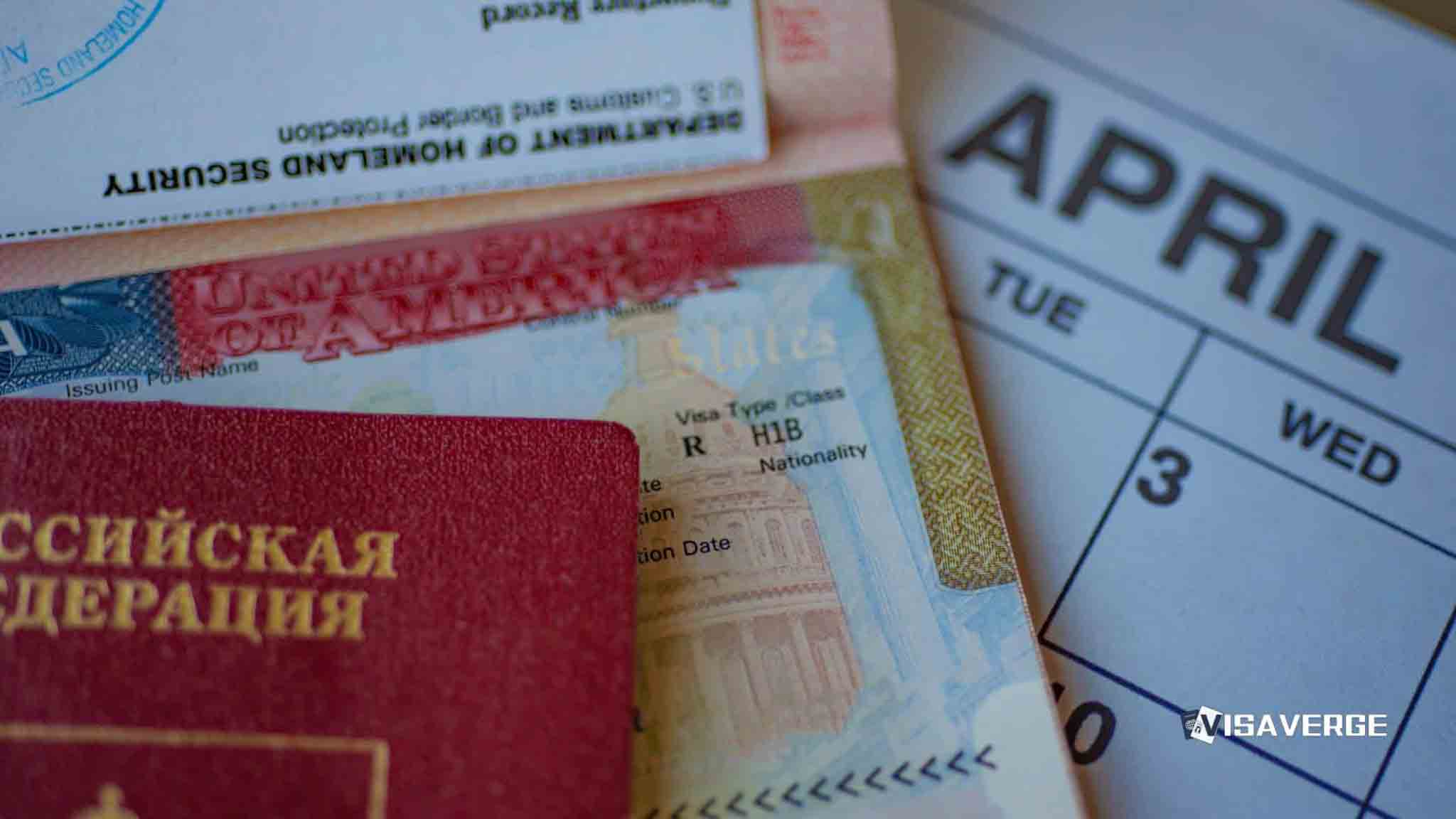
- The H-1B program has replaced random lotteries with a wage-based selection system prioritizing higher-paid specialty roles.
- Total filing expenses have increased by 20% to 50% due to new integrity and asylum fees.
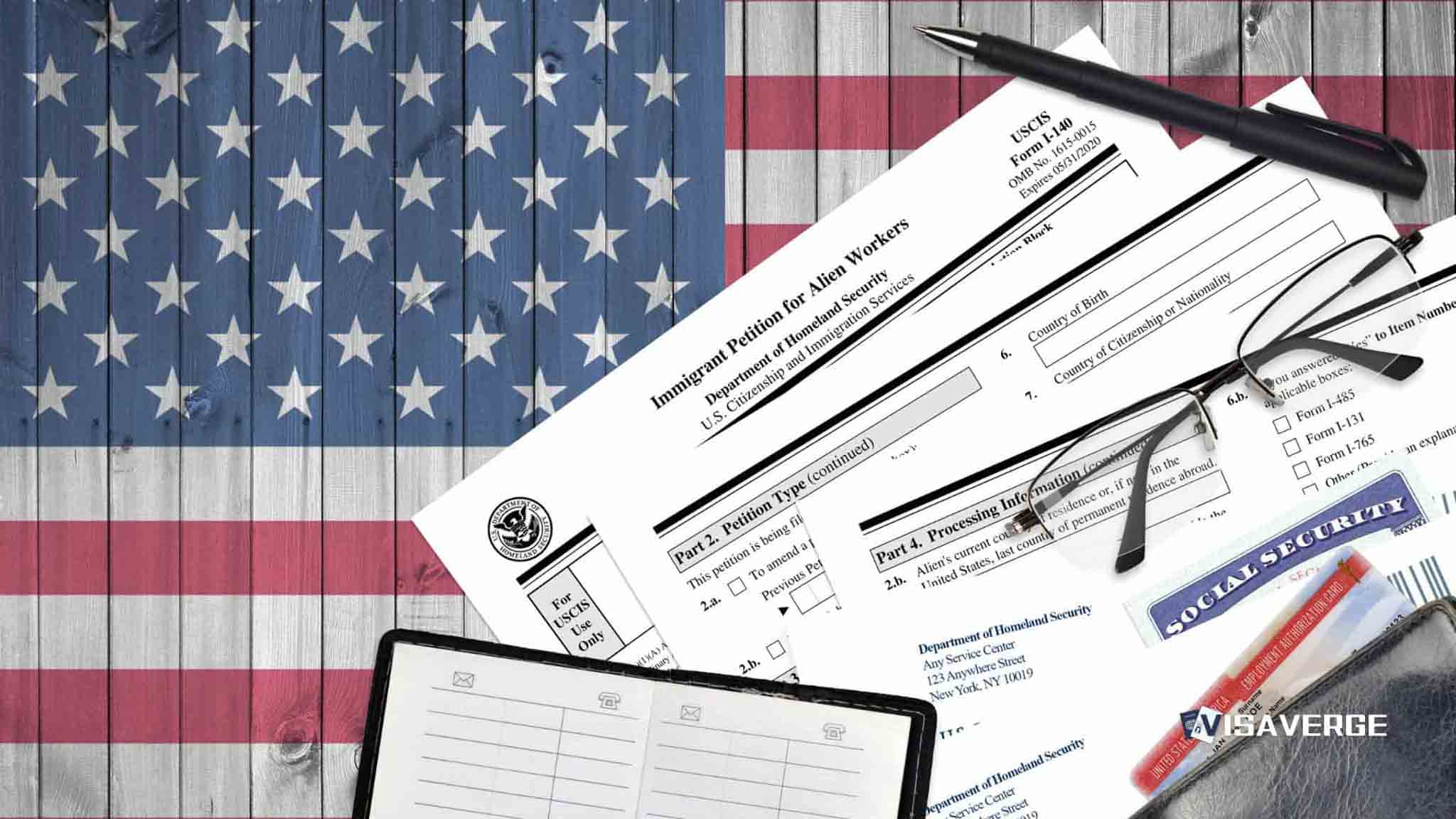
- Strict digital filing through the myUSCIS portal is now the mandatory standard for all petitions.
(UNITED STATES) The H-1B visa program in 2026 is faster in some ways, stricter in others, and much more expensive for many employers. USCIS now relies on online filing, wage-based selection, heavier fraud checks, and new fees that reshape how companies hire skilled foreign workers.
Digital Filing Now Drives the H-1B Process
USCIS continues to use the electronic registration system introduced in 2024. Employers register each beneficiary online during the annual filing window, usually in early March for the fiscal year that begins on October 1. Company users and attorneys work together through the myUSCIS portal, which now sits at the center of H-1B filing.
Online filing is now standard for Form I-129, the Petition for a Nonimmigrant Worker, and Form I-907, the Request for Premium Processing. That shift has cut paper delays and made selected petitions move faster once they are filed. USCIS also continues to post H-1B registration guidance on its official H-1B electronic registration page.
For FY 2026, USCIS received more than 400,000 registrations against the annual cap of 85,000 visas. That cap includes 65,000 general slots and 20,000 for advanced degree holders. Selected petitions must be filed within 90 days. If employers miss that window, the slot returns to the pool.
Wage-Based Selection Has Replaced the Old Lottery
The random lottery is gone. A wage-based system now ranks eligible registrations by the prevailing wage for the offered job. USCIS selects first from Wage Level IV, then moves downward. The change favors higher-paid jobs and reduces abuse tied to low-wage entries.
| India | China | ROW | |
|---|---|---|---|
| EB-1 | Feb 01, 2023 | Aug 01, 2023 ▲31d | Current |
| EB-2 | Nov 01, 2013 | Oct 01, 2021 | Apr 01, 2025 ▲90d |
| EB-3 | Jan 22, 2014 ▲21d | Jan 22, 2022 ▲14d | Jun 15, 2024 ▲31d |
| F-1 | Jan 22, 2021 ▲366d | Jan 22, 2021 ▲366d | Jan 22, 2021 ▲366d |
| F-2A | Oct 22, 2026 ▲30d | Oct 22, 2026 ▲30d | Oct 22, 2026 ▲30d |
For FY 2027 registrations, opened in March 2026, USCIS announced selections by mid-April. Multiple registrations for the same beneficiary are barred, extending the one-entry-per-person rule that took effect in 2024. That rule targets fraud by related entities and shell companies.
The new system puts entry-level jobs at a disadvantage. Wage Level I roles face steeper odds than higher-paid positions. Employers in technology and other STEM fields have already started raising salary offers to improve the chance of selection. The Department of Labor has also proposed wage increases of up to 33% for some tiers.
According to analysis by VisaVerge.com, the wage-based model is one of the biggest structural shifts in the H-1B visa program in years because it changes both who gets selected and how companies price talent.
Fees Rose Sharply in 2026
H-1B filing costs are now far higher than they were a few years ago. The base filing fee for Form I-129 is $780. Premium processing costs $2,805 and promises a 15-day response window.
New and continuing charges now include:
- $250 Visa Integrity Fee for most nonimmigrant visas, including H-1B
- $100,000 fee for new offshore petitions for workers outside the United States
- $4,000 fee under Public Law 114-113 for certain large employers
- $450 Asylum Program Fee for covered filings
- $1,500 to $4,000 ACWIA fee, depending on employer size
These costs push total expenses up by 20% to 50% for many employers. Small businesses may qualify for limited exemptions or waivers, but large firms absorb most of the added burden. Some employers are now weighing cap-exempt options or domestic hiring instead.
Specialty Occupation Proof Faces Much Tighter Review
Employers still must prove that the job is a specialty occupation. That means the role needs at least a bachelor’s degree, or the equivalent, in a directly related field. USCIS looks for clear evidence, including job duties, employer letters, and wage data.
Fraud prevention is stricter too. USCIS can conduct unannounced site visits, and non-compliance can lead to denial or revocation. Related-entity rules also block multiple registrations for the same worker through affiliates.
Social media screening has widened. H-1B and H-4 applicants must disclose accounts used during the past five years. Those profiles must stay public during processing. The rule takes effect on March 30, 2026, and nondisclosure can slow or sink a case.
USCIS also launched a Vetting Center in December 2025. It centralizes screening for fraud, criminal history, and security risks. Trump-era enforcement tools have remained in place and, in several areas, grown tougher.
Cap-Exempt Employers Still Have Room to Hire
Some employers remain outside the 85,000 annual cap. Universities and affiliated nonprofits, nonprofit research groups, and government research entities can still file cap-exempt H-1B visa petitions.
F-1 students who are selected for H-1B keep cap-gap protection. That lets them remain in work authorization status until October 1, if the petition is selected and filed on time. For many students finishing OPT, that bridge remains one of the most important parts of the system.
Stateside renewals also continue through the pilot program, which reduces the need for visa stamping travel. That matters for workers who want to avoid consular delays or travel risks.
Travel Scrutiny Has Become Harder to Predict
A Presidential Proclamation issued on December 16, 2025, took effect on January 1, 2026, and expanded travel scrutiny. Officials now look at country of birth, dual nationality, and travel history, not just the passport a person carries.
A separate pause on immigrant visas from 75 high-risk countries adds pressure to long-term green card plans. It does not stop all H-1B work, but it does complicate the path from temporary status to permanent residence for some workers.
Employers have become more cautious about travel during pending filings, especially when a worker needs a new visa stamp or plans to adjust status later.
Labor Market Pressure Shapes the Policy Debate
The Department of Labor’s 2026 wage proposal raises prevailing wages across tiers, with entry-level pay up 33%. Officials say the goal is to protect U.S. workers and stop the H-1B visa from being used to undercut wages. Supporters of the program argue that higher wages will push the system toward higher-skilled roles and away from low-cost labor.
For employers, the result is clear: more documentation, more cost, and more scrutiny. For workers, the new rules bring stronger wage floors but also more paperwork and more exposure to timing problems. Employers must now plan early, file carefully, and budget for higher expenses if they want to keep using the H-1B pathway.
The current USCIS approach favors employers that can prove real specialty work, pay competitive wages, and keep filing records clean inside the myUSCIS portal. For everyone else, the route has become narrower and far less forgiving.