- USCIS has transitioned the H-1B lottery to a wage-favoring selection process for the FY2027 cycle.
- A new $100,000 fee applies to initial H-1B petitions for beneficiaries located outside the United States.
- Stricter vetting now includes five years of social media history and expanded biometric screening protocols.
(U.S.) The H-1B cap remains a random electronic lottery for FY2027 registrations, but the system is no longer purely random. USCIS now applies a wage-favoring selection process within the cap, and that shift changes who gets picked first. Employers hiring for specialty occupations must now plan for higher fees, tighter vetting, and a more uneven cap season.
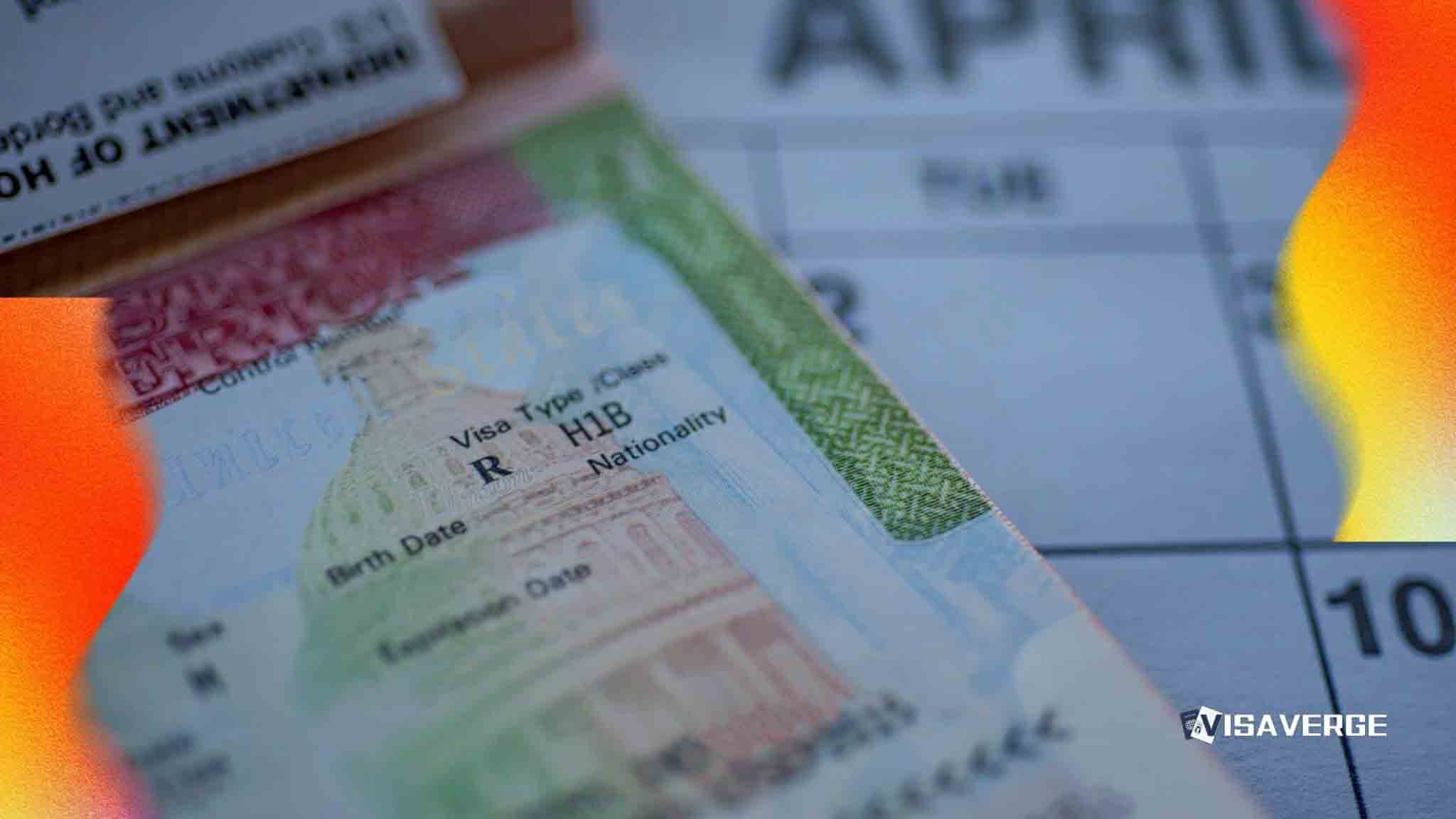
The H-1B visa still lets U.S. employers hire foreign professionals for jobs in fields such as technology, engineering, healthcare, and finance. The annual cap stays at 85,000 new visas, including 65,000 in the general pool and 20,000 for workers with U.S. advanced degrees. Demand remains far above supply. In recent years, USCIS has received more than 400,000 registrations, which keeps the lottery system at the center of the process.
For FY2027, the registration window opened March 7-24, 2026. Employers paid a $215 base fee for each entry. USCIS uses beneficiary identifiers, such as passport numbers, to block duplicate filings. After registration closes, USCIS runs the lottery and announces selections later in March. Employers with selected entries then have 90 days to file a full petition.
The filing stage still requires Form I-129 and a labor condition application, or LCA, which confirms wage and worksite details. Petitioners can file up to six months before the October 1 start date. Employers can review the official USCIS H-1B page and file the petition package through Form I-129 on USCIS. That page remains the clearest starting point for current filing rules and related instructions.
The biggest change is that FY2027 selections now begin with wage tiers. USCIS sorts registrations into four prevailing wage levels, from Level I through Level IV. It then selects higher-paid jobs first. If a tier has more registrations than available slots, USCIS still uses a random draw inside that tier. VisaVerge.com reports that this creates a hybrid model: not a pure lottery, but not a full wage auction either.
| India | China | ROW | |
|---|---|---|---|
| EB-1 | Feb 01, 2023 | Aug 01, 2023 ▲31d | Current |
| EB-2 | Nov 01, 2013 | Oct 01, 2021 | Apr 01, 2025 ▲90d |
| EB-3 | Jan 22, 2014 ▲21d | Jan 22, 2022 ▲14d | Jun 15, 2024 ▲31d |
| F-1 | Jan 22, 2021 ▲366d | Jan 22, 2021 ▲366d | Jan 22, 2021 ▲366d |
| F-2A | Oct 22, 2026 ▲30d | Oct 22, 2026 ▲30d | Oct 22, 2026 ▲30d |
That hybrid approach matters because it changes the odds before a petition is ever filed. Under the older system, every valid registration had the same chance. Now, a Level IV role gets priority over Level I, and that affects both employers and workers. The change favors high-salary positions in major metro areas and leaves lower-paid offers near the end of the queue.
A new $100,000 fee also applies to initial H-1B petitions for beneficiaries outside the United States. The Trump Administration says the fee targets outsourcing abuse. Employers say it sharply increases the cost of lawful hiring. That fee, together with expanded vetting, has already pushed many companies to reassess cap-season plans.
Additional screening rules arrived in 2026. USCIS expanded social media disclosure for H-1B applicants on March 30, 2026, requiring five years of account history. DHS also expanded biometric screening at ports of entry and exit starting December 26, 2025. A new USCIS Vetting Center, launched on December 5, 2025, now centralizes threat screening and has added delays for many cases.
For employers, the new system rewards jobs with higher wages. Large firms in places like San Francisco and New York now hold an advantage because their salary bands rise into the higher tiers more often. Startups, nonprofits, and smaller firms face a harder path, especially when salaries sit in the lower wage bands. The March 2026 wage proposal from the Department of Labor would raise entry-level prevailing wages by 33% across H-1B, H-1B1, E-3, and PERM if finalized.
For workers, the picture is mixed. Mid-career and senior applicants in higher-paying roles now stand a better chance of selection. Recent graduates and entry-level hires face tougher odds, especially when employers cannot offer salaries that reach the top tiers. That matters most for international students moving from OPT into H-1B status, since many of them compete for their first employer-sponsored role right after graduation.
Pending FY2026 cases keep the old rules. The wage-favoring selection process applies to FY2027 registrations and later. That split matters for anyone already in the pipeline. Employers with a March 2025 registration should not expect retroactive wage sorting. Employers entering the March 2026 cycle, however, are already inside the new framework.
Here is how the process now unfolds:
- Register online during the cap window. Submit one entry per beneficiary and pay the registration fee.
- Wait for USCIS selection. Higher wage tiers move first, with random selection only inside an oversubscribed tier.
- File the petition on time. Selected employers file Form I-129 with the LCA and supporting evidence.
- Prepare for screening and delays. Expect social media review, biometrics, and deeper vetting.
- Plan for the next cycle early. Employers should review wage levels, budgets, and backup visa options now.
The policy debate is still active. Supporters say the wage-based system cuts abuse and gives priority to higher-skilled roles. Critics say it narrows access for startups, universities, and lower-paid but still important jobs. The current structure also raises questions about diversity in hiring, because the system now leans toward companies that can pay more.
The timeline matters. June 2025 brought the Executive Order pointing toward wage reform. December 2025 brought the vetting expansion and biometric changes. January 21, 2026 brought the immigrant visa pause for nationals of 75 countries, though that pause did not cover H-1B. March 2026 brought the wage-prioritized registration system and the broader social media rules. April 2026 brought continued enforcement pressure and more scrutiny at the workplace level.
According to analysis by VisaVerge.com, the new structure aims to reduce low-wage gaming while keeping the H-1B program open for skilled foreign workers. That balance now defines the cap season. Employers, workers, and immigration lawyers all need to treat FY2027 as the first real test of the new H-1B order.