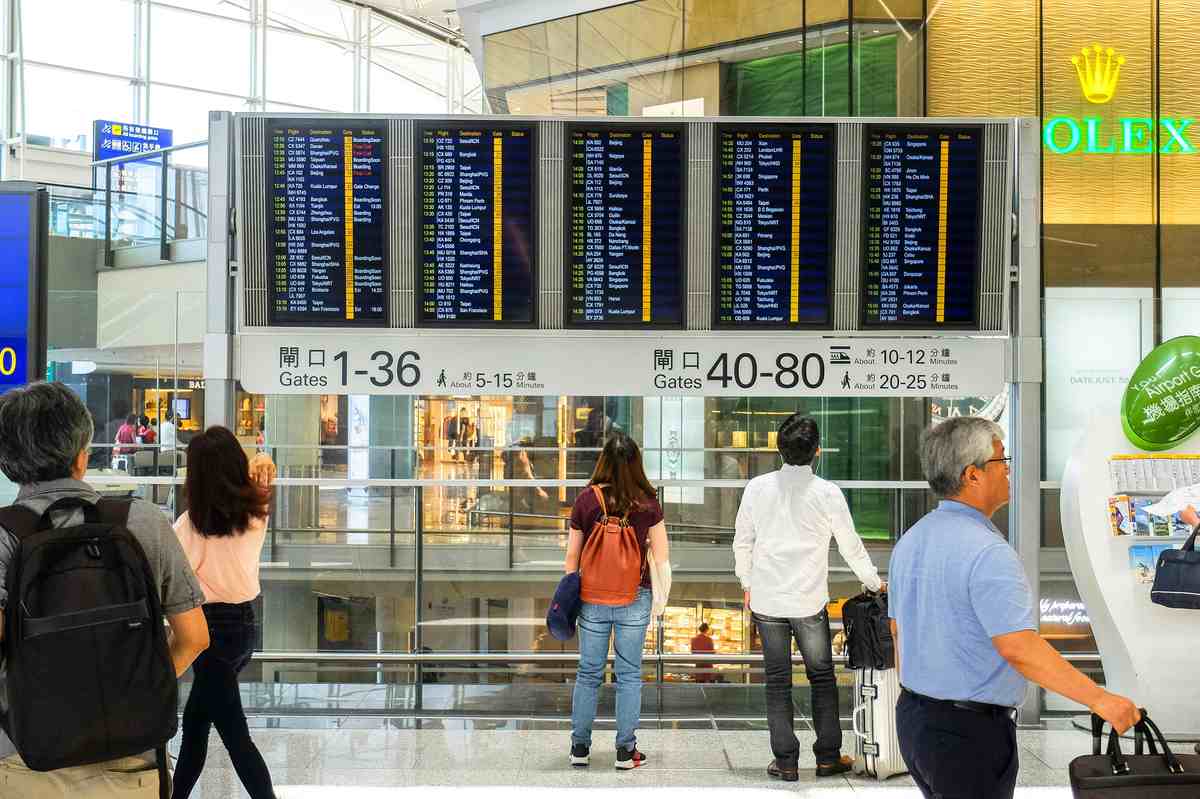
- Prioritize an airline reroute over refunds to avoid skyrocketing last-minute ticket prices during mass disruptions.
- Request Duty of Care support for meals and hotels, as airlines must provide welfare regardless of compensation eligibility.
- Meticulously document all expenses and delays with photos and screenshots to ensure successful reimbursement claims later.
(DUBAI, UAE) — Middle East airspace closures are forcing rolling cancellations and long misconnects at Dubai Airport, and the “best” move depends on your ticket type and urgency. If you need to be somewhere soon, push for an airline reroute first. If cost control matters more, take the refund only after you’ve priced realistic alternates.
Below is a practical comparison of your main options when you’re stranded at DXB, plus the duty-of-care rules that should cover your meals, hotel, and transport while you wait.
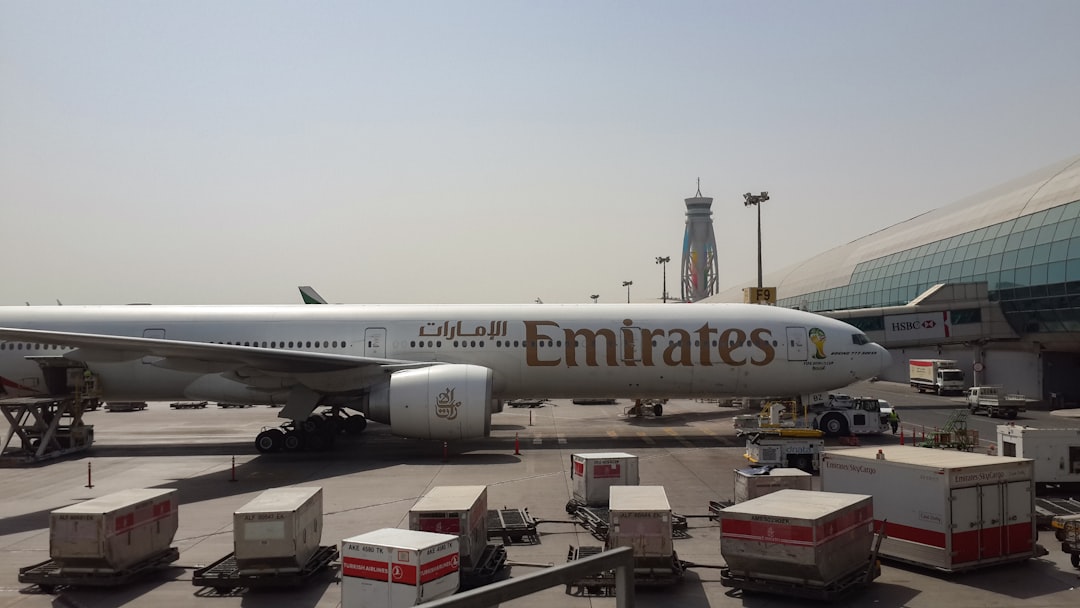
Quick recommendation: reroute first, refund second (unless you’re on separate tickets)
In a mass disruption, inventory disappears fast. Your highest-odds play is getting “reprotected” onto the next workable routing before you debate refunds, hotels, or reimbursement.
If you’re on separate tickets, protect the long-haul first. Your short hop is usually easier to replace later.
Your three main paths at DXB: side-by-side comparison
| Option | Best for | Upside | Downside | Miles/points angle |
|---|---|---|---|---|
| A) Airline reroute (reprotection) ASAP | Time-sensitive trips, weddings, cruises, business travel | Often cheapest overall; airline should handle changes; keeps itinerary intact | Long queues; limited seats; partner reroutes vary by carrier | Involuntary reroutes usually keep your paid fare value. Earning may change if cabin/fare class changes. |
| B) Take a refund, rebook yourself | Flexible travelers, low-stakes trips, travelers near home base | Maximum control; can pick any airline and routing | Fares can spike; you carry the risk of misconnects | Points can shine if cash prices surge. But award space may be scarce. |
| C) Wait it out with duty-of-care support (hotel/meals) and fly later | Budget travelers, those who can slip a day or two | Minimizes out-of-pocket; airline support should cover essentials | Hotels can run out; welfare systems break under volume | You’ll likely keep original ticket value. But you may lose prepaid add-ons on separate tickets. |
⚠️ Heads Up: During regional disruptions, care obligations usually still apply even when cash compensation does not. Don’t skip asking for Duty of Care.
1) Immediate actions in the first 30–60 minutes at DXB
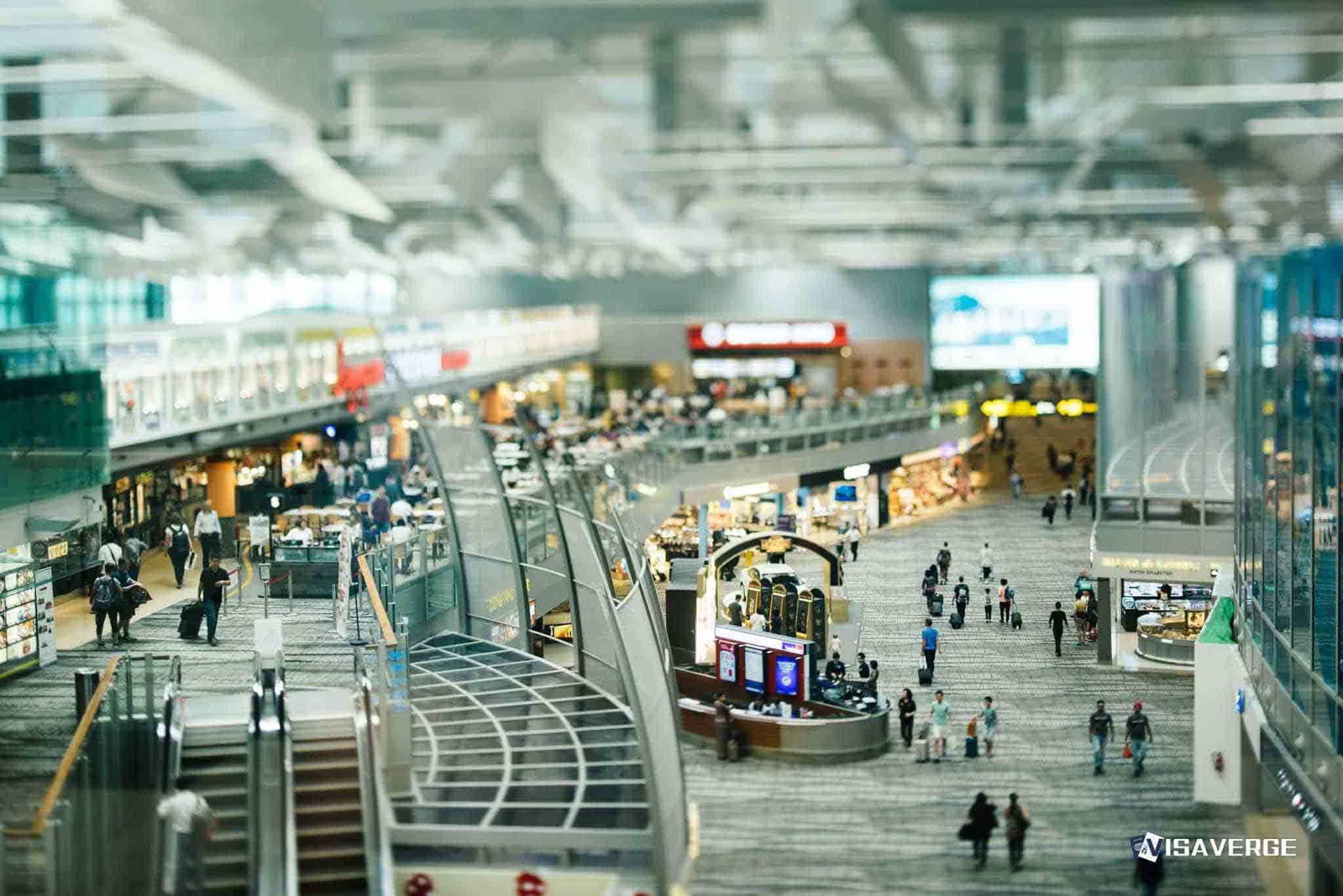
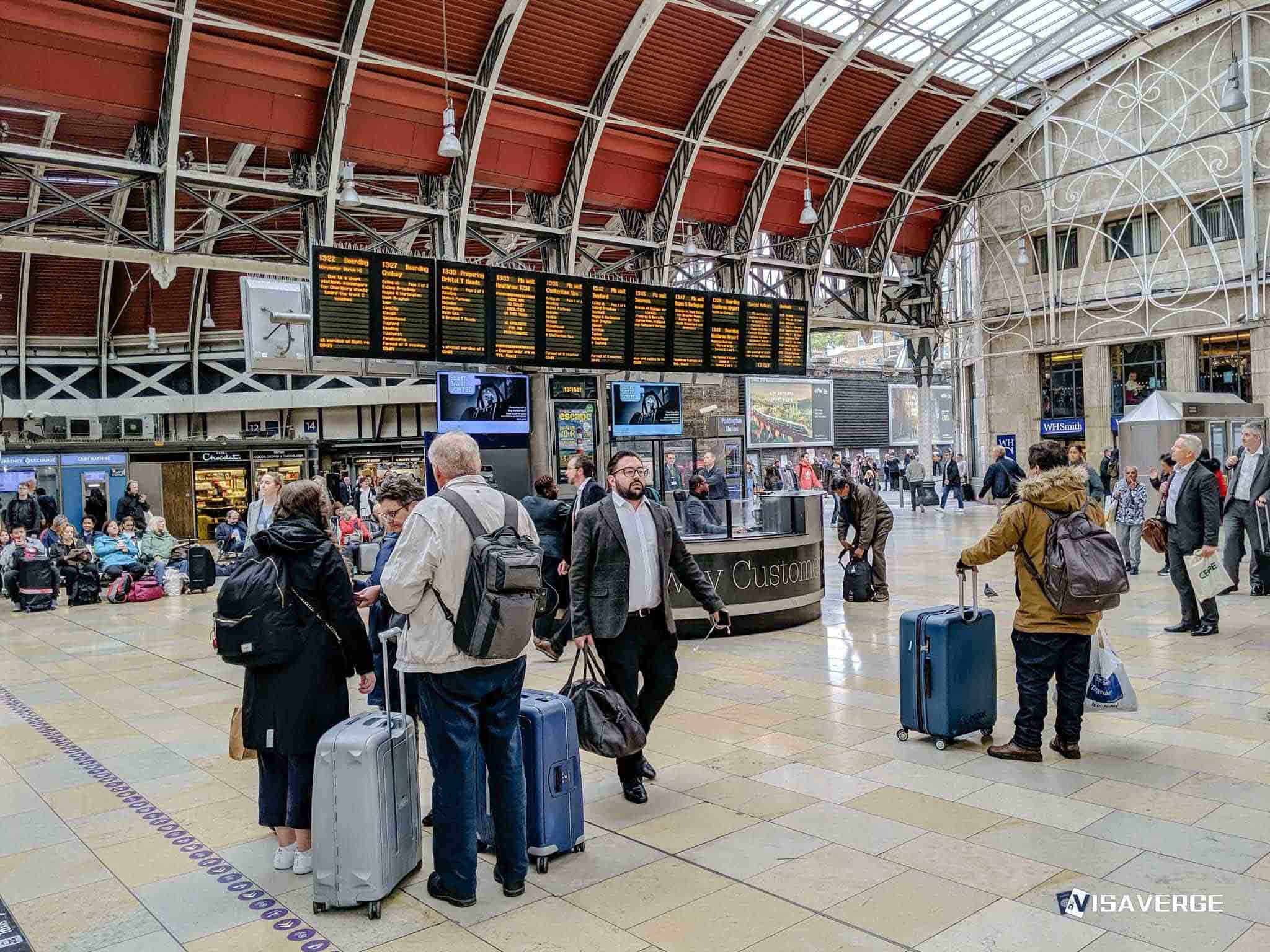
When DXB is hit by mass disruption, the airport can feel like it “locks up.” Expect long lines, delayed updates, and sudden gate changes. Airspace disruptions can cause diversions, crew time-outs, and aircraft being out of position. That creates rolling cancellations long after the first alerts.
Here’s the sequence that protects both your trip and your reimbursement eligibility:
- Go to the operating carrier’s transfer or irregular-operations desk. Marketing carrier logos can mislead you at DXB. The airline flying the plane controls the fix.
- Contact the airline in parallel. Use the app chat, phone, and social channels while you stand in line. The goal is first rebooking confirmation.
- Ask clearly for “Duty of Care” support. Use that phrase. Request meals, communications help, and a hotel if overnight becomes likely.
- If they can’t provide support, request written confirmation. A short note, email, or screenshot helps later when you claim reimbursement.
- Document in real time. Save boarding passes, booking confirmations, screenshots of delay notices, photos of departure boards, and agent names with timestamps. Keep receipts for essentials.
DXB has recently seen disruption waves tied to Middle East airspace closures, with 346 flights grounded in reported periods. Plan for services to be overwhelmed.
2) Passenger rights by delay duration at DXB (UAE GCAA Passenger Welfare Programme)
“Duty of Care” is the airline’s obligation to look after you during long delays and cancellations. Think welfare, not a payout. At DXB, the practical framework travelers most often experience comes from the UAE GCAA passenger welfare programme, supported by UAE commercial law context (in effect since 2023) and international rules like the Montreal Convention for certain damages.
What Duty of Care typically covers:
- Meals and refreshments appropriate to the delay and time of day
- Communication support, such as calls or data access
- Hotel accommodation for overnight disruption
- Transport to and from the hotel
- Assistance for vulnerable travelers
Care is different from cash compensation. Compensation usually depends on cause and jurisdiction. Extraordinary events such as war-related disruptions and airspace closures can limit compensation. They do not erase basic welfare expectations.
The practical time-based entitlements most travelers see at DXB are:
- After 2 hours: meals and refreshments
- After 3 hours: communication access
- After 5 hours: additional care, plus refund or reroute choices become more relevant
- After 6 hours or overnight: hotel accommodation and transport
Airlines operationalize care with vouchers, hotel desks, and bus transfers. Those systems fail first during surges. Vouchers may not print. Hotel inventory vanishes. Transport lines back up.
That’s why your documentation matters as much as the care request.
3) Rights by origin of journey: which rulebook is likely to matter
Your rights at DXB can change based on where your journey began and how your ticket is structured.
If your trip originated in the EU or UK You’ll often experience stronger “care until rerouted” treatment in practice. Documentation is still the difference-maker. Keep proof of delay length, cause statements, and your reroute attempts. Rerouting expectations can be more traveler-friendly on eligible itineraries.
If your trip did not originate in the EU or UK Protections can be more dependent on airline policy and the contract of carriage. You should still press for Duty of Care at DXB. You may need to rely more on reimbursement workflows and insurance.
If you are a UAE resident, or your journey involves the UAE strongly Local welfare expectations may apply in practice at DXB. Again, care is the baseline. Compensation is a separate question.
Common DXB confusion points:
- Marketing carrier vs operating carrier: the operating airline runs the desk decisions.
- Codeshares: your ticket may show one airline, but another controls rebooking.
- Separate tickets: the airline only “owes” the segment on its ticket. Your onward plans are your risk.
4) Meals, refreshments, and communication: making welfare real in the terminal
In normal operations, meal support is simple. During disruption, you need a plan.
How support is usually delivered:
- Meal vouchers issued at service desks or via app
- Partner outlet instructions for where vouchers work
- Reimbursement when voucher systems fail
What to do when systems are overwhelmed:
- Ask for the voucher first.
- If they cannot provide it, ask for a note or screenshot confirming it.
- Buy reasonable food and drinks and keep itemized receipts.
For communication support, many travelers can get by with airport Wi‑Fi. When networks are saturated, you may need paid data or SIM options. If you spend money, document:
- The reason you needed it
- The airline’s inability to provide access
- The receipt and timestamp
Escalation steps at DXB:
- Desk agent → supervising agent → written confirmation of non-provision
5) Hotels and accommodation: wait for the voucher or self-book?
Overnight at DXB is where disruptions get expensive fast. Airlines generally try to provide hotels and transport. During a mass event, capacity collapses. Many travelers end up sleeping in the terminal.
Here’s the decision framework:
Wait for airline hotel arrangements if:
- You are traveling with family members, elderly travelers, or medical needs
- You lack a UAE entry option and need airside accommodation
- You want the lowest reimbursement friction
Consider self-booking if:
- The airline confirms no hotel is available
- Queues are not moving and you face an overnight wait
- You find a reasonably priced hotel with clear receipts
If you self-book, reduce claim risk:
- Keep the spend reasonable for the situation.
- Save itemized receipts for hotel, transport, and meals.
- Capture proof the airline couldn’t provide accommodation. A photo of the desk line helps.
For vulnerable travelers, also consider consular channels if you feel unsafe or stranded without essentials. Consular teams do not “fix” airline tickets. They can help with safety and local guidance.
6) Rebooking and refunds: what to ask for during airspace disruption
At the counter and in the app, your two core options are:
- Reroute on the next available flight
- Refund the unused portion of the ticket
Operational reality matters once airspace reopens. Backlogs persist. Crews time out. Aircraft sit in the wrong cities. Even when flights restart, ripple effects can last days.
Tactics that improve rerouting outcomes:
- Be flexible on departure time and date.
- Consider alternate airports within the region if workable.
- Ask to be protected on partners or other carriers where policies allow.
- Monitor inventory yourself while you’re in line. Seat maps and fare buckets change quickly.
Separate ticket warning: if your DXB segment was feeding a separate onward flight, notify the hotel, tour operator, or insurer quickly. Do it as soon as you know you won’t make it.
Miles and points implications during reroutes:
- If you were on a paid ticket, an involuntary reroute can change fare class. That can change mileage earning.
- If you were on an award, the airline may rebook you into award inventory or protect you as a special case. It varies widely.
- Keep screenshots of the original booking class and routing. That helps if you need mileage credit adjustments later.
Competitive context: Gulf carriers often have strong service recovery reputations. During region-wide closures, even the best-run airlines run out of seats and hotel rooms. That’s when your documentation and flexibility matter more than brand.
7) Claims and evidence: build a clean file before you leave DXB
Your claim is only as strong as your timeline.
What you may be able to claim, depending on jurisdiction and ticket type:
- Essential meals and refreshments when not provided
- Local transport tied to disruption
- Reasonable accommodation when the airline couldn’t provide it
- Some rebooking costs in limited circumstances
- Baggage delay or loss costs under international frameworks
Cause matters for compensation. Ask the airline for a disruption statement or written reason. Even a brief email response helps.
Evidence workflow that wins disputes:
- Create a single folder on your phone.
- Save every receipt as a photo the moment you pay.
- Screenshot delay notices and rebooking offers.
- Write a short note with agent names, desk locations, and times.
Submit claims through the airline’s webform or official email channels. Keep a paper trail. If denied, escalate through card travel protections or travel insurance. Third-party claim services exist. They can save time, but fees reduce your payout.
8) What disruption looks like at DXB right now, and what to monitor
During recent disruption waves, travelers reported grounded flights, long queues, delayed communications, tarmac holds, and rolling cancellations. In one reported period, 346 flights were grounded, with thousands stranded.
What to monitor:
- Your airline app for rebooking prompts and gate changes
- Dubai Airport channels for terminal and flow updates
- Government travel advisories relevant to your passport and destination
- Local authority updates tied to Middle East airspace closures
Safety-first at DXB:
- Follow staff instructions, especially around queues and crowd control.
- Keep water, medication, and a power bank accessible.
- Assume you may be in the terminal for an extended period.
Choose X if… (real-world scenarios)
Choose airline reroute (Option A) if:
- You must arrive within 24–48 hours.
- Your ticket is a single itinerary with onward connections.
- Cash fares have spiked and you want the airline to absorb change costs.
Choose refund and rebook (Option B) if:
- You can delay or change destinations.
- You have points balances that can replace expensive last-minute cash fares.
- You’re on separate tickets and the chain is already broken.
Choose duty-of-care waiting (Option C) if:
- You’re cost-sensitive and can travel later.
- Hotels are selling out and you want the airline to place you.
- You want the simplest reimbursement path for basics.
A nuanced verdict: start with rerouting pressure and Duty of Care at the same time. If you can’t get a confirmed plan within a few hours, price alternates and decide whether a refund plus miles is your fastest exit. Before you leave the terminal or check into any hotel, make sure you have screenshots of your delay, your rebooking attempt, and photos of every receipt tied to meals, transport, and lodging.