Understanding I-140 Processing in Different Industries
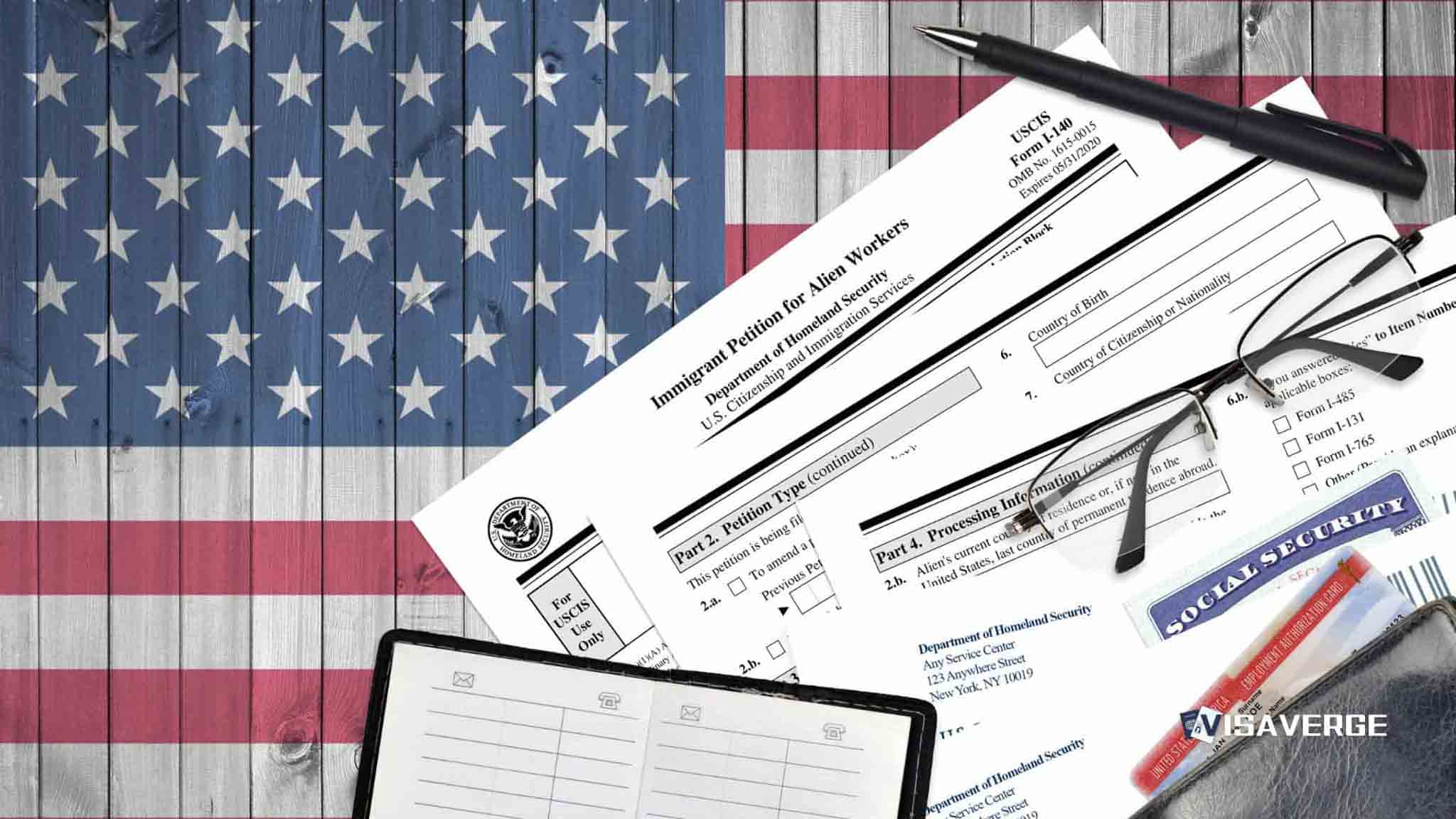
Navigating the complexities of employment-based visas can be challenging, especially when considering the variations in I-140 processing for different industries. The I-140, Immigrant Petition for Alien Workers, is a crucial step for foreign nationals seeking permanent residency through their employment in the United States. The processing of this critical form can vary widely depending on industry-specific immigration requirements and policies.
What is the I-140 Immigrant Petition?
Before diving into industry differences, it’s important to understand what the I-140 form entails. The I-140 is a petition filed by U.S. employers on behalf of foreign workers, which is necessary for most employment-based visa categories, such as the EB-1, EB-2, and EB-3 visas. This form is essential to establishing employment eligibility for foreign workers who aim for permanent resident status.
Free toolCSPA Age-Out Calculator OnlineIndustry-Specific Immigration Considerations
When it comes to industry-specific immigration, several factors can influence I-140 processing times and requirements.
Technology and IT Sector
| India | China | ROW | |
|---|---|---|---|
| EB-1 | Feb 01, 2023 ▲109d | Jul 01, 2023 | Current |
| EB-2 | Nov 01, 2013 | Oct 01, 2021 ▲30d | Jan 01, 2025 |
| EB-3 | Jan 01, 2014 | Jan 08, 2022 ▲7d | May 15, 2024 ▼109d |
| F-1 | Jan 22, 2020 | Jan 22, 2020 | Jan 22, 2020 |
| F-2A | Sep 22, 2026 ▲31d | Sep 22, 2026 ▲31d | Sep 22, 2026 ▲31d |
In the fast-paced technology and IT industries, employers may file I-140 petitions under the EB-2 or EB-3 categories, often depending on the job requirements and the worker’s qualifications. Due to the high demand for skilled workers in these fields, the U.S. government may expedite processing for certain petitions, especially for roles that are deemed critical to the industry or for workers with exceptional abilities.
Healthcare and Medical Field
For healthcare professionals, there might be additional scrutiny to ensure that all licensing requirements are met before the I-140 petition can be approved. Healthcare workers, such as doctors and nurses, may also have unique visa options available to them, such as the EB-2 National Interest Waiver, which can result in different processing protocols.
Academic and Educational Services
Professors, researchers, and other academic professionals could have their I-140 petitions processed under the EB-1 category if they meet the criteria for outstanding professors or researchers. This category is often prioritized due to its significance in promoting educational and scholarly advancement in the U.S.
Construction and Engineering
For individuals in construction and engineering, the emphasis might be placed on the project’s significance to the U.S economy or its infrastructural importance. I-140 processing for these professionals can be influenced by the scale and impact of their projects.
Entertainment and Cultural Arts
Artists, performers, and cultural experts may be eligible for the EB-1 visa if they possess extraordinary ability. The success of their I-140 petitions can hinge on demonstrating a high level of acclaim and a significant contribution to their field.
Streamlining Employment-Based Visa Applications
For all industries, engaging in employment-based visas can become more streamlined if certain conditions are met:
- Fast Processing Tracks: Some industries can take advantage of premium processing, which expedites the review of the I-140 for an additional fee.
- Labor Certification Waivers: Certain positions may not require a labor certification as part of the I-140 processing, saving time and resources.
- Documentation and Preparation: Having robust and accurate documentation can prevent delays and ensure a smoother process regardless of the industry.
Helpful Immigration Resources
For those looking to navigate the complexities of I-140 processing and employment-based visas, here are a few authoritative resources:
– USCIS Official Website: U.S. Citizenship and Immigration Services (USCIS) provides comprehensive information on forms, fees, and processing times.
– AILA: The American Immigration Lawyers Association is a reputable source for finding immigration attorneys and staying updated on immigration laws.
Conclusion
The peculiarities of I-140 processing for industry-specific immigration exemplify the importance of understanding individual sector nuances when applying for employment-based visas. By recognizing these distinctions and effectively preparing your I-140 petition, you can enhance your chances of success in the U.S. immigration system. Keep in mind the significance of staying informed about current policies and using reliable resources to guide you through the process.
So, that’s the lowdown on I-140 processing in different industries! Understanding these quirks is like having a secret weapon when it comes to employment-based visas. Remember to stay informed, use reliable resources, and check out visaverge.com for more awesome insights on the world of immigration. Happy visa hunting, my friends!
FAQ’s to know:
FAQ 1: What is the I-140 Immigrant Petition and why is it important for employment-based visas?
Answer: The I-140 Immigrant Petition for Alien Workers is a crucial form filed by U.S. employers on behalf of foreign workers seeking permanent residency through employment in the United States. It is required for most employment-based visa categories, such as EB-1, EB-2, and EB-3. This form establishes the foreign worker’s eligibility for employment and is a significant step toward obtaining permanent resident status.
FAQ 2: How does I-140 processing differ in the Technology and IT sector?
Answer: In the Technology and IT industries, I-140 petitions are typically filed under the EB-2 or EB-3 categories. Processing times and requirements may vary based on job requirements and worker qualifications. The U.S. government may expedite processing for certain petitions, especially for critical roles or workers with exceptional abilities, due to the high demand for skilled workers in these fields.
FAQ 3: What considerations are involved in I-140 processing for the Healthcare and Medical field?
Answer: In the Healthcare and Medical field, I-140 petitions undergo additional scrutiny to ensure all licensing requirements are met before approval. Healthcare professionals like doctors and nurses may have different visa options, such as the EB-2 National Interest Waiver. These professionals may face unique processing protocols based on their specialized roles and qualifications.
What did you learn? Answer below to know:
- True/False: The I-140 Immigrant Petition is a necessary step for most employment-based visa categories.
- Which industry may have I-140 processing expedited for certain petitions due to high demand for skilled workers?
- a) Healthcare and Medical Field
- b) Technology and IT Sector
- c) Academic and Educational Services
- d) Construction and Engineering
- What category of employment-based visa may be available to artists and performers who possess extraordinary ability?
a) EB-1
b) EB-2
c) EB-3
d) EB-4