Spanish
Official VisaVerge Logo Official VisaVerge Logo
  • Home
  • Airlines
  • H1B
  • Immigration
    • Knowledge
    • Questions
    • Documentation
  • News
  • Visa
    • Canada
    • F1Visa
    • Passport
    • Green Card
    • H1B
    • OPT
    • PERM
    • Travel
    • Travel Requirements
    • Visa Requirements
  • USCIS
  • Questions
    • Australia Immigration
    • Green Card
    • H1B
    • Immigration
    • Passport
    • PERM
    • UK Immigration
    • USCIS
    • Legal
    • India
    • NRI
  • Guides
    • Taxes
    • Legal
  • Tools
    • H-1B Maxout Calculator Online
    • REAL ID Requirements Checker tool
    • ROTH IRA Calculator Online
    • TSA Acceptable ID Checker Online Tool
    • H-1B Registration Checklist
    • Schengen Short-Stay Visa Calculator
    • H-1B Cost Calculator Online
    • USA Merit Based Points Calculator – Proposed
    • Canada Express Entry Points Calculator
    • New Zealand’s Skilled Migrant Points Calculator
    • Resources Hub
    • Visa Photo Requirements Checker Online
    • I-94 Expiration Calculator Online
    • CSPA Age-Out Calculator Online
    • OPT Timeline Calculator Online
    • B1/B2 Tourist Visa Stay Calculator online
  • Schengen
VisaVergeVisaVerge
Search
Follow US
  • Home
  • Airlines
  • H1B
  • Immigration
  • News
  • Visa
  • USCIS
  • Questions
  • Guides
  • Tools
  • Schengen
© 2025 VisaVerge Network. All Rights Reserved.
Green Card

Next Steps After I-140 Approval for Dependent Visa Holders

After receiving an I-140 approval on a dependent visa, there are important next steps to consider. These steps include preparing for the adjustment of status, submitting the I-485 application, and gathering necessary documentation. Understanding the process is crucial to ensure a smooth transition.

Last updated: July 18, 2025 7:58 pm
SHARE
VisaVerge.com
Key takeaways

After the I-140 approval, dependent visa holders may apply for work authorization (EAD) while their spouse awaits a green card.
The I-140 approval opens the path to adjust status to permanent residency by filing Form I-485, but visa availability varies.
Maintain nonimmigrant status, monitor priority dates, and seek legal help to navigate the complex immigration process effectively.

Understanding the I-140 Approval for Dependent Visa Holders

If you are in the United States on a dependent visa, an I-140 approval for your spouse is an exciting step forward in the immigration process. It marks a significant milestone because it means the U.S. government has recognized your spouse’s employment-based application for green card eligibility. But you might wonder, “What are the next steps after I-140 approval?” Let’s break down the actions you should consider taking next.

Exploring Work Authorization Options

One of the immediate advantages of an I-140 approval is the potential opportunity for employment authorization. As a dependent visa holder, you may become eligible to apply for an Employment Authorization Document (EAD). This document allows you to work legally in the U.S. while your spouse awaits their green card.

Adjusting Status: Path to Residency

The I-140 petition approval opens the door for you and your spouse to adjust your status to permanent residents, provided that the priority date is current. You can adjust your status to that of a lawful permanent resident by filing Form I-485 with U.S. Citizenship and Immigration Services (USCIS).

However, priority dates and visa availability can vary, and it’s important to track the Visa Bulletin from the U.S. Department of State to know when to file.
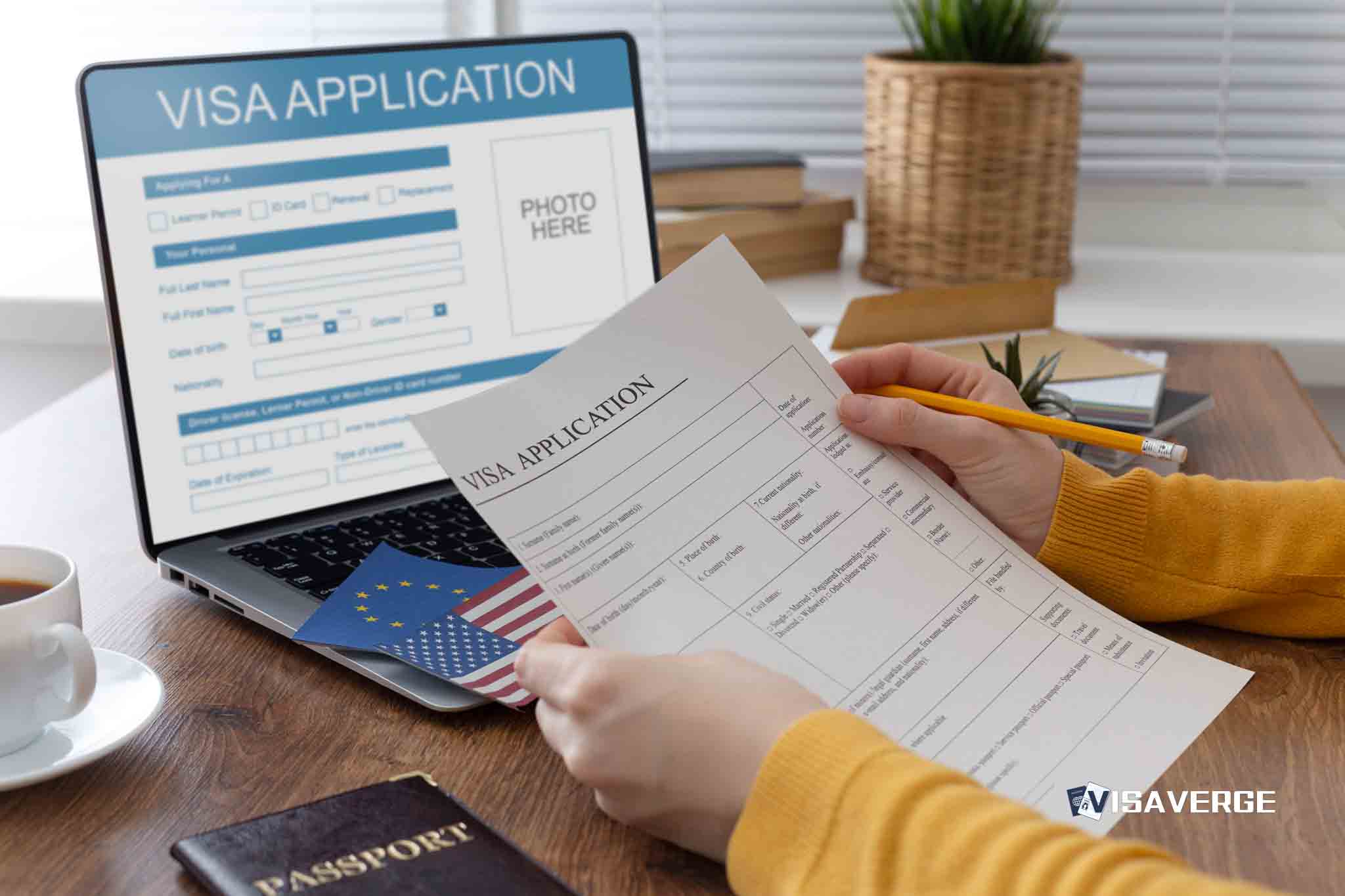
Next Steps After I-140 Approval for Dependent Visa Holders

Monitor Priority Dates and Visa Bulletins

Waiting for visa numbers to become available can be a time-consuming aspect. The Visa Bulletin is updated monthly and should be checked regularly to see if the priority date has become current. Here’s an external link to the Visa Bulletin: Visa Bulletin.

Possible Extensions and Nonimmigrant Status Maintenance

While waiting for green card availability, maintenance of your nonimmigrant status is crucial. Depending on your dependent visa type, whether it’s an H-4, L-2, or another category, you might need to apply for extensions to ensure you remain in legal status.

Engage with Immigration Services and Legal Help

Dealing with immigration procedures can be complicated. Often, it’s wise to enlist the help of an experienced immigration attorney or accredited representative. They can provide guidance tailored to your specific case, ensuring that you take the right steps at the right time.

Remember to use official resources provided by USCIS for the latest forms and instructions. Here is where you can find them: USCIS Official Site.

“Ensuring legal assistance for the immigration process is like setting the sails right on your voyage to residency. It can make a significant difference in reaching your destination successfully,” John Doe, an immigration expert, advises.

Keeping Documents Organized and Preparing for Interviews

It’s important to keep your and your spouse’s immigration documents well-organized. You should prepare for possible interviews with USCIS. The interviews are a standard part of the process, primarily to validate the information provided in your applications.

Understanding the I-140 approval process and knowing the next steps after the I-140 approval is essential for dependent visa holders looking forward to remaining in the United States. Taking the right actions after your spouse’s I-140 approval, such as applying for an EAD, adjusting your status, and actively monitoring visa bulletins can lead to a smoother path to permanent residency.

Navigating U.S. immigration processes can be challenging, but staying informed, following procedures, and seeking professional guidance when necessary can help you manage this journey more effectively. Keep in mind that immigration policies can change, so staying up-to-date with the latest information is key to a successful immigration experience.

So, there you have it, folks! Understanding the I-140 approval process and the next steps for dependent visa holders is like navigating a high-tech maze while juggling flaming torches. But fear not, for Visaverge.com is here to provide you with all the guidance and information you need to make this journey more manageable and less like a circus act. Head over to visaverge.com to explore more helpful insights and embark on your path to permanent residency with confidence!

FAQ’s to know:

FAQ 1: What are the immediate advantages of an I-140 approval for dependent visa holders?

An I-140 approval for dependent visa holders opens up the potential opportunity for employment authorization. As a dependent visa holder, you may become eligible to apply for an Employment Authorization Document (EAD). This document allows you to work legally in the U.S. while your spouse awaits their green card.

FAQ 2: How can dependent visa holders adjust their status to permanent residents after I-140 approval?

Dependent visa holders can adjust their status to that of a lawful permanent resident by filing Form I-485 with U.S. Citizenship and Immigration Services (USCIS) after receiving I-140 petition approval. However, it’s important to track the Visa Bulletin from the U.S. Department of State to know when to file, as priority dates and visa availability can vary.

FAQ 3: What steps should dependent visa holders take while waiting for green card availability after I-140 approval?

While waiting for green card availability, dependent visa holders should ensure maintenance of their nonimmigrant status by applying for extensions if necessary. Furthermore, it is crucial to monitor the Visa Bulletin regularly to see if the priority date has become current. Seeking the assistance of an experienced immigration attorney or accredited representative is recommended to navigate the immigration process successfully.

What did you learn? Answer below to know:

  1. True/False: An I-140 approval for a dependent visa holder opens the opportunity to apply for an Employment Authorization Document (EAD).
  2. What is the purpose of the Visa Bulletin?
    a) To track job availability in the United States
    b) To monitor changes in immigration policies
    c) To check the availability of visa numbers and priority dates
    d) To provide information about USCIS forms and instructions
  3. What is the recommended step for dependent visa holders to ensure they remain in legal status while waiting for green card availability?
    a) Apply for extensions of nonimmigrant status
    b) Engage with immigration services and legal help
    c) Prepare for possible interviews with USCIS
    d) Keep immigration documents well-organized
Share This Article
Facebook Pinterest Whatsapp Whatsapp Reddit Email Copy Link Print
What do you think?
Happy0
Sad0
Angry0
Embarrass0
Surprise0
Visa Verge
ByVisa Verge
Senior Editor
Follow:
VisaVerge.com is a premier online destination dedicated to providing the latest and most comprehensive news on immigration, visas, and global travel. Our platform is designed for individuals navigating the complexities of international travel and immigration processes. With a team of experienced journalists and industry experts, we deliver in-depth reporting, breaking news, and informative guides. Whether it's updates on visa policies, insights into travel trends, or tips for successful immigration, VisaVerge.com is committed to offering reliable, timely, and accurate information to our global audience. Our mission is to empower readers with knowledge, making international travel and relocation smoother and more accessible.
Subscribe
Login
Notify of
guest

guest

0 Comments
Inline Feedbacks
View all comments
H-1B Workforce Analysis Widget | VisaVerge
Data Analysis
U.S. Workforce Breakdown
0.44%
of U.S. jobs are H-1B

They're Taking Our Jobs?

Federal data reveals H-1B workers hold less than half a percent of American jobs. See the full breakdown.

164M Jobs 730K H-1B 91% Citizens
Read Analysis
US Suspends Visa Processing for 75 Countries Beginning January 21, 2026
News

US Suspends Visa Processing for 75 Countries Beginning January 21, 2026

UK Dual Citizens: After Feb 2026 You Need UK/Irish Passport or Certificate
Passport

UK Dual Citizens: After Feb 2026 You Need UK/Irish Passport or Certificate

Complete List of 75 Countries Affected by Trump's Immigrant Visa Suspension
News

Complete List of 75 Countries Affected by Trump’s Immigrant Visa Suspension

Top 10 States with Highest ICE Arrests in 2025 (per 100k)
News

Top 10 States with Highest ICE Arrests in 2025 (per 100k)

2026 Capital Gains Tax Rates and Brackets by Filing Status
Taxes

2026 Capital Gains Tax Rates and Brackets by Filing Status

Americans Face Dual Citizenship Ban: What the Senate Bill Means Now
Citizenship

Americans Face Dual Citizenship Ban: What the Senate Bill Means Now

ICE Arrest Tactics Differ Sharply Between Red and Blue States, Data Shows
Immigration

ICE Arrest Tactics Differ Sharply Between Red and Blue States, Data Shows

A Comprehensive Analysis of ICE Arrest Data from Deportation Data Project
Immigration

A Comprehensive Analysis of ICE Arrest Data from Deportation Data Project

Year-End Financial Planning Widgets | VisaVerge
Tax Strategy Tool
Backdoor Roth IRA Calculator

High Earner? Use the Backdoor Strategy

Income too high for direct Roth contributions? Calculate your backdoor Roth IRA conversion and maximize tax-free retirement growth.

Contribute before Dec 31 for 2025 tax year
Calculate Now
Retirement Planning
Roth IRA Calculator

Plan Your Tax-Free Retirement

See how your Roth IRA contributions can grow tax-free over time and estimate your retirement savings.

  • 2025 contribution limits: $7,000 ($8,000 if 50+)
  • Tax-free qualified withdrawals
  • No required minimum distributions
Estimate Growth
For Immigrants & Expats
Global 401(k) Calculator

Compare US & International Retirement Systems

Working in the US on a visa? Compare your 401(k) savings with retirement systems in your home country.

India UK Canada Australia Germany +More
Compare Systems

You Might Also Like

Options for Undocumented Immigrants in the U.S.
Immigration

Options for Undocumented Immigrants in the U.S.

By Visa Verge
California State Benefits and Restrictions for Non-Citizens in 2025
Guides

California State Benefits and Restrictions for Non-Citizens in 2025

By Visa Verge
J-1 Visa Health Insurance Requirements: What You Need to Know
Knowledge

J-1 Visa Health Insurance Requirements: What You Need to Know

By Visa Verge
Emergency Assistance Resources for J-1 Visa Holders in the J-1 Program
Knowledge

Emergency Assistance Resources for J-1 Visa Holders in the J-1 Program

By Visa Verge
Show More
Official VisaVerge Logo Official VisaVerge Logo
Facebook Twitter Youtube Rss Instagram Android

About US


At VisaVerge, we understand that the journey of immigration and travel is more than just a process; it’s a deeply personal experience that shapes futures and fulfills dreams. Our mission is to demystify the intricacies of immigration laws, visa procedures, and travel information, making them accessible and understandable for everyone.

Trending
  • Canada
  • F1Visa
  • Guides
  • Legal
  • NRI
  • Questions
  • Situations
  • USCIS
Useful Links
  • History
  • USA 2026 Federal Holidays
  • UK Bank Holidays 2026
  • LinkInBio
  • My Saves
  • Resources Hub
  • Contact USCIS
web-app-manifest-512x512 web-app-manifest-512x512

2026 © VisaVerge. All Rights Reserved.

2026 All Rights Reserved by Marne Media LLP
  • About US
  • Community Guidelines
  • Contact US
  • Cookie Policy
  • Disclaimer
  • Ethics Statement
  • Privacy Policy
  • Terms and Conditions
wpDiscuz
Welcome Back!

Sign in to your account

Username or Email Address
Password

Lost your password?