Understanding the Impact of Salary Change on Your I-140 Petition
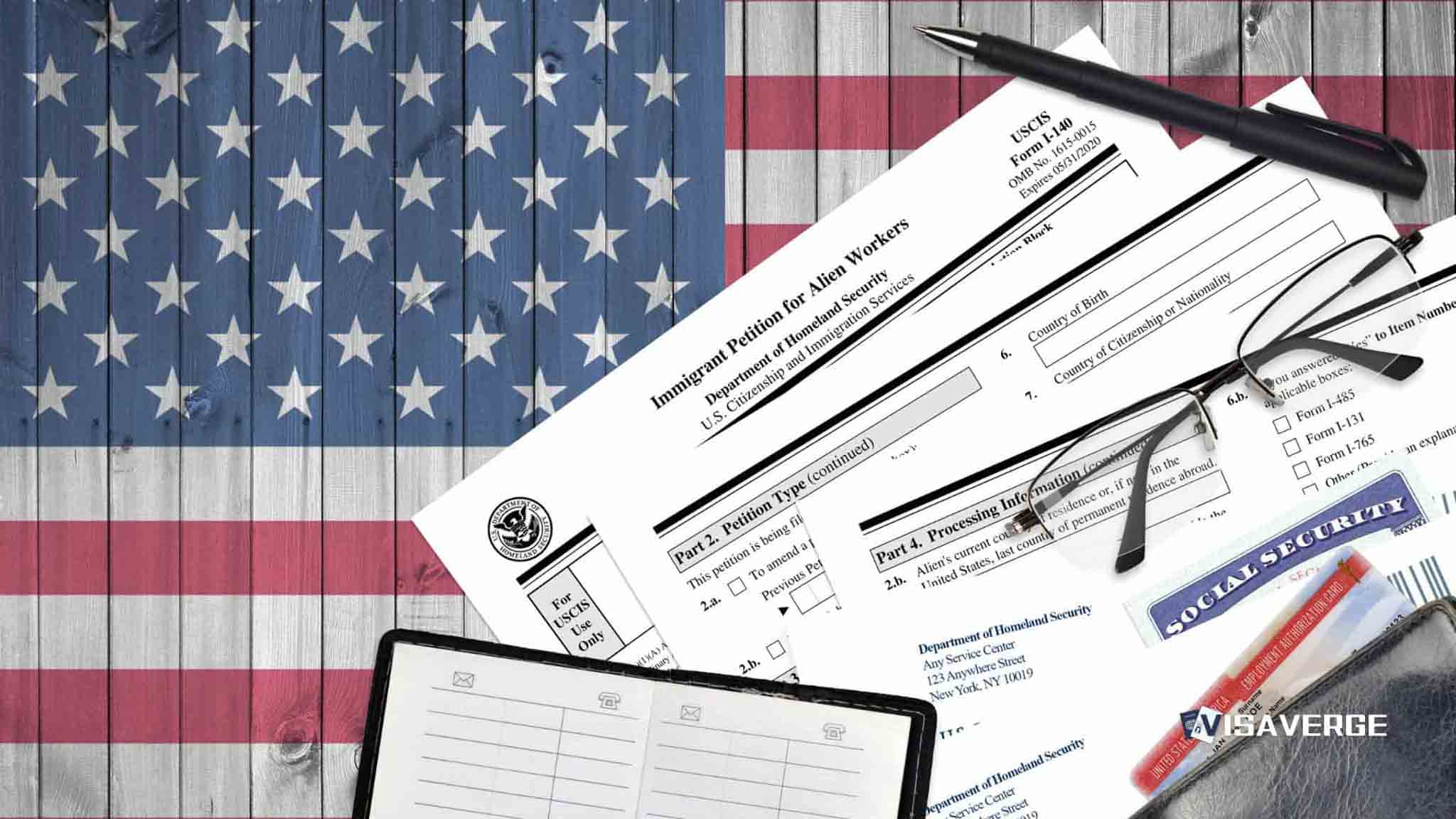
When you’re navigating the path to employment-based permanent residency in the United States, the I-140 petition is a crucial step that signifies the U.S. employer’s intention to hire a foreign worker permanently. However, various factors can affect the stability of your I-140 petition—including salary changes. So, how exactly does a salary change affect an I-140 petition?
Analyzing Salary Change During the Immigration Process
You might wonder why a change in salary is significant in the immigration process. The United States Citizenship and Immigration Services (USCIS) pays close attention to salary as it relates directly to the offered position’s prevailing wage. The prevailing wage is determined by the Department of Labor (DOL) and sets a benchmark salary to ensure fair employment practices. As such, any significant deviations without proper justification could potentially raise concerns.
Free toolCSPA Age-Out Calculator OnlineMinor Salary Changes
Typically, slight variations in salary that are consistent with normal wage progression for the position may not have a significant impact on the I-140 petition. This is particularly true if the salary remains at or above the prevailing wage and the terms of employment have not substantially changed.
Significant Salary Decreases

| India | China | ROW | |
|---|---|---|---|
| EB-1 | Feb 01, 2023 ▲109d | Jul 01, 2023 | Current |
| EB-2 | Nov 01, 2013 | Oct 01, 2021 ▲30d | Jan 01, 2025 |
| EB-3 | Jan 01, 2014 | Jan 08, 2022 ▲7d | May 15, 2024 ▼109d |
| F-1 | Jan 22, 2020 | Jan 22, 2020 | Jan 22, 2020 |
| F-2A | Sep 22, 2026 ▲31d | Sep 22, 2026 ▲31d | Sep 22, 2026 ▲31d |
If there’s a considerable drop in salary that falls below the prevailing wage or the figures specified in the original petition, this could be problematic. USCIS may interpret this as a different job than the one originally offered, or that the employer can no longer afford to pay the prevailing wage, which can risk the approval of the petition.
Navigating Employment-based Visa Adjustment with Salary Changes
For those in the process of adjusting their status to that of a legal permanent resident, here’s how a change in salary may come into play:
- If you are in the process of applying for an employment-based visa adjustment of status, the salary listed in your I-140 petition often serves as the base salary that USCIS expects you to earn.
- Any change in salary after the I-140 approval but before the adjustment of status should be well-documented and justified. It’s important to maintain transparency with USCIS regarding these changes.
- Substantial increases in salary usually do not pose an issue, especially if they reflect career progression and increased responsibilities within the company.
Best Practices for Addressing a Salary Change
If you’re anticipating or experiencing a salary change, consider the following steps:
- Maintain documentation of any salary changes, including the reasons behind them.
- Communicate with your immigration attorney to assess the impact of the salary change on your I-140 petition or visa adjustment status.
- If necessary, update your I-140 petition with USCIS to reflect the salary change.
- Be proactive in ensuring that any changes in salary are in accordance with employment terms and remain at or above the prevailing wage.
While the salary change can be a tricky aspect of your immigration journey, staying informed and engaging with the right resources is key to navigating it successfully. For official guidance, visit the USCIS website or consult with a qualified immigration attorney.
Remember, each case is unique, and while general information can provide a framework, your specific situation may require personalized attention. It’s imperative to handle changes to your I-140 petition with care to avoid any potential setbacks in your pursuit of an employment-based visa adjustment.
Navigating the impact of salary changes on your I-140 petition can be tricky, but with a little know-how, you’ll be on your way to employment-based permanent residency. Remember to document any changes, communicate with your attorney, and stay above the prevailing wage. For more tips and guidance on immigration, check out visaverge.com. Happy navigating, my fellow tech enthusiasts!
FAQ’s to know:
FAQ 1: How does a salary change affect an I-140 petition?
When it comes to the I-140 petition, a salary change can impact its stability. The United States Citizenship and Immigration Services (USCIS) closely examines the salary as it relates to the prevailing wage for the offered position. Minor salary changes consistent with normal wage progression usually have minimal impact. However, significant decreases that fall below the prevailing wage or the figures mentioned in the original petition can raise concerns and risk the approval of the I-140 petition.
FAQ 2: How does salary change affect employment-based visa adjustment of status?
In the case of employment-based visa adjustment, a change in salary is relevant in the following ways:
- The salary listed in your I-140 petition often serves as the expected base salary by USCIS during the adjustment of status.
- Any salary change after I-140 approval but before the adjustment of status should be well-documented and justified, maintaining transparency with USCIS.
- Substantial increases in salary are generally not problematic, especially when they reflect career progression and increased responsibilities within the company.
FAQ 3: What are the best practices for addressing a salary change during the immigration process?
If you anticipate or experience a salary change during the immigration process, consider the following best practices:
- Keep documentation of any salary changes and the reasons behind them.
- Consult with your immigration attorney to assess the impact of the salary change on your I-140 petition or visa adjustment status.
- Update your I-140 petition with USCIS if necessary to reflect the salary change.
- Ensure that any salary changes comply with employment terms and remain at or above the prevailing wage.
Staying informed, consulting experts, and maintaining transparency are important when addressing salary changes during the immigration process. It’s crucial to handle these changes carefully to avoid setbacks in your pursuit of an employment-based visa adjustment. For official guidance, visit the USCIS website or consult with a qualified immigration attorney.
What did you learn? Answer below to know:
- True or False: Minor salary changes that align with normal wage progression for the position generally have a significant impact on an I-140 petition.
- What role does salary play in the immigration process for employment-based permanent residency in the United States?
a) It determines the prevailing wage for the offered position
b) It influences the USCIS decision on visa approval
c) It affects the length of the immigration process
d) It determines the employee’s eligibility for permanent residency - What should individuals do if they experience a salary change during the immigration process?
a) Ignore the change and proceed with the petition as is
b) Consult with an immigration attorney to assess the impact of the change on the petition
c) Submit a new petition to the Department of Labor to adjust the prevailing wage
d) Notify USCIS of the salary change through a written letter.