Understanding the I-140 Petition and Appeals Process
Navigating the U.S. immigration system can be daunting, especially when you encounter setbacks like a denied I-140 petition. The I-140 is an important form used to petition for an alien worker to become a permanent resident in the United States. But what happens if your I-140 petition is denied? Can you appeal the decision? This blog post will guide you through your options and the immigration appeal process.
Can You Appeal a Denied I-140 Petition?
Yes, you can appeal a denied I-140 petition. In fact, under U.S. immigration law, individuals have the right to appeal or file a motion on certain decisions made by the U.S. Citizenship and Immigration Services (USCIS) to the Administrative Appeals Office (AAO) or the Board of Immigration Appeals (BIA). The appeal must be filed within a specified period after the denial, typically 30 days for most cases.
Free toolCSPA Age-Out Calculator OnlineSteps to Appeal Denied I-140
Here’s a concise breakdown of the steps to take after your petition is denied:
- Review the Denial Notice: It’s crucial to understand the reasons behind the denial. The denial notice will contain important information about your right to file an appeal and the reasons for the decision.
- Decide on the Next Course of Action: You might choose to either file an appeal with the AAO or BIA or file a motion to reopen or reconsider with USCIS.
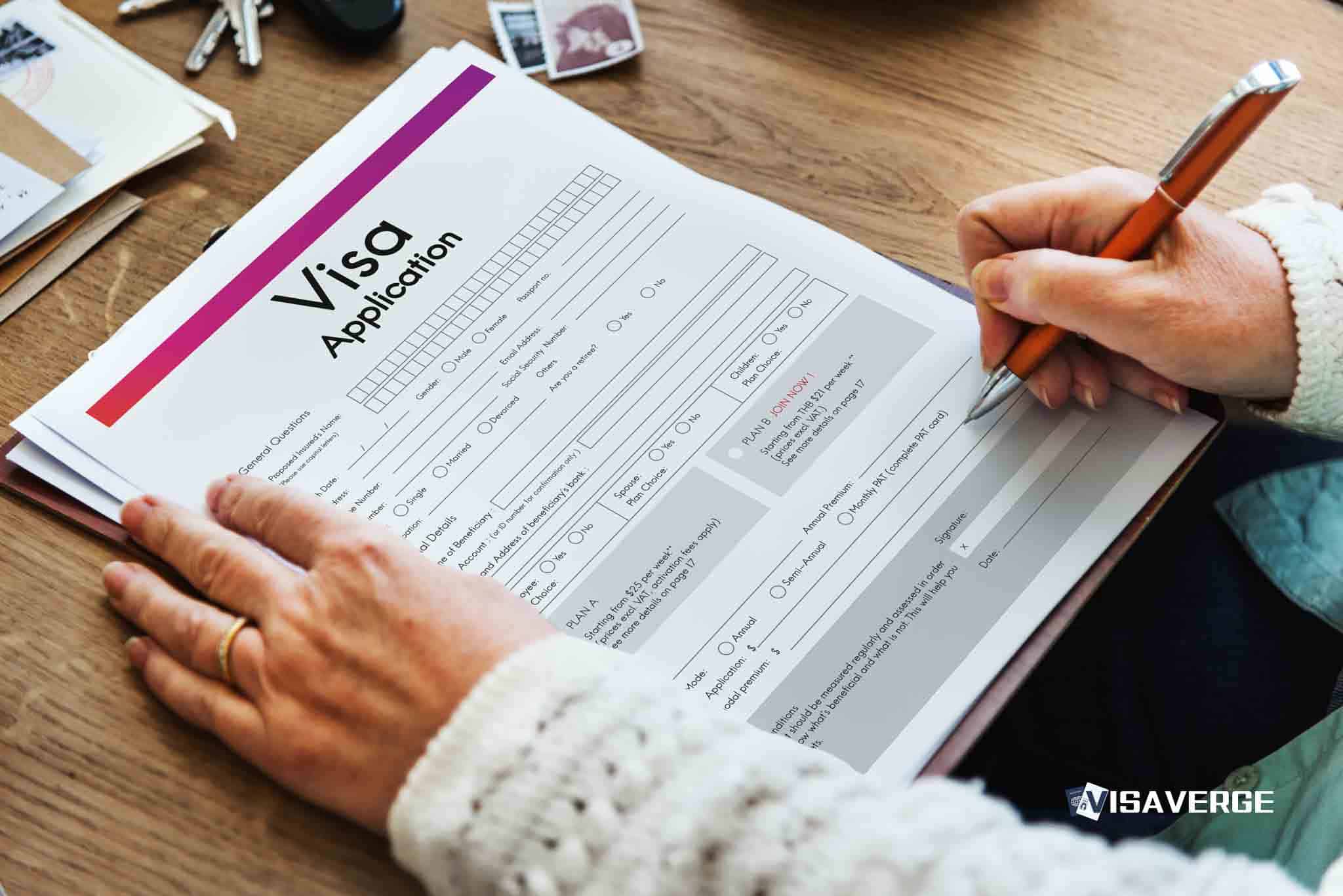
- File Your Appeal or Motion Promptly: If you opt to appeal, you should file Form I-290B, Notice of Appeal or Motion, along with the applicable fee and any new evidence you may have gathered that supports your case.
-
Await the Decision: The reviewing body will consider your appeal or motion and make a determination. This can take several months, depending on the current caseload and specifics of your case.
The Immigration Appeal Process
The immigration appeal process can be complex, and understanding the nuances can be vital to improving the chances of a successful appeal. It involves several stages, from filing the correct paperwork to possibly appearing before an appeals board.
Here are key points to remember during the immigration appeal process:
- Timeliness is Paramount: Filing deadlines are strictly enforced. Missing the appeal deadline could mean losing the chance to appeal altogether.
- Prepare the Necessary Evidence: Supply additional documentation or evidence that addresses the specifics of why the I-140 was denied.
-
Seek Legal Assistance: Since immigration law is complicated, consider hiring an immigration attorney who can help you navigate the process.
When to Consult an Immigration Attorney
An appeal denied I-140 is a serious matter that can benefit greatly from expert guidance. If you are overwhelmed or unsure about the correct procedures or legal strategies, it may be wise to consult with an immigration attorney who is experienced with I-140 cases and the broader immigration appeal process.
Conclusion
Though receiving a denial notice for an I-140 petition can be discouraging, remember that you have options to contest the decision. By understanding the reasons for denial and taking timely action, you can take a proactive stance in the immigration appeal process. Remember to adhere closely to the guidelines set forth by USCIS when filing your appeal, and don’t hesitate to seek professional legal advice if needed.
For more information on filing appeals and motions, you can visit the official USCIS website here. Always ensure that you are working with the most current forms and correct information when dealing with immigration matters.
So, there you have it! The ins and outs of appealing a denied I-140 petition. It may seem like a daunting process, but with the right knowledge and a little perseverance, you can navigate through it. Remember to stay timely, gather the necessary evidence, and don’t be shy to seek legal help when needed. And if you want to dive deeper into the fascinating world of immigration and visas, head on over to visaverge.com. Trust me, you’ll find even more juicy information there!
FAQ’s to know:
FAQ 1: Can you appeal a denied I-140 petition?
Yes, you can appeal a denied I-140 petition. According to U.S. immigration law, individuals have the right to appeal or file a motion on certain decisions made by the USCIS to the Administrative Appeals Office (AAO) or the Board of Immigration Appeals (BIA) within 30 days of the denial.
What did you learn? Answer below to know:
- True or False: Can you appeal a denied I-140 petition in the United States?
- What is the recommended response to a denied I-140 petition?
a) File an appeal with the AAO or BIA
b) File a motion to reopen or reconsider with USCIS
c) Both a) and b)
d) None of the above - What is one key factor to consider during the immigration appeal process?
a) Timeliness
b) Filing multiple appeals
c) Ignoring the denial notice
d) Abstaining from seeking legal assistance