- International musicians face rising visa fees and stricter vetting, causing widespread tour cancellations and delays.
- Processing times for artist visas have jumped to nearly nine months, forcing bands to plan much earlier.
- New policies ending third-country processing add thousands in travel costs for artists currently on tour.
(SAN DIEGO) — Foreign musicians have canceled or postponed performances in San Diego as new U.S. visa fees, longer processing times and a “stricter vetting” environment disrupt touring plans and raise costs for artists and venues.
San Diego promoters and tour managers said the changes have turned routine U.S. stops into high-stakes bets, with bands forced to lock in dates earlier, hold more cash for filings and travel, and brace for interview and border scrutiny that can upend routing.
The pressure lands hardest on independent artists and smaller venues that rely on late bookings and flexible schedules, because even a minor date change can trigger new documentation demands or require costly adjustments.
San Diego’s role as a cross-border cultural hub adds exposure to the slowdown, with many tours building Southern California around regional routing and the practical realities of border travel and consular access.
Recent government messaging has also put more emphasis on enforcement and security around immigration processes, contributing to a tighter posture that artists and their representatives now plan for as a baseline.
“The Trump administration has sent a clear message: we’re going to enforce immigration law without apology. we intend to continue the escalation of arrests of undocumented people in 2026.”
The remark was made by White House border czar Tom Homan at a news conference held at the San Diego border in December 2025.
Artists entering the country on approved work visas can still face questions at ports of entry, and San Diego attorneys and promoters said the broader tone has increased the perceived risk of disruption even when paperwork appears complete.
DHS Secretary Kristi Noem, addressing new restrictions near federal buildings in November 2025, said, “DHS is using every tool possible to protect the lives of our law enforcement as they face a surge in violence and lawlessness at many of our federal facilities.”
Musicians and tour staff frequently move through federal facilities for interviews and related processing, and San Diego organizers said heightened security postures can translate into more planning time, added documentation discipline and less tolerance for last-minute changes.
Costs and Processing Changes
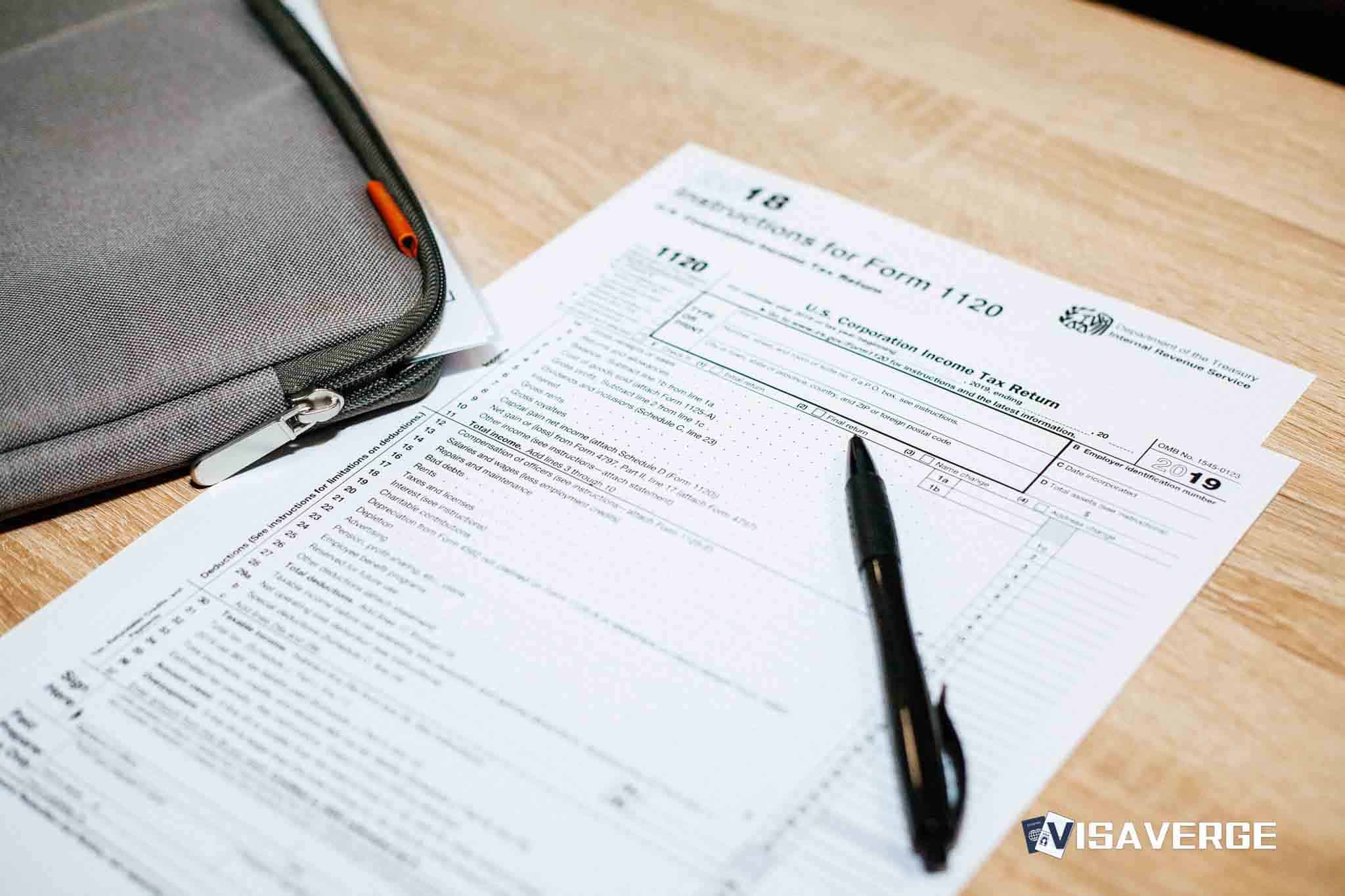
One immediate driver is cost. Effective April 1, 2024, USCIS raised the fee for O and P nonimmigrant worker petitions from $460 to $1,615–$1,655 per applicant, which puts a standard four-piece band at roughly $6,460 before legal fees.
Premium processing, used to speed up a petition, will also become more expensive. Starting March 1, 2026, the fee to expedite a petition “(guaranteeing a 15-day response)” will rise from $2,805 to $2,965.
USCIS tied the increase to agency operations and backlogs in a final rule published in the Federal Register, saying, “The revenue generated by this fee increase will be used to provide premium processing services; make improvements to adjudication processes; respond to adjudication demands, including processing backlogs; and otherwise fund USCIS adjudication and naturalization services.”
Premium processing can shorten one part of the timeline, attorneys said, but it does not remove the need for complete evidence, nor does it eliminate later consular steps for visa issuance.
Processing time itself has become a central constraint for tours, because holds on venues, flights and production crews often do not match the new lead times.
Under the Service Center Operations (SCOPS) model, standard processing for O-1 and P-1 visas now ranges from 7.5 to 9 months.
Attorneys reported that what used to be a clearer split between faster and slower service centers “(California vs. Vermont)” has shifted to a dynamic distribution system that remains backlogged, making it harder to predict outcomes based on filing location alone.
For touring acts, that means building contingencies into every contract, especially when promoters want to announce lineups before a visa is in hand.
Since late 2025, USCIS has also intensified scrutiny and often requires signed venue contracts for every single tour date before a visa is approved.
That expectation can clash with standard tour practice, where agents add dates as demand becomes clear, venues change, and support acts rotate, leaving independent musicians with less room to adjust without reopening their filings.
Consular Rules, Proclamations, and Travel Impact
A second layer of uncertainty comes from consular and interview rules that affect how quickly musicians can turn an approved petition into a visa stamp.
Presidential Proclamation 10998, issued January 1, 2026, suspended or limited visa issuance to nationals of 39 countries, including Haiti, Nigeria, and Venezuela.
The proclamation also limited “interview waivers,” meaning most artists must now appear in person for interviews in their country of nationality or residence, which can force rerouting, additional travel and longer gaps between confirmed tour dates.
San Diego’s music economy feels those shifts quickly because many acts slot the city into a broader West Coast run, and promoters said a single missed appointment window can ripple across multiple venues and contracts.
The situation tightened further for touring musicians already outside their home countries. As of September 6, 2025, artists can no longer apply for “visa stamps” at any U.S. Consulate through Third Country National processing and must return to their home countries.
That change adds thousands of dollars in travel costs for artists already on tour, while also adding calendar risk when appointment availability and administrative processing timelines do not match a booked itinerary.
San Diego organizers said those constraints have pushed some tours to avoid U.S. dates entirely, particularly when the costs and timing for a single market start to outweigh potential revenue.
A “chilling effect” has been reported, with immigration attorneys in San Diego reporting that many artists now view the U.S. as a “high-risk” market.
That perception includes concern about the risk of being denied entry by CBP at the border even with a valid visa, which has contributed to cancellations beyond San Diego.
Cancellations, Rescheduling, and Local Impact
Performers who canceled North American tours include Canadian artist Bells Larsen and British artist FKA Twigs.
The impact has appeared in local scheduling. In June 2025, Josie Quinn and his team rescheduled their “Huntos” tour dates in *Chula Vista* and *San Diego* due to visa delays.
Other high-profile Latin artists, including Julion Alvarez and Peso Pluma, reportedly faced visa difficulties that led to the cancellation or postponement of major regional performances, according to the same account.
Promoters and venues absorb much of the financial shock when an act drops out late, because marketing costs, staffing and production commitments often cannot be recovered quickly.
Longer lead times can also change which rooms artists play in, as smaller venues may not be able to hold prime weekend dates for many months without certainty that an artist can arrive and perform.
Even when a show stays on the calendar, organizers said they increasingly build contracts with cancellation, rescheduling and substitution terms that reflect visa uncertainty and the possibility of sudden documentation requests.
Bands also face per-member scaling pressures, because government filing costs increase with each additional beneficiary on a petition, and evidence collection can expand with a larger group and more complex touring plans.
Cost Summary and Legal Fees
The cost summary for a 4-member band post-March 2026 listed “Standard Filing Fees (O/P Visas)” at ~$6,460, “Premium Processing (Expedited)” at $2,965, and “Total Estimated Gov. Fees” at $9,425.
The note alongside that summary said it excluded legal fees, “which often range from $3,000 to $7,000 per petition,” and attorneys said those costs can rise with urgent refilings, complex itineraries or extensive evidence gathering.
Beyond government and legal fees, bands and promoters commonly face ancillary costs tied to documentation collection, translations, couriers and travel to interviews, and the shift away from third-country stamping can make those travel costs harder to avoid.
Venue and Promoter Responses
For San Diego venues trying to maintain diverse lineups, the result has been a more cautious approach to international bookings, with fewer last-minute additions and more emphasis on early confirmations.
Artists and promoters seeking to verify current requirements and track changes can start with the USCIS newsroom, cited as an official hub for agency updates.
Visa interview developments and consular guidance often appear through the U.S. State Department’s visa updates, a starting point organizers use when planning interview timing and location.
For policy restrictions tied to country lists and interview waiver limits, the White House page hosting the full text of the proclamation can shape where and when artists should attempt visa processing.
In San Diego, promoters said the new normal for foreign musicians is earlier planning, tighter paperwork and larger financial buffers, because the combination of higher fees, longer waits and stricter vetting can turn a single missed step into a lost tour leg.