- Consultancy data reveals a 75% plunge in Indian students reaching the enrollment stage under new policies.
- The administration revoked over 8,000 student visas as part of a broader immigration crackdown.
- New $100,000 H-1B fees and wage-weighted selection have reshaped post-study employment pathways for graduates.
(UNITED STATES) — U.S. visa policies under President Trump’s second-term agenda drove a sharp fall in Indian student enrolments, with consultancy data reported on January 20, 2026, pointing to a 75% plunge in Indians reaching the enrollment stage in the first year of “Trump 2.0.”
Open Doors 2025, released in November 2025, showed a 17% decline in new international student enrollment for the Fall 2025 semester, highlighting a broad drop even as India-specific indicators fell faster.
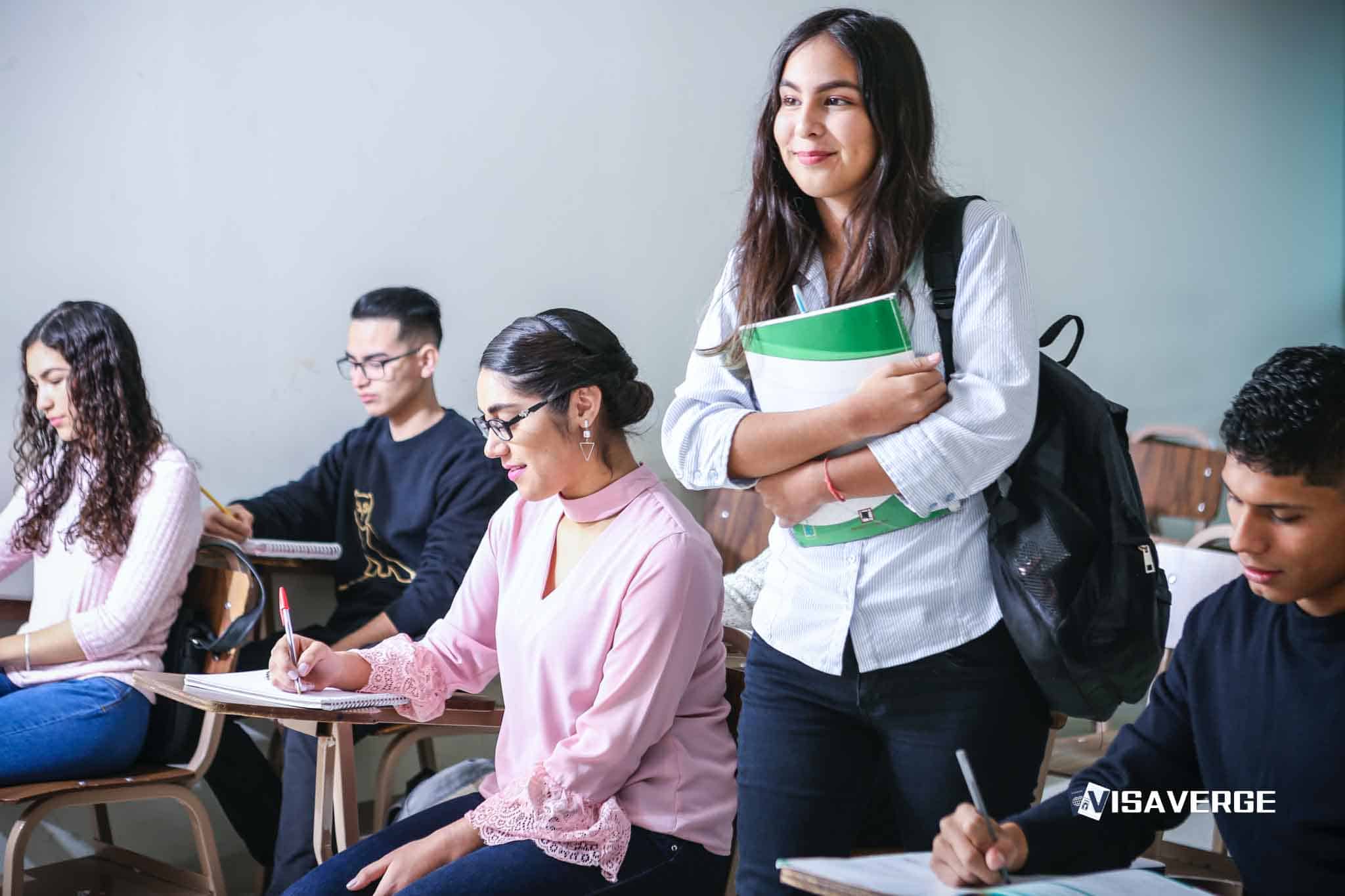
Hyderabad-based consultancy i20 Fever reported the 75% drop in students actually reaching the enrollment stage, citing higher rejection rates and limited interview slots.
Administration statements and enforcement
Official statements from the administration framed the changes as part of a broader crackdown, with visa revocations and tighter screening extending beyond students.
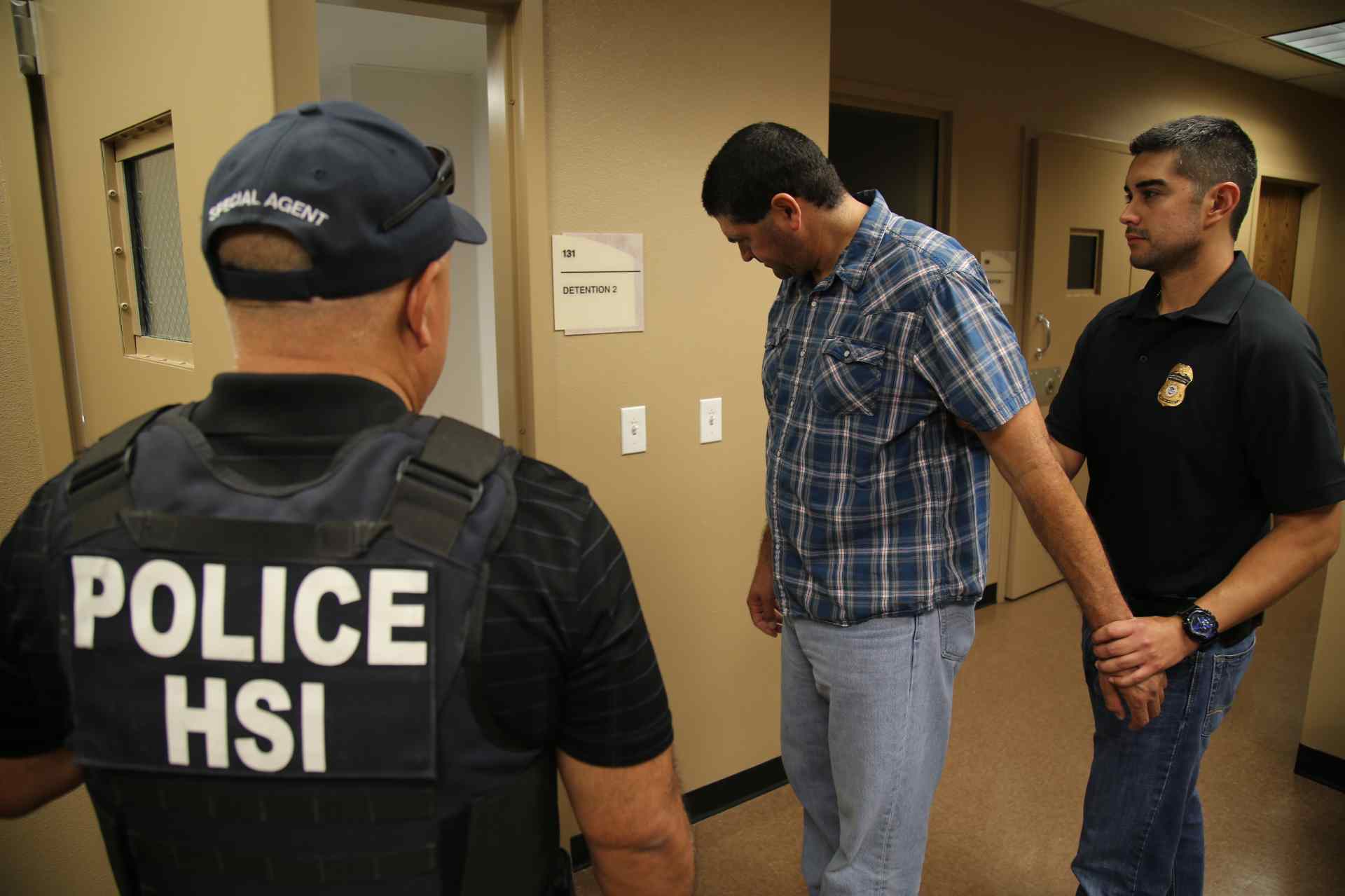
In an official statement posted to X (formerly Twitter) on January 12, 2026, the administration said: “The State Department has now revoked over 100,000 visas, including some 8,000 student visas and 2,500 specialized visas for individuals who had encounters with US law enforcement for criminal activity. We will continue to deport these thugs to keep America safe.”
Two days later, Tommy Pigott, State Department spokesperson, defended the suspension of visa processing for 75 nations and increased scrutiny, saying: “The Trump administration is bringing an end to the abuse of America’s immigration system by those who would extract wealth from the American people. The State Department will use its long-standing authority to deem ineligible potential immigrants who would become a public charge.”
Enrollment and visa data
Data points tied to Indian student enrolments showed declines across education and visa issuance measures, including in graduate study.
- Enrollment of Indian graduate students fell 10% in the 2024-25 academic cycle, dropping from 196,567 to 177,892
- “F” category (student) visas issued to Indian nationals dropped by 33.2% year-on-year by late 2025
- i20 Fever reported a 75% drop in students reaching the enrollment stage, citing higher rejection rates and limited interview slots
- Open Doors 2025 showed a nationwide 17% decline in new international student enrollment for Fall 2025
Open Doors 2025, published by the Institute of International Education, remained the central benchmark for the nationwide picture, while Indian media and consultancy figures described a steeper India-specific downturn.
Policy timeline and major actions
The policy timeline included actions aimed at both student entries and post-study employment pathways that many Indian students weigh when choosing destinations.
- June 2025. The administration introduced mandatory, intensified social media screening for all student visa applicants.
- Mid-2025. A pause of several weeks in new student visa interview scheduling to implement new vetting protocols, a disruption described as causing thousands to miss the Fall intake.
- September 19, 2025. President Trump signed a proclamation requiring a $100,000 fee for new H-1B petitions filed abroad, reshaping the post-study work route for many graduates.
- December 29, 2025. USCIS issued a final rule replacing the random H-1B lottery with a wage-weighted selection process, shifting the employment outlook for entry-level international graduates.
White House spokesperson Taylor Rogers, commenting in November 2025 on the new H-1B application fee, said: “The $100,000 payment required to supplement new H-1B visa applications is a significant first step to stop abuses of the system and ensure American workers are protected.”
On December 29, 2025, the USCIS final rule and the September proclamation together reshaped the employment pathway that many students factor into enrollment decisions.
Effects on admissions pipeline and student experience
Together, the steps hit multiple points in the pipeline—from interview scheduling and screening standards to perceptions of whether graduates can transition to work authorization after study.
International education advocates and campus administrators have long tracked enrollment shocks not only as an academic issue but also as an economic one, because international students pay tuition and support local spending tied to housing, food, and transportation.
NAFSA: Association of International Educators estimated that the 17% drop in new international enrollment translates to over $1.1 billion in lost revenue and nearly 23,000 fewer jobs in the U.S.
Alongside the enrollment slide, students already in the U.S. faced uncertainty tied to visa and status enforcement, including the reported scale of student-visa revocations cited in the administration’s January 12 statement.
The same broader enforcement posture also intersected with campus life, with students described as facing sudden “status revocations,” often for minor law enforcement encounters or participating in campus activism.
India-specific impacts and responses
Indian student enrolments have played an outsized role in U.S. graduate programs in recent years, particularly in areas that students view as pathways to work in the United States after completing degrees.
The new rules and screening steps tightened both the entry channel through F-1 processing and the longer-term calculus around post-study work routes, with H-1B changes landing as students made decisions for upcoming intakes.
The consultancy i20 Fever tied its 75% figure to a combination of higher rejection rates and limited interview slots, pointing to choke points that can block admits from ever reaching campus.
Some prospective students adjusted by redirecting applications to other destinations, with Canada, the UK, and Germany cited as alternatives.
The account described many Indian students as viewing the U.S. as a “high-risk” destination due to “extreme vetting” and job market hostility, reinforcing how policy signals can shape decisions even before formal outcomes like visa issuance.
Data sources and official reporting
Open Doors 2025, which reported the 17% decline in new international enrollments for Fall 2025, provided the nationwide baseline against which the India-specific plunge claim stood out.
The Open Doors data sits alongside federal datasets and agency communications that detail enforcement and student-tracking systems, including USCIS announcements and SEVIS reporting that underpin how students maintain lawful status.
USCIS’s public updates, including references to “Operation PARRIS” and vetting efforts, appear in the agency’s newsroom. DHS and ICE publish student-visa monitoring figures through SEVIS reporting, including “SEVIS by the Numbers” updates. The State Department posts visa processing updates and travel-related notices through travel.state.gov. The Open Doors dataset is hosted by the Institute of International Education at Open Doors data.
The Trump 2.0 policy sequence spanned both executive action and agency rulemaking, with the September 19, 2025 H-1B proclamation and the December 29, 2025 USCIS final rule reshaping the employment pathway that many students factor into enrollment decisions.
The intensified screening introduced in June 2025, combined with the mid-2025 interview scheduling pause, also directly affected whether admitted students could secure appointments and complete processing in time for classes.
For universities, the NAFSA estimate framed the national enrollment slide in dollars and jobs, quantifying the economic stake tied to international students even as the policy debate focused on fraud, screening, and enforcement.
For students and families making decisions in India, the measures described in the data points and quotes combined into a single message: entry can be harder, screening can be deeper, and work options after graduation can look different than before.
With the administration emphasizing revocations and enforcement, and with Indian student enrolments facing both the 33.2% drop in F-category visas and the consultancy’s 75% plunge claim, the coming intake cycles will test whether the downturn holds or deepens.