- Illinois law SB 2339 prohibits adverse actions based solely on social security mismatch notifications.
- Employers must provide five-business-day written notice to affected employees and their authorized representatives.
- New regulations grant workers the right to representation during any meetings regarding mismatch issues.
Illinois has enacted SB 2339 (Public Act 104-0455) to curb overreactions to mismatch letters in employment eligibility verification, instituting five-business-day notice windows, representation rights, and new civil remedies that align state privacy protections with ongoing federal scrutiny.
Overview and Context

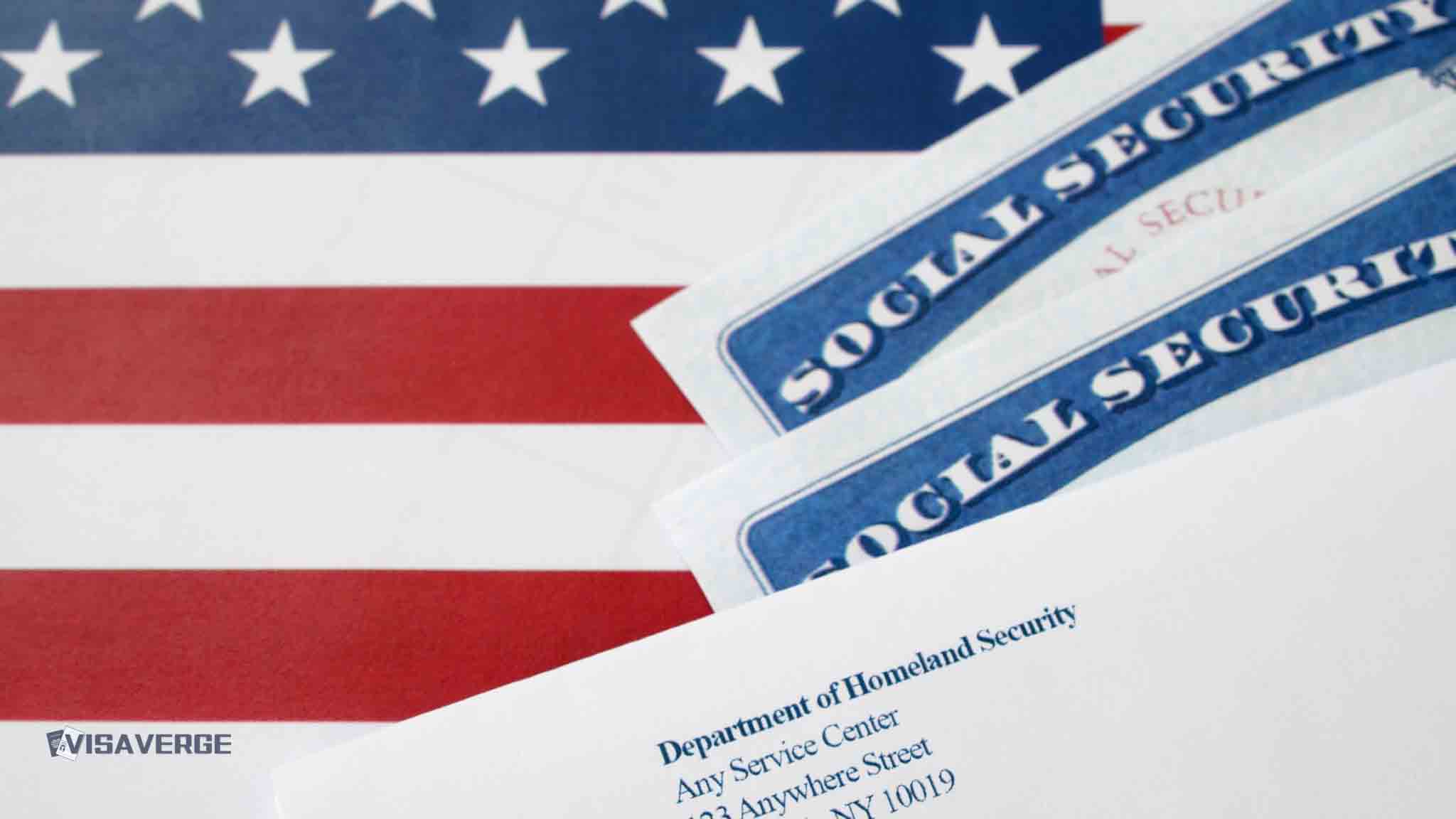
SB 2339 expands the Illinois Right to Privacy in the Workplace Act and targets a familiar problem in I-9 and payroll workflows. Employers sometimes treat an SSA mismatch notification as proof of ineligibility to work, which can trigger unlawful discipline or termination.
Illinois lawmakers built SB 2339 to slow that process down. The law focuses on what employers do after receiving immigration-related mismatch information, including SSA mismatch letters and other discrepancy notifications tied to employment records.
Free toolH-1B Cost Calculator OnlineThe statute does not ban lawful I-9 compliance. Instead, it sets guardrails around notice, communication, and retaliation-like responses to mismatch notifications.
December 12, 2025 is the key date. SB 2339 was enacted then and took immediate effect. For HR teams, “immediate effect” usually means two things: current mismatch cases should be handled under the new state rules, and training and scripts need fast revisions even if broader policy updates take longer.
Federal enforcement posture can add pressure. DHS statements under Secretary Kristi Noem have stressed fraud enforcement, and USCIS has signaled tighter review in certain contexts. That pressure can lead managers to treat mismatch notifications as risk alarms; SB 2339 aims to prevent that reaction from harming employees when the mismatch may be a data issue.
Key Provisions of SB 2339 (What Employers Must and Must Not Do)
Note: This section will interface with an interactive tool for detailed employer checklists. The prose below leads into that tool with actionable explanations of the statute’s central provisions.
Step 1: Treat the mismatch notification as a data flag, not a verdict
SB 2339’s core rule is direct: an employer may not take adverse action based solely on a mismatch notification. “Solely” matters — an SSA mismatch letter, on its own, cannot be the reason you suspend, discipline, terminate, or otherwise penalize an employee.
This approach tracks the warning commonly included in SSA communications. SSA mismatch letters typically state that the letter is not, by itself, a basis for adverse action; the Illinois statute turns that principle into a state-law enforcement structure.
Step 2: Start the required notice process right away
Once the mismatch notification is received, SB 2339 requires written notice to the affected employee within five business days. The same written notice must also go to the employee’s authorized representative, if the employee has one.
Delivery method rules are specific. In general terms, the statute prefers direct delivery and then requires layered delivery methods when direct delivery is not possible. Build those steps into your escalation checklist so a supervisor does not improvise.
Step 3: Identify “authorized representative” correctly
An authorized representative is not limited to a lawyer. In many workplaces, a labor union representative may serve in that role. In other settings, the employee may designate another person who can assist with the mismatch issue.
- Your communication plan must account for an additional recipient.
- Your team should confirm the employee’s designation and keep it in the file.
Step 4: Respect the employee’s right to representation in meetings
SB 2339 gives employees the right to have a representative present during meetings or discussions related to the mismatch issue. That changes how many employers run “quick compliance meetings.”
Plan for scheduling friction. A meeting may need to be delayed briefly to allow the representative to attend. Document that you offered the option and whether the employee accepted or declined.
Step 5: Use the safe harbor the right way
SB 2339 includes a safe harbor tied to good-faith reliance on guidance from the Illinois Department of Labor (IDOL) or DHS. “Guidance” may include written agency publications, posted compliance guidance, or written advisories that address mismatch handling.
Good faith is not automatic. If you want the safe harbor to help, your file should show what guidance you relied on and when.
Document good-faith reliance on IDOL or DHS guidance with dated versions and SOP revisions to maintain safe harbor protections.
Enforcement, Penalties, and Remedies
Step 1: Know who can sue, and why that matters
SB 2339 creates a private right of action. Employees and job applicants may bring civil claims when an employer violates the statute’s mismatch-notice and adverse-action rules.
Illinois also expanded standing for “interested parties.” Labor unions and nonprofit organizations can initiate civil actions, which means disputes may not stay limited to one employee’s case and pattern-based claims become easier to bring.
Step 2: Track the violation tiers and the lookback window
Civil penalties are tiered. Each missed notice, wrong recipient, or premature discipline decision can create separate exposure; small process failures can stack quickly.
- First-time violations: $100 to $1,000 per violation
- Repeat violations: $1,000 to $5,000 per violation (within 3 years)
Step 3: Treat job-loss cases as the highest-stakes category
If a violation results in job loss, remedies can include reinstatement and back pay with interest. SB 2339 also adds a separate $10,000 civil penalty tied to job loss outcomes.
That combination changes settlement pressure and raises the value of clean timelines and careful documentation.
| Penalty Type | First-Time Violation | Repeat Violation (within 3 years) | Job-Loss Remedy |
|---|---|---|---|
| Civil monetary penalties (per violation) | $100 to $1,000 per violation | $1,000 to $5,000 per violation | May apply in addition to other remedies |
| Remedies when violation causes job loss | N/A | N/A | Reinstatement; back pay with interest; and a $10,000 civil penalty |
Why SB 2339 Matters for Employers, Workers, and Authorized Representatives
SSA mismatch letters are often misunderstood. A mismatch can happen for reasons that have nothing to do with work authorization: typos, name changes after marriage, or system formatting differences.
Employers in Illinois should adjust their I-9 and E-Verify escalation paths so mismatch notifications do not become a termination trigger. Keep a clean separation between resolving payroll/SSA record discrepancies and completing lawful I-9 steps when required by federal rules.
Manager training is where many employers will succeed or fail. Front-line supervisors are often the first to hear “we got a letter.” Without a script, they may pressure an employee or restrict hours, which can look like adverse action.
Workers gain time and structure. The five business days is not a “fix everything” window in many cases; it is a required window to be informed and to start addressing the issue without punishment based solely on the mismatch letter.
Authorized representatives gain a defined seat at the table. That changes meeting structure and documentation. Employers should expect more written follow-up and more requests for copies.
Update I-9/E-Verify escalation paths and trainer materials to reflect SB 2339 requirements, including five-business-day notification processes and representation rights.
Official Sources and Where to Align Your Compliance Materials
Note: This section will be paired with an interactive tool listing templates and alignment checklists. The text below explains where to look and what to update to align with SB 2339.
IDOL should be your first stop for Illinois-specific workplace privacy obligations and any state guidance interpreting SB 2339. Use that material to update mismatch notice templates, representative designation forms, manager talk-tracks, and escalation charts for HR and payroll.
Federal materials still matter for lawful verification practices. USCIS I-9 Central (uscis.gov) is the practical reference for I-9 rules, including what you can and cannot request from an employee. SSA employer resources help teams respond appropriately to SSA mismatch letters and related record issues.
Version control is the hidden compliance task. Save dated copies of the IDOL or DHS guidance you relied on. Record when you updated SOPs. Keep training rosters and the script versions used in training.
Dates to Track and How to Keep an Audit-Ready Timeline
December 12, 2025 is the SB 2339 enactment date, and the law took immediate effect. Illinois employers should assume the clock starts when the mismatch notification is received by the organization, not when someone “gets around to reading it.”
January 1, 2026 appears in the federal background discussion due to a USCIS policy memorandum about heightened review in certain benefit contexts. That federal context does not replace Illinois obligations; keep the state workflow steady.
Build an audit-ready timeline for each mismatch event:
- Record the date the mismatch notification arrived.
- Record the date written notice went to the employee.
- Record the date written notice went to the authorized representative, if any.
- Log all meetings and attendees, including the representative option.
- Document what corrective steps were taken and the outcome.
- Document that no adverse action was taken based solely on the mismatch notification.
Clean files reduce risk and help you respond consistently when managers escalate issues too quickly.
This article discusses state law (Illinois SB 2339) and its interaction with federal processes. It does not constitute legal advice.
Readers should consult qualified counsel for interpretation and application to specific situations. Implement the SB 2339 notice-and-representation workflow now, because the law has applied in Illinois since December 12, 2025.