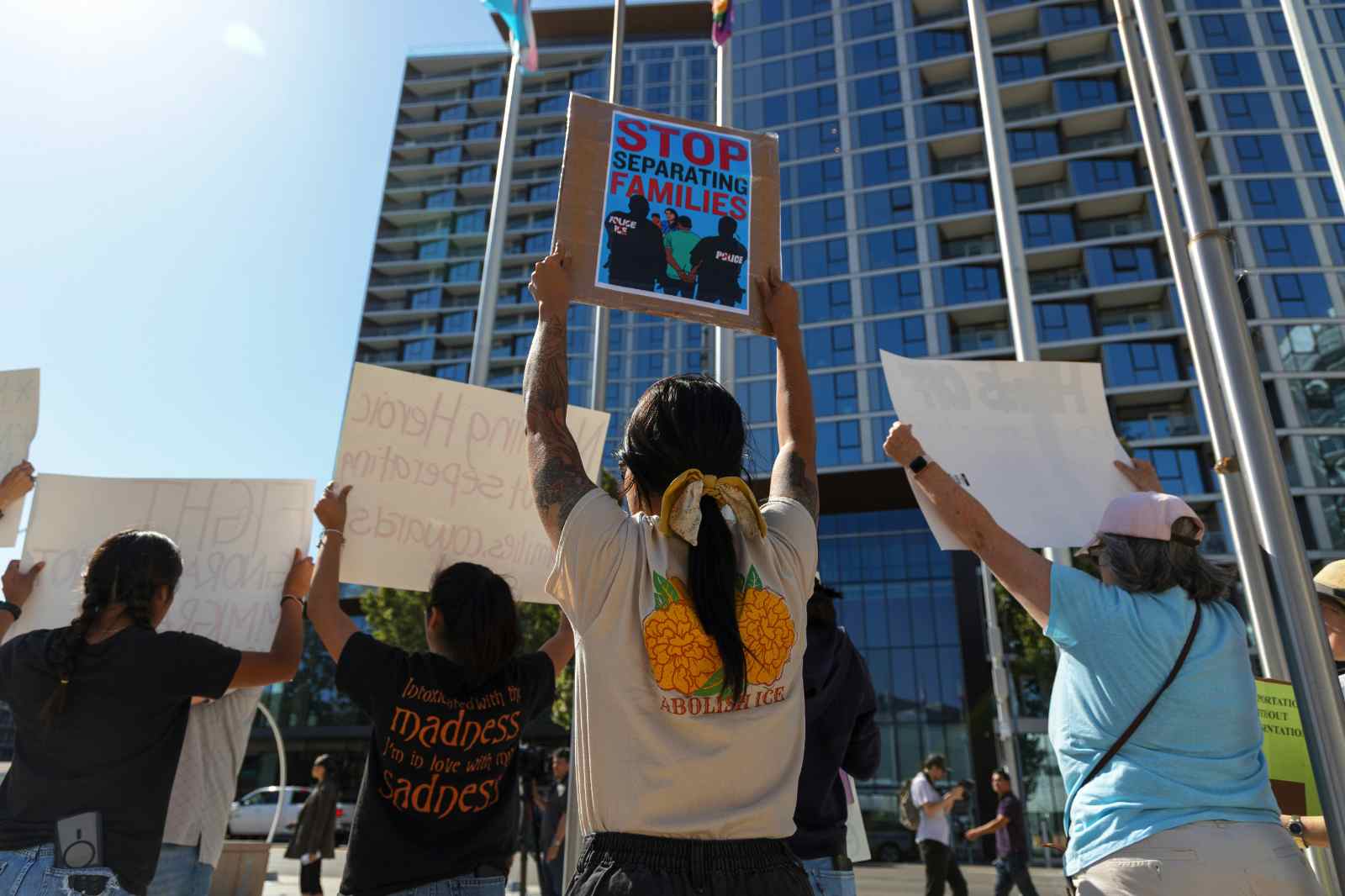
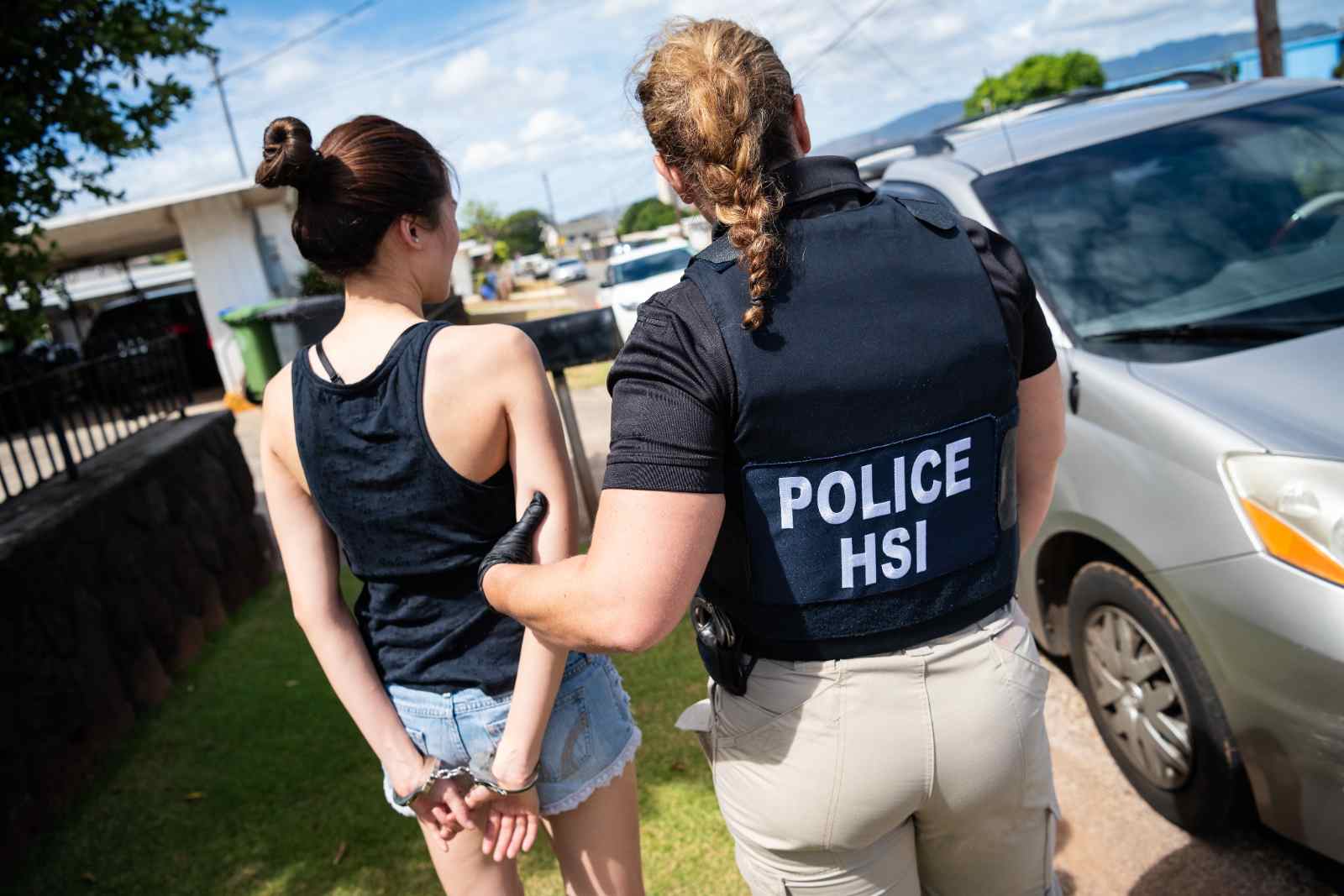
- Pittsburgh community members attend training to learn ethical witnessing and non-interference during enforcement operations.
- Immigration arrests in the Pittsburgh area tripled since January 2025, reaching nearly one thousand cases.
- Legal experts warn that physical interference can lead to felony charges for bystanders recording arrests.
(PITTSBURGH, PA) — In Pittsburgh, hundreds attended a “How to be an Ethical Witness” rapid-response training to learn lawful, non-interfering ways to observe and document ICE operations amid a regional enforcement uptick.
What you’ll need before you witness
Bring a few basics so you can focus on accurate, calm observation.
- A charged phone and a backup battery
- A way to take notes fast (notes app or paper)
- Key phone numbers written down (in case your phone is taken or dies)
- A plan for where your recordings will be stored (so they are not lost)
1) Event overview: Pittsburgh training on knowing your rights as an ICE raid witness
On January 20, 2026, Frontline Dignity held a rapid-response training titled How to be an Ethical Witness at Shadyside Presbyterian Church in Pittsburgh’s Shadyside neighborhood.
The point was practical: teach community members how to watch and record immigration enforcement activity without crossing the legal line into interference.
Frontline Dignity described “rapid response” the way many community groups use it. You watch for enforcement activity, document what you can from a lawful position, and share verified details with a local network so affected families can seek help quickly. Speed matters. Accuracy matters more.
Ethical witnessing also has a boundary that the training emphasized: watching/recording is different from interfering. Recording from a place you are allowed to be is often lawful. Trying to block an arrest, grabbing an officer, or physically obstructing movement is a different category. That can trigger arrest and, in some situations, felony charges.
2) Official DHS & USCIS statements referenced
Federal messaging around immigration enforcement can be loud and fast. Reading it carefully helps you separate broad policy statements from what actually applies to your rights as a bystander.
Recent public statements from DHS leadership have framed the current surge as a law-enforcement mission. Tricia McLaughlin, a DHS Assistant Secretary, issued a statement on January 15, 2026 describing DHS as a law enforcement agency and citing an “assaults against them” increase. Kristi Noem, the DHS Secretary, spoke on January 8, 2026 at One World Trade Center about the department’s mandate and public safety framing. A DHS Newsroom release dated January 20, 2026 highlighted arrests of people with violent-crime convictions and used “worst of the worst” language.
Agency roles matter when you hear these claims repeated on social media. ICE is the DHS component that carries out interior immigration enforcement and arrests. USCIS is different. USCIS mainly handles immigration benefits and case processing. Those functions are separate from ICE’s enforcement operations, even though they sit under the DHS umbrella.
Enforcement statements also often reference “enforcement priorities.” In general, that refers to who agencies say they will focus on first. It does not cancel basic constitutional limits on searches and seizures. It also does not change what you can legally do as an observer in a public place.
⚠️ Always rely on official sources for dates and wording (DHS/ICE, USCIS). Do not rely on secondary summaries for enforcement timing.
If you need to confirm benefits-related information, use USCIS directly at USCIS. For witnesses, exact dates and quotes can shape public claims, media reporting, and legal follow-up. Precision is protection.
3) Key facts and statistics about enforcement activity
Local observers have tracked a sharp rise in enforcement activity near Pittsburgh since early 2025. Reported counts describe 948 immigration-related arrests within a 50-mile radius of Downtown Pittsburgh since January 2025.
That total is more than triple the 275 recorded during the same period in 2024. A notable peak reportedly occurred in July 2025 and August 2025, at about 140 arrests per month.
Monthly spikes like that can reflect targeted operations, staffing shifts, or reporting differences. Local-radius counts also have limits. They may miss arrests not labeled “immigration-related,” or double-count entries pulled from multiple public sources. Treat them as indicators of tempo, not a complete official total.
Nationally, context has shifted too. Since May 2025, federal agents have reportedly faced a target of 3,000 arrests daily. Funding has risen as well. ICE received an additional 75 billion in 2025 to expand detention capacity to 100,000.
Those numbers can change community needs fast. Higher tempo often means more rumors, more fear, and more chances for bystanders to misread what they are seeing. Documentation habits and safety planning become more urgent. Constitutional boundaries for witnesses do not change, though. You still need to avoid interference.
| Metric | Value | Timeframe | Source |
|---|---|---|---|
| Immigration-related arrests within local area | 948 | Since January 2025 | Reported local-radius count |
| Comparison count (prior-year period) | 275 | Same period in 2024 | Reported local-radius count |
| Peak monthly arrests estimate | ~140 per month | July 2025–August 2025 | Reported monthly estimate |
| National arrests daily target | 3,000 | Since May 2025 | Reported national target |
| ICE added funding | 75 billion | 2025 | Reported funding figure |
| Detention capacity goal | 100,000 | After 2025 increase | Reported capacity figure |
4) Significance and community impact
Ethical-witness trainings usually grow during periods of heavier enforcement. People want to help. Some also feel pressure to “do something” in the moment.
The training focus is meant to channel that impulse into safer actions that reduce harm. Community organizing in early 2026 has also cited a specific catalyst: the January 7, 2026 fatal shooting of Renee Macklin Good, a U.S. citizen, by an ICE officer in Minneapolis.
Events like that can shift trainings away from general “Know Your Rights” information and toward rapid-response witnessing, de-escalation, and accurate documentation.
Public defenders speaking at the Pittsburgh event stressed two points that can coexist. First, many people have a right to record law enforcement when they are in a place they may legally be. Second, interference can lead to felony charges. Trying to intervene physically can escalate the risk to everyone at the scene, including the person being arrested.
Rumors also spread fast after an ICE sighting. Ethical witnessing tries to prevent misinformation that can trigger panic, retaliation, or unsafe crowding. A clean timeline and clear details help attorneys and families far more than a viral clip with no context.
5) Impact on individuals and families
Worry looks different depending on your status, your household, and your work. The goal here is not to “outsmart” enforcement. It is to reduce chaos and protect rights within the law.
✅ Rights-aware witnessing: document non-interference boundaries; carry documentation; record key details (badge numbers, vehicle plates, number of agents) and share with rapid-response networks
Steps for rights-aware preparation (individuals and families)
- Carry documentation you may need. Many advocates urge non-citizens to keep identity and immigration-related documents accessible. The right documents vary by person. A lawyer or accredited representative can advise on what is appropriate.
- Be prepared to state how long you have lived in the U.S. Advocates at community trainings often tell people to be ready to declare a length of residence, such as being in the U.S. for more than two years. In some cases, time in the country can affect what legal process applies. Exact wording can matter, so consider getting legal advice for your situation.
- Make an emergency family plan now. Pick an emergency contact. Set childcare backup plans. Decide who can access rent, school pickup information, and medical needs if a parent is detained. Store key documents in a safe place, and keep copies where a trusted person can reach them.
- Avoid panic sharing. A single post saying “ICE is everywhere” can cause harm. Share only what you can confirm: place, time, and what you saw.
Steps for bystanders: how to document without interfering
- Stay in a lawful public space. Sidewalks and other public rights-of-way are often safer choices. Do not cross police lines or enter closed areas.
- Record details that help later. Write down or capture: badge numbers, vehicle plates, number of agents, exact location, and time. Note whether agents identify themselves as ICE.
- Seek consent when possible and protect privacy. Filming faces can expose families later. When you can, record from angles that document actions without broadcasting identities.
- Transmit verified facts to rapid-response networks. Groups like Frontline Dignity often coordinate communications so attorneys and support teams can respond. Share facts, not assumptions.
6) Local government and jurisdictional dynamics
Local policy shapes what residents may see, but it does not erase federal authority. That distinction came up repeatedly in community discussions around the training.
Ed Gainey, the Mayor of Pittsburgh, has said the city will not cooperate with ICE. In practice, “non-cooperation” can refer to limits on local resources supporting federal enforcement, or limits on information-sharing, depending on the policy and the facts of a case.
Nearby actions add another layer. Lehigh County officials announced on January 20, 2026 that they were attempting to evict ICE and DHS from county-owned buildings over unpaid rent and concerns about tactics. Facility disputes like that can affect where federal agencies work day to day. They can also shift community expectations about presence.
Local choices still do not create new rights during encounters. Federal constitutional rules and federal immigration law remain controlling. Observers should coordinate responsibly with legal aid groups, public defenders, or trusted community organizations before acting as a “first reporter” during enforcement activity.
7) Official government sources cited
Verification is part of ethical witnessing. Use official channels for wording, dates, and agency roles.
- USCIS (benefits and case information): USCIS
- For legal text and constitutional references, you can read federal law and Supreme Court cases through trusted legal repositories such as: Legal Information Institute (Cornell Law School)
⚠️ Always rely on official sources for dates and wording (DHS/ICE, USCIS). Do not rely on secondary summaries for enforcement timing.
Steps to keep your response lawful and useful
- Choose non-interference every time. Film from a lawful location. Do not touch people or vehicles involved in enforcement activity.
- Keep a simple incident record. Time, place, number of agents, badge numbers, vehicle plates, and what was said are often more useful than a shaky close-up.
- Follow rapid-response protocols. If you are connected to a community network, share verified facts through that channel so families can contact counsel quickly.
- Re-check agency names before posting. ICE and USCIS do different jobs. Mixing them up can mislead people who are seeking benefits help.
This article discusses legal rights and safety around immigration enforcement; readers should consult official government sources for authoritative guidance and consider seeking legal counsel for individual circumstances.