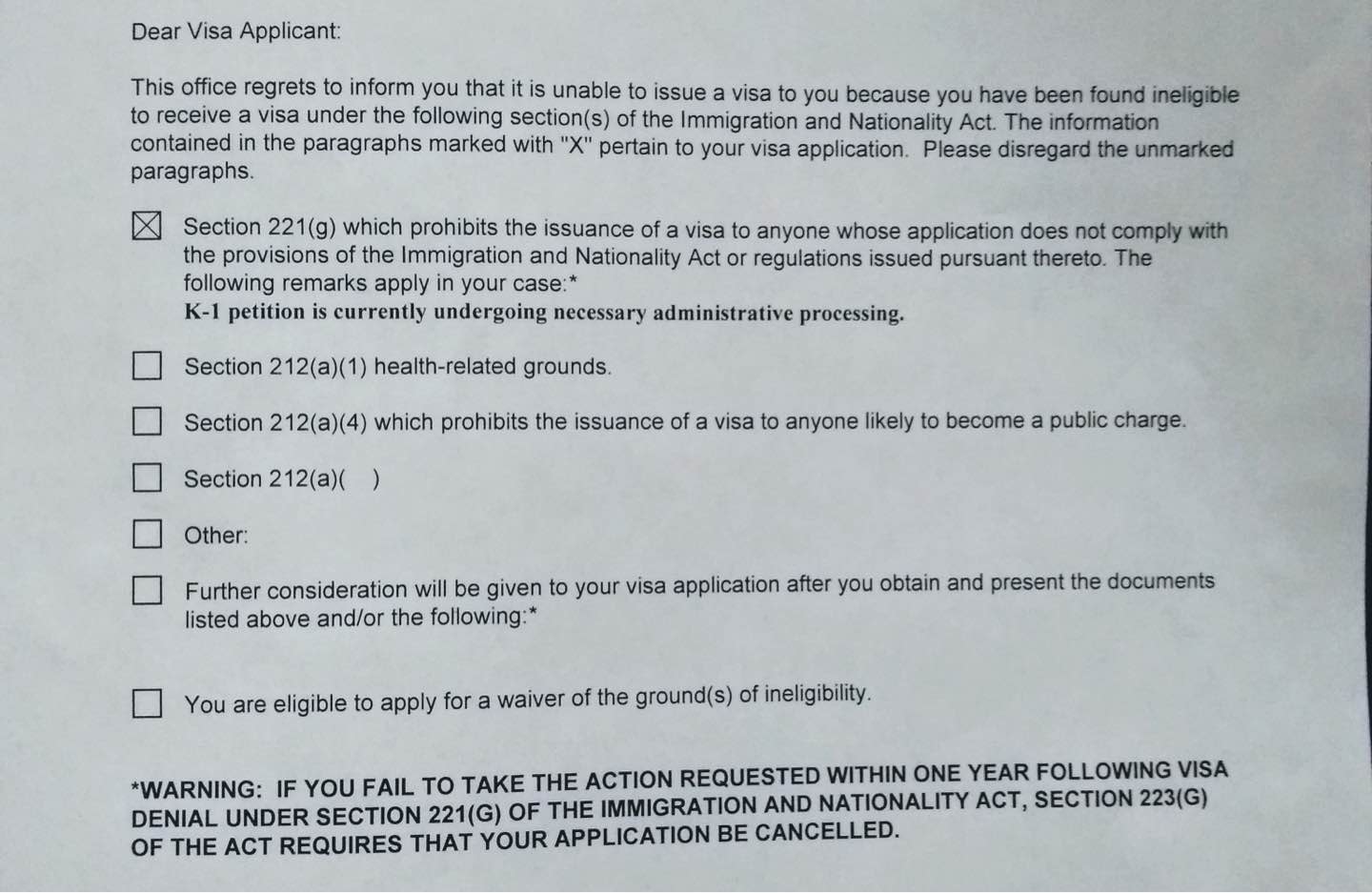
- A 221(g) notice is a temporary visa pause for administrative processing or additional documentation.
- Delays in 2026 often stem from DS-160 inconsistencies or stricter vetting protocols.
- Processing times vary widely, with most cases resolving between two and six months.
(UNITED STATES) A 221(g) notice at an H-1B interview does not mean the case is over. It means the consular officer has put the visa on hold for more documents or administrative processing.
For many applicants, the delay starts with a small paper slip and turns into weeks or months of waiting. The pressure is even higher in 2026, when stricter vetting, higher H-1B scrutiny, and more document checks have made DS-160 inconsistencies a common trigger for extra review.
What a 221(g) notice means in an H-1B case
Section 221(g) of the Immigration and Nationality Act lets a consular officer pause a visa case when more evidence is needed to decide eligibility. The passport is usually returned, and the case stays open while the applicant gathers records or the government completes background checks.
That is different from a refusal under section 214(b). A 221(g) notice is temporary. It often means the officer needs proof about the job, the employer, the pay, or the applicant’s background before moving ahead.
The U.S. Department of State explains visa status checks through the Consular Electronic Application Center and says applicants should watch the case online for updates. VisaVerge.com reports that H-1B cases are seeing longer review periods as consulates apply tighter screening.
Why H-1B applicants are seeing more delays
In 2026, H-1B applicants face a tougher environment. A $100,000 fee for new H-1B petitions from abroad, stricter vetting, and pauses on immigrant visas for nationals of 75 countries since January 21, 2026 are adding to the pressure. H-1B processing continues, but scrutiny is much heavier.
Consular officers are looking more closely at whether the job is real, whether the duties fit the H-1B specialty occupation standard, and whether the paperwork matches across every form. That is why even small DS-160 inconsistencies can lead to a 221(g) notice.
The wait time also stretches because many cases enter administrative processing after the interview. Pre-2026 averages were about 60-90 days, but current backlogs often push cases to 3-12 months or longer.
The most common triggers for a 221(g) notice
The notice usually appears when something in the file does not line up. In H-1B cases, the most common triggers include:
- Incomplete filings: missing DS-160 details, no I-797 approval notice, or weak petition documents.
- Job questions: doubts about whether the position qualifies as a specialty occupation.
- Document mismatches: differences between the DS-160, passport, I-797, LCA, or paystubs.
- Security checks: extra screening tied to country risk or biometric review.
- Intent concerns: questions about ties, wage level, or the length of stay.
The sharpest warning sign is a mismatch between the DS-160 notice, the I-797, the LCA, and paystubs. If the salary on the DS-160 differs from the LCA, or if recent pay records show gaps, the officer may ask for more proof before issuing the visa.
Records employers are often asked to provide
Consulates often want a fuller picture of the job. Employers usually need to send documents that prove the position is real, the salary is paid, and the worker fits the role.
Common employer-side documents include:
- A signed job description letter with daily duties and project details.
- An updated offer letter or employment contract showing salary and start date.
- A client letter for consulting or IT placements.
- A copy of the LCA and I-129 petition.
- Company financial records such as tax returns, bank statements, or audited statements.
For consulting cases, the end-client letter matters a lot. It should explain what the worker does, where the work happens, and why the person’s skills are needed. Consulates are paying close attention to these files in 2026.
Records applicants should keep ready
Applicants also need a clean, organized file. The most requested items include:
- Degree certificates, transcripts, and credential evaluations.
- Last 6-12 months of paystubs and tax records.
- A valid passport and prior passports.
- The DS-160 confirmation page.
- Two passport photos.
- Marriage or birth certificates for dependents.
- Professional licenses, certifications, and reference letters.
Bring originals and copies. Scan everything clearly. If a document is not in English, include a certified translation.
For Form DS-160, review the official Online Nonimmigrant Visa Application page before your interview. Small errors here often lead to a 221(g) notice later.
How applicants submit the extra documents
The 221(g) letter controls the next step. Some posts use courier drop-off. Others use online portals. A few still allow mail or in-person submission for urgent cases.
Many U.S. missions in India use courier partners such as VFS Global or Blue Dart. Other posts use embassy systems or the CEAC platform. The letter usually gives a deadline, often 30-60 days.
After submission, the status often changes to “Refused” and then to administrative processing. That wording alarms many people, but in a 221(g) case it often just means the review is still open.
What the timeline looks like now
There is no fixed finish date. Some 221(g) cases clear in under 60 days. Others take 6 months or longer. Security-related cases last even more.
About 20-30% of H-1B 221(g) cases resolve in under 60 days, while 50% finish within 6 months. Cases with high-volume posts or security checks often take longer.
Applicants should check CEAC regularly and keep proof of every submission. Email follow-up is usually the only contact route after the waiting period passes.
How to reduce the chance of delay
A careful file lowers the risk of extra review. The best cases start with clean paperwork and a full match across every form.
- Check the DS-160, I-797, LCA, passport, and paystubs before the interview.
- Carry original records plus copies.
- Ask the employer for letters on company letterhead.
- Explain any salary change or job change in writing.
- Keep pay records current.
- Respond quickly if the post asks for more evidence.
One practical step is to build a 221(g) packet before the interview. That packet should include recent paystubs, the approved petition, the LCA, degree records, and a current employer letter. It saves time when the officer asks for follow-up.
When the delay starts to hurt the job
Long waits affect both workers and employers. Workers can lose travel plans, delay family moves, or face pressure when their current status is close to expiring. Employers can lose staffing on active projects.
Some applicants wait so long that they consider a transfer to another employer or, after extended delay, legal action. Mandamus litigation is one option after 180 days in some cases.
The key point is simple. A 221(g) notice is not a denial. It is a pause. The case moves only after the missing evidence reaches the consulate, the background check ends, or both.
For applicants facing repeated DS-160 inconsistencies questions, the safest response is a complete, exact, and documented file. That gives the officer the cleanest path to finish the review and issue the visa.