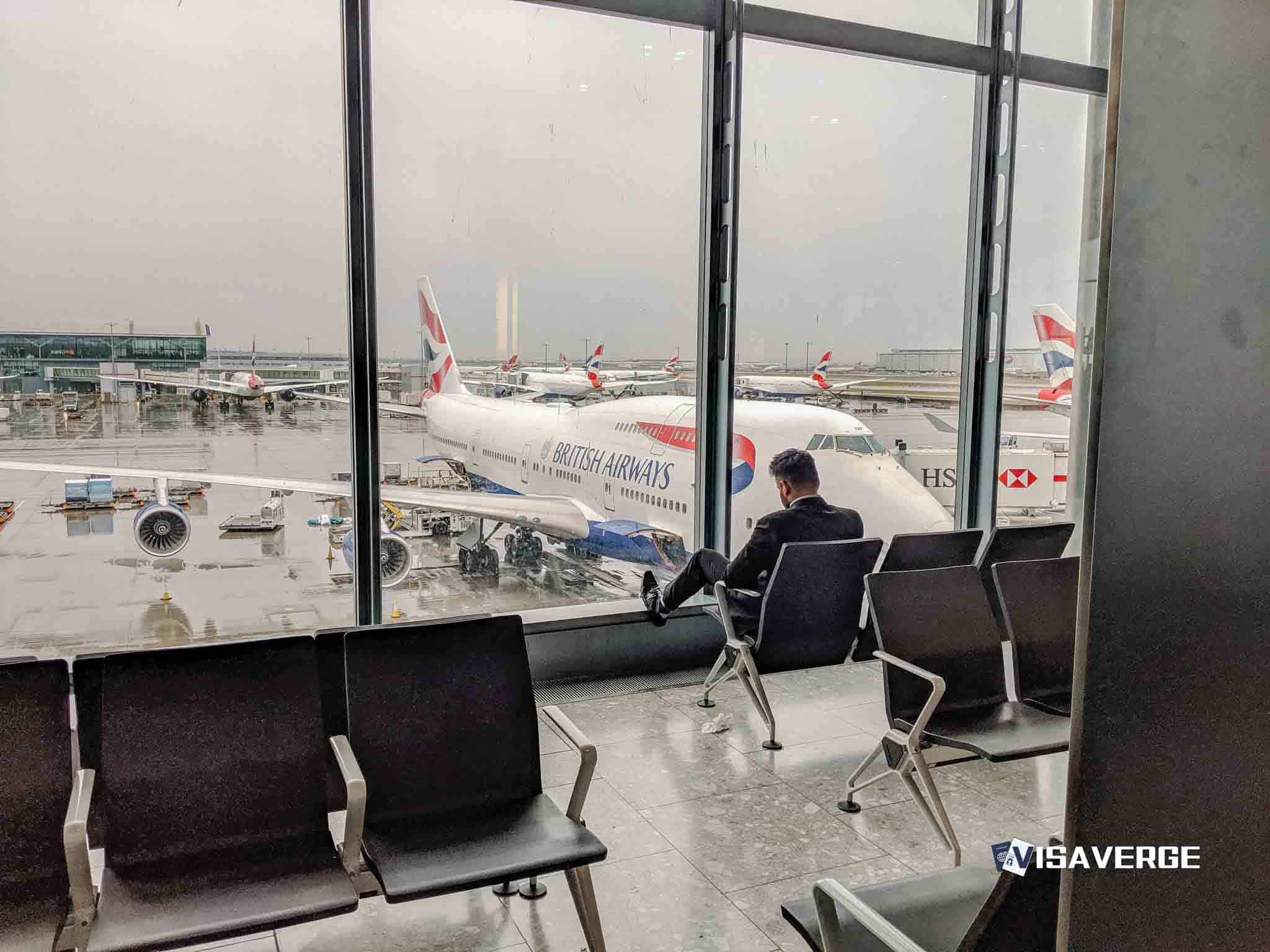
(VANCOUVER, CANADA) — Air India passengers flying out of Canada just got a stark reminder of how closely crews are screened at the gate. A pilot scheduled to operate Air India Flight AI186 from Vancouver was removed from the cockpit minutes before departure on December 23, 2025, after Canadian authorities determined he was intoxicated.
The incident involved a Boeing 777 assigned to the long‑haul flight from Vancouver toward Delhi. The widebody can carry up to 344 passengers. An alternate pilot was found, and the flight ultimately departed after a delay.

For travelers, the immediate impact is simple: expect tighter scrutiny, possible operational knock‑on delays, and a regulatory response that could affect Air India’s Canadian flying.
What authorities said and the rule at issue
Transport Canada called the event serious and said it is considering sanctions against Air India. Potential penalties range from heightened oversight to restrictions on flights to Canada.
The case hinges on Canada’s “12‑hour sobriety rule,” which bars flight crew from duty within 12 hours of consuming alcohol.
The trigger was unusual: a duty‑free shop worker reportedly alerted authorities after noticing the pilot’s condition. Security footage was reviewed to identify and intercept him while he was heading to the aircraft. Authorities then administered two independent breath tests, both indicating the pilot was unfit for duty.
Air India said it has a zero‑tolerance policy for alcohol violations. The airline removed the pilot from duty pending an internal investigation.
What’s known about the flight
AI186 is a key link for travelers moving between Western Canada and India, including families visiting during peak holiday periods. Reports described the aircraft as a Boeing 777 and tied it to a Vancouver–Delhi itinerary, with some references to a stopover in Vienna.
Here are the core details travelers care about:
| Detail | Information |
|---|---|
| Flight | Air India AI186 |
| Route | Vancouver (YVR) → Delhi (DEL) |
| Aircraft | Boeing 777 |
| Date of incident | December 23, 2025 |
| Issue | Air India pilot removed for intoxication |
| Rule cited | Transport Canada 12‑hour sobriety rule |
| Outcome | Replacement pilot found; flight delayed then operated |
Why regulators are paying extra attention
This incident arrives amid intensified scrutiny of Air India’s safety culture. It follows a June 2025 Dreamliner crash that killed 260 people, which increased pressure on the airline to demonstrate stronger internal controls.
While the Vancouver case ended without injuries, regulators treat cockpit alcohol cases as zero‑margin events. For Canada, the fact that there were two separate breath tests is an important detail: it signals the decision was evidence‑based, not subjective.
For Air India, the larger risks are reputational and regulatory. Even if flights continue as scheduled, extra oversight can mean:
- More spot checks
- Increased paperwork
- Longer turn times at the gate
⚠️ Heads Up: If you’re booked on Air India out of Canada this winter, pad your airport arrival time. Extra crew or compliance checks can add delays.
What this means for your booking out of Canada
Most passengers won’t change airlines because of a single incident. Still, it can affect how you plan and what you should expect.
If you’re flying Air India from Vancouver or Toronto, consider these practical moves:
- Book earlier flights when possible, especially if you have same‑day connections.
- Avoid tight onward connections in Europe or the Middle East.
- Keep receipts for meals and hotels if a delay turns into an overnight disruption.
Also, keep expectations realistic at the airport: crew swaps are complex on long‑haul flights, and a single missing pilot can cascade into hours of delay.
Loyalty and points angle: protect your miles and status credits
This incident is not a change to loyalty programs, but it can affect your points strategy through irregular operations.
- A normal delay usually won’t change mileage earning.
- A cancellation and reaccommodation might change how miles are credited.
- Rebookings onto a partner or different carrier can post at a different earning rate, which matters for elite status thresholds.
If you booked with points, note these specific tips:
- Credit card points bookings: If you used Amex Membership Rewards, Chase Ultimate Rewards, or similar portals, act quickly with the portal — gate agents may have limited control.
- Airline miles bookings: If you used Aeroplan or another program on a partner ticket, confirm the rebooked flight keeps the same fare class to preserve earning or upgrade eligibility.
If you’re chasing status, keep all boarding passes and e‑ticket receipts. Request “original routing credit” if your routing changes and miles do not post correctly.
Competitive context: other Canada–India options
Air India is not the only way to reach India from Canada. Many travelers use one‑stop itineraries on global carriers. Typical alternatives and why travelers choose them:
| Option | Typical routing | Why travelers pick it |
|---|---|---|
| Air India | Nonstop or fewer stops when available | Fewer connections; strong family travel demand |
| Gulf carriers | Via Doha / Dubai / Abu Dhabi | Frequent departures; strong premium cabins |
| European carriers | Via London / Frankfurt / Paris | Broad network; alliance connectivity |
| Air Canada + partners | Via alliance hubs | Easier Aeroplan earning and redemptions |
For points collectors in Canada, Aeroplan often remains the most flexible tool, covering Air Canada, Star Alliance partners, and many one‑stop options. That flexibility matters if an airline faces added oversight and you want backup routing choices.
Current regulatory status and traveler takeaway
Transport Canada has not announced any immediate flight bans as of early January 2026. Still, if you’re traveling Vancouver–Delhi in the next few weeks:
- Choose fares with low change penalties.
- Keep a one‑stop backup itinerary in mind before you head to the airport.
- Expect possible longer processing times at the gate due to compliance checks.
An Air India pilot was grounded in Vancouver after failing alcohol breath tests just before a long-haul flight to Delhi. This incident has triggered a serious regulatory review by Transport Canada, potentially leading to flight restrictions or heightened oversight. Occurring amid existing safety concerns for the airline, the event highlights a zero-tolerance approach to cockpit safety and signals upcoming operational delays for passengers.