- Applications for 2026 open on nationality-specific dates and sell out extremely quickly.
- Applicants must show funds of NZD 4,200 and meet age requirements (18-35).
- Preparation is vital as quotas are capped and portals experience high traffic.
(NEW ZEALAND) — New Zealand’s 2026 Working Holiday Schemes (WHS) are opening on scheduled, nationality-specific dates and many will sell out fast, making speed—and preparation—the real advantage for digital nomads planning a year (or more) down under.
The key differentiator in 2026 is simple: WHS places are capped by nationality and released on fixed opening dates, while skilled-style visas run on employer demand and longer processing. If you want a flexible “work-and-travel” year with light paperwork, WHS wins. If you want stability, longer stays, and a clearer path to residency, skilled pathways usually beat WHS.
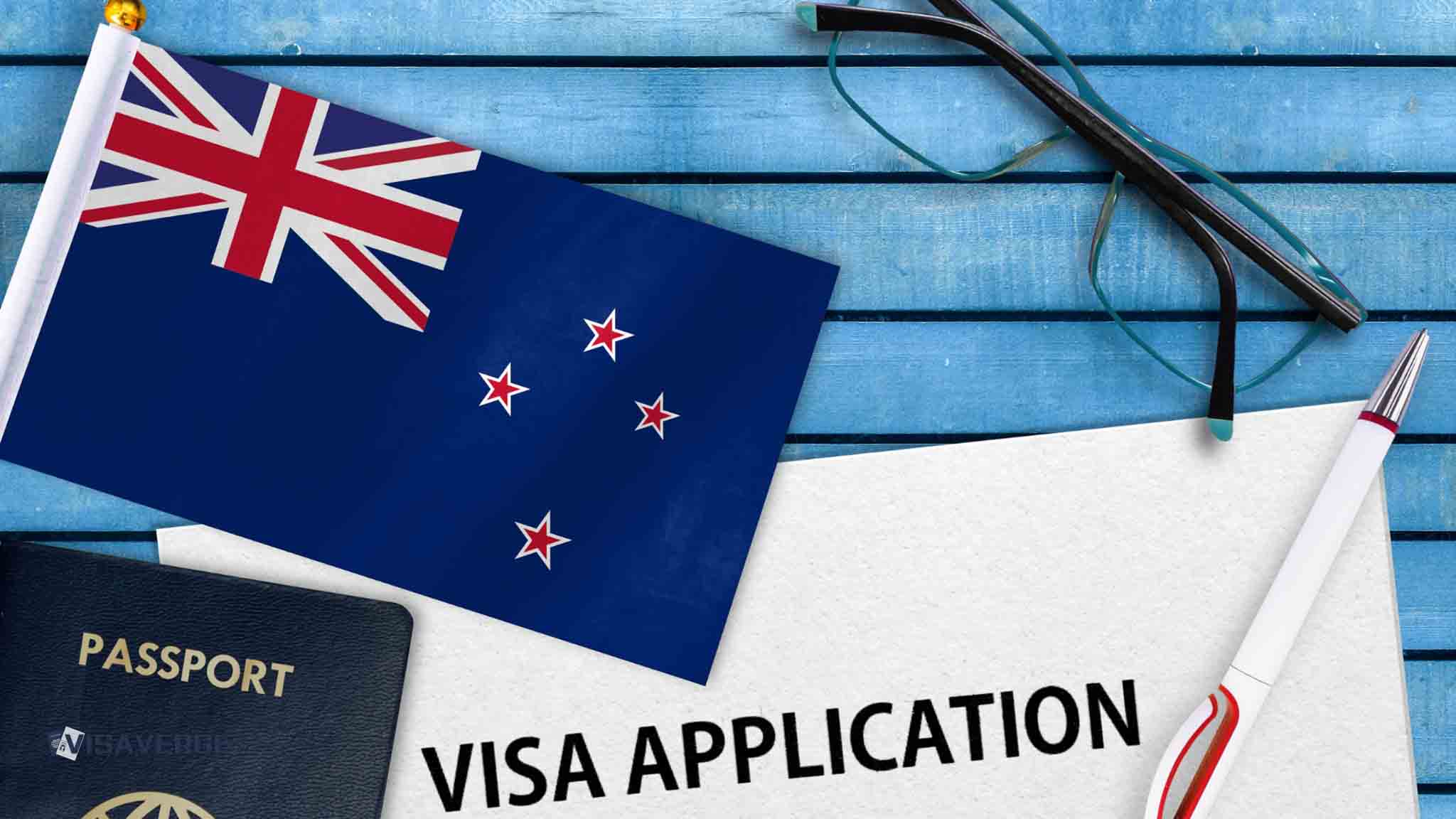
Side-by-side: NZ WHS vs NZ Skilled Work vs Australia options (2026 snapshot)
| Factor | New Zealand Working Holiday Scheme | NZ Skilled Work (Accredited Employer Work Visa) | Australia Working Holiday (417/462) | Australia Skilled (189/190 / employer-sponsored) |
|---|---|---|---|---|
| Best use | Fast entry + flexibility for young nomads | Longer-term base with employer backing | Bigger program + strong wages | Permanent-track planning |
| Typical duration | 12 months (some nationalities longer) | Often up to 3 years (role-dependent) | 12 months (+ extensions with conditions) | Varies; can lead to PR |
| Income requirement | Not a salary test; funds required: NZD 4,200 (~USD 2,380) | Salary must meet role/market rates | Usually funds + eligibility; not a salary test | Points/salary/employer vary |
| Tax status | NZ tax can apply from day 1 if working in NZ | Fully taxable in NZ | Australia tax applies if working there | Fully taxable in Australia |
| Cost of living (major city) | Auckland often USD 2,200–3,800/mo lifestyle-dependent | Similar (same country costs) | Sydney/Melbourne often USD 2,400–4,200/mo | Similar (same country costs) |
| Internet speed | Often 80–120 Mbps in main centres | Same | Often 90–140 Mbps in major cities | Same |
| Processing time | Often days to weeks, but depends on volumes | Often weeks to months | Often quick once lodged | Often months |
| Difficulty | Low–medium (timing + quota pressure) | Medium–high (job + compliance) | Low–medium | High (points, evidence, time) |
🌍 Visa Highlight: If you can hit “submit” at the moment your nationality’s WHS opens, New Zealand is one of the quickest ways to set up a legal work-and-travel year with remote-friendly rhythms.
Best choice by use case (quick pick)
Output fields
| Category | Top choice | Why |
|---|---|---|
| Best for budget | NZ WHS (outside Auckland) | You can keep costs down in smaller cities while staying legal to work locally. |
| Best for EU access | Not NZ/AU | Neither is in the EU; these are “Pacific base” plays, not Schengen strategies. |
| Best for families | NZ skilled work (AEWV) or Australia skilled | WHS is typically solo-friendly and age-limited; skilled routes fit dependants better. |
⏰ Time Zone: New Zealand runs UTC+12 (UTC+13 in daylight savings). That’s perfect for APAC clients, and late nights for North America.
1) Overview and timeline for 2026 Working Holiday Schemes
New Zealand’s Working Holiday Schemes operate like a ticket drop. Each partner country gets a quota (a capped number of places), and an opening window (a scheduled date/time when applications go live).
In 2026, openings follow a rolling pattern beginning in February, with additional nationalities opening later in the year. Some agreements open in spring or even closer to Q4. For digital nomads, that rolling calendar changes how you plan. You don’t “apply whenever.” You plan around the release moment.
One more twist: remaining 2025 places for some nationalities may still be open until filled. That can be a gift if you’re eligible and ready now. It can also create false comfort for 2026 planners. The minute a quota is gone, it’s gone until the next cycle.
2) Key opening dates by country (and how to not miss your slot)
In 2026, WHS opening dates start in February for some countries and continue in later months for others. Competitiveness varies massively by nationality.
Quota size drives stress levels. A scheme with a very small cap can disappear quickly. A larger cap may still clog the system at opening time.
How to read an “opening date” like a pro:
- Treat it as a submission deadline in reverse. You should be ready before it opens.
- Expect traffic, queues, and timeouts in the online portal near release moments.
- Small errors cost real money and time. A typo can mean starting again while places vanish.
Common reasons applicants miss a slot:
- Waiting to create an account until the opening minute.
- Payment cards failing verification.
- Uploads not ready (or not in an accepted format).
- Assuming “open all day” means low urgency.
New Zealand publishes nationality-by-nationality release timing through the official Immigration New Zealand channels. Check your country’s WHS page repeatedly in the week leading up to the opening.
3) Eligibility requirements (what matters most for nomads)
Most WHS applicants are 18–30, with some nationalities eligible up to 35. This age bracket is the first hard gate.
Baseline requirements you should expect across most agreements:
- Citizenship: You must hold a passport from a country with a WHS agreement with New Zealand.
- Passport validity: Often needs to cover your stay with extra buffer. New Zealand commonly expects a long validity window.
- Proof of funds: New Zealand’s WHS funds benchmark is NZD 4,200 (about USD 2,380).
- Onward travel: Proof of a return ticket or enough funds to buy one.
- Medical insurance: Expect coverage for hospital-level costs at minimum.
Where nationalities differ (and why you must verify):
- Maximum stay length (some get longer than 12 months).
- Whether you can study briefly.
- Health checks for certain travel histories.
- Employer time limits (this matters for mixing local jobs with remote client work).
4) Application requirements and process (online, fast, and unforgiving)
New Zealand WHS applications are lodged online through the Immigration New Zealand portal. The portal experience feels simple—until opening-day pressure hits.
Expect to provide identity details matching your passport, a passport biodata page copy, and evidence of funds and insurance. Fees are paid at lodgement and are generally non-refundable if refused.
Specifically, expect to provide:
- Identity details matching your passport.
- Passport biodata page copy.
- Evidence of funds (bank statement).
- Evidence of medical insurance (or plans to obtain it).
- Onward travel plan (ticket or funds).
After submission: you receive acknowledgement, Immigration may request more information, and processing time varies by country and volume. Opening-day surges can slow everything.
📋 Pro Tip: Keep a single folder with your passport scan, a clean bank statement PDF, and insurance docs named clearly. On opening day, speed beats perfectionism.
5) Work restrictions by nationality (and how that affects remote work)
Nationality-specific conditions are the most overlooked compliance issue. Two people can hold “a WHS,” yet have different employer limits and maximum stays.
Common restriction types include employer duration limits and total stay limits. Some agreements cap how long you can work for one employer; total stays are usually 12 months but vary by passport.
How that interacts with digital nomad-style work:
- If you’re doing local NZ work, track employer start/end dates carefully.
- If you’re working remotely for overseas clients, you still need to follow visa conditions and NZ laws and may trigger NZ tax obligations depending on facts.
- Keep records: contracts, invoices, pay slips, and dates in/out of the country.
A practical compliant pattern for many WHS holders is mixing short local contracts (seasonal, hospitality, events) and remote project work for existing overseas clients. Just don’t assume “remote” means “unregulated.” Visa conditions still apply.
New Zealand lifestyle reality check (cost + connectivity)
Internet: In Auckland, Wellington, and Christchurch, it’s normal to find stable fibre in apartments and strong speeds in coworking spaces. In smaller towns, it can be solid but less consistent.
Coworking culture: Auckland and Wellington have active coworking scenes. Queenstown skews seasonal and social. Book desks early during peak months.
Cost of living breakdown (USD, monthly)
| Expense | Budget | Comfortable | Premium |
|---|---|---|---|
| Rent (1BR) | $1,100 | $1,700 | $2,600 |
| Coworking | $120 | $250 | $450 |
| Food | $450 | $750 | $1,200 |
| Transport | $120 | $220 | $450 |
| Health Insurance | $80 | $150 | $300 |
| Entertainment | $200 | $400 | $800 |
| Total | $2,070 | $3,470 | $5,800 |
Auckland usually lands at the higher end. Smaller centres can drop rent meaningfully.
⚠️ Tax Disclaimer: Tax obligations for digital nomads are complex and depend on your citizenship, tax residency, and the countries involved. This article provides general information only. Consult a qualified international tax professional before making decisions that affect your tax status.
⚠️ Tax Warning: Working remotely from another country creates complex tax obligations. A digital nomad visa does NOT automatically exempt you from taxes in your home country or host country. U.S. citizens are taxed on worldwide income regardless of where they live. Consult an international tax professional before relocating.
“Choose X if…” recommendations
Choose New Zealand WHS if you’re in the eligible age range and your nationality has access, you want a flexible year with legal rights to take local work, and you can be online and ready at your opening date moment.
Choose NZ Accredited Employer Work Visa (skilled route) if you want a longer base and can secure a compliant job offer, you’re planning for a multi-year stay and possible residency strategy, or you’re bringing a partner or want more stability than WHS allows.
Choose Australia Working Holiday (417/462) if you want a larger WHM ecosystem and strong earning potential, you’re open to meeting Australia’s extension rules if you want year two/three, or you prefer Australia’s city network for coworking and flights.
Choose Australia skilled migration / employer-sponsored if you’re planning a longer settlement arc, not just a working holiday, you can handle higher documentation demands and longer timelines, or you want the clearest pathway to PR over time.
Next steps (do this in the next 14–60 days)
- Today (30 minutes): Create or refresh your Immigration New Zealand account, and confirm your passport validity covers your planned travel window.
- This week: Pull a bank statement showing at least NZD 4,200 (~USD 2,380), and keep it as a clean PDF.
- 2–4 weeks before your opening date: Arrange medical insurance that meets WHS expectations, and prepare onward travel evidence (ticket or funds).
- Opening day: Log in early, use a stable connection, and submit quickly. Pay with a card that supports international online verification.
- After approval: Book flights, then join a New Zealand WHS/Backpackers community group to track housing, seasonal work cycles, and coworking meetups in your first city.
Related Coverage