- U.S. Treasury Secretary Scott Bessent said the U.S. will shut down Iranian airlines worldwide by Wednesday, September 23.
- Airports, fuel suppliers, and ticket sellers face secondary sanctions if they keep serving Iranian carriers.
- The pressure follows September 8 sanctions on 27 Iranian airlines and related aviation entities.
U.S. Treasury Secretary Scott Bessent said the United States will seek to shut down Iranian airlines worldwide on Wednesday, September 23, by threatening airports, fuel suppliers and ticket sellers that continue serving them.
The pressure targets the companies keeping the carriers in the air. It does not amount to a ban imposed by every country, but it could make international operations harder by putting foreign service providers at risk of losing access to U.S. finance.
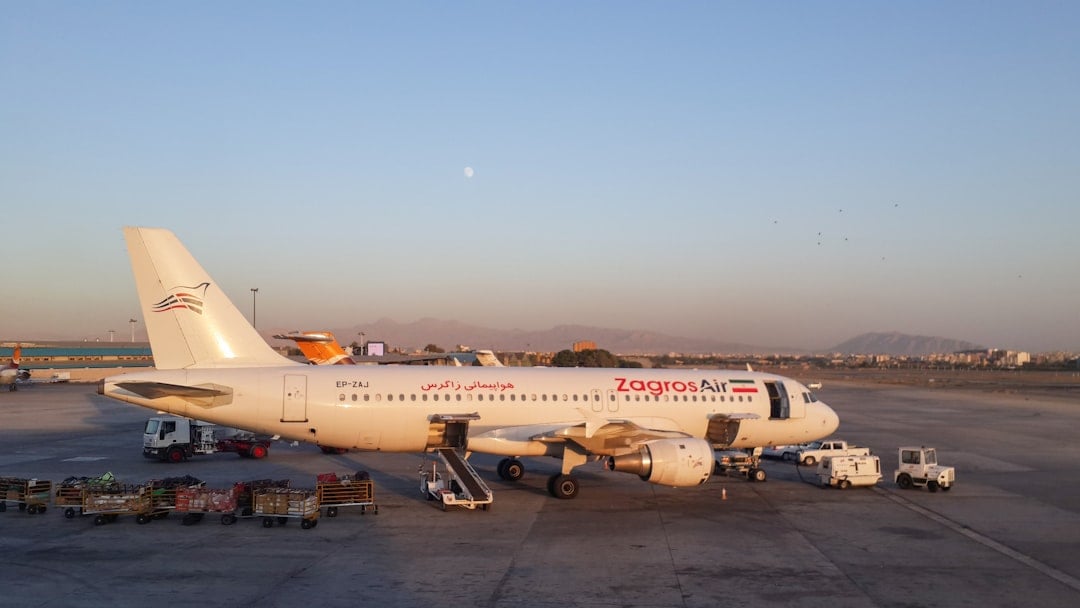
Bessent issued the warning after talks with Chinese Vice Premier He Lifeng on Sunday night. He said Chinese financial authorities, including People’s Bank of China Governor Pan Gongsheng, had been “very engaged” in discussions about compliance with U.S. sanctions on Iran.
The deadline is Wednesday.
“On September 23rd, all the Iranian airlines will be shut down around the world,”
Bessent also warned companies that help Iranian aircraft:
“you cannot provide them with fuel, you cannot provide them with landing services, you cannot sell them tickets, or you will be knocked out of the dollar system.”
The threat relies on secondary sanctions against businesses outside Iran. Airports, fuel providers and ticketing companies could face financial consequences even if their own governments have not prohibited dealings with Iranian carriers.
Washington framed the measure as an effort to close remaining channels supporting Iran’s aviation sector. The campaign follows sanctions announced on September 8 against 27 Iranian airlines and other aviation-related entities. One account described the package as covering 36 targets in total, including foreign intermediaries.
The deadline reaches beyond the airlines themselves
The earlier sanctions package was described in one account as part of “Operation Economic Outcast.” The Treasury also suspended General License J-1 and other aviation authorizations covering civil aircraft transactions and certain transit arrangements.
A separate authorization sets a specific clock.
| Measure | Date or deadline | Effect described in the material |
|---|---|---|
| Aviation sanctions | September 8, 2026 | Targeted 27 Iranian airlines and related entities |
| Wind-down transactions under General License DD | September 23, 2026, at 12:01 a.m. EDT | Set a deadline for some permitted transactions |
| Global service cutoff warning | Wednesday, September 23, 2026 | Pressured airports, fuel suppliers and ticket sellers to stop serving Iranian carriers |
The financial mechanism is central. Companies that provide landing services, fuel or ticket sales could lose access to the U.S. dollar financial system if they continue supporting the airlines.
That gives Washington leverage over firms operating in countries that have not announced a blanket grounding of Iranian carriers. The stated strategy reaches beyond the airlines themselves, including businesses involved in aircraft support and civilian aviation procurement.
Mahan Air has already cut routes across the region
Mahan Air began suspending international services after the sanctions announcement. The changes affected routes linked to Oman, Türkiye and Georgia.
Its Tehran–Muscat service ended on September 17, 2026. Flights to Istanbul and Ankara were scheduled to stop on September 21, with the last flights on those routes on September 20.
Georgia also faced a cutoff.
Flights by sanctioned Iranian carriers to Georgia were expected to stop from September 21, 2026. The route changes show how the pressure can affect passengers before the broader deadline arrives, as access to airports and supporting services narrows.
The measures also carry consequences for airlines that depend on transit arrangements, fuel contracts and local ticket sales. Each lost service can remove a connection even where no government has announced a general ban on Iranian aviation.
Washington is pressing Beijing while regional governments adjust
Bessent’s comments placed China inside the enforcement effort. His reference to Pan Gongsheng followed the discussion with He Lifeng and tied financial cooperation to the sanctions campaign.
The Treasury Department spokesman said the agency would continue coordinating with other governments. The department thanked Oman and Turkey for steps taken against Iranian airline operations.
“We will continue to work together with partners to keep the Iranian regime from using any remaining economic lifelines to support its destabilizing and terroristic agenda,”
The administration’s approach combines sanctions on Iranian aviation entities with pressure on third-country businesses. It also seeks to restrict networks tied to aviation procurement and support.
Iran condemns the pressure as the cutoff approaches
Iranian officials and institutions rejected the regional cooperation behind the airline restrictions. A statement from the Khatam al-Anbiya Central Headquarters, carried by Iranian state media, said:
“According to the information received, the criminal America, has once again decided to resume measures against Iran, with the green light of some regional countries…”
Iranian diplomat Seyed Ali Mojani separately criticized Tbilisi after Georgia joined the sanctions pressure on Iranian airlines. He accused the Georgian capital of making decisions “to the glory of America.”
The next deadline is September 23, 2026. Companies handling fuel, airport services or ticket sales for Iranian carriers face the choice Bessent described: continue servicing the airlines or risk exclusion from the financial system that supports their international business.