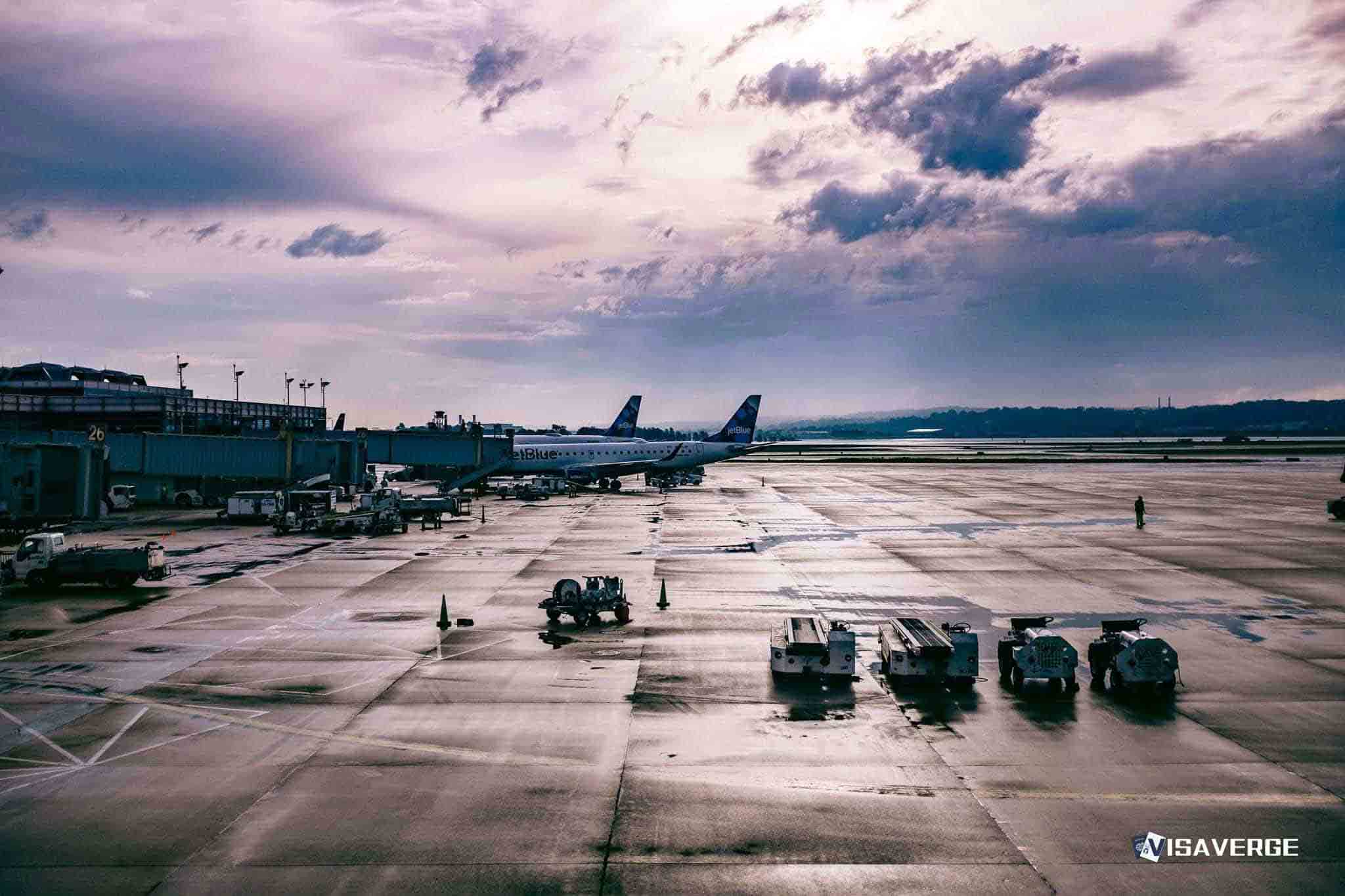
(INDIA) India’s government has ordered IndiGo to cut about 10% of its approved winter schedule of domestic flights and hand those slots to “other reliable carriers,” a move officials say is meant to protect passengers after weeks of mass cancellations and delays across the country’s busy aviation network. The step is one of the toughest interventions in recent years against a private airline that dominates India’s skies and carries a large share of people travelling for work, study and immigration‑related purposes.
What the government ordered
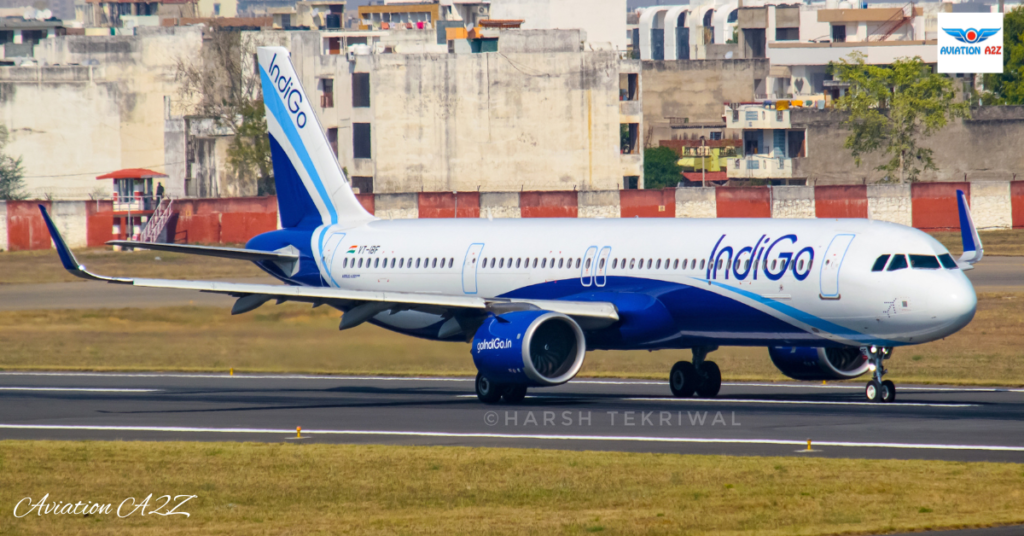
The decision, announced on December 10, 2025 by Civil Aviation Minister Kinjarapu Ram Mohan Naidu, targets IndiGo’s approved winter schedule rather than its entire long‑term capacity.
The regulator, the Directorate General of Civil Aviation (DGCA), has directed the carrier to reduce scheduled flights by 10% for the winter schedule, with those slots to be redistributed. Officials say the focus is on routes where repeated cancellations left passengers stranded, including people trying to connect to international long‑haul flights linked to visa interviews, overseas jobs, and university reporting dates.
Why slots will go to “other reliable carriers”
The government has stressed that the reallocated flights will go only to what it calls “other reliable carriers”, a phrase meant to reassure the public that new operators taking over IndiGo’s slots will actually have the crews, aircraft and finances to run those flights.
According to Naidu, the aim is not to punish IndiGo for its own sake, but to make sure that another round of widespread cancellations does not hit families already under pressure from visa deadlines, limited leave from overseas employers, and fixed reporting dates at universities abroad.
The DGCA has said it will examine the capacity and performance of each airline before assigning extra slots.
“The aim is not to punish IndiGo for its own sake, but to make sure that another round of widespread cancellations does not hit families already under pressure.” — Civil Aviation Minister Kinjarapu Ram Mohan Naidu
Passenger impact and common problems
Public outrage followed days of mass delays and cancellations that disrupted travel plans across India and affected international connections. Many passengers on domestic IndiGo flights were heading to major hubs like Delhi, Mumbai, Bengaluru, and Hyderabad for onward journeys to the 🇺🇸 and other destinations.
Missing a domestic leg can cause:
– Missed embassy appointments and biometric slots
– Loss of non‑refundable visa fees
– Need to rebook international tickets at much higher cost
– Delays to job start dates, college registrations, or family reunification
The DGCA mainly regulates safety and scheduling, not immigration, but its actions affect people’s chances of reaching consulates, biometric centres and overseas ports of entry on time. Travellers are being urged to check bookings carefully and keep more buffer time between domestic and international legs.
Market share and capacity — what data show
Despite political reaction, current data indicate the order is unlikely to slash IndiGo’s market dominance as much as some reports claimed.
Key figures:
– DGCA data for August 2025: 83.14 lakh passengers carried by IndiGo → 64.2% domestic market share (slightly down from 65.2% in July).
– IndiGo “consistently held more than 63% of the market every month this year.”
– Industry database Statista: FY 2025 domestic share at around 63%.
– OAG (tracking December 2025 seats after disruptions): IndiGo holds 53% of total seat capacity in India with 13.7 million seats, up 10% year‑on‑year.
Table — Selected market and capacity figures
| Metric | Value |
|---|---|
| DGCA passengers (Aug 2025) | 83.14 lakh |
| DGCA domestic market share (Aug 2025) | 64.2% |
| DGCA domestic market share (Jul 2025) | 65.2% |
| Statista FY 2025 domestic share | ~63% |
| OAG seat capacity (Dec 2025) | 13.7 million seats (53%) |
| OAG year‑on‑year seat change | +10% |
Analysts note that a 10% cut in the winter schedule reduces authorised flights for that season only; it does not automatically translate into a 10 percentage‑point crash in market share. Market share is measured over time by passengers actually carried, not by one seasonal schedule.
So far, there is no official or reputable data showing IndiGo falling to “around 55%” after this order. Domestic passenger‑share numbers through 2025 remain in the 63–65% range, and capacity data show the airline still above half of all seats in December.
Who might take the freed-up slots
The Ministry of Civil Aviation has said slot allocation will consider each airline’s real resources so that new flights are not simply cancelled again.
Reported responses and likely candidates:
– SpiceJet: announced plans to add up to 100 daily flights in its winter schedule “amid IndiGo’s crisis,” subject to regulatory clearance.
– Other main candidates include Air India, Air India Express, SpiceJet, and Akasa to take on additional routes, including trunk routes feeding international gateways.
The DGCA will assess capacity and performance before allocating slots to ensure stability.
Practical advice for travellers (especially migrants and students)
For migrants, students, and time‑sensitive travellers, the immediate concern is reliability rather than market percentages.
Recommended actions:
1. Book early — secure seats well in advance.
2. Allow extra buffer time between domestic and international legs.
3. Monitor airline messages and flight status closely in the weeks before departure.
4. Consider earlier domestic connections before embassy visits or international departures where possible.
5. Consult travel agents or immigration lawyers if timing is critical; they may advise avoiding tight same‑day connections.
Some immigration lawyers advise clients to avoid tight same‑day domestic‑to‑international connections during the winter season, when delays and cancellations are most likely to ripple through travel plans.
Broader implications for India’s aviation market
The government’s tougher stance signals that carriers could face concrete limits — including cuts to winter schedules — if operational problems leave large numbers of passengers stranded.
Context:
– Over the last decade, cheap fares and aggressive growth expanded access to international consulates and departure airports, supporting rising numbers of students and workers heading overseas.
– That growth has sometimes outpaced the system’s ability to manage crew shortages, maintenance, and weather disruptions.
Policymakers are aware that India still relies heavily on IndiGo to connect smaller cities to hubs. A deeper or longer‑lasting reduction in IndiGo’s capacity could hurt access for people in tier‑2 and tier‑3 cities, affecting:
– Workers heading to Gulf states
– Students bound for North America and Europe
– Families travelling to join relatives abroad
This contextualises why the order focuses on a 10% seasonal cut rather than a broad attempt to break IndiGo’s dominance overnight.
What happens next
Analysts say the coming months will reveal whether rival airlines can absorb the slots and run stable services without suffering their own operational problems.
Two possible outcomes:
– If Air India and others run stable, on‑time services with the reallocated slots, passengers may gain more choice and improved resilience.
– If new cancellations occur across multiple airlines, pressure will grow on the government and the DGCA to rethink how winter schedules are approved and monitored.
Key takeaway: The Centre’s order has put IndiGo under stricter limits for this winter, but the airline still commands a huge share of India’s domestic skies. How smoothly the network runs over the rest of the winter schedule will shape the journeys of workers, students and families whose immigration plans depend on reaching consulates and international flights on time.
For more information on the regulator, see the DGCA website: https://dgca.gov.in
The Indian government ordered IndiGo to cut 10% of its approved winter domestic flights after weeks of mass cancellations and delays. The DGCA will reallocate those slots to vetted “other reliable carriers” to protect passengers with time‑sensitive international connections. IndiGo still controls roughly 63–65% of the domestic market in 2025. Travellers, especially migrants and students, should book early, add buffer time between connections, and monitor flight updates as rivals attempt to absorb reassigned routes.
Live Government Data
State Dept • CBPBusiest Border Crossings
- Nogales 120 min
- San Ysidro 100 min
- Nogales 90 min