EU Commission Says Airlines Cannot Add Fuel Charges After Ticket Purchase
The European Commission on May 8, 2026, adopted guidance that airlines cannot add a fuel charge to tickets already bought, affecting passengers with existing bookings.
At a glance
- The Commission adopted the guidance on May 8, 2026, and published it May 12.
- Airlines cannot add fuel charges to tickets after purchase, under existing air-ticket rules.
- Package prices may rise for fuel only if contract allows, with 20 days' notice.
Reviewed November 27, 2026 Checked against eur-lex.europa.eu and transport.ec.europa.eu
The European Commission, the EU’s executive body, adopted guidance on May 8, 2026, clarifying that airlines cannot add a fuel charge to a ticket after it has been bought simply because fuel became more expensive. The Commission published Notice C/2026/2669 on May 12, 2026.
The guidance clarifies existing rules rather than creating a new fuel-surcharge law. It was issued amid disruptions to fuel supplies, including a reduced supply of jet fuel from the Middle East.
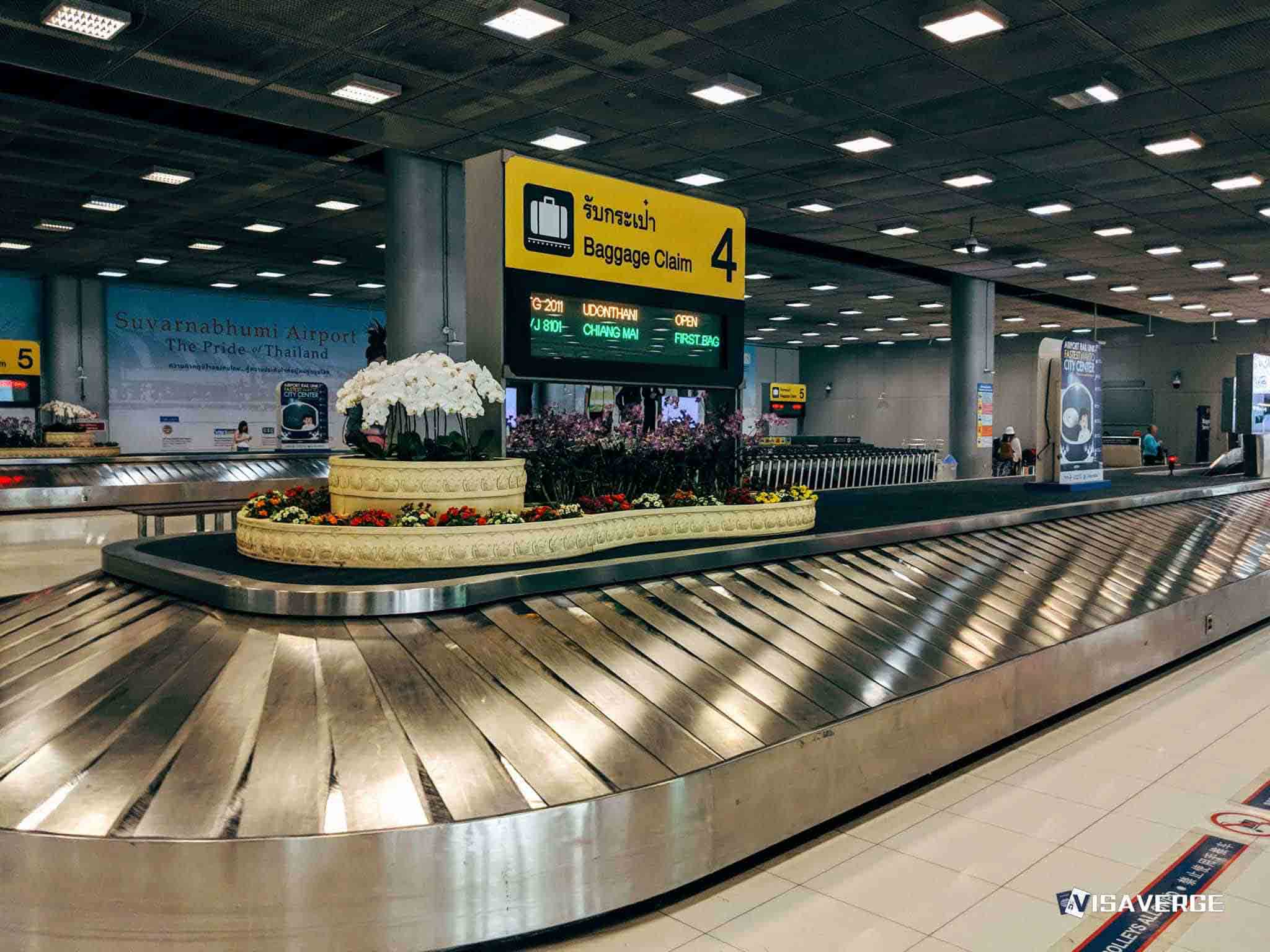
If you have bought or are comparing an airline ticket
The rule applies to air services from an airport in a Member State to which the Treaty applies. The EU’s air-fare transparency rules require airlines offering or publishing fares to the public to display the final ticket price. That price must include all unavoidable and foreseeable price elements.
Airlines may adjust fares before a ticket is sold to reflect changes in operating costs. After purchase, however, they cannot increase the ticket price retroactively because fuel cost more than the airline had accounted for. Airlines whose terms still allow a fuel surcharge after ticket sale must change those terms because they do not comply with the regulation.
A fuel-related charge treated as an optional price supplement must be explained clearly, transparently and unambiguously at the start of the booking process. The customer must accept it on an opt-in basis.
When a package holiday price can change
The Package Travel Directive, EU rules for package holidays, allows an organiser to increase a package price for fuel or other power-source costs of passenger transport only if the contract provides for the increase and it directly results from a change in those costs. The organiser must give the traveller clear and comprehensible notice at least 20 days before departure, with a justification and calculation on a durable medium.
A qualifying increase of up to 8% of the package price does not require the traveller’s agreement. If the proposed increase is more than 8%, the traveller may accept it or terminate the contract without paying a termination fee.
If the contract allows fuel-based price increases, travellers are also entitled to a price reduction if fuel prices fall. For an increase above 8%, the traveller’s choices are to accept the increase or end the contract without a termination fee.
Keep reading
More in Airlines →
What to do now
- People who have booked a package holiday: If the increase exceeds 8%, choose whether to accept it or terminate the contract.
Sources
Primary documents and official agency releases referenced in this story.