(INDIA) India’s aviation regulator DGCA has rolled back a core part of its new crew duty and rest rules after more than 1,000 IndiGo flights were cancelled in just four days, throwing the country’s busiest airports into chaos and stranding tens of thousands of passengers. The temporary retreat from tighter Flight Duty Time Limitation (FDTL) norms, confirmed this week, is meant to ease an acute shortage of available crew at the budget carrier and restore some stability to schedules during the busy winter travel season.
What happened: cancellations and immediate impacts

The cancellations, centred on IndiGo, exposed how sharply the new fatigue rules had squeezed airline rosters. The updated FDTL framework — introduced to curb pilot exhaustion by lengthening weekly rest and tightening night duty limits — left IndiGo with far fewer deployable pilots and cabin crew than required for its vast network.
Over just four days, the country’s largest airline dropped more than 1,000 flights across its system, affecting key hubs such as Delhi, Bengaluru and Hyderabad, as well as several smaller cities.
The disruption was most visible in the national capital. On December 5, all IndiGo departures from Delhi were cancelled for the entire day — an almost unprecedented shutdown for an airline that usually dominates domestic traffic at the airport. Travellers reported:
- packed terminals and long queues at service counters
- last‑minute scramble to rebook on other carriers or different dates
- hundreds more IndiGo flights across India either cancelled outright or suffering long delays
- many passengers stranded overnight, adding pressure on already stretched airport infrastructure during peak season
Why the FDTL changes caused the problem
Under the original FDTL changes:
- Night‑time definitions were expanded
- Night duties were capped more strictly
- Pilots were guaranteed longer weekly rest periods
Regulators argued these steps were needed to reduce fatigue‑linked risks and align Indian rules with global standards. However, when the stricter phase fully kicked in, IndiGo ran into serious staffing gaps.
Although the airline had known about the new regime for two years, officials say IndiGo admitted to the DGCA that it had misjudged how many extra crew it would need to maintain its schedule under the tougher rules.
Pilot unions, while broadly welcoming fatigue protections, say the meltdown had underlying causes:
- years of lean staffing strategies
- very high aircraft utilisation
- heavy use of crew leaving almost no buffer when rest obligations rose
With pilots already stretched, the new FDTL standards effectively forced IndiGo to pull aircraft off the schedule because there were simply not enough legally rested crew available to operate them.
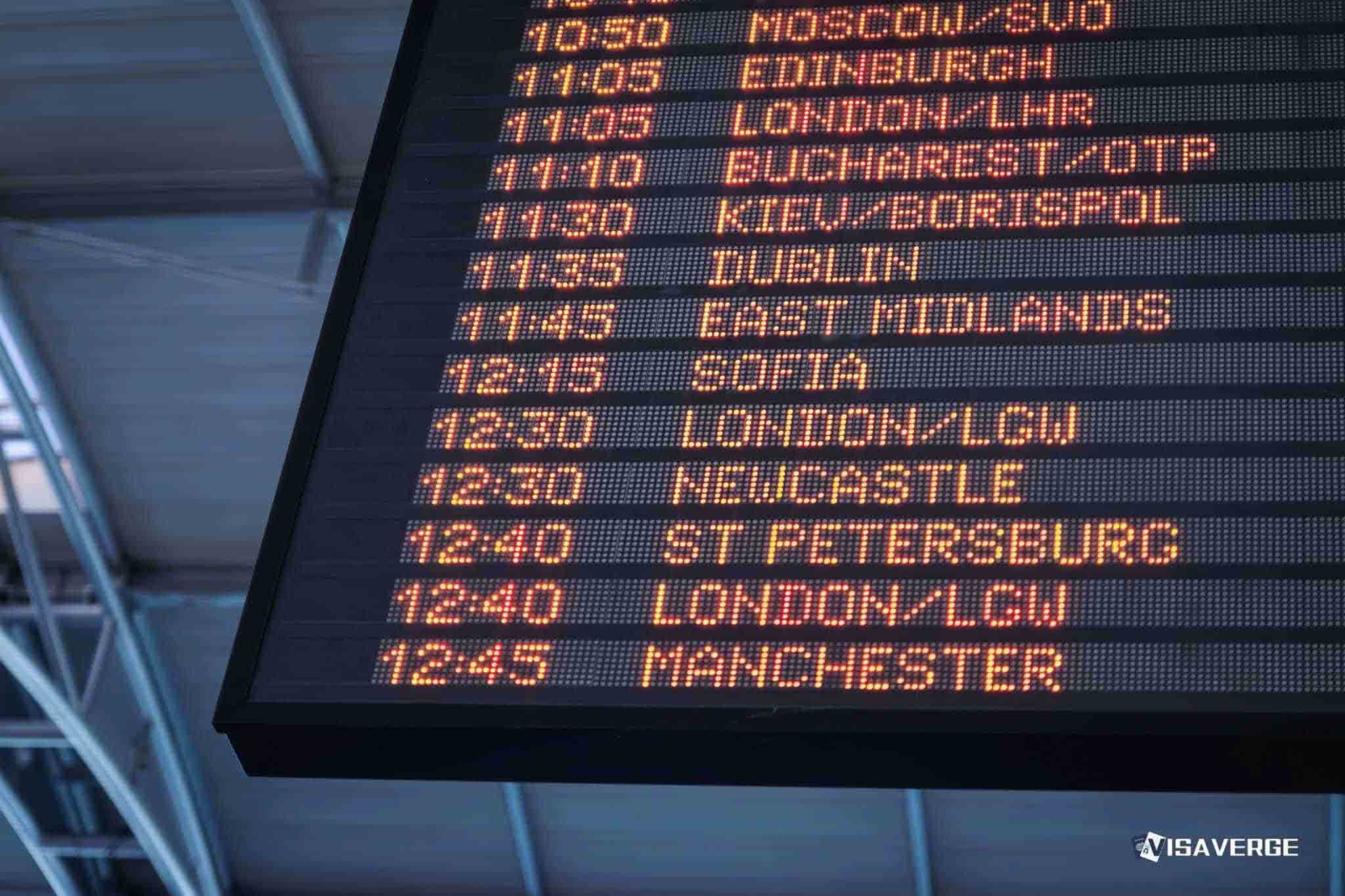
For passengers, the operational reality was a confusing mix of last‑minute texts, app notifications and airport announcements signalling cancellations or rolling delays.
DGCA response: targeted relaxation
Facing growing public anger and mounting economic losses, the DGCA issued a one‑time, time‑bound relaxation of some of the toughest roster clauses.
In practice, this means:
- airlines can temporarily revert to parts of the older duty‑time norms or
- apply softer limits in areas like weekly rest and night operations
This allows carriers to roster more flights without breaching regulations. Officials emphasized this is not a full rollback of the FDTL reform but a targeted easing intended to restore network stability while airlines rework crew planning.
Safety remains non‑negotiable: the DGCA framed the relaxation as an exceptional step during peak winter travel and fog season, when disruptions can quickly cascade across the system.
DGCA inspectors will continue to monitor airlines’ rosters and actual duty logs to ensure operators do not use the breathing space to push pilots beyond safe limits. The long‑term policy goal remains to keep stronger fatigue protections once carriers shore up staffing and adjust schedules.
IndiGo actions and passenger advice
IndiGo has begun trimming its timetable to reduce pressure on its crew pool. The airline has signalled that cancellations and reduced frequencies will continue for several days, even with the DGCA’s relief, as it gradually rebuilds a sustainable roster.
Practical advice and expectations for passengers:
- Expect real risk of further disruption for bookings in the next week
- Check flight status repeatedly on airline apps and airport websites before heading to the airport
- Be especially cautious for early‑morning and late‑night departures, which are more sensitive to FDTL rules and winter fog
Be prepared for possible further cancellations in the next week; carry essentials and have backup travel options when booking near busy times or overnight slots.
The Ministry of Civil Aviation has pressed IndiGo to improve on‑ground handling of affected customers. The airline has been told to:
- strengthen information desks
- speed up rebooking and refund options
- give clearer communication about delay lengths and alternatives
DGCA has reportedly required IndiGo to submit regular progress reports on its operational recovery until the network returns to a more normal pattern.
Wider consequences: visas, international connections and policy debate
Although the crisis is mainly centred on domestic travel, the knock‑on effects reach travellers connecting to and from international flights, including those on student, work and family visas. Missed onward connections can complicate visa‑related travel plans, especially where entry deadlines or appointment dates are strict.
Passenger groups say this highlights the need for:
- airlines to build more resilience into schedules, and
- regulators like the DGCA to phase in major rule changes with visible contingency plans
The episode has reopened debate on balancing rapid aviation growth with labour and safety standards. The DGCA’s FDTL push aimed to protect pilots from long‑term health effects and reduce fatigue‑related incidents as carriers expand aggressively. Yet the scale of cancellations shows how sensitive the system is when a major operator is caught short on planning.
Industry analysts warn that similar crises could recur whenever rules tighten or unexpected events reduce crew availability unless operators invest early in:
- adequate staffing, and
- realistic scheduling under the new norms
Where to find official updates
Officials point passengers and industry observers to the Directorate General of Civil Aviation website for official circulars and updates on FDTL regulations and temporary relaxations. Any further changes to the Flight Duty Time Limitation (FDTL) framework, or extensions of the current leeway granted to IndiGo and other airlines, are expected to be published there.
As airlines adjust rosters and the regulator monitors how quickly operations normalise, the uneasy trade‑off between strict fatigue safeguards and day‑to‑day schedule reliability remains central to the debate over India’s crowded skies.
The DGCA temporarily relaxed parts of its new FDTL rules after IndiGo cancelled more than 1,000 flights over four days due to crew shortages. Stricter night definitions and longer weekly rest requirements reduced deployable crew, prompting a targeted, time-bound easing to restore schedules. IndiGo is cutting frequencies and expects ongoing disruptions while rebuilding rosters. The DGCA will monitor compliance; safety protections remain the long-term goal as carriers adjust staffing and scheduling.