- American Airlines has fully implemented a 9-group boarding system across more than 100 U.S. airports.
- New software now flags passengers scanning early, ensuring travelers board only when their specific group is called.
- Boarding times have shifted earlier to 35-40 minutes before departure to reduce gate crowding and bin stress.
American Airlines’ 9-group boarding process is now fully in place after May 1, 2025, and it has changed the way passengers move through the gate. The airline starts boarding earlier, separates preboarding from the numbered groups, and uses software that flags passengers who scan in the wrong order.
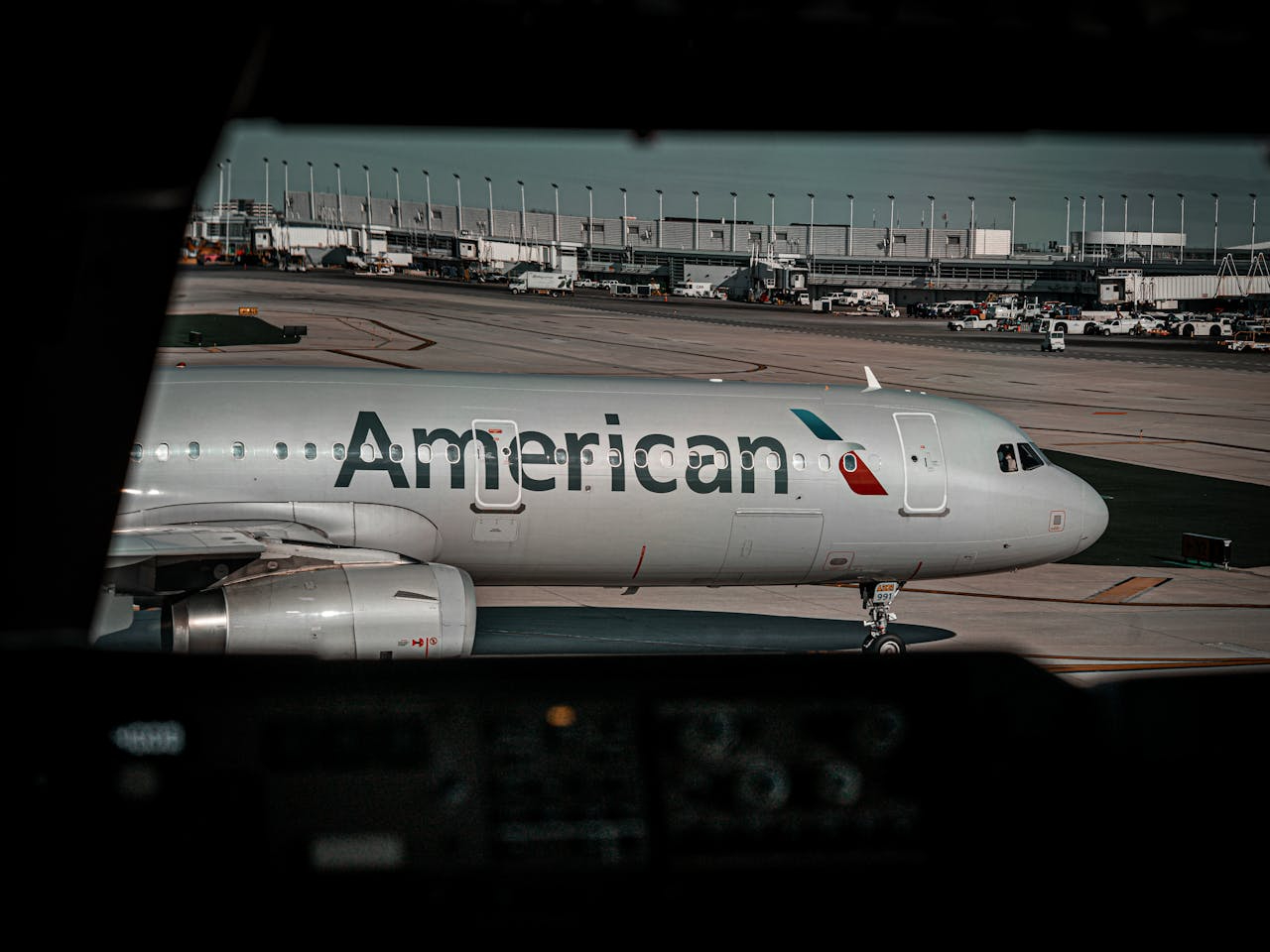
For immigrants, visa holders, and families arriving in the United States, the system matters because it reduces gate crowding, protects overhead bin space, and cuts the risk of missed boarding calls during tight connections. VisaVerge.com reports that the rollout has made boarding more orderly at major U.S. hubs and on many international routes.
How the boarding order works now
American Airlines divides passengers into preboarding plus Groups 1 through 9. Your boarding group appears on your boarding pass and in the airline app. Gate screens and announcements call each group in sequence.
The biggest change is that First and Business Class passengers no longer sit inside Group 1. They board during preboarding, alongside ConciergeKey® members, families with children under 2, and passengers needing assistance such as wheelchair support or disability assistance. That shift reduced the size of the first numbered groups and made early boarding less crowded.
The airline also starts boarding earlier than it did before 2025. Boarding begins 35 minutes before departure on Airbus A319 and A320 aircraft. It begins 40 minutes before departure on Boeing 737s, Airbus A321s, and all widebody aircraft used on longer domestic and international routes.
That extra time matters on busy travel days. It gives gate agents more room to move passengers in order and gives early boarders a better chance at overhead bin space.
The full group breakdown at the gate
The order is now tightly defined:
- Preboard: ConciergeKey® members, First and Business Class, families with children under 2, and passengers needing assistance.
- Group 1: AAdvantage Executive Platinum® members and active U.S. military with ID.
- Group 2: AAdvantage Platinum Pro® members and oneworld Emerald℠ members.
- Group 3: AAdvantage Platinum® members and oneworld Sapphire℠ members.
- Group 4: AAdvantage Gold® members, oneworld Ruby℠ members, AirPass℠ holders, Citi® / AAdvantage® Executive World Elite Mastercard® holders, Premium Economy, and Priority boarding buyers.
- Group 5: Main Cabin Extra, except Basic Economy; AAdvantage members with 15,000 Loyalty Points in the qualifying year; eligible AAdvantage credit cardholders; and AAdvantage Business℠ travelers.
- Group 6: All other AAdvantage® members.
- Groups 7 and 8: Main Cabin.
- Group 9: Basic Economy, unless another status or benefit moves the traveler earlier.
American says the rules do not remove elite benefits. They enforce them more strictly. A passenger in a later group cannot simply drift forward and board early.
Technology now polices the line
The airline’s in-house software is the engine behind the change. When a passenger scans out of turn, the system emits an audible beep and shows a visual alert. Gate agents then direct that traveler back into the correct line.
That matters because the old boarding style encouraged gate bunching and line-jumping. With the new system, agents can also override the scan for families or companions traveling together. That keeps groups united without slowing the whole gate.
The technology reached 90% of American’s customers by mid-2025 and was completed by year-end. It is now active at more than 100 U.S. airports, including Dallas Fort Worth, Charlotte, Austin, Atlanta, Albuquerque, Tucson, and Ronald Reagan Washington National.
Trials at those airports showed less crowding near the gate and better use of overhead bins. In those tests, gate-checks dropped as the boarding process became more controlled.
Why immigrants and international travelers notice the difference
For newcomers to the United States, boarding order is not a minor detail. It affects stress, timing, and the chance of making a connecting flight. A person arriving after a long immigration line at a U.S. airport does not need a chaotic gate on top of that.
Families traveling with small children benefit immediately. Preboarding gives them time to settle children, stow a stroller, and find seats without pressure from the line behind them. Elderly green card holders and passengers with disabilities also avoid the rush.
Work visa holders, student visa holders, and family-based immigrants often travel with multiple bags, documents, and tight schedules. A clearer boarding sequence reduces confusion and helps avoid accidental line-jumping, which can delay boarding.
The same rules also help travelers on long-haul flights into the United States. Widebody aircraft board 40 minutes before departure, which gives passengers more time to organize carry-ons and sit down before pushback.
For travelers concerned about carry-on limits, the airline still follows standard cabin bag rules. Most passengers may bring one carry-on bag and one personal item. For official guidance on what fits in the cabin and at security, review the [TSA’s carry-on baggage rules](https://www.tsa.gov/travel/security-screening/whatcanibring/all). American’s own boarding information is available on its [official boarding page](https://www.aa.com/boarding).
What passengers should expect at the airport
The gate routine is now more predictable. Agents announce “Preboard now boarding” first, then call each numbered group in order. Digital signs reinforce the calls, and the software tracks how many travelers are in each group.
American says the system is meant to keep the lane moving and protect bin space for people who board early. The earlier groups, especially preboard through Group 4, usually fill the front bins first. Later groups use the middle and rear bins.
That structure also gives status members and premium-cabin travelers the priority they purchased or earned. At the same time, it leaves less room for passengers who try to push ahead of their assigned group.
There have been no major changes since the rollout. The system is now standard across American’s network, with only minor software refinements during busy travel periods.
For travelers who fly often to attend visa appointments, start jobs, or join family in the United States, the practical effect is simple. The gate now works more like a timed queue and less like a scramble. That makes the boarding experience calmer for everyone waiting to leave the airport.