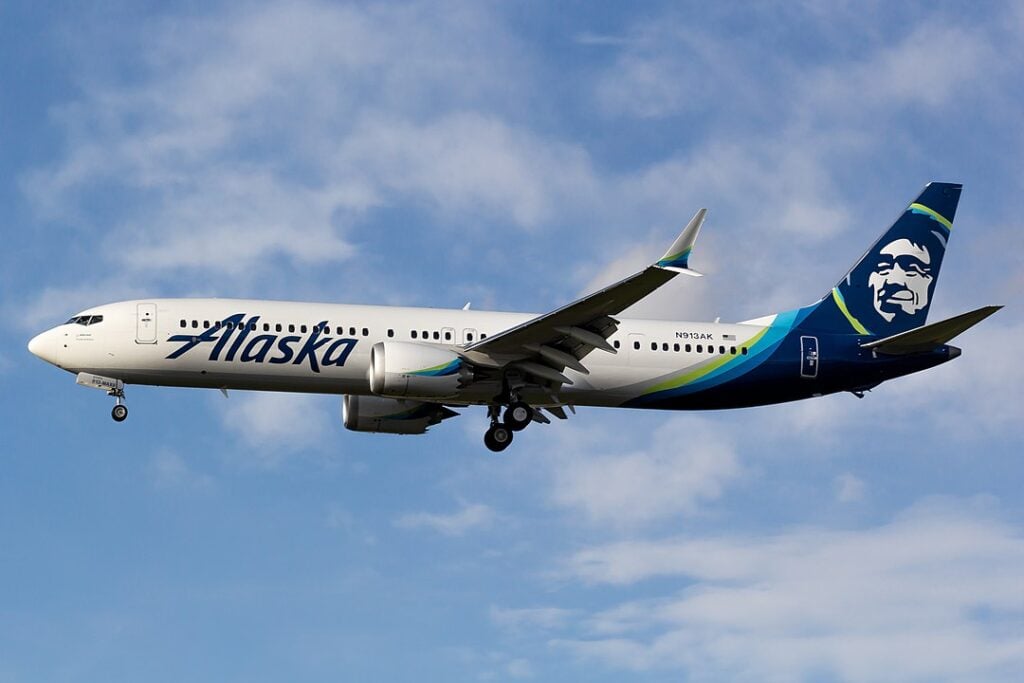
Alaska Airlines Flight Attendants Approve New Contract, Strike Risk Lowered
Alaska Airlines flight attendants approved a strike authorization vote, but later ratified a new three-year contract that took effect March 2, 2025. The...
Alaska Airlines flight attendants approved a strike authorization vote by 99.48% in 2024.
A new three-year contract was ratified by 95% of voters and took effect on March 2, 2025.
The deal added higher pay and boarding pay, lowering strike risk for travelers.
(ALASKA) — Alaska Airlines flight attendants voted overwhelmingly to authorize a strike in 2024, but the dispute ended with a ratified contract instead of a walkout. Travelers got the bigger answer they were waiting for: the work stoppage never happened, and a new three-year deal took effect on March 2, 2025.
The strike authorization vote passed by 99.48% in favor. That showed nearly total support for stronger pay and working conditions if talks failed. It did not, by itself, give flight attendants the legal right to strike.
Alaska Airlines Flight Attendants Vote for Strike Authorization as Contract Talks Stall
Alaska later reached a new three-year contract with its flight attendants, and the agreement was approved by 95% of voters after more than 90% of eligible flight attendants cast ballots. The deal included higher pay, boarding pay, scheduling improvements, and better benefits.
| Key item | Figure |
|—|—|
| Strike authorization vote | 99.48% yes |
| Contract ratification | 95% approval |
| Ballot turnout | More than 90% |
| Contract effective date | March 2, 2025 |
| Horizon Air authorization vote | 99.8% yes |
The timing mattered for passengers watching Alaska’s operation and its labor costs. A strike can rattle schedules, especially at an airline that leans heavily on customer loyalty and repeat business. A settled contract removes that near-term risk, while also increasing labor expenses that can feed into future fares if the airline passes costs along.
Mileage and elite-status travelers had another reason to watch. Labor unrest can lead to irregular operations, rebooking headaches, and missed connections that affect award trips and status runs. Once the contract was in place, that pressure eased. Alaska Mileage Plan members still had to deal with the usual day-to-day risks of weather and schedule changes, but not the added threat of a flight-attendant strike.
| Comparison | Strike authorization phase | After ratification |
|—|—|—|
| Operational risk | Higher | Lower |
| Contract status | Unsettled | Settled |
| Pay and benefits | Still under negotiation | Improved under new deal |
| Travel disruption risk | Elevated if talks failed | Reduced |
The legal path also matters. Under the Railway Labor Act, airline workers cannot walk off the job just because a vote passes. The National Mediation Board has to release the parties after mediation, and a cooling-off period has to run out before a legal strike can begin. A strike authorization vote signals that workers are ready to act if talks collapse. It is not the same thing as a strike launch.
That distinction often gets lost in headlines. A 99% authorization vote sounds like an immediate shutdown is coming, but the process at U.S. airlines is slower and more constrained than in many other industries. The vote gives a union leverage. It does not override federal labor procedure.
A related labor fight also surfaced at Horizon Air, which is part of Alaska Air Group. Horizon flight attendants voted 99.8% to authorize a strike amid stalled contract talks. That put pressure on the broader Alaska Air Group labor picture, even though the two negotiations were separate.
Alaska’s final contract closed a tense chapter. Travelers booking the airline now face the usual decisions about schedule, price, and mileage earning, not the added risk of an imminent cabin crew strike. Those watching Alaska Air Group should still track contract talks at Horizon, where the vote showed almost unanimous support for a possible strike if negotiations stall again.
?
People also ask
Answers from VisaVerge guides
What percentage of Alaska Airlines flight attendants supported the new three-year contract?
95% of voting members supported the new three-year contract.
How did the November 2024 labor contract affect flight attendants at American Airlines?
The November 2024 labor contract provided a 20.5% pay raise and introduced 'boarding pay,' enhancing job appeal but increasing operational costs for American Airlines.
Jim Grey serves as Senior Editor at VisaVerge.com, where he leads the site's aviation and air-travel coverage — airlines, airports, TSA rules, and the operational disruptions that affect millions of journeys. With a keen eye for detail and deep knowledge of the travel sector, Jim ensures every report is accurate, timely, and genuinely useful to travelers. His guidance keeps VisaVerge readers informed and prepared from booking to boarding.