Key Takeaways
- Detained Uyghurs in Thailand face possible deportation to China, risking imprisonment, torture, or death amid severe detention conditions.
- Deportation would violate international non-refoulement laws, while Thailand’s geopolitical ties with China complicate resolution efforts.
- Advocacy groups urge resettlement solutions; international pressure is critical to ensure detainees’ safety and uphold human rights commitments.
The situation of the 43 detained Uyghur men in Thailand 🇹🇭 represents not only a pressing human rights issue but also a serious test of international responsibility. Reports suggest these individuals may face deportation to China 🇨🇳, a decision that has sparked significant concern among human rights advocates. Many fear the deportees could face imprisonment, torture, or even death upon returning to China’s Xinjiang region, where the Uyghur ethnic group has endured years of systemic abuse. Their prolonged detention underscores broader issues about the treatment of refugees and Thailand’s obligations under international law.
Who Are the Uyghurs and Why Are They Targeted?
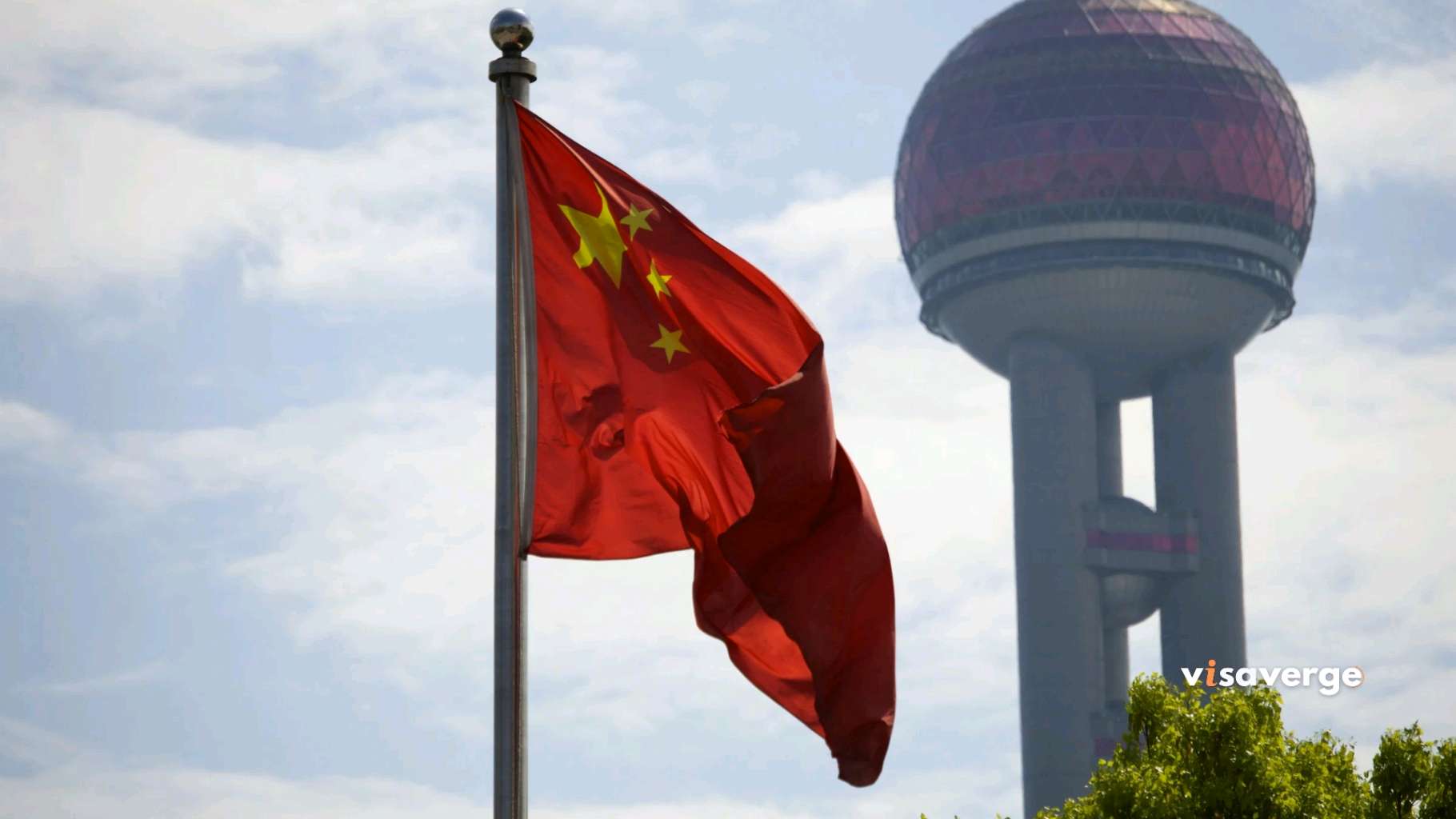
The Uyghurs are a predominantly Muslim ethnic group originating from China’s Xinjiang region. They have distinct cultural, linguistic, and religious practices, setting them apart from the country’s Han majority. Since 2017, China’s policies toward Uyghurs have escalated, with reports of mass detention in “re-education camps,” forced labor, and cultural erasure. Some governments and organizations have classified this treatment as genocide. An estimated one million or more Uyghurs are believed to have been detained in these facilities under the guise of combating “extremism.”
The plight of Uyghurs living abroad also highlights China’s global reach. Uyghurs who flee often face severe risks if deported back to China. Beijing regards Uyghur refugees as threats, labeling them—without evidence—as “jihadists” or terrorists, and has pressured countries worldwide to forcibly return them.
The Detention in Thailand: A Timeline
The 43 men currently detained in Thailand are part of a larger group of Uyghurs who fled China in 2014. Initially, 300 individuals crossed the border into Thailand, seeking safety from persecution. However, many were detained by Thai authorities near the Malaysian border. In 2015, 109 of the detained Uyghur men were forcibly deported to China under controversial circumstances. To this day, their exact fate remains unknown, although reports suggest they were likely imprisoned or worse.
The remaining men have now spent nearly a decade in Thai detention facilities, where conditions have been described as inhumane. Sparse food, poor sanitation, severely overcrowded cells, and limited access to legal counsel have left a severe impact on the physical and mental well-being of the detainees. Advocacy groups have reported that five Uyghurs in custody have died during this period due to these harsh conditions.
The recent warning from these detainees about an “imminent threat” of deportation has raised the stakes. Reports suggest that Thai authorities have requested the detainees sign “voluntary deportation” papers, echoing events before the deportations in 2015. Rights groups fear that these deportations could consist of pressure tactics or coerced agreements, which would contravene international laws aimed at protecting vulnerable individuals.
International Law: The Principle of Non-Refoulement
The global legal framework concerning refugee protection includes the principle of non-refoulement. This principle, outlined in several treaties including the 1951 Refugee Convention, prohibits countries from sending individuals back to a place where they could face serious harm. Although Thailand is not a signatory to the Refugee Convention, it is still bound by other international norms that enforce this principle, such as the Convention Against Torture.
Deporting the Uyghurs back to China would almost certainly constitute a violation of non-refoulement. Human rights experts have consistently voiced that Uyghurs face severe risks—including imprisonment, mistreatment, and even disappearance—if returned. In February 2024, United Nations (UN) human rights experts urged Thailand to ensure humane detention conditions and reminded the country of its obligations under international law. Despite repeated calls, the situation remains unresolved, with Thailand appearing resistant to these recommendations.
The Geopolitical Tightrope: Thailand, China, and Western Nations
Thailand’s decisions regarding Uyghur detainees are influenced by broader geopolitical dynamics. This year marks the 50th anniversary of diplomatic relations between Thailand and China, a partnership that plays a crucial role in Thailand’s economy. Observers suggest that deepening economic ties with Beijing could push Thai officials toward actions that adhere to China’s demands, including deportation of Uyghurs. Thailand may also be banking on limited backlash from Western countries, many of which are preoccupied with internal political issues.
At the same time, Turkey 🇹🇷 has, in the past, been vocal about Uyghur human rights. Its historical ties to the Uyghur community have shaped this stance. However, in recent years, its criticism of China’s treatment of Uyghurs has cooled, likely due to Turkey’s growing economic dependence on Beijing. This shift leaves detained Uyghurs with fewer powerful allies advocating on their behalf.
The Role of the International Community
Human rights organizations around the globe have intensified their efforts to address the situation, urging Thailand to immediately stop any plans for deportation. Groups like Justice For All’s Save Uyghur Campaign stress the importance of finding resettlement options to safeguard the lives of detained Uyghurs. Third-country resettlement, which involves nations providing asylum to vulnerable refugees, has emerged as a potential solution. The United States, Canada 🇨🇦, and some EU nations have programs to resettle at-risk Uyghurs; however, bureaucratic delays continue to hinder these efforts.
International organizations, including the United Nations High Commissioner for Refugees (UNHCR), must intensify advocacy around this issue. Ensuring that detainees have access to legal representation and impartial hearings is critical. Such actions would help protect their basic rights and reduce the likelihood of deportation under unclear or coercive terms.
Thailand’s Reputation at Stake
The choices Thailand makes regarding the Uyghurs will have long-term consequences. While deportations could bolster ties with China, they might also badly harm Thailand’s international reputation. Countries that violate international human rights standards often face criticism, sanctions, or strained relations with key global partners. For Thailand, which depends heavily on foreign investment and tourism, ignoring worldwide calls to treat detainees humanely could have economic and diplomatic repercussions.
On the other hand, taking a stand to protect these detained individuals could enhance Thailand’s standing as a responsible member of the international community. Offering these Uyghurs temporary refuge or working with other nations to arrange for their resettlement could transform what is a dire situation into an opportunity for leadership.
What Now? Paths Forward for All Stakeholders
Various stakeholders have roles to play in resolving this crisis:
- Thailand: Thai authorities must prioritize adherence to international human rights laws. Exploring third-country resettlement solutions and granting better conditions to detainees would show a commitment to humanitarian principles.
-
International Organizations: Advocacy groups and UN bodies must maintain pressure on the Thai government to halt deportation plans and improve detention conditions. Additionally, facilitating safe resettlement routes ensures detainees do not end up neglected further.
-
Western Governments: Countries like the United States and Canada should expedite asylum processes for Uyghur refugees while using diplomatic channels to prevent deportations. Their leadership could set a precedent for other nations to follow.
-
Activists: Raising awareness through campaigns and media engagement can keep focus on the detainees’ plight. Without public attention, their already fragile position may worsen under political or economic calculations.
A Test of International Commitment
This situation serves as a stark reminder of the global Uyghur crisis. The detained Uyghur men in Thailand face an uncertain future, and time is running out to safeguard their lives from the risks of deportation to China. As nations navigate competing interests, the principle of non-refoulement must remain paramount. Governments, NGOs, and international bodies have an opportunity to act decisively, demonstrating that human rights remain non-negotiable.
The world will undoubtedly continue to watch how this crisis unfolds. As VisaVerge.com highlights, cases like these are litmus tests for international cooperation on refugee protection. For the Uyghurs caged in harsh conditions, the hope is not just survival but a chance for dignity and safety.
For accurate information about global refugee laws and protections, visit the United Nations Refugee Agency website.
Uyghurs in Thailand Face Risk of Deportation to China
43 Uyghur men detained in Thailand for over a decade are warning that they face imminent deportation to China, where they fear imprisonment, torture, or death. Human rights advocates are calling on the international community to intervene.
Why it matters: Deporting these detainees would likely violate the principle of non-refoulement in international law, which prohibits returning people to countries where they are at risk of persecution. The detention also underscores Thailand’s lack of refugee protections and China’s growing influence in Southeast Asia.
The big picture: Uyghurs, a predominantly Muslim Turkic ethnic group from China’s Xinjiang region, have long faced persecution. Since 2017, reports have emerged of mass detentions, forced labor, and alleged genocide, with over one million Uyghurs detained in “re-education camps.”
- In 2014, over 300 Uyghurs fleeing China were detained by Thai authorities. Women and children were granted refuge in Turkey, but 109 men were forcibly deported to China in 2015—their fate remains unknown.
- The remaining detainees have been held under harsh conditions in Thai detention centers for over a decade.
State of play: Thai officials have reportedly pressured the detainees to sign “voluntary deportation” papers. This push comes amid the 50th anniversary of diplomatic ties with China, raising suspicions of geopolitical motives.
Conditions in detention: The detainees face dire circumstances in overcrowded facilities with scarce food, poor sanitation, and no access to legal counsel or family.
- Human rights groups report at least five deaths among detainees, attributed to harsh conditions.
- Thailand is not a signatory to the 1951 UN Refugee Convention, complicating these individuals’ ability to seek asylum or resettlement through legal channels.
What they’re saying: Advocates and detainees have issued public pleas to international organizations, warning of the life-threatening consequences of deportation. “The international community must act now to prevent another humanitarian disaster,” said Justice For All’s Save Uyghur Campaign.
Yes, but: Thailand appears to be prioritizing its growing economic ties with China, complicating efforts to press the Thai government on human rights without straining geopolitical relations.
Geopolitical angle:
– China has labeled Uyghurs “jihadists” without evidence while pressuring countries globally to repatriate them.
– Traditional Uyghur advocates like Turkey have grown quieter, possibly due to economic dependencies on China.
The bottom line: The potential deportation of Uyghurs from Thailand highlights both an urgent humanitarian crisis and a test for global norms on human rights. Without concerted international action, these detainees risk severe persecution, and Thailand’s commitment to basic freedoms will face further scrutiny.
Learn Today
Non-refoulement: A legal principle that prohibits returning individuals to a place where they may face harm or persecution.
Re-education camps: Detention facilities where individuals undergo forced indoctrination, often accused of eradicating cultural or religious identity.
Third-country resettlement: A process where refugees are relocated to a nation offering long-term safety and legal residency.
Uyghurs: A predominantly Muslim ethnic group from China’s Xinjiang region, known for their distinct cultural, religious, and linguistic identity.
Forced deportation: Returning individuals to their home country against their will, often violating international human rights laws.
This Article in a Nutshell
Thailand’s detention of 43 Uyghur men highlights a dire human rights issue. Facing possible deportation to China, they risk torture or worse. Bound by international norms, Thailand must uphold non-refoulement principles. Global advocacy is crucial to ensure humane treatment and resettlement, spotlighting the urgent need for international unity in protecting refugees.
— By VisaVerge.com
Read more:
• Thailand Visa-Free Travel Extended to 60 Days for Australians
• Thailand Visa Extension: 60-Day Stay Boosts Business and Tourism
• Thailand Visa Updates for Students: New Destination Thailand Visa
• Thailand Travel Warning: UK Tourists Face Detention Risks
• Thailand Digital Nomad Visa Extended to 5 Years