Key Takeaways
- Over 40 ICE detainees were relocated to Texas and Arizona on February 11, 2025, via an overnight flight.
- ICE implemented arrest quotas of 75 daily per field office and utilizes military planes for deportation missions.
- Guantánamo Bay will hold up to 30,000 “high-risk” migrant detainees under the Laken Riley Act signed January 29, 2025.
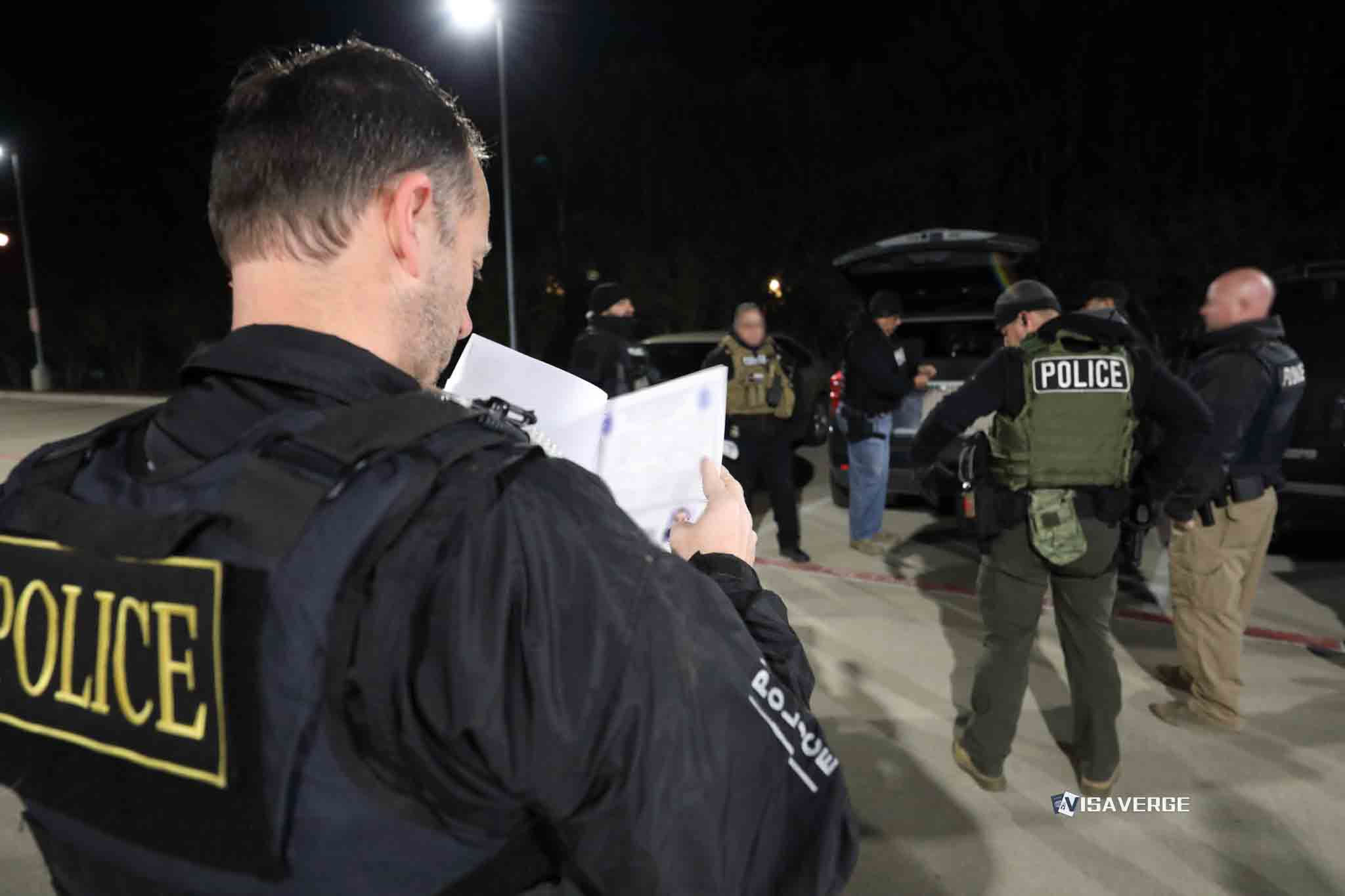
At least 40 detainees under the custody of Immigration and Customs Enforcement (ICE) were relocated from New England to border states on February 11, 2025, via an overnight flight. This marks one of the first large-scale implementations of the Trump administration’s renewed focus on strict immigration enforcement since President Trump resumed office on January 20, 2025. Texas 🇺🇸 and Arizona 🇺🇸 were selected as receiving states for this operation, reflecting the administration’s broader strategy of placing detainees closer to the U.S.-Mexico border, a move designed to speed up deportation processes.
The coordinated transfer aligns with the administration’s overarching policies to increase detention capacity and step up deportations. Such measures represent key aspects of the president’s immigration promises. Although these transfers aim to alleviate overcrowding in New England detention facilities, they have also triggered concerns among legal advocates and immigrant rights groups regarding the transparency and fairness of these operations.

Expanding Detention Capacity Amid Rising Enforcement
Currently, ICE has a funded detention capacity of 41,500 beds, which officials argue is insufficient to meet the administration’s aggressive targets for increased detentions and arrests. The Department of Homeland Security (DHS) has pursued solutions, including transferring detainees to less-congested facilities near the border. In particular, it has tapped into unconventional resources, such as the Buckley Space Force Base in Colorado 🇺🇸, where detainees will be staged and processed. This approach reflects efforts to utilize federal and military infrastructure to support heightened enforcement measures.
The administration has also pushed forward with ambitious quotas for ICE operations. On January 25, 2025, ICE officials were directed to make at least 75 arrests per day per field office across its 25 districts, totaling a staggering 1,875 arrests daily. This goal was described by Stephen Miller, Deputy Chief of Staff, as “a floor, not a ceiling.” Such quotas underscore a renewed crackdown on undocumented immigrants, although the feasibility and morality of such large-scale arrests have drawn criticism.
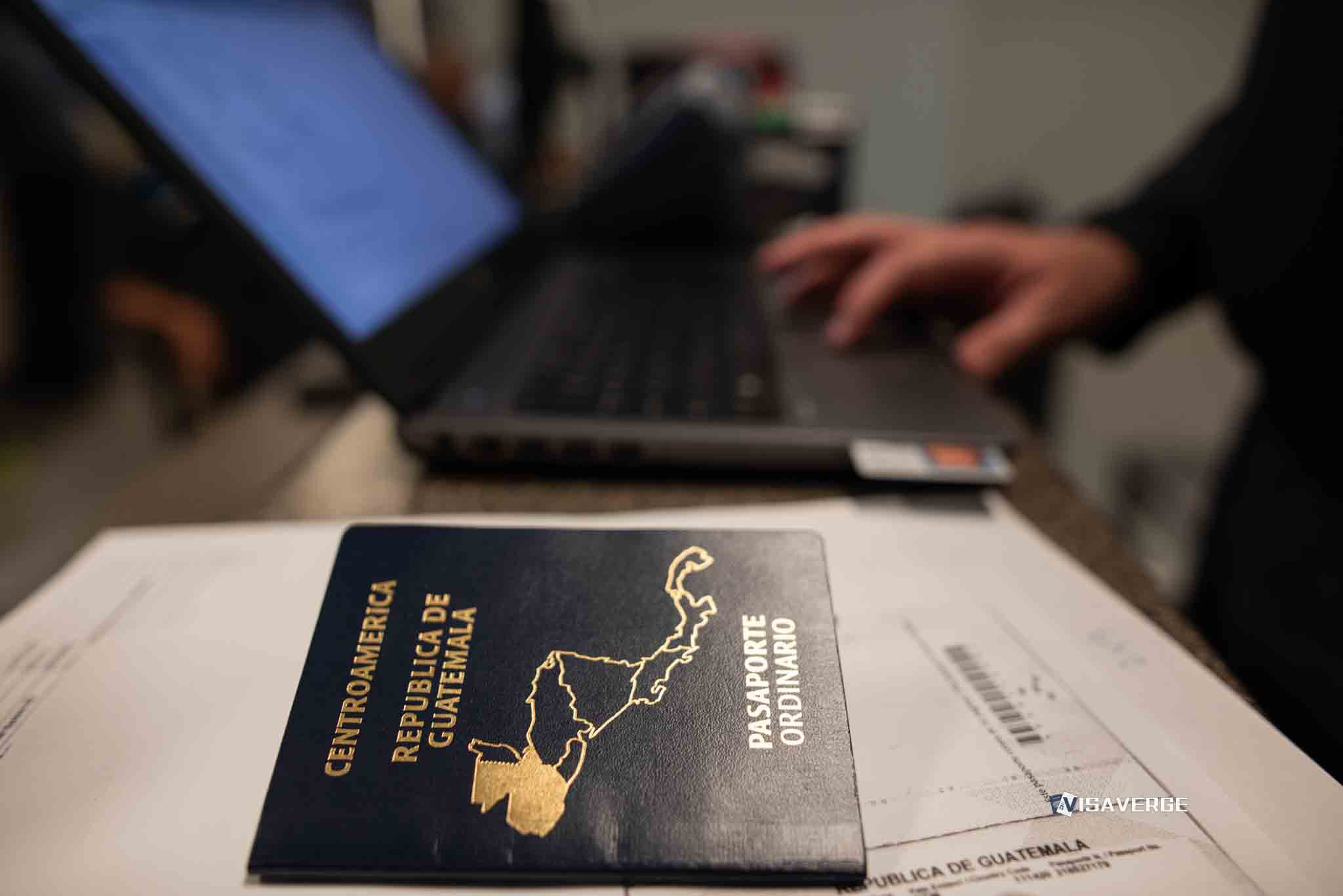
To support mass deportations, the government is also utilizing military aircraft. The Department of Defense allocated two C-17s and two C-130s for ice deportation missions, marking significant inter-agency cooperation. These aircraft have already been used to transfer detainees to countries like Ecuador 🇪🇨 and Guatemala 🇬🇹. However, some nations, including Brazil 🇧🇷 and Colombia 🇨🇴, voiced concerns over military-operated deportation flights, signaling potential diplomatic hurdles.
Strategic Transfers to Border States: Benefits and Challenges
The decision to move detainees closer to the U.S.-Mexico border serves a dual purpose. Firstly, it alleviates the capacity strain on detention centers in New England, where rising arrests have stretched resources thin. Secondly, for non-Mexican detainees, being positioned near the southern border allows faster deportations to Central American countries with which the U.S. has negotiated removal agreements. For example, agreements with El Salvador 🇸🇻 enable deporting individuals from other nations through Salvadoran processing centers. This simplifies logistical challenges for ICE.
However, this strategy raises significant legal and humanitarian concerns. Immigrant rights groups argue that unexpected transfers disrupt detainees’ ability to access legal resources and family networks. An individual might lose their legal counsel mid-case or face difficulties connecting with local attorneys after relocation, which could jeopardize their chances of a fair hearing. Furthermore, the secrecy surrounding these relocations erodes trust in the system, prompting calls for transparency and enhanced oversight.
A recent legal development may also influence ICE’s future operations. A class action settlement tied to the case of Gonzalez v. ICE will take effect on March 4, 2025. It limits ICE’s ability to issue detainers—a notice requesting local law enforcement to hold individuals beyond their release dates. The settlement requires ICE to use less intrusive Requests for Notification of Release during the 12-hour period when their Pacific Enforcement Response Center (PERC) operates. This could lead to a scaled-down capacity for ICE detentions in U.S. states affected by the settlement.
Use of Guantánamo Bay: New Territory for Enforcement
The Trump administration’s intensified approach expands beyond mainland detention facilities. On January 29, 2025, President Trump signed the Laken Riley Act, granting broad powers for detention of migrants accused of minor crimes and allowing state attorneys-general to intervene in federal immigration law. This act also directed the Department of Defense and DHS to use Guantánamo Bay Naval Base in Cuba 🇨🇺 as a holding site for “high-risk” migrant detainees deemed a threat to public safety.
Guantánamo Bay was presented as a solution for holding up to 30,000 detainees. However, experts dispute this claim, highlighting that the existing Migrant Operations Center lacks such capacity. The move to use this highly controversial facility has stirred debate, as no migrants apprehended on U.S. soil have ever been sent to Guantánamo before. Critics argue this decision could violate human rights norms and further marginalize affected individuals.
Other Policy Shifts Adding to Implementation Complexity
In addition to the high-profile detainee transfers, the Trump administration has reinstated prior policies like the “Remain in Mexico” program. This policy forces certain asylum seekers to wait in Mexico 🇲🇽 until their U.S. court hearings, reigniting concerns about the safety and welfare of individuals stranded in border cities.
Moreover, on President Trump’s first day back in office, he issued an executive order permitting the use of the Alien Enemies Act of 1798. This law allows non-citizens suspected of ties to criminal groups to be detained or deported without standard due process. Legal experts have called these measures a direct challenge to established principles of justice, as they bypass traditional court proceedings that ensure fairness.
For ICE, the restructuring of enforcement infrastructure goes hand in hand with operational changes, such as planning new detention centers. For example, discussions over a potential site in California 🇺🇸 are underway, though details remain sparse. These expansions indicate the administration’s focus on cementing a more permanent framework for high-intensity immigration enforcement.
Broader Implications for Immigrant Communities and Policy
The sudden relocation of detainees via the recent overnight flight reveals how swiftly policy changes can affect immigrant communities. Beyond individuals directly impacted, these policies influence families and local communities as detainees are separated from their loved ones. Attorneys and legal firms defending migrants face mounting challenges as detainees are moved across the country without adequate notifications.
While advocates work to hold agencies such as ICE accountable, immigrant rights organizations have emphasized the importance of monitoring these rapid shifts. They warn of long-term harm to due process, family unity, and U.S. compliance with international standards on the treatment of migrants.
A Turning Point for U.S. Immigration Policies?
Ultimately, the large-scale transfer of over 40 ICE detainees highlights the Trump administration’s focused vision for restructured immigration enforcement. By increasing efforts to detain, transfer, and deport individuals, the administration is charting a path filled with both practical and ethical questions. While these moves aim to address logistical gaps like overcrowding and detention limits, critics argue they come at the steep cost of eroded rights and transparency.
As new measures roll out under this administration, the legal landscape will likely shift as lawsuits and challenges probe the limits of federal authority. Policies like the widespread use of military aircraft and unprecedented decisions to use offshore facilities such as Guantánamo Bay will face heightened scrutiny. For many immigrants and advocates, the coming months will be pivotal in determining whether there are safeguards to ensure fair and humane treatment under these intensified policies.
To navigate the changes introduced by ICE and DHS, individuals affected and their families may find it important to stay informed through reliable resources. For further details on ICE operations, you can visit the official ICE website. As reported by VisaVerge.com, ongoing changes in immigration policies underscore the need for clarity, accountability, and careful oversight in the administration’s actions moving forward.
Learn Today
Immigration and Customs Enforcement (ICE) → A U.S. agency responsible for enforcing immigration laws and managing detention and deportation of undocumented individuals.
Detainer → An official request by ICE asking local law enforcement to hold someone in custody beyond their scheduled release.
Remain in Mexico Program → A policy requiring asylum seekers to stay in Mexico while awaiting their immigration court hearings in the U.S.
Alien Enemies Act of 1798 → A legal provision allowing detention or deportation of non-citizens suspected of hostile actions against the U.S.
Guantánamo Bay Naval Base → A U.S. military facility in Cuba repurposed under recent policies to detain high-risk migrant individuals.
This Article in a Nutshell
On February 11, 2025, ICE relocated 40 detainees from New England to border states, signaling the Trump administration’s intensified immigration enforcement. While designed to speed up deportations and ease overcrowding, the move raised transparency concerns. Critics argue rapid transfers disrupt legal representation, highlighting the tension between logistical efficiency and immigrants’ rights under renewed policies.
— By VisaVerge.com
Read more:
• Federal Judge Blocks Donald Trump’s Spending Freeze as 22 States Sue
• States Sue Over Trump’s Birthright Citizenship Ban
• CBP Reinstates ‘Alien’ Term for Noncitizens and Migrants
• Minimum Wage Increases in 21 States for 2025
• United Kingdom Reinstates Visas for Colombian Travelers