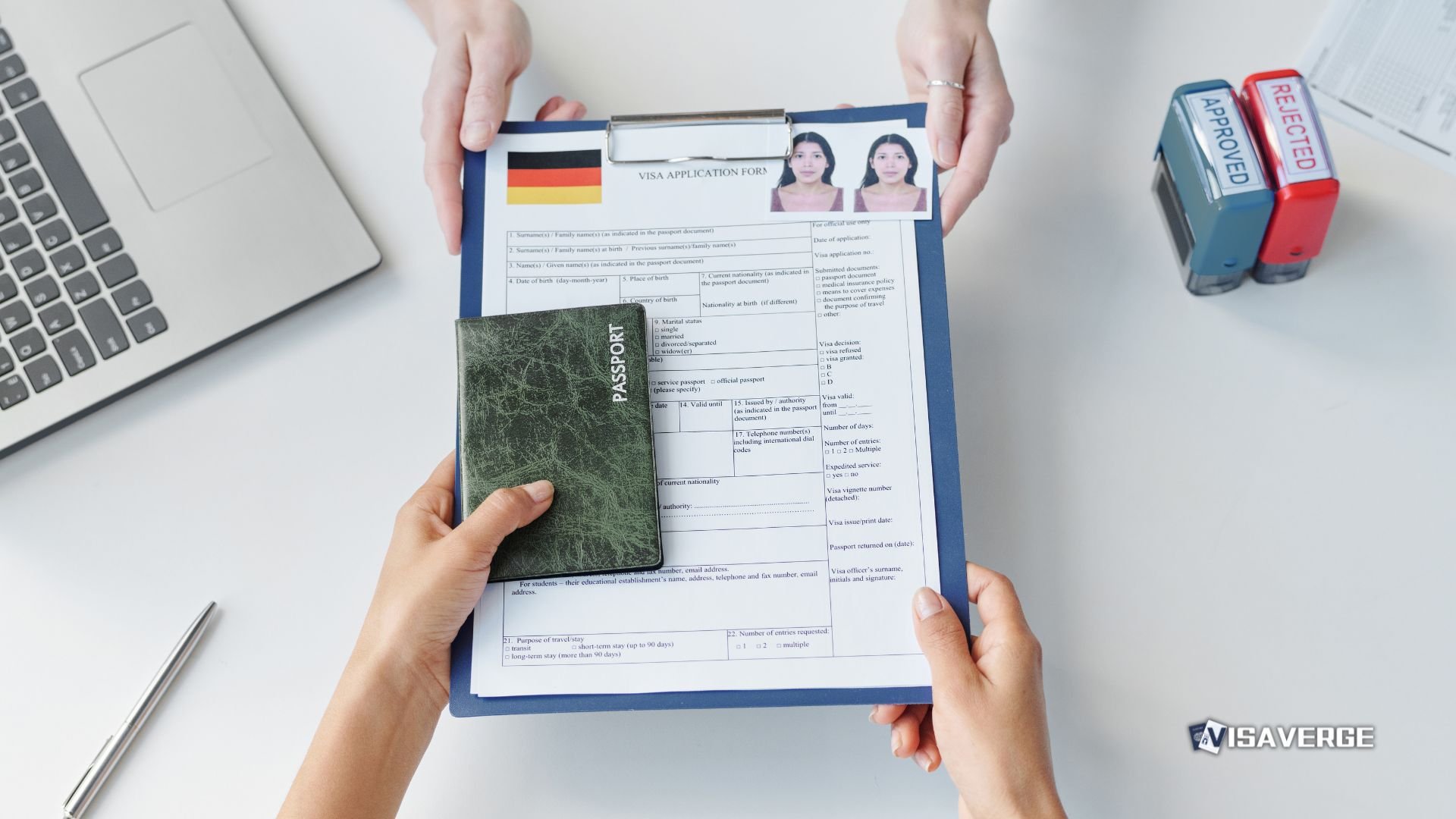
- LPRs and F-1 students face intensified deportation risks in 2026 due to stricter vetting and social media screening.
- Criminal convictions or aggravated felonies trigger mandatory removal proceedings even for long-term permanent residents.
- Strict compliance with SEVIS and maintaining full-time enrollment is essential for students to avoid status termination.
(UNITED STATES) Green card holders and F-1 student visa holders face deportation risks under current U.S. rules for criminal conduct, immigration fraud, status violations, abandonment of residence, and national security concerns. In 2026, those risks sit inside tighter vetting, more visa revocations, and faster enforcement action, especially after the launch of a new USCIS vetting center and expanded social media screening.
For many families and students, the stakes are immediate. A lawful permanent resident can lose status after a single deportable conviction. A student can lose F-1 status after dropping below a full course load, taking unauthorized work, or overstaying the grace period. According to analysis by VisaVerge.com, the current enforcement climate is pushing more cases into removal proceedings faster, with less room for mistakes.
Removal rules now shape everyday life
Removal proceedings for both groups usually begin with a Notice to Appear, or NTA. That document starts the case before an immigration judge. Green card holders keep the right to fight removal, but permanent residence is not absolute. F-1 student visa holders must keep strict compliance with school rules, work rules, and reporting duties every day.
The Immigration and Nationality Act, especially Section 237, sets the main grounds for deportation. USCIS, ICE, and CBP enforce those rules. In 2026, enforcement has become sharper at airports, borders, schools, and in online screening. The government also opened a USCIS Vetting Center on December 5, 2025, to screen for terrorists, criminals, and fraud.
Green card holders face removal for crimes and status failures
Green card holders, also called lawful permanent residents, can be removed even after years in the United States. Aggravated felonies carry the harshest consequences. These include murder, rape, drug trafficking, and fraud involving more than $10,000. A conviction can trigger mandatory deportation even when no jail sentence is imposed.
Other crimes also put status at risk. Crimes involving moral turpitude, or CIMTs, include theft and some assault cases. A CIMT can lead to removal if it is committed within five years of admission and carries a possible sentence of one year or more. Domestic violence, stalking, child abuse, firearms offenses, and most drug crimes also create removal exposure.
Fraud cases move fast. False documents, marriage fraud, and smuggling others can lead to removal proceedings. Conditional residents face another layer of scrutiny. Those who gained status through marriage must file Form I-751 within the required 90-day window before the second anniversary of admission. Missing that step can end status and start deportation action.
Residency abandonment is another path to trouble. An absence of more than six months raises questions about intent to keep U.S. residence. An absence over one year without a re-entry permit, usually requested on Form I-131, often causes problems at the border. New travel scrutiny in 2026 also looks at country of birth, dual nationality, prior residence, and travel history.
F-1 student visa holders must keep every rule in place
F-1 student visa holders live under a different set of risks, but the pressure is just as real. They must stay enrolled full time, usually at least 12 credits for undergraduates and 9 for graduate students. Unauthorized work can end status quickly. Many students also depend on SEVIS, the federal system that tracks their compliance.
Failing to report an address change within 10 days can create serious problems. So can dropping below full-time enrollment without approval. Off-campus work must follow the proper rules, including work authorization for Optional Practical Training. A violation can trigger SEVIS termination and a removal case.
Overstaying the 60-day grace period after program completion is another common problem. Once unlawful presence starts to build, re-entry can be barred for 3 to 10 years. Criminal charges also create danger. Any CIMT, drug offense, or violent offense can lead to visa cancellation or removal action.
Social media now matters more than ever. Expanded screening on March 30, 2026, covers F-1 and J-1 categories. Public posts can be reviewed for signs of threat, support for banned groups, or other security concerns. A December 16, 2025 Presidential Proclamation also suspended entry for nationals of 19 countries and expanded restrictions for others tied to security history.
Hearings, defenses, and relief options
Removal cases still include due process. A person in proceedings gets a hearing before an immigration judge. The first step is the NTA. After that, the person may seek relief.
Green card holders sometimes apply for cancellation of removal. That form of relief requires long residence, good moral character, and extreme hardship to a U.S. citizen or lawful permanent resident family member. The success rate stays low. LPR cancellation is granted in only 4% of cases.
Other defenses exist, but they are narrow. Some non-LPRs may receive prosecutorial discretion. Some residents may seek a waiver under section 212(h). Asylum and withholding of removal can block deportation when a person fears persecution. Litigation over the 75-country visa freeze and other 2026 restrictions is also creating temporary openings in some cases.
2026 policy shifts have raised the pressure
The Trump administration’s 2025 and 2026 enforcement moves changed the landscape. June 2025 actions banned travel from 19 countries. January 2026 measures suspended immigrant visas for 75 more countries. These changes sit alongside longer vetting, expanded screening, and more visa revocations.
The government revoked more than 100,000 student and worker visas last year. The shortened validity of Employment Authorization Documents, now capped at 18 months in many cases, also affects families and employers. Green card holders who travel often face longer inspections. F-1 student visa holders face more delays in visas, work authorization, and later transitions to H-1B status.
For many families, the human cost is separation. A removal order can split parents from U.S. citizen children. For schools, it can disrupt degrees and research timelines. For employers, it can create I-9 reverification problems and staffing gaps.
What people do before a case becomes a crisis
The safest path is strict compliance. Avoid criminal exposure. Report address changes. Keep school enrollment steady. File travel documents before long trips. Save tax records, lease papers, school letters, and proof of U.S. ties.
When travel is needed, green card holders should file Form I-131 before leaving for long periods. F-1 student visa holders should work through the school’s international office and keep SEVIS records current. The official USCIS site at USCIS.gov provides current forms, filing guidance, and policy updates.
Immediate legal help matters after an arrest, an NTA, a security flag, or a border stop. Immigration lawyers often review criminal charges before a plea deal is entered, because one plea can trigger removal later. Costs for defense often run from $5,000 to $20,000, but earlier action usually avoids bigger damage.