- Dubai offers 5 or 10-year residency to investors, professionals, and entrepreneurs without requiring a local sponsor.
- Real estate investors qualify with property worth AED 2 million, including newly added off-plan purchase options.
- Holders enjoy 100% business ownership, family sponsorship rights, and no minimum stay requirements to maintain residency.
(DUBAI, UNITED ARAB EMIRATES) Dubai’s Golden Visa gives long-term residency for 5 years or 10 years, with renewals available without a sponsor. It lets foreign nationals live, work, study, and own 100% of a business in the UAE, and it has become one of the clearest paths to stability for investors, professionals, entrepreneurs, and standout students.
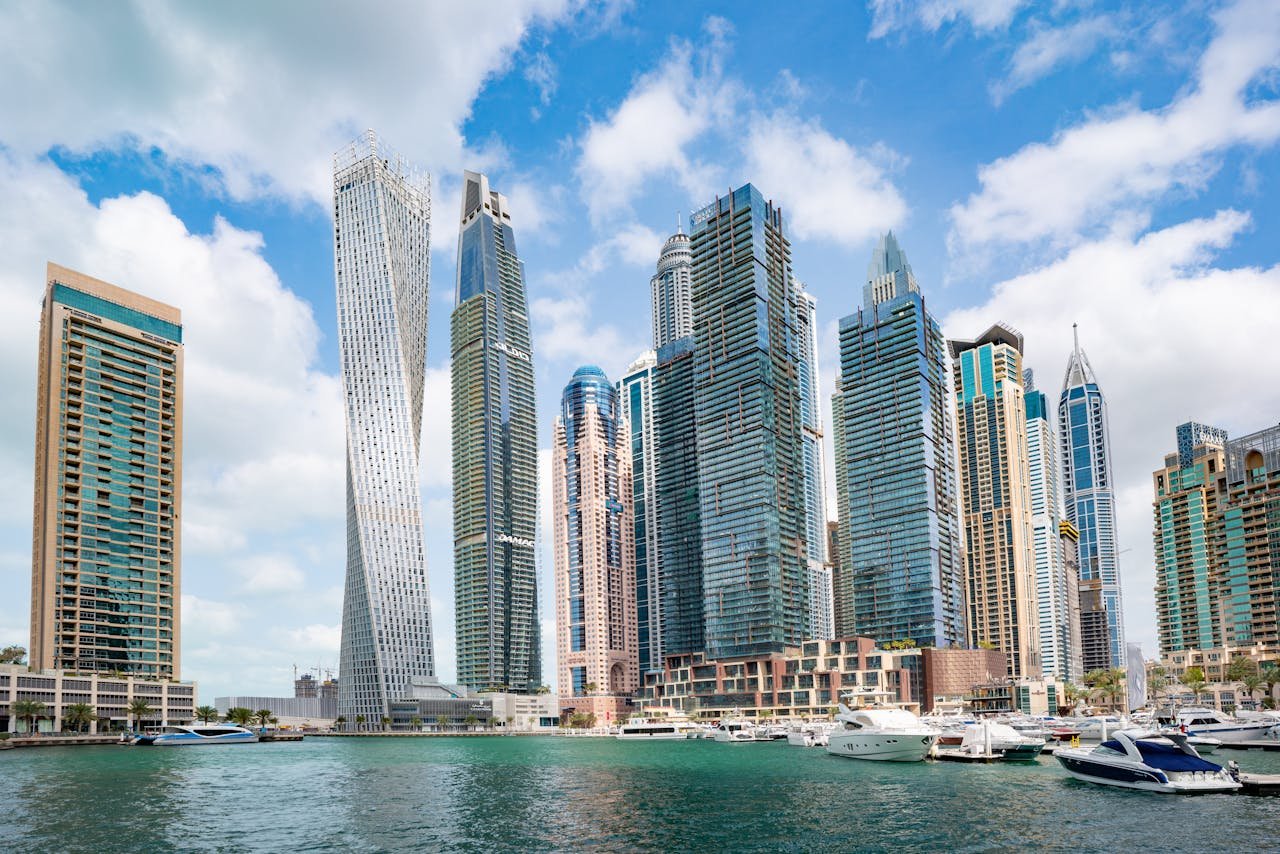
The program, launched in 2019 and expanded through 2025 and 2026 updates, is now a central part of Dubai’s push to attract capital and expertise beyond oil. VisaVerge.com reports that the scheme has helped position the city as a magnet for real estate buyers, tech founders, medical specialists, and creative talent.
Entry Paths That Lead to 5-Year Visas and 10-Year Visas
The Dubai Golden Visa is built around clear eligibility tracks. 5-year visas usually go to real estate investors and entrepreneurs. 10-year visas are reserved for public investors, specialized talent, outstanding students, and newer groups such as content creators and superyacht owners.
For investors, the main thresholds are direct. Real estate investors need property worth AED 2 million or more. Public investors also need AED 2 million in approved funds, businesses, or fixed deposits held for at least two years in UAE banks or Sukuk. Tax investors need proof of AED 250,000 in annual tax payments through UAE businesses. Entrepreneurs qualify through projects valued at AED 500,000 or more, with approval from auditors, incubators, or emirate authorities.
Some pathways remain open to applicants aged 55 and above at a lower property threshold of AED 1 million for a 5-year visa.
What the 2025–2026 Updates Changed
The newest changes widened the circle of eligible applicants. Content creators, influencers, and superyacht owners were added in 2025. Off-plan property also now counts if the total value reaches AED 2 million or more, even when the buyer has not made a large upfront payment.
That shift matters for buyers who enter Dubai’s property market early. It also reflects the government’s aim to keep the Dubai Golden Visa linked to the sectors driving growth: luxury real estate, digital media, tourism, health care, and innovation.
Medical insurance is now mandatory for all applicants and family members.
Family Sponsorship and Daily Life in the UAE
Golden Visa holders can sponsor spouses, children, and parents, and sometimes domestic staff. Children under 25 can stay under family sponsorship if they are unmarried. The visa duration for family members matches the main holder’s status.
That stability changes daily life in a practical way. Families can plan school places, health coverage, and housing with more confidence. Holders can also stay outside the UAE for more than six months without losing the visa, a rule that gives room for business travel and international work.
What Applicants Need Before Filing
The paperwork depends on the visa category, but the core items stay the same. Applicants need a valid passport with at least six months left, passport photos, proof of eligibility, medical fitness clearance, health insurance, and police clearance where required.
Category-specific evidence matters most. Real estate applicants need a Dubai Land Department title deed or equivalent confirmation. Mortgage-backed applicants often need a bank no-objection letter. Entrepreneurs need audited financial records or approval letters. Professionals need salary contracts, ministry approvals, or education records. Family applications also need marriage and birth certificates.
A useful starting point is the official ICP portal, which handles many residency services and explains current requirements.
How the Application Moves From Filing to Approval
The process is usually handled through the Federal Authority for Identity, Citizenship, Customs & Port Security, known as ICP, or through Dubai’s General Directorate of Residency and Foreigners Affairs, known as GDRFA.
- Check eligibility first through the ICP or GDRFA tools.
- Enter the UAE with a multiple-entry visa if you are applying from abroad.
- Upload documents through the ICP or GDRFA portal, or submit them at an authorized center.
- Complete medical tests and biometrics, including fingerprints for the Emirates ID.
- Wait for review and updates, usually by SMS or email.
- Receive the visa digitally and print a copy for travel records.
Most clean applications move in 7 to 10 business days after verification. Complex files, especially those needing audits or extra checks, can take 1 to 8 weeks and sometimes longer.
Costs, Fees, and the Price of Filing
The total government-side cost for an adult usually falls between AED 8,000 and AED 10,500, not counting the investment itself. Typical charges include application and issuance fees, the knowledge and innovation dirham, processing and delivery fees, and medical, biometrics, and Emirates ID costs.
Family members add their own fees. Consultants often charge AED 5,000 to AED 15,000. Rejected applications are not refunded.
Renewals and What Authorities Check Again
Renewals happen every 5 years or 10 years, depending on the category. Applicants should begin renewal about six months before expiry. Authorities look again at the core eligibility condition. That means property ownership must still qualify, investment records must still stand, and salary or professional status must still meet the rules.
There is no minimum stay requirement inside the UAE, but the visa holder must keep the qualifying link alive for renewal. Missing that link can lead to problems when the next application comes due.
Why Demand Keeps Rising
Dubai’s pitch is simple and powerful. The city offers tax-free personal income, broad business ownership rights, and a lifestyle built around international schools, modern health care, and easy global travel. It also supports the UAE’s wider economic plan, which focuses on talent, digital industries, sustainability, and high-value investment.
That is why the Dubai Golden Visa has become more than a residency permit. For many applicants, it is a long-term base in a market that rewards mobility, capital, and specialized skills. The latest expansion has made 5-year visas and 10-year visas easier to match with different life plans, from family settlement to business growth.
Across Dubai, the visa has turned residence into a strategic decision, not a short-term gamble.