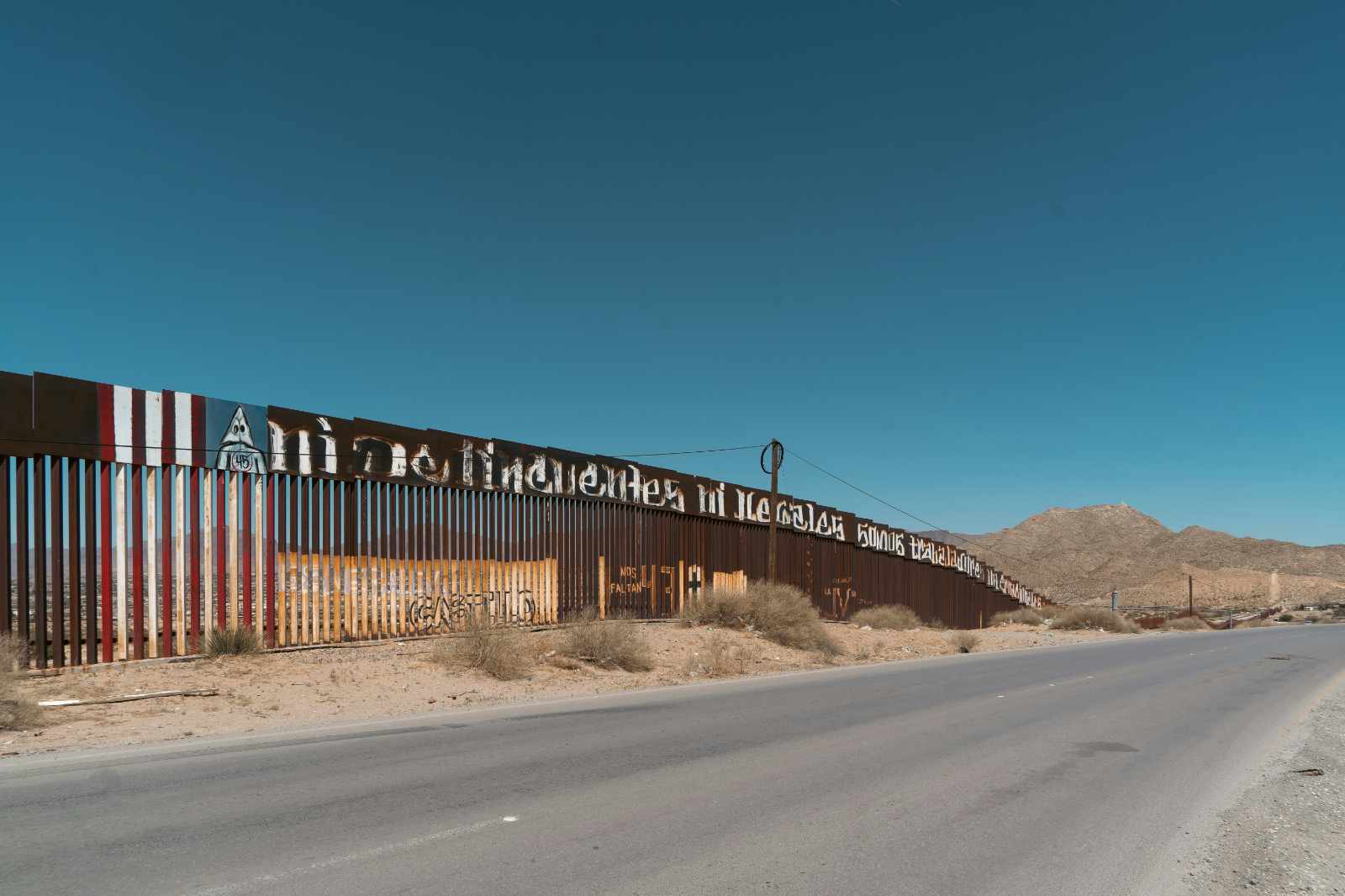
Donald Trump’s 2025 immigration crackdown has brought tough new rules at the southern border and fresh fears inside immigrant communities, but claims that it targets citizens of America’s closest wartime allies are not backed by the record so far. Reviews of official policy documents and court filings, along with reporting by legal groups and journalists, show that the current focus remains on the U.S.-Mexico frontier, asylum restrictions, and expanded deportations of undocumented people already living in the United States 🇺🇸. Traditional partners such as the United Kingdom, Canada 🇨🇦, Japan, South Korea, and other NATO members have not been singled out for special visa bans or removals.
Summary of enforcement focus

The New York City Bar Association, in an October 10, 2025 update on the administration’s immigration changes, describes a wide set of measures that together mark one of the most aggressive enforcement pushes in recent history.
- At the center are mass deportation campaigns that officials say will rely on a sharp increase in Immigration and Customs Enforcement (ICE) activity across the country.
- Plans envision using federalized National Guard units to help with large-scale operations, raising questions from civil rights groups about the legal limits of military support for domestic immigration enforcement.
According to that update, the administration wants agents to ramp up arrests not only at the border but deep inside the country, including in homes, schools, and workplaces. Workplace raids, a hallmark of earlier crackdowns, are expected to return on a larger scale, with employers warned they could face penalties if found to be harboring or hiring people without legal status.
This interior enforcement push is part of a broader promise by President Trump to remove millions of undocumented immigrants, a pledge that is politically resonant with his base but has stirred fear among mixed-status families and long-settled communities.
Border procedures and asylum changes
Alongside interior actions, the White House has revived and expanded the “Remain in Mexico” program (formally the Migrant Protection Protocols), forcing many asylum seekers to wait south of the border while U.S. judges consider their claims.
- Legal analysts say this makes it harder for people fleeing persecution to find lawyers and gather evidence, especially for those without relatives or support networks in Mexican border towns.
- Fast-track removal procedures have expanded, allowing officers to send certain migrants back without a full hearing if they fail to pass early screening interviews.
Refugee admissions have been sharply reduced for 2025, and the criteria for asylum have narrowed with new guidance tightening the official view of what counts as persecution.
- The administration describes these steps as a way to keep “fraud” out of the system.
- Advocacy groups argue that genuine refugees are now more likely to be turned away.
- Faster deportations under these rules feed directly into the broader mass deportation campaigns, which depend on moving people out of the country quickly once they receive a removal order.
Birthright citizenship challenge
Another high-profile part of the agenda is the renewed attempt to end birthright citizenship—the long-standing rule that almost all children born on U.S. soil become citizens at birth.
- The White House has pushed both executive orders and draft bills to test this principle.
- Many constitutional scholars say such moves conflict with the Fourteenth Amendment and will face years of legal challenge.
- So far, courts have not allowed the government to strip citizenship from U.S.-born children of undocumented parents, but the uncertainty adds pressure on immigrant families.
Who is actually being targeted?
Despite the scale of these immigration changes, there is no sign that they are aimed at citizens of long-time wartime allies such as the United Kingdom, Canada, Australia, Japan, South Korea, Germany, France, Italy, or Israel.
- Officials have not rolled out new travel bans or visa blocks for these countries.
- There have been no targeted raids on nationals of allied countries living lawfully in the United States.
- Programs like the Visa Waiver Program continue to operate without public plans for suspension.
In fact, the 2025 National Security Strategy, which sets out the administration’s global priorities, stresses the need to keep alliances in Europe and the Indo-Pacific strong. While the document uses sharp language about migration trends in Europe—warning that unchecked flows could lead to “civilizational erasure” and questioning whether some NATO partners will remain reliable—this is framed as a criticism of European domestic policy, not an order to punish their citizens at U.S. borders.
The strategy also declares that “the era of mass migration is over,” underscoring the White House’s broader ideological stance on border control.
Key takeaway: Tough global rhetoric has not translated into targeted actions against citizens of the U.S.’s closest wartime allies; the primary impact remains on migrants arriving through the southern border and on residents with fewer legal protections.
Sources of confusion and who faces the sharpest effects
Analysts say the gap between the administration’s tough rhetoric and the more targeted reality on the ground has helped fuel confusion about who is most at risk.
- Social media posts and political slogans suggesting Trump is turning against even “the closest wartime allies” often ignore the policy fine print.
- In practice, measures mainly hit:
- Undocumented migrants from Latin America and the Caribbean
- Some people applying through legal routes such as H-1B work visas or family sponsorship (who face higher refusal rates and longer security checks)
VisaVerge.com reports that applicants in these categories face higher refusal rates and longer security checks, even though no special restrictions apply to citizens from key allied countries.
Where to find official guidance
For people following rules, the core enforcement framework still runs through the Department of Homeland Security – Immigration and Enforcement, which explains procedures and priorities at:
That guidance, together with the New York City Bar Association’s October report, points to a strategy centered on:
- The southern border
- Interior arrests
- Reduced humanitarian protection
Notably, lawyers say families from allied countries who use standard visas or the visa waiver system have not seen sudden bans or chaotic airport scenes like past crackdowns. The sharpest edge of the new agenda falls on migrants with fewer legal options, especially those arriving overland from the south, as the administration pushes a harder line on who can enter and stay in the United States.
The 2025 enforcement push targets the U.S.–Mexico border, expands deportation campaigns, and tightens asylum and refugee admissions. Plans include increased ICE operations, workplace raids, National Guard support for interior enforcement, restored Remain in Mexico rules, and faster removal procedures. Courts have so far blocked attempts to end birthright citizenship, and there is no evidence of targeted visa bans against allied countries. The sharpest effects fall on undocumented migrants and those using limited legal routes.