(INDIA) Union Civil Aviation Minister Ram Mohan Naidu on Friday promised “strict action” against IndiGo Airlines after days of nationwide chaos caused by mass flight cancellations, saying the response would “set an example for the entire aviation sector” and send a clear message on safety and passenger rights.
How the crisis began
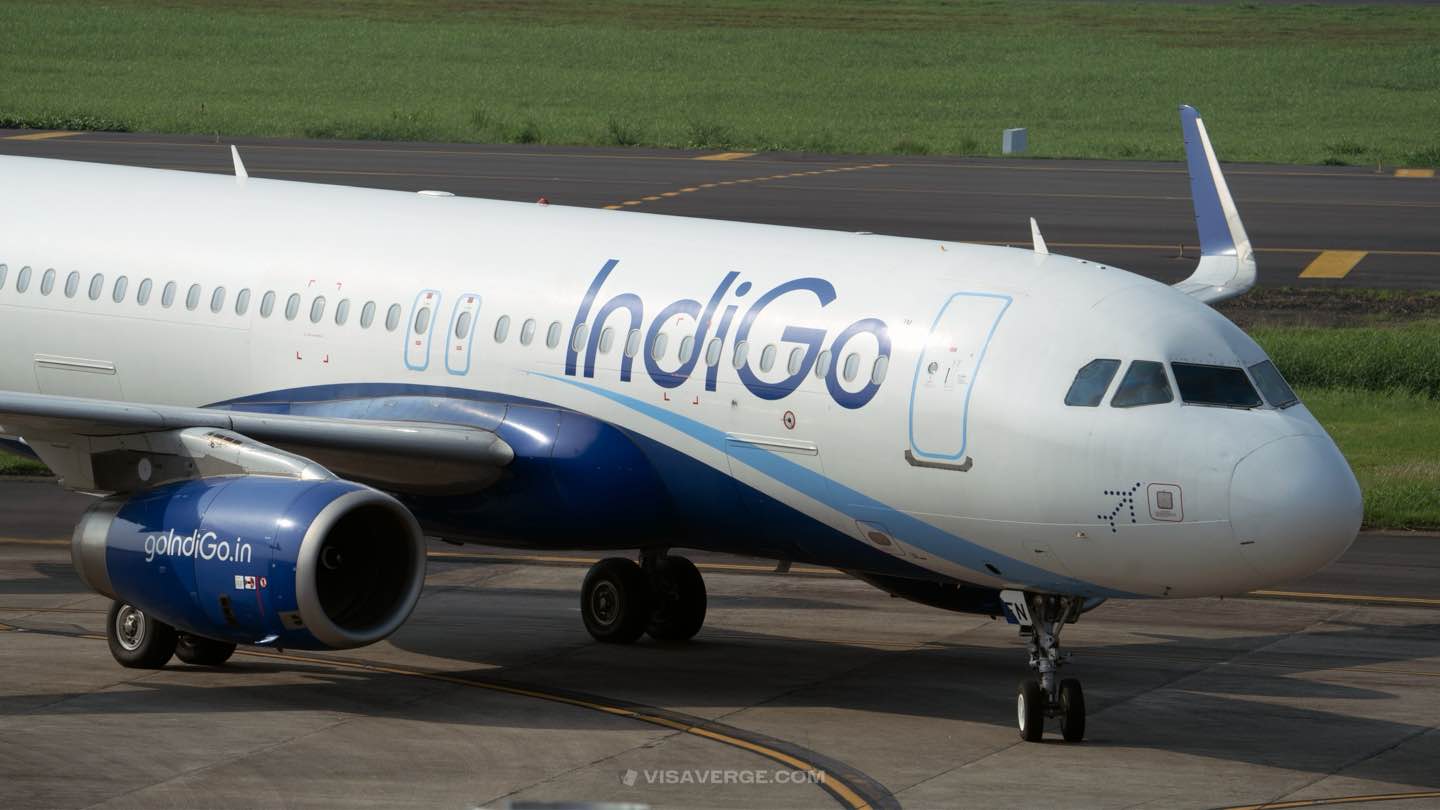
The crisis erupted after new Flight Duty Time Limitations (FDTL) rules took effect on December 1, 2025, expanding mandatory rest hours and sharply limiting night duties for pilots and cabin crew. IndiGo Airlines, India’s largest carrier by market share, failed to adjust its crew rosters in time for the tougher standards, leaving thousands of staff legally unable to operate scheduled services.
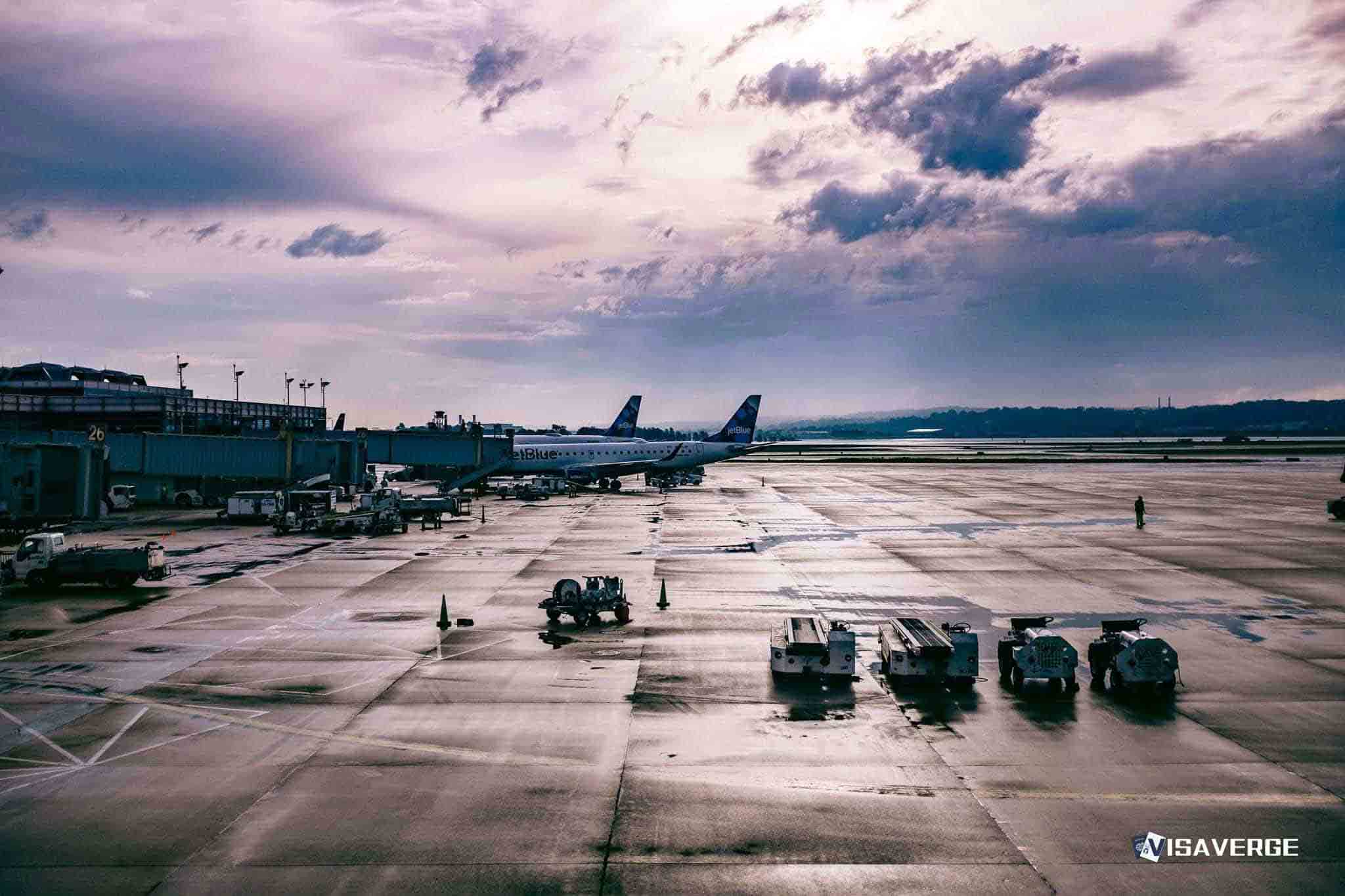
By December 5, more than 2,100 flights had been cancelled across the country, stranding passengers at major hubs during India’s peak wedding season and triggering rare public anger toward a carrier long seen as one of the system’s most reliable players. The Directorate General of Civil Aviation (DGCA) responded first with emergency crowd control steps and then with regulatory scrutiny, issuing a show cause notice to IndiGo chief executive Pieter Elbers and demanding a detailed explanation within 24 hours.
“Strict action will be taken against IndiGo Airlines for this mismanagement,” Naidu told reporters, adding that any penalties would be designed to “set an example” for every carrier flying in India’s skies.
Government inquiry and focus areas
Naidu said the government’s inquiry would examine:
- How IndiGo handled the shift to the new FDTL rules.
- Whether warning signs were ignored prior to the meltdown.
- If regulators and airlines had adequate monitoring and planning in the weeks before implementation.
He stressed that airlines had been aware of the upcoming changes for more than a month and that regulators had been monitoring compliance with the FDTL framework well before the problems that became visible on December 3.
The minister declined to specify sanctions while the inquiry is underway but made clear that “very strong penalties” were on the table — not only for IndiGo but also for any airline that fails to respect crew welfare rules.
What the new FDTL rules do and the unions’ stance
The Flight Duty Time Limitations:
- Extend mandatory rest periods between duties.
- Curb overnight flying to reduce crew fatigue.
These measures are intended to lower safety risks associated with fatigue — risks aviation safety specialists have long linked to serious incidents worldwide. Pilot unions have opposed any relaxation of those rules, warning that temporary exemptions granted to IndiGo on December 5 to ease night duty and rest constraints could undermine the safeguards the FDTL regime is meant to strengthen.
Wider industry perspective
According to analysis by VisaVerge.com, India’s enforcement of modern duty limits brings its standards closer to those in other major aviation markets. However, the IndiGo crisis highlights how well‑intended safety rules can backfire when planning and communication break down.
The analysis also pointed out that for many travellers — especially those flying for weddings, medical treatment, or time‑sensitive immigration appointments — sudden cancellations have consequences far beyond the inconvenience of a missed holiday.
Immediate consumer protections and regulatory actions
In response to mounting complaints, authorities took several steps:
- The Civil Aviation Ministry ordered IndiGo to clear all pending refunds by December 7.
- A 24×7 hotline was opened for affected passengers.
- The DGCA temporarily capped fares on competing airlines to prevent price gouging on busy domestic routes.
Officials said these steps aim to protect consumers while regulators investigate whether issues with the airline’s:
- Scheduling software,
- Internal reporting channels, or
- Commercial decisions
contributed to the meltdown.
The DGCA also directed airlines to keep passengers better informed about delays and cancellations, reminding them of obligations already laid down in India’s passenger charter, which specifies compensation, meals, and accommodation in disruption cases and is publicly available on the Directorate General of Civil Aviation website.
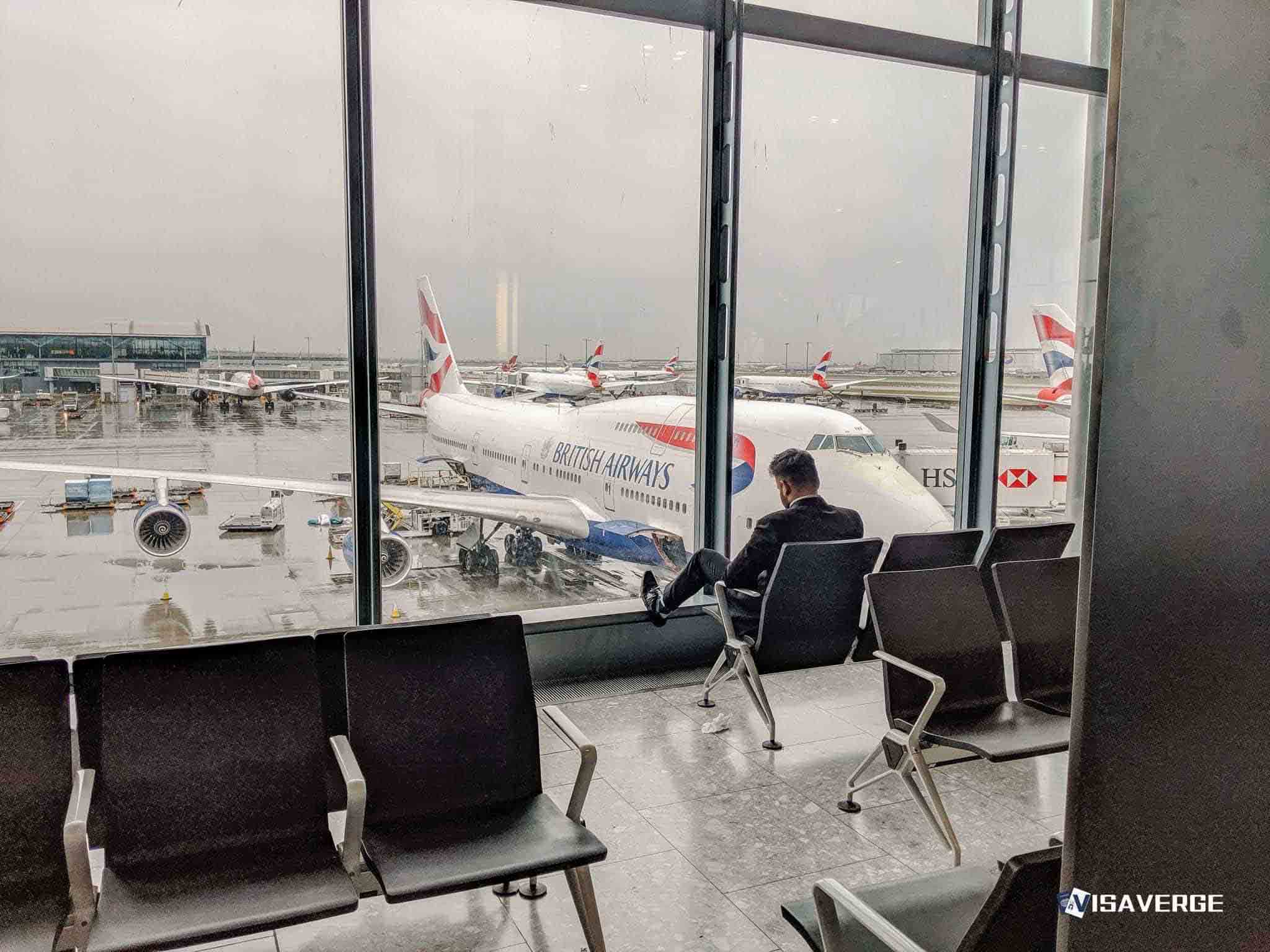
For many stranded travellers, though, formal rules were little comfort as they queued for hotel vouchers, scrambled to rebook on already full flights, or watched visas and work authorisations abroad edge toward expiry.
Structural issues exposed
Industry analysts say the episode exposes deeper structural weaknesses in India’s fast‑growing aviation market:
- A small number of large carriers shoulder enormous demand.
- There is little slack in the system when one major player stumbles.
Naidu has publicly argued for a more competitive landscape with several strong airlines, saying a diverse market would help absorb shocks like the one triggered by IndiGo’s failure to handle the new crew rosters. The government’s stance signals that airlines will be expected to invest in:
- Better forecasting,
- Improved crew training, and
- Stronger contingency planning
as India pushes to become a global aviation hub connecting smaller cities to long‑haul routes.
IndiGo’s immediate priorities and potential consequences
For IndiGo Airlines, the immediate priorities are:
- Restoring its schedule.
- Rebuilding public trust.
- Responding to the DGCA’s show cause notice.
- Cooperating with the ministry’s wider inquiry.
Executives face pressure to explain:
- Why internal alerts failed to flag crew shortages before the FDTL took hold.
- Whether cost‑cutting or commercial decisions took precedence over safety and legal compliance.
If regulators conclude that IndiGo ignored early signs of strain, the penalties promised by Naidu could change how airlines:
- Plan schedules,
- Manage reserves, and
- Communicate with both crew and regulators when new rules approach.
For passengers, and for crew whose fatigue the FDTL were designed to address, the coming weeks will show whether the crisis leads to deeper cultural change in Indian aviation or simply becomes another brief disruption in a booming but stretched system.
The broader debate
At the core of the controversy is a familiar tension:
- Travellers want safe, well‑rested pilots, but they also want on‑time flights and affordable tickets.
The IndiGo episode has turned that trade‑off into a national debate. Reactions include:
- Some passengers demanding harsher enforcement.
- Others questioning why regulators did not intervene earlier.
- Labour groups arguing the turmoil shows airlines had become dependent on stretching crews to their limits.
- Business groups warning that repeated shocks could slow tourism, investment, and the wider movement of people.
For now, all sides agree that this reckoning was overdue.
New FDTL rules effective Dec. 1 increased mandatory rest and limited night duties. IndiGo failed to rework crew rosters, triggering over 2,100 cancellations by Dec. 5. The DGCA opened an inquiry, issued a show-cause notice to CEO Pieter Elbers, capped competitor fares, and ordered refunds by Dec. 7. Officials stress stronger planning, better forecasting, and potential severe penalties if airlines ignored warning signs or compromised crew welfare.
Live Government Data
State Dept • CBPBusiest Border Crossings
- Nogales 150 min
- Nogales 120 min
- El Paso 85 min