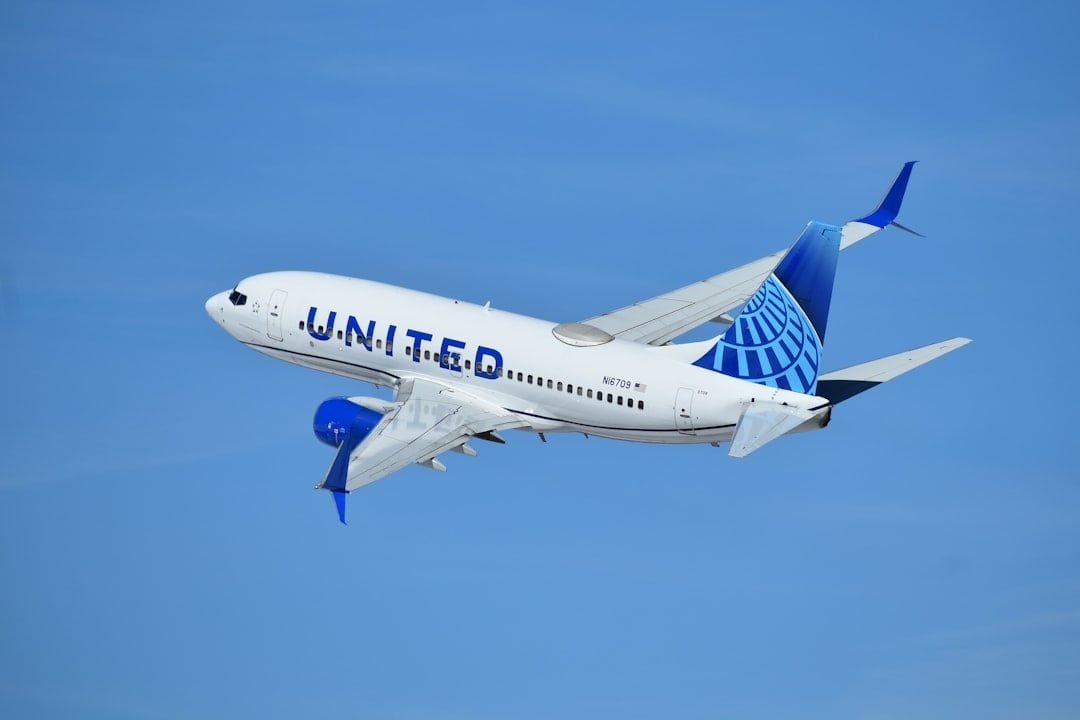
(SALT LAKE CITY) A United Airlines Boeing 737 MAX 8 made an emergency landing in Utah after its cockpit windshield was likely struck by a weather balloon at 36,000 feet on October 16, 2025, the company operating the balloon said. The jet, identified as United Flight 1093, was flying from Denver to Los Angeles with 134 passengers and six crew members when the impact cracked its multilayered windshield, sending glass fragments into the cockpit and causing a minor injury to one pilot. The aircraft maintained cabin pressure and landed safely in Salt Lake City.
What WindBorne reported
WindBorne Systems, a Palo Alto-based startup that has launched more than 4,000 weather balloons globally, said its balloon was likely involved. CEO John Dean said the company’s preliminary review of telemetry data showed the device’s last known position and altitude matched the time and location of the event, and the balloon stopped transmitting at that moment.
- WindBorne reported its findings to the National Transportation Safety Board (NTSB) and the Federal Aviation Administration (FAA), which have opened investigations.
- The company says its balloons comply with FAA safety and weight rules, weigh about 2.4 pounds at launch, and are coordinated with air traffic authorities.
- WindBorne shares live updates on balloon positions with the FAA and says it follows required procedures.
After the incident involving United Flight 1093, WindBorne:
– Updated its software to reduce the time balloons spend between 30,000 and 40,000 feet (the common cruising band for jets).
– Is accelerating development to use live flight data so balloons can automatically avoid aircraft.
– Is developing new hardware to reduce impact force if a collision occurs again.
WindBorne’s telemetry reportedly showed transmissions ended at the same time and place as the collision, prompting the company to alert investigators.
Investigations and timeline
The NTSB has taken the windshield for laboratory analysis. Investigators expect to publish a preliminary report in a few weeks, while a full report could take more than a year.
- The NTSB inquiry will focus on:
- What struck the windshield
- Whether the suspected balloon contact explains the damage
- What safety lessons may follow
- The FAA will review regulatory compliance and any steps needed to reduce risk.
The agency lab tests on the windshield should help confirm the source and force of the impact, and whether the damage pattern is consistent with balloon hardware.
Key facts at a glance
| Item | Detail |
|---|---|
| Date and altitude | October 16, 2025, at about 36,000 feet |
| Flight and aircraft | United Flight 1093, Boeing 737 MAX 8 |
| Route | Denver to Los Angeles |
| On board | 134 passengers, 6 crew |
| Outcome | Safe emergency landing in Salt Lake City; minor pilot injury |
Safety performance and aircraft resilience
For travelers and airline crews, the important point is that the aircraft’s design prevented a loss of cabin pressure and allowed a safe landing. The multilayered cockpit windshield is built to endure stress and resist sudden failure.
- Although glass fragments entered the cockpit and injured one pilot, the jet remained flyable and the crew diverted safely.
- Passengers on United Flight 1093 were not reported injured.
- The airline followed normal safety protocols after touchdown.
The training pilots receive for inflight incidents, combined with the structural resilience of the 737 MAX 8 windshield, helped keep control and protect passengers.
Implications for airspace users and operators
The incident draws attention to how commercial aviation and balloon operations share high-altitude airspace. Even light devices can cause damage when they contact a high-speed aircraft.
- WindBorne’s stated mitigations:
- Limit time balloons spend in common jet cruise bands (30,000–40,000 feet).
- Use live flight data for automated avoidance.
- Develop hardware that reduces impact force.
- Industry and regulator responses likely to focus on:
- Practical separation—keeping devices out of the cruise corridor where possible.
- Better real-time awareness of both balloons and aircraft.
- Automated avoidance working alongside coordination with air traffic control.
Aviation experts note these events are rare; few objects at cruise altitude carry enough mass to damage an airliner. That rarity offers some comfort to travelers, but a cracked cockpit windshield will push continued review of how devices move through shared airspace.
What comes next
- WindBorne remains in touch with investigators and says it continues to coordinate launches, share live tracking, and follow weight and safety rules.
- The NTSB’s laboratory analysis of the windshield should provide a clearer picture of the force and material involved.
- If the final NTSB report confirms balloon contact, airlines and device makers may reassess materials, shapes, and operating altitudes to further lower risk.
For readers seeking official information on balloon rules and airspace safety, consult the Federal Aviation Administration.
For now, the facts remain: a likely balloon strike at 36,000 feet, a damaged cockpit windshield, a minor injury to a pilot, and a safe emergency landing in Salt Lake City. Regulators, airlines, and device makers will watch the upcoming NTSB findings closely.
This Article in a Nutshell
On October 16, 2025, United Flight 1093, a Boeing 737 MAX 8 carrying 134 passengers and six crew, made a safe emergency landing in Salt Lake City after its cockpit windshield cracked at about 36,000 feet. WindBorne Systems, a company that launches weather balloons, said telemetry indicates one of its balloons stopped transmitting at the same time and place, and reported the match to the NTSB and FAA. Glass fragments entered the cockpit, causing a minor pilot injury, but the aircraft maintained cabin pressure. The NTSB has taken the windshield for lab analysis; a preliminary report is expected in a few weeks and the FAA will assess regulatory implications. WindBorne updated software to reduce time balloons spend in jet cruise bands and is accelerating automated avoidance and hardware changes to reduce impact force.
Live Government Data
State Dept • CBPBusiest Border Crossings
- Nogales 150 min
- Nogales 120 min
- El Paso 85 min