Key Takeaways
• Delta Flight 2575 diverted to Spokane on May 17, 2025, due to suspected flap malfunction.
• All 126 passengers landed safely; maintenance teams repaired the Airbus A320 before continuing to Kalispell.
• Emergency diversion followed airline safety protocols, minimizing risks and demonstrating effective crisis management.
Passengers on Delta Air Lines Flight 2575 faced an unexpected change to their travel plans on May 17, 2025, when the Airbus A320 they were flying on had to divert to Spokane due to a suspected problem with the plane’s flaps. The jet, which originally left Minneapolis-Saint Paul International Airport and was headed for Glacier Park International Airport in Kalispell, Montana, made the safe stop as a precaution. Delta Air Lines confirmed that the flight crew received alerts suggesting an issue with the aircraft’s flaps. This caused them to change course and land at Spokane International Airport instead.
What Happened on Delta Flight 2575?
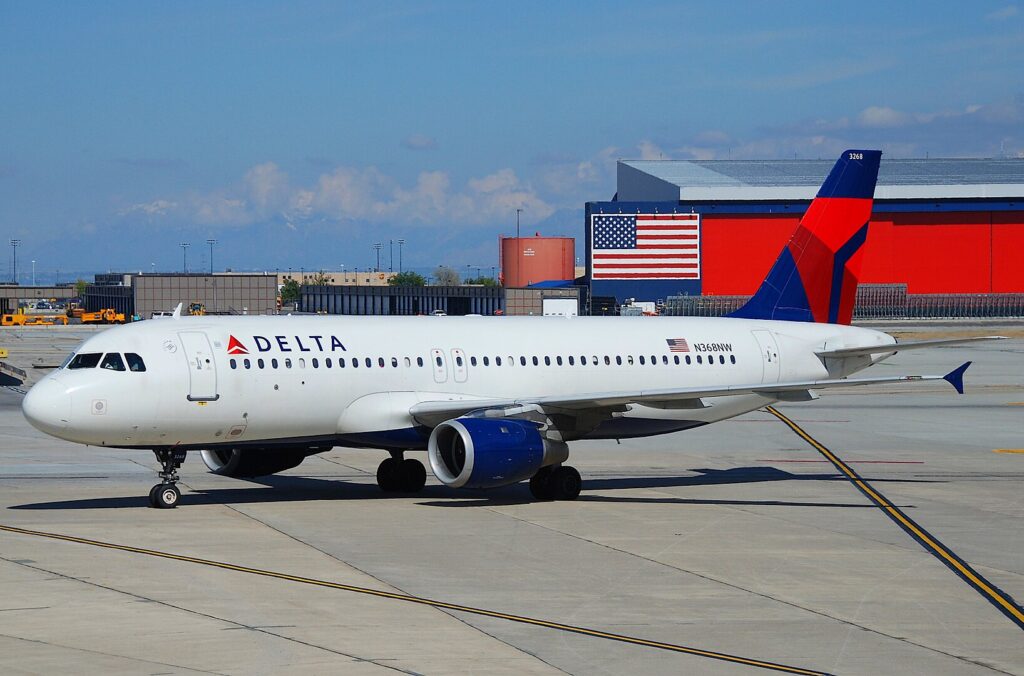
The flight, operated by an Airbus A320, was carrying 126 people from Minneapolis to Kalispell, Montana. Midway through the journey, flight crew received warning signals about a possible mechanical problem related to the flaps. Flaps are hinged pieces on the wing that help the aircraft slow down or lift off during takeoff and landing. When there’s a problem with the flaps, it can affect the plane’s ability to land safely, especially on shorter or more challenging runways.
Because of this, and to keep everyone safe, the pilots made the decision to land in Spokane, Washington instead of trying to reach their original destination. Spokane International Airport was chosen because it has long runways and all the necessary emergency and maintenance services close by.
The event was handled very calmly and with care. The Airbus A320 landed safely at Spokane at 1:16 PM Pacific Daylight Time. Emergency crews were on standby, but there were no injuries or further problems.
Why Did the Crew Decide to Diversion?
When flying, pilots always put passenger safety first. If a warning light or system alert signals a possible mechanical fault, even if it’s not yet causing a problem, pilots check the company’s procedures and manufacturer guidelines. If there’s any doubt about the plane’s ability to continue flying safely, they look for a nearby airport with the right facilities to land and get help.
Delta’s decision to land in Spokane was based on these factors:
– The Airbus A320’s flaps problem could have affected the jet’s ability to land normally, especially at airports with shorter runways.
– Spokane International Airport is well-equipped for emergencies and for handling a plane needing repairs.
– An immediate landing reduces any possible risk to passengers and crew.
After landing, the plane spent roughly three hours on the ground in Spokane as maintenance teams inspected and worked on the flap system. Once technicians fixed the issue and the plane passed all checks, the Airbus A320 was cleared to keep flying to Montana.
What Are Flaps and Why Are They Important?
Airplane flaps may seem like a small detail, but they are actually very important to safe flying and landing. Flaps are metal surfaces attached to the back edge, or trailing edge, of each wing. Pilots move the flaps up or down to help the plane climb during takeoff or slow down during landing. They can change the shape of the wing to make more lift at lower speeds.
When the flaps don’t work properly, landing distances can be longer. That means a plane needs a longer runway to stop safely, especially if it’s a larger aircraft like the Airbus A320. If pilots aren’t sure the flaps will work, or if they don’t deploy as they should, they usually look for an airport with a longer runway and more support services nearby. That’s exactly what happened with Flight 2575.
How Was the Situation Managed in Spokane?
After landing safely, the Airbus A320 stopped at Spokane International Airport so mechanics could look at the flap system. While waiting, the 126 passengers stayed on the ground for about three hours. During this time, airline crew kept everyone informed and comfortable while the issue was being checked and fixed.
Once the maintenance team finished repairing and double-checking the flaps, pilots prepared for takeoff again. Flight 2575 left Spokane at 4:44 PM Pacific Daylight Time according to flight tracking data, and landed safely at Glacier Park International Airport in Kalispell, Montana, at 6:36 PM Mountain Daylight Time.
No one was hurt, and there were no further delays after the incident. Passengers reached their final destination with only a short delay due to the aircraft’s careful handling.
Impact on Passengers and Crew
For the passengers on board, an unscheduled landing like this can be worrying. However, experienced flight crews and ground teams are trained to manage these situations. Safety is always their top goal.
Some travelers may have missed connecting travel plans. Others may have felt anxious during the time on the ground. But based on reports, Delta Air Lines staff kept passengers updated, and there were no injuries.
The professionalism shown by both the pilots and the maintenance crew in Spokane demonstrates the importance airlines place on keeping passengers safe—even when that means making quick changes to flight plans.
Delta Air Lines and Recent Flap-Related Incidents
This wasn’t the first time that Delta Air Lines has dealt with flap-related problems, though each case has its differences. Like previous situations affecting aircraft from Delta’s fleet, the airline treated this event as a top priority. Delta did not fully explain what type of mechanical trouble caused the flaps warning this time, but confirmed that the diversion was due to signals of a possible issue with the flap system.
In the airline industry, incidents linked to flap warning lights or minor mechanical faults are not uncommon. Large fleets and thousands of daily flights mean that pilots and maintenance crews must be ready for the unexpected. Quick responses and following strict safety rules are what help keep people safe.
The Broader Importance of Aircraft Maintenance
Airlines conduct routine maintenance and frequent safety checks on their planes. For large aircraft like the Airbus A320, scheduled and unscheduled inspections catch most problems before they become serious. Still, systems can sometimes show warning signs during a flight.
When this happens, the quick action taken by crews—often behind the scenes—helps make sure that even possible issues don’t become real emergencies. This is why airlines, industry regulators, and aircraft manufacturers all set very high standards for training and safety procedures.
Why Is Spokane a Good Diversion Airport?
Not all airports are the same when it comes to handling bigger commercial aircraft and emergency situations. Spokane International Airport stands out for a few reasons:
– Its runways are long enough to handle planes like the Airbus A320, even in special conditions.
– The airport serves many flights daily, so it has plenty of safety equipment and trained staff on hand.
– Local maintenance teams have experience working on a wide range of aircraft types.
For Delta Air Lines and other major carriers, choosing Spokane as a diversion point meant they could rely on experienced people, safe runways, and fast access to help.
What Do Passengers Need to Know About Diversions?
If you’re a frequent flyer or just taking a single trip, it helps to know what happens when a plane diverts. The decision almost always puts safety first. Common reasons include:
– Bad weather at the destination
– Medical emergencies
– Mechanical warnings or alerts
When a diversion occurs:
– Pilots and airline staff will inform you what’s happening as soon as possible.
– The airline works to get you to your destination as quickly and safely as it can.
– You might spend more time on the ground or need to change connecting flights, but your safety always comes first.
Passengers can learn more about airline safety procedures and what to expect during unusual flights by visiting official resources, such as the Federal Aviation Administration’s (FAA) Passenger Safety page.
How Do Airlines Prepare for Events Like This?
Big airlines like Delta Air Lines have strong safety cultures. This means every part of the operation—from pilots and flight attendants to mechanics and dispatchers—is trained to manage emergencies or warning signs calmly.
The Airbus A320, like most modern commercial planes, comes with several backup systems and warning lights that let crews know if something’s wrong. A flap warning does not always mean a dangerous situation, but crews treat any warning seriously.
The events surrounding Flight 2575, as reported by VisaVerge.com, highlight how these procedures work in real time. When a possible defect appears, the focus shifts to confirming whether it’s safe to continue. If there’s any doubt, the pilots have the freedom to land the plane at the nearest suitable airport.
What Happens During a Mechanical Check?
After a diversion like the one to Spokane, airline mechanics start with a careful inspection. They use manufacturer guides, read aircraft computer data, and check the physical parts of the system. For flap issues on an Airbus A320, checks might include:
– Looking for parts that might be loose or stuck
– Checking the controls and wires running from the cockpit to the flaps
– Running tests to make sure the problem is fixed before the plane flies again
These repairs and checks can take some time. Most airlines, Delta Air Lines included, train their maintenance teams to work both quickly and thoroughly. Once the team is sure the plane is safe, pilots look over the results before resuming the flight.
The Role of Communication in Passenger Confidence
For travelers, good communication during a diversion makes a difference. From the moment Delta Air Lines’ flight crew noticed the potential flap issue, they kept passengers aware of what was happening and what to expect. This level of care can help people feel safer and more comfortable, even during situations that aren’t part of the plan.
Knowing that there are systems and well-trained teams in place often reassures passengers. The way Flight 2575 was handled in Spokane shows the kind of standards travelers can expect from established airlines like Delta.
Looking Ahead: Lessons Learned and Industry Standards
Every time there’s an unexpected event on a flight, airlines and regulators take note. Maintenance records are updated, reports are sent to aviation authorities, and lessons are shared across the industry. For Delta Air Lines, recurrent minor issues with flaps—though rare—mean there is always a continued focus on inspecting and updating their aircraft to prevent problems.
Most industry experts agree that the current safety record of modern airliners, including the Airbus A320, is very strong. Mechanical issues such as the one that led to Flight 2575’s diversion are often prevented, but when they do happen, events usually end safely thanks to skilled crews and strict procedures.
Final Thoughts
While the surprise diversion to Spokane may have delayed some travel plans, the overall handling of the situation by Delta Air Lines, the flight crew, and Spokane’s airport and maintenance staff kept everyone safe. As always, quick action, honest communication, and strict safety rules mean that flying remains one of the safest ways to travel.
For passengers, these stories are reminders that every flight is supported by teams ready to act if something is not quite right. The careful work that happened in Spokane meant a safe arrival for all 126 people on board—and showed once more why airplane safety remains a top concern for airlines and travelers alike.
Learn Today
Flap → A hinged surface on an airplane wing that increases lift or allows slower landings, crucial for takeoff and landing safety.
Diversion → A change in an aircraft’s planned route, typically to land at another airport due to emergencies or technical issues.
Airbus A320 → A popular single-aisle commercial jet used by airlines worldwide, known for modern safety features and reliability.
Runway → A long, paved strip at an airport where airplanes take off and land, varying in length and safety equipment.
Emergency Procedures → Standardized actions flight crews follow during unexpected situations to maximize passenger and aircraft safety.
This Article in a Nutshell
Delta Air Lines Flight 2575 diverted to Spokane on May 17, 2025, due to a suspected flap issue. All 126 passengers and crew landed safely. After emergency inspections and repairs, the Airbus A320 continued to Kalispell. The incident highlights the importance of aircraft safety procedures and expert crisis management in air travel.
— By VisaVerge.com
Read more:
• Northwest Flight Service helps young women pursue aviation in Spokane
• Trump Ends Temporary Protected Status, Spokane Haitians Face Deportation
• Spartan Education Group expands pilot training initiatives globally
• North American T-28B crash near Yuba County Airport under investigation
• Haitian Community Hit Hard as Trump Ends TPS
Live Government Data
State Dept • CBPBusiest Border Crossings
- Nogales 180 min
- Brownsville 150 min
- Brownsville 120 min