U.S. Citizenship and Immigration Services issued a policy memorandum on August 15, 2025 that tightened how immigrants must prove “Good Moral Character” to become U.S. citizens through Naturalization.
The memorandum, PM-602-0188, recast the Good Moral Character review as an affirmative test of conduct and contribution, rather than a check solely for disqualifying crimes.
“Evaluating GMC involves more than a cursory mechanical review focused on the absence of wrongdoing. It entails a holistic assessment of an alien’s behavior, adherence to societal norms, and positive contributions that affirmatively demonstrate good moral character,” the memo said.
Shift in USCIS approach
USCIS tied the policy to a higher bar for who should be admitted to citizenship, expanding scrutiny to behavior that may not be criminal but may be viewed as inconsistent with community standards. The agency described the change as moving away from a “mechanical review” toward a broader evaluation of an applicant’s life in aggregate.
In a September 2025 statement, USCIS spokesperson Matthew Tragesser framed the policy as a safeguard for who joins the citizenry:
“American citizenship is the most sacred citizenship in the world and should only be reserved for aliens who will fully embrace our values and principles as a nation. the American people can be assured that those joining us as fellow citizens are fully assimilated and will contribute to America’s greatness.”
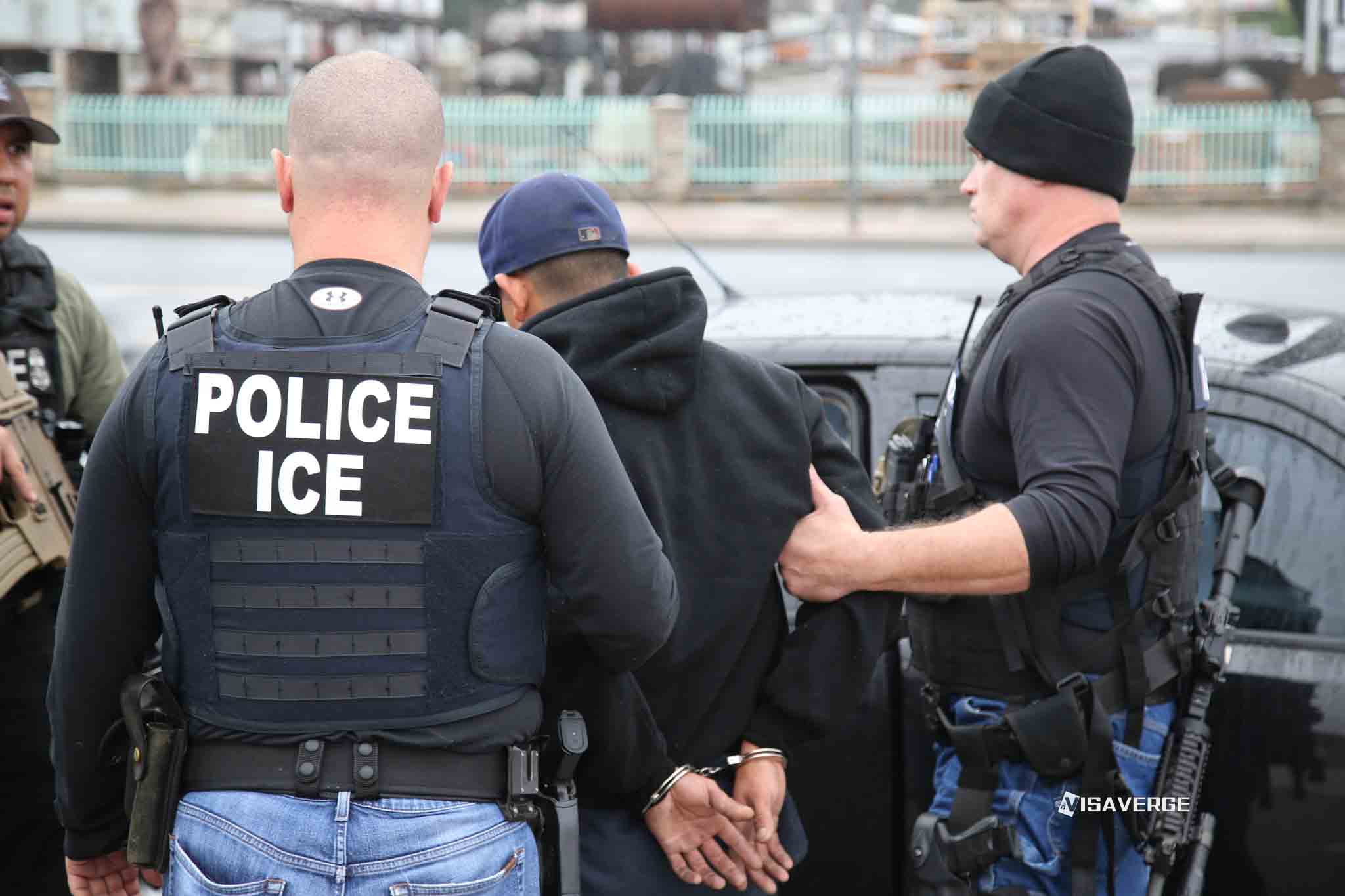
USCIS reiterated the approach in an end-of-year review on December 22, 2025, describing renewed field scrutiny around moral character, loyalty, and constitutional commitment. The review said USCIS “restored the practice of conducting neighborhood investigations” to verify eligibility for naturalization.
Neighborhood investigations restored
USCIS revived “neighborhood investigations” as part of the Good Moral Character review. These field checks are intended to assess:
- Residency
- Moral character
- Loyalty to the U.S. Constitution
- Commitment to the nation’s well-being
The December 22, 2025 review explicitly placed “loyalty to the U.S. Constitution” within the neighborhood investigation framework, alongside residency and moral character. These checks can include interviews, field verification of residence, and corroboration of applicants’ claims about conduct.
What applicants must now show
Under the 2025–2026 standards described by USCIS and the Department of Homeland Security, applicants are expected to do more than show they avoided wrongdoing during the statutory period. The policy emphasizes positive conduct and community-oriented behavior.
Key areas USCIS highlights:
- Sustained community involvement (volunteer work, civic engagement, leadership in local organizations)
- Family responsibility (primary caregiver roles, consistent financial support for dependents)
- Educational and professional achievement (steady employment, pursuit of education or vocational training)
- Tax compliance — Not just filing returns but paying liabilities “in full” rather than being on a payment plan
USCIS guidance emphasizes documentation that supports day-to-day conduct, responsibilities, and ties to the community. The agency signaled that community engagement and responsibility are not merely favorable factors but part of how applicants can meet the burden of proof.
Burden of proof and standard
USCIS describes the Good Moral Character standard as “Preponderance of the Evidence.” That means applicants must persuade the adjudicator that their evidence more likely than not satisfies the requirement. Because the burden sits with the applicant, the added documentation expectations can carry practical consequences even for otherwise eligible applicants.
Conduct that can block Naturalization
USCIS spelled out categories of conduct that can bar applicants, including permanent bars for certain acts described as incompatible with Good Moral Character:
- Permanent bars: unlawful registration to vote; false claim to U.S. citizenship — both treated as permanent bars to Good Moral Character.
- Other conduct (may lead to denial): behavior “technically lawful but socially suspect,” such as habitual reckless driving, aggressive solicitation, or harassment.
- Affiliations or views: DHS statements pointed to scrutiny of “anti-American” views or affiliations with extremist groups as part of the review framed around loyalty to the Constitution.
Neighborhood investigations add field checks and interviews. Any mismatch in residency proofs or incomplete tax payments can raise flags. Ensure all claims are verifiable and sourced before filing.
The expanded scope gives adjudicating officers more discretion to weigh whether an applicant’s record reflects what USCIS describes as the ethical expectations of the community.
Practical consequences for applicants
The policy has translated into more documentation and greater emphasis on the applicant’s narrative. Typical expectations now include:
- Letters of recommendation and certificates of community service
- Detailed employment and financial records
- Tax documentation demonstrating liabilities paid in full
- Evidence of sustained civic, volunteer, or leadership roles
- Proof of family responsibility and stable household support
These requirements can increase stakes for applicants who previously relied mainly on a clean criminal record to satisfy Good Moral Character.
Documentation overview (examples)
| Evidence type | Purpose / What USCIS expects |
|---|---|
| Letters of recommendation | Corroborate community standing, character, and civic involvement |
| Community service certificates | Show sustained volunteer engagement |
| Employment records | Demonstrate steady work and professional responsibility |
| Educational records | Evidence of pursuit of education or training |
| Tax returns + proof of payment | Show tax compliance and that liabilities are paid in full |
| Family support documentation | Evidence of caregiving and financial support for dependents |
| Residency proofs | Corroborate residence claims for neighborhood verification |
Preparation steps (numbered)
- Gather solid, dated documentation of community involvement (volunteer logs, leadership roles, organization letters).
- Compile employment history and education or training records with dates and supervisors’ contacts.
- Obtain letters of recommendation from civic leaders, employers, or community organizations.
- Collect tax returns and proof of full payment of liabilities; resolve outstanding tax debts before filing if possible.
- Document family responsibilities (affidavits, school records, financial transfers demonstrating support).
- Maintain consistent, verifiable records of residence (leases, utility bills, statements) in case of neighborhood verification.
- Be prepared for potential field checks or interviews under the neighborhood investigation process.
USCIS public materials and further reading
USCIS directed applicants to its policy materials on Good Moral Character at Good Moral Character.
The agency also publicized the broader Naturalization standards changes in a September 2025 news release, USCIS Unveils First Changes to Naturalization Test and Standards.
Its December 2025 roundup, Making America Safe Again: USCIS End-of-Year Review, highlighted neighborhood investigations and framed them as a restored statutory tool.
Key takeaways and implications for 2026 applicants
- Good Moral Character is no longer described as merely staying out of trouble. Applicants are expected to affirmatively demonstrate positive contributions across community involvement, family responsibility, work and education, and tax payment.
- The emphasis on paying tax liabilities “in full” and documenting sustained community ties increases the importance of thorough preparation.
- Neighborhood investigations restore a field-verification layer that reaches beyond paperwork to interviews and community corroboration.
- The policy introduces broader adjudicator discretion and makes the applicant’s narrative — supported by documents and references — central to meeting the Preponderance of the Evidence standard.
Tragesser’s September 2025 comment encapsulated USCIS’s rationale for the change and its public framing:
“American citizenship is the most sacred citizenship in the world and should only be reserved for aliens who will fully embrace our values and principles as a nation. the American people can be assured that those joining us as fellow citizens are fully assimilated and will contribute to America’s greatness.”
USCIS has implemented a rigorous new ‘Good Moral Character’ policy for citizenship. Moving beyond mechanical background checks, the agency now requires applicants to affirmatively demonstrate positive social contributions, civic engagement, and loyalty to the Constitution. The policy includes the return of neighborhood investigations and demands full tax compliance, placing a higher burden of proof on immigrants to show they align with American values.