(EUROPEAN UNION) Russian citizens seeking a Schengen Visa in 2025 face tougher rules, higher costs, and longer waits across the bloc, as the post‑2022 clampdown continues to tighten. Since the suspension of the EU–Russia Visa Facilitation Agreement in September 2022, consulates have moved to stricter checks and fuller paperwork reviews, with standard processing times now stretching beyond the formal limit in many cases. Applicants are paying more for the same short‑stay sticker and, in some countries, finding that the passport they carry can determine whether an application proceeds at all. The new reality affects business travelers, families, students, and tourists, often forcing plans to shift or be abandoned.
Price and processing time changes
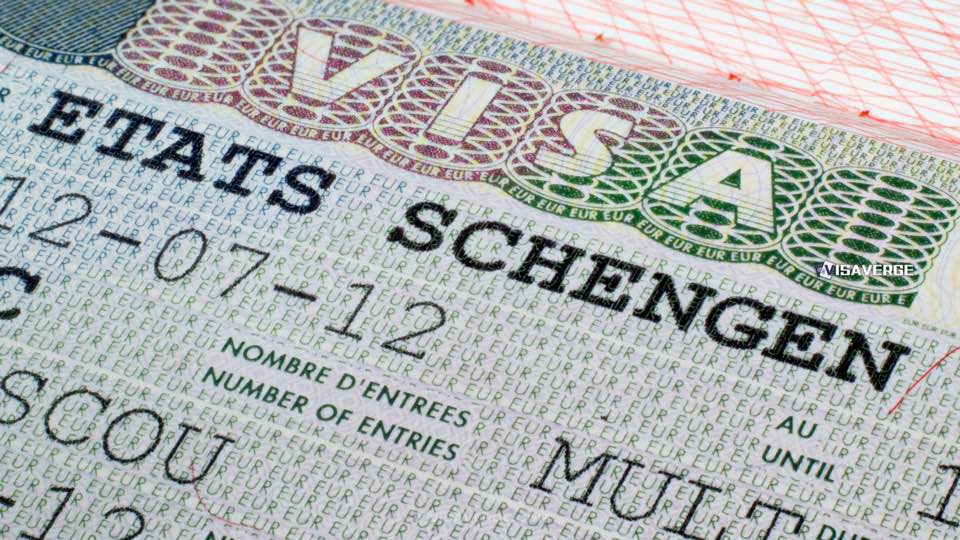
The most immediate change is price. The fee rose from €35 to €80 for adults, while children aged 6–12 now pay €40. What began as a temporary measure under the suspended agreement has become the baseline for Russian applicants.
At the same time, the window for decisions has widened. While the Schengen rulebook cites up to 15 days for a standard decision, consulates are openly advising that cases may take 45 days or more when extra checks are required. Staff cite:
- High volumes of applications
- More verification steps
- A heavier load of supporting documents
These factors are the main drivers of longer processing times.
Stronger document requirements
Those extra documents are not a formality. Russian citizens are being asked to submit a fuller financial picture and more verifiable trip evidence.
Key document requirements now include:
- Recent bank statements
- Employment letters
- Confirmed accommodation bookings
- Detailed proof of the trip’s purpose (business, medical, family event, etc.)
Consulates say that traditional staples — a flight reservation and a hotel printout — rarely suffice alone. Medical insurance has also become a dividing line: policies issued by companies based in Russia are now being refused. Applicants must present coverage from an insurer established outside Russia, and officers check policy terms, validity dates, and coverage limits.
Passport and biometric rules
Identity documents are under sharper scrutiny. France led with a sensitive rule change: since April 14, 2025, French authorities no longer recognize non‑biometric ordinary Russian passports for visa issuance or entry, except for holders under 15.
- Visas printed in such passports before May 3, 2025 remain valid at the border, per French guidance.
- New applications tied to non‑biometric passports are being declined.
Other Schengen states are watching closely. Many applicants now prioritize renewing or replacing passports to biometric versions. Lawyers say biometrics are becoming a practical requirement for adult applicants even where not yet codified nationally.
Removal of expedited options
Consulates have removed the emergency lane. The option to apply for a same‑day or faster Schengen Visa at a higher fee has been withdrawn for Russian citizens.
Consequences include:
- No last‑minute workaround for medical or business trips
- Short‑notice itineraries (conferences, trade fairs) are particularly affected
- Travelers must rethink dates or accept the risk of missing events
Who can apply where
The pathway to the counter has narrowed but not disappeared:
- Russian citizens living in Moscow or the Moscow region can lodge applications with the Italian consulate or other Schengen consulates operating in Russia.
- Foreign nationals legally resident in Russia may apply in‑country if they can prove lawful stay with registration papers or a residence permit.
However, an appointment and fee do not guarantee a visa. Applicants report more interviews, follow‑up questions, requests for fresh bank statements, and direct calls to employers or hosts.
Border control and national entry bans
A Schengen Visa is an entry precondition, not a promise. At the external border, police can request proof of:
- Trip purpose
- Sufficient funds
- Accommodation
- Return plans
Documents checked at the consulate must be current at the point of entry. Several countries have also announced or extended national entry bans for Russian nationals regardless of visa status, citing public order or security grounds. An approved sticker may not guarantee admission in every Schengen state — travelers should plan routes accordingly and carry full supporting paperwork.
Policy background and evolving rules
The suspension of the facilitation agreement removed the simplified rules that once sped up decisions and lowered costs. Since then, the EU introduced a more flexible visa suspension mechanism, allowing further restrictions under certain conditions.
Analysts (e.g., VisaVerge.com) report this has produced:
- More complex applications
- Tighter insurance checks
- Longer queues
- Sharp differences between consulates based on staffing and local policy
Practical advice: details that matter
Within this stricter framework, small details can determine outcomes. Applicants are urged to:
- Ensure every booking is verifiable
- Match names and dates across all documents
- Provide financial records covering the period required by each consulate
Where an invitation is involved, letters should be:
- Precise, dated, and signed
- Include contact details reachable during business hours
Officers increasingly place direct calls to clinics, companies, and hotels to confirm arrangements.
Medical insurance: common pitfalls
Medical insurance remains a frequent stumbling block. Requirements typically include:
- Validity for the entire stay
- Coverage across the Schengen area
- Meeting minimum coverage amounts
- Issued by an insurer outside Russia
Many applicants now buy coverage from international providers that issue certificates online in English, and they budget extra time to secure such policies.
Passport renewal and timing impacts
Switching to biometric passports can add weeks before a visa filing, especially for those outside major cities. Practical points:
- Applicants able to secure biometric passports often renew before booking visa appointments.
- Families with mixed documents may use split strategies: adults renew, while children under 15 apply on older passports if allowed.
Appointments, capacity, and middlemen warnings
Consulates and visa centers manage capacity through limited appointment slots. Peak periods fill quickly, so early planning is essential.
Warnings:
- Avoid middlemen who claim to guarantee a visa or appointment for a fee — visas are decided only by consulates.
- Use trusted providers and official pages for the latest document lists and appointment rules.
For official guidance, see the European Commission’s Schengen information page: European Commission – Schengen visa policy.
Forms and how to complete them
The Schengen application form is standardized. When consulates ask for the official application, use the common Application for Schengen Visa template hosted by the European Commission:
- Download here: Application for Schengen Visa (PDF)
Tips for the form:
- Complete carefully, matching entries exactly to passport and supporting documents
- Sign where required
- Errors in dates, addresses, or passport numbers are a frequent cause of delays
Planning and timing recommendations
For travelers still deciding whether and when to apply, consular advice is consistent: start early and assume a longer wait. Practical steps include:
- File well ahead of the planned trip to absorb potential requests for extra documents or interviews.
- Choose refundable bookings where possible.
- Prepare a second set of documents to present at the border (proofs of accommodation, return flights).
- Build extra days into itineraries for seasonal travel and fixed‑date business plans.
Outcomes and uneven impacts
The lived impact is uneven:
- Applicants with strong documentation and stable travel histories often get approvals, albeit slower.
- Others face refusals tied to doubts about purpose of stay or insurance and must regroup and reapply.
- Differences between Schengen countries (national measures, local capacity) shape both screening and wait times.
The overlapping changes — higher fees, stricter insurance rules, biometric passport pressure, and the removal of expedited filing — raise the bar, especially for first‑time travelers.
Key takeaway: The Schengen Visa remains attainable for many Russian citizens, but the pathway has narrowed. Processing times have stretched, and the burden of proof sits firmly with the applicant. Biometric passports, non‑Russian insurance, proof of funds, detailed travel purpose, and verifiable bookings now carry more weight. With geopolitical tensions still reshaping policy, those who plan ahead, use official resources, and prepare thorough files stand the best chance of clearing the higher hurdle.
Frequently Asked Questions
This Article in a Nutshell
In 2025 Russian citizens applying for Schengen visas face higher fees (€80 adults, €40 children), longer processing times often exceeding 45 days, and stricter document checks after the 2022 suspension of the EU–Russia facilitation agreement. Applicants must provide detailed financial records, verifiable bookings, employment letters and medical insurance from non‑Russian insurers. France now refuses non‑biometric ordinary Russian passports for most adults. Expedited services are withdrawn, so early planning and thorough, verifiable documentation are crucial.