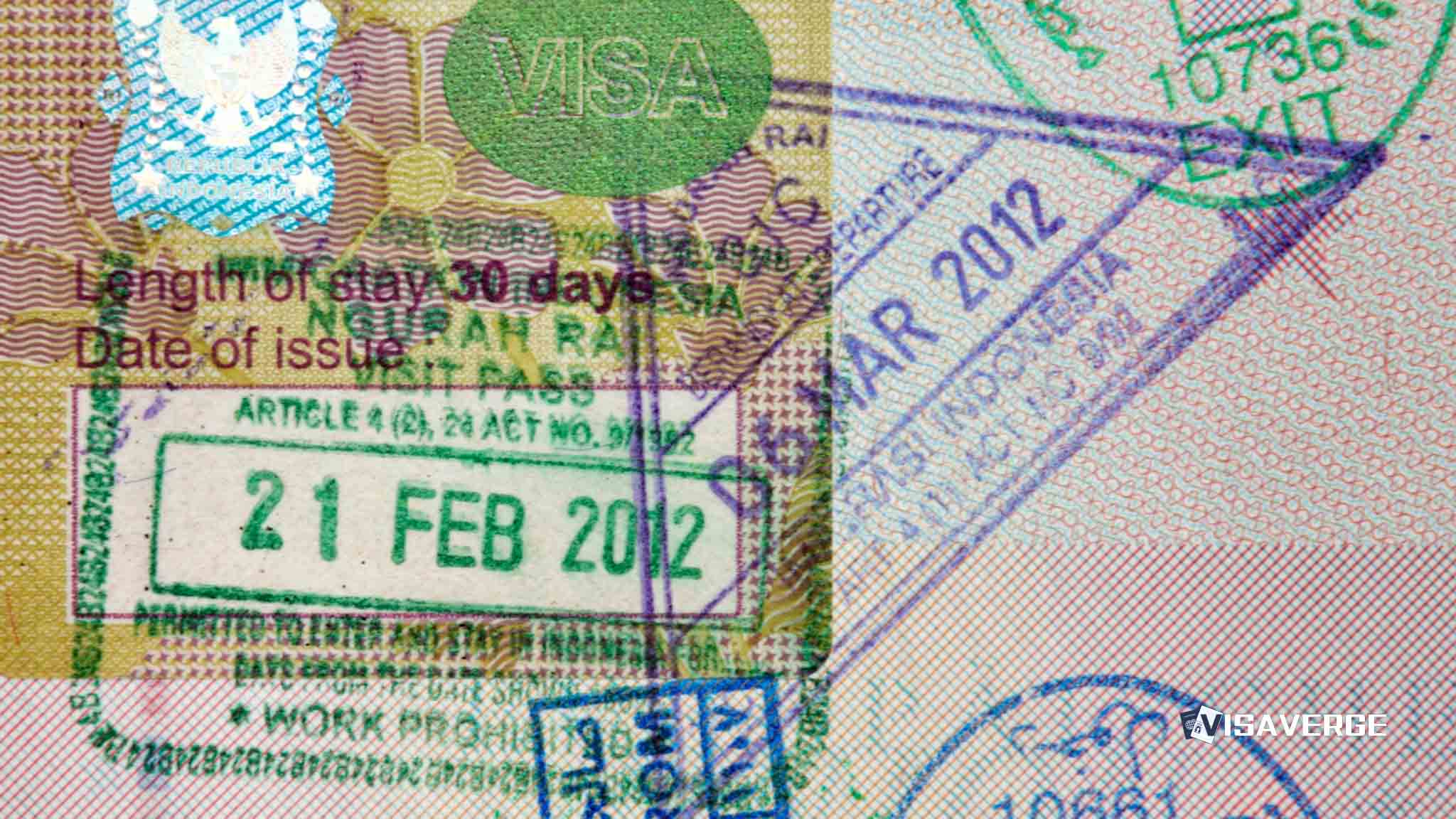
(KENTUCKY, UNITED STATES) Visa holders in Kentucky cannot get a Kentucky REAL ID driver’s license, permit, or ID card in 2026. They can only receive a standard (non-REAL ID) credential at a Kentucky Transportation Cabinet (KYTC) Driver Licensing Regional Office.
That rule matters because REAL ID has been enforced since May 7, 2025 for domestic flights and many federal facilities, and Kentucky marks compliant cards with a black star. Kentucky limits REAL ID eligibility to U.S. citizens and permanent residents (Resident Aliens with a valid Permanent Resident Card, also called I-551).

Kentucky’s REAL ID eligibility rule (summary)
Kentucky’s policy is direct: visa holders—non-U.S. citizens in temporary status—do not qualify for Kentucky REAL ID credentials. If you are in Kentucky on a temporary visa, plan for two separate identity needs:
- A standard Kentucky license or ID for daily life, issued by KYTC.
- A federal identity document for TSA airport screening or federal buildings where REAL ID is required.
Permanent residents are treated differently. Kentucky recognizes permanent residents with a valid Permanent Resident Card (I-551) as eligible for a REAL ID credential if they meet documentation requirements.
Important: Kentucky marks REAL ID-compliant cards with a black star and limits eligibility to citizens and permanent residents. Visa holders must use alternative documents for federal purposes.
What to use for flying and federal buildings when you don’t have REAL ID
Because Kentucky REAL ID is not available to visa holders, you need an alternative federal ID. Acceptable options include:
- Valid, unexpired foreign passport (with your visa, when required)
- U.S. passport, if you have one
- Employment Authorization Card (I-766)
For an official reference before booking travel, start at Kentucky’s REAL ID hub: https://drive.ky.gov/RealID.
VisaVerge.com reports the biggest pain point is not the DMV counter itself, but the surprise at the airport when a standard license is treated as “not enough” for federal screening.
Residency and the 30-day rule — what to confirm before applying
Kentucky requires visa holders to establish Kentucky residency before getting a standard credential. Residency is defined as living in the state for 30 days or more.
New residents on visas also face a strict timing rule: you must obtain a Kentucky license within 30 days of establishing residency. This deadline is easy to miss while settling housing, starting work, or waiting for school to begin.
Plan your DMV trip around your documents and residency timing. The licensing office will check:
– Identity,
– Lawful presence,
– Social Security number evidence,
– Kentucky residency.
All are verified under strict document rules.
Step-by-step: getting a standard Kentucky credential as a visa holder (2026)
This is the practical path most visa holders follow. Expect at least one in-person visit and possibly more if you need testing or lack originals.
- Prepare your lawful presence documents (keep them unexpired).
Kentucky verifies lawful presence through the federal SAVE process. Bring your unexpired passport and visa and your I-94 record when available. The I-94 is a DHS entry record; CBP’s official I-94 site is here: Form I-94 (Official CBP I-94 website). -
Collect one Social Security Number document that meets Kentucky’s format rules.
Kentucky accepts a Social Security card, a current-year W-2 or 1099 with the full SSN visible (no photocopies or handwritten versions), or a paycheck stub. Bring one that matches your legal name exactly. -
Bring one Kentucky residency document that fits the “standard credential” list.
Acceptable items include a utility bill (less than one year old), lease/rental agreement, mortgage statement, a Kentucky license showing your current address, or an insurance policy. The address should match your application. -
Schedule skills testing first if needed, then go in person to a KYTC regional office.
Applicants who need skills testing should schedule with the Kentucky State Police first. After testing (when required), complete the in-person application at a KYTC Driver Licensing Regional Office. -
Receive a standard credential whose expiration tracks your immigration documents.
Kentucky issues a standard driver’s license valid for a period tied to your presented documents. The card expires on the shortest validity period shown in your documents, up to a maximum of 4 years.
Document checklist that avoids the most common DMV denials
Kentucky’s standards are strict. Small mistakes lead to repeat visits. Use the checklist below to prepare originals and avoid denials.
Proof of legal presence (visa holders)
Bring documents Kentucky can verify through SAVE. Common examples:
– Valid, unexpired foreign passport with visa (if required by nationality)
– I-94 entry/status record
– Other USCIS or DHS documents Kentucky can verify
If you rely on an Employment Authorization Card for some federal purposes, USCIS describes the card as I-766. Official USCIS page: Employment Authorization Document (EAD).
Proof of Social Security Number (1 document)
Kentucky requires one acceptable SSN document. Choose the cleanest option:
– Social Security card
– Current-year W-2 or 1099 showing the full SSN (no photocopies, no handwritten versions)
– Paycheck stub showing the SSN
Proof of Kentucky residency (1 document for a standard credential)
Bring one item tying you to your Kentucky address:
– Utility bill (less than one year old)
– Lease or rental agreement
– Mortgage statement
– Insurance policy
– Kentucky license with current address (if updating)
Name or gender change documents (when documents don’t match)
If your documents have differing names, bring certified records proving the change:
– Certified marriage certificate
– Divorce decree
– Court order
Originals only — no photocopies
Kentucky does not accept photocopies for these core proofs. Bring originals or certified copies. Damaged, torn, or altered documents can delay or stop issuance.
Fees, validity, and what the state issues to visa holders
- Standard driver’s license fee: $43.
- Validity: Tied to the shortest end date on the documents you present, maximum 4 years.
Practical effect: if your immigration status or supporting document expires sooner, your license will too. Expect to return with updated status evidence after extensions or changes.
Processing time expectations and tips to reduce repeat visits
Kentucky requires in-person application visits. Use these tips to smooth the process:
- Use the KYTC iDocument Guide quiz (drive.ky.gov) to create a personalized document list.
- Arrive after you’ve lived in Kentucky for 30 days so your residency claim is valid.
- Avoid near-expiration documents whenever possible; the license end date follows the shortest-valid document.
- Ensure name formats match across passport, I-94, SSN evidence, and proof of address, or bring certified proof of changes.
Kentucky reported that as of late 2025, 45% of Kentuckians (1.66 million) had a REAL ID. That reflects eligible residents, not visa holders barred from REAL ID, and explains why DMV staff often begin by asking about the black star.
REAL ID limits and practical planning for visa holders
A standard Kentucky credential helps with everyday needs: driving, insurance, and many in-state identity checks. It does not meet federal REAL ID enforcement for flights and certain facilities.
Practical travel tips for visa holders:
– Keep your passport current and store copies safely.
– Confirm TSA-accepted documents before travel dates tied to immigration events (visa stamping, school breaks).
– Be aware that missing a flight because you expected a Kentucky REAL ID can be costly.
Permanent residents who qualify for Kentucky REAL ID should bring their Permanent Resident Card (I-551) and ensure it is valid. USCIS provides information on permanent resident cards on its green card pages, and Kentucky staff will treat the I-551 as the anchor document for REAL ID eligibility in the state.
Kentucky restricts REAL ID eligibility to citizens and permanent residents. Visa holders receive standard credentials and must use federal alternatives like passports for domestic air travel. Applicants need proof of residency, social security, and lawful presence. Licenses are issued for a maximum of four years but often expire earlier to align with the applicant’s legal status duration, requiring frequent renewals following immigration updates.