Key Takeaways
• In April 2025, over 4,700 student SEVIS records were reinstated by government order after legal challenges.
• U.S. courts found the Trump administration improperly terminated F-1 student visa records without due process.
• Students whose SEVIS records were canceled must reapply for F-1 visas if they already left the United States.
A recent court hearing has spotlighted how the United States ?? government handled the sudden cancelation of student visa records for thousands of international students. The hearing, led by U.S. District Judge Ana C. Reyes, brought tough questions about whether the students were given a fair process. This story, involving students like Akshar Patel from Wisconsin University, is just one of many legal fights over what happened to students holding F-1 visas and how their information was managed in the Student and Exchange Visitor Information System, more commonly known as SEVIS.
The F-1 Visa and SEVIS: What Happened?
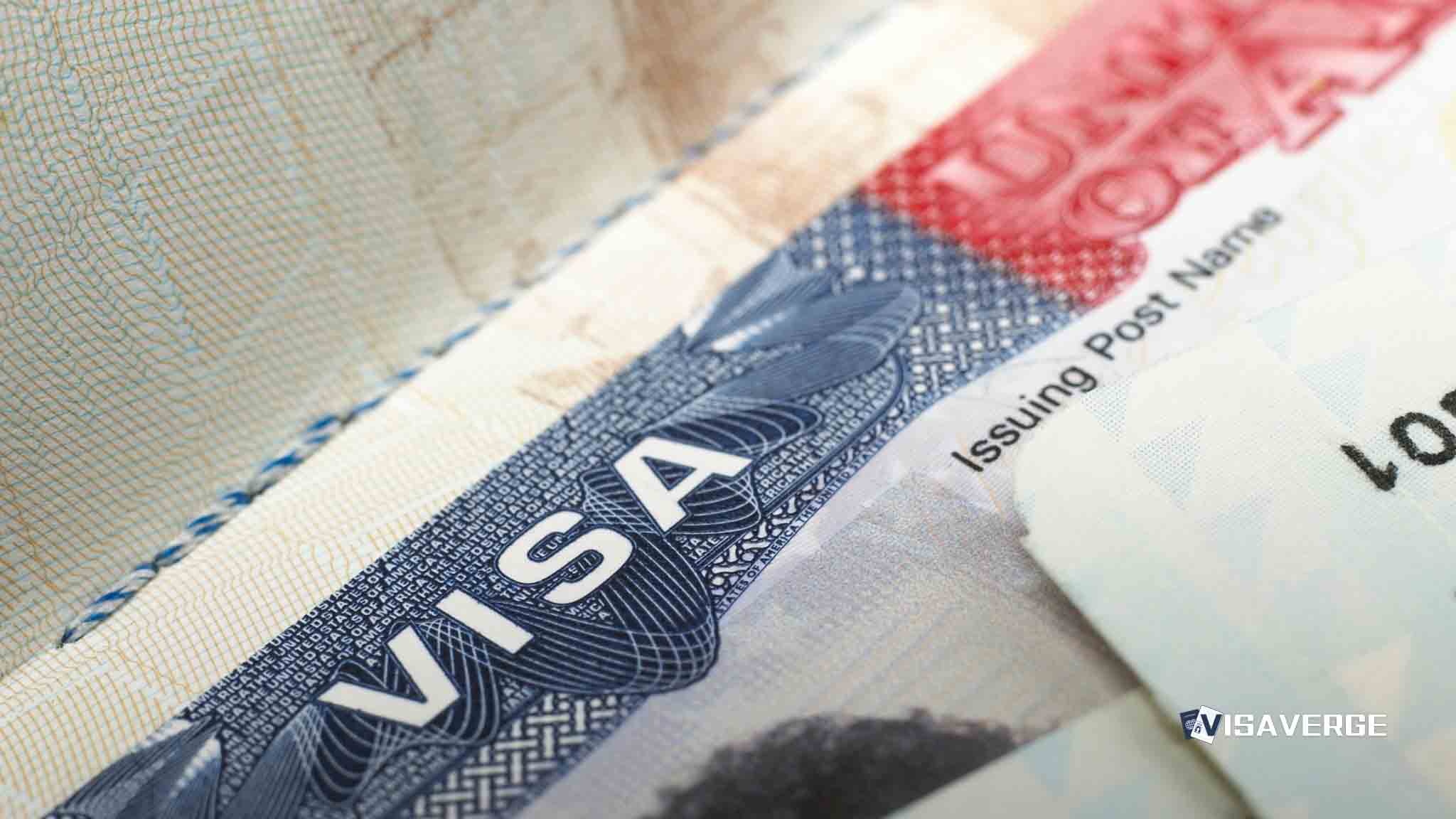
The F-1 visa is the main visa that allows international students to study at U.S. schools, colleges, and universities. This process is closely managed through a computer system called SEVIS, which helps the government keep track of who is in the United States ?? on a student visa, where they are going to school, and whether they are following the rules of their visa.
Free toolDS-160 Form Filling Online Helper ToolEarlier in 2025, the Trump administration made a move that shocked students and schools alike: it terminated the SEVIS records of thousands of students. For many, this came out of nowhere. These students were in good academic standing and close to graduating. Some had committed only minor legal mistakes—many of which did not even result in charges or had already been dismissed. Despite this, their SEVIS records were cancelled. In most cases, students were not told ahead of time and were never given a chance to explain or fix the situation before their record was ended.
This left students worried about being forced to leave the country, unable to finish their degrees, and uncertain if they could ever come back.
Judges Step In — Raising Questions About Fairness
As students and schools began to push back, courts across the United States ?? found themselves reviewing a long list of cases. Judge Ana C. Reyes, presiding over Akshar Patel’s case, took the government to task. She even gave the government’s lawyers a “pop quiz” about where the due process clause—an important legal protection that says the government cannot take away your rights without a fair process—comes from. Her questions highlighted a much bigger worry: was the government following the rules when it cut off students’ visas?
Nearly all the judges who reviewed these cases decided that the government had acted improperly. In fact, courts in states like Georgia and Washington ordered the Trump administration to undo the cancellations. On April 22, 2025, one judge ordered the government to restore the legal records of over 130 students in a single day. The next day, the government took a surprising step and decided to backtrack on its earlier position.
Inside the Legal Arguments: Procedure and Authority
There are a few main arguments that keep coming up in these cases:
- Due Process: Did the government give students a fair process before taking away their student status? Judge Reyes and others say this is a core protection that cannot be ignored, even in tough or unusual situations.
-
Following the Rules (The Administrative Procedure Act): In one case, a Washington court found that the Department of Homeland Security (DHS), which is responsible for managing immigration, did not follow its own rules when it canceled a student’s visa based on a criminal charge that had not led to a final result. According to the rules, there are only certain reasons the government can cancel a SEVIS record, and this was not one of them.
-
Who is Really in Charge?: Judges pointed out that the government might have gone past its legal powers. U.S. District Judge Calvert wrote that the administration’s actions “go beyond statutory and regulatory authority and is thus unlawful.” This means the government cannot do more than what the law allows, and here, they seemed to stretch or break those boundaries.
The Government’s Wavering Explanation
At first, officials said they canceled the SEVIS records to keep up with the law, noting that many of the students had troubles on their record or had failed certain background checks. But in court, the story was not always so straightforward. The government’s arguments changed from one case to another.
In some court documents, officials claimed that ending a SEVIS record does not actually force a student to lose their immigration status. Andre Watson, a senior Homeland Security official, wrote in an affidavit that only the State Department can officially cancel a student’s visa. According to this logic, the SEVIS record is simply a database entry, not the visa itself.
However, this explanation did not fit with the way things have worked in the past. When a student’s SEVIS record is canceled, universities have almost always told them to stop working and to plan for leaving the United States ??. Government instructions also say that students who lose their SEVIS record must depart the country. This mixed messaging added to students’ confusion and frustration, as nobody was sure what the official position really meant for their futures.
The Human Cost: Students in Limbo
The immediate effect of the mass cancellations was chaos. Some students packed up and left the country right away, scared of being deported. Others waited, hoping for clarification or reversal. Many could not graduate, and some missed out on important job opportunities. The effect rippled beyond students, impacting schools, professors, families, and even U.S. employers who rely on international talent.
Analysis from VisaVerge.com suggests that the damage may linger, even after recent policy changes. Students who have already left face a tough road if they want to return. They will need to meet all the requirements again for a new F-1 visa at a U.S. embassy or consulate, and there is no guarantee they will be approved. Each student must pass a full review, including checks on their academic standing and background—essentially starting the process over from the beginning.
The Sudden Policy Turnaround
Seeing the growing legal pressure, the government moved to change direction. On April 25, 2025, a Justice Department lawyer announced in court that more than 4,700 students would have their SEVIS records restored or re-activated. ICE confirmed it would keep these records active, or bring them back to active status, for any students who had been affected by the terminations. This move would stay in place until ICE finishes new rules about how SEVIS record terminations are handled.
This brought some hope for those still in the country or waiting for news. But for many, especially those who had already left, the government’s shift came too late. Immigration lawyers have said that thousands of students now face a difficult path to get back to their schools and continue their studies in the United States ??.
The Bigger Picture: How This Impacts Students and The System
This situation has shown just how much power government agencies, especially ICE and DHS, hold over the lives of international students. The F-1 visa and the Student and Exchange Visitor Information System together form the backbone of how international student information is tracked. Decisions about how to use these tools have far-reaching consequences.
For students, the biggest worry is uncertainty. The sudden change in policy left them unsure if they should stay, leave, or try to fight the decision in court. Schools had to scramble to support affected students and untangle the often confusing instructions from different government offices.
Legal experts and judges like Ana C. Reyes played a big role in putting the government’s actions under the microscope. By demanding clear explanations and reminding officials about the importance of due process, these judges are shaping how future policy will be made. At the same time, their rulings are offering at least some comfort that students’ rights still matter, even in a fast-changing political environment.
What Comes Next? Waiting for New Rules
As of now, ICE is working on a new policy for when and how SEVIS records can be canceled. Until that plan is finished, students who lost their records because of the mass termination will have their status restored. However, there are still many unknowns. For students who left, the only way back is to apply for a new F-1 visa, and there are no promises about how those applications will be handled. Some may face added questions about why their SEVIS record was ever canceled and whether anything in their background could be a problem, even if the original issue was minor or resolved.
For those currently studying or planning to study in the United States ??, the message is clear: immigration policies can change quickly and sometimes without warning. Many international students and their schools will be watching closely to see what new rules ICE decides to put in place.
Practical Advice and Official Resources
If you or someone you know has been affected by these issues, it’s important to check your current SEVIS record status and stay in close contact with your school’s international office. Schools often get the latest information straight from ICE and can help with next steps. For students who left and want to return, be prepared for the regular F-1 visa application process, which may include interviews, background checks, and proof of financial and academic standing. You can learn more about the F-1 visa requirements and the current processing steps on the official U.S. Department of State website’s F-1 visa page.
Looking Ahead
The legal fight over the Trump administration’s decision to terminate thousands of SEVIS records is still ongoing. Judge Ana C. Reyes’ courtroom, where the debate over due process took center stage, is just one of many where these matters are being decided. With courts mostly siding with students so far, and government agencies reviewing their own policies, the hope is that future decisions will bring more clarity, fairness, and security to international students in the United States ??.
This situation is a reminder for all students and schools to pay close attention to government notices and always seek help if something seems unfair or wrong. By staying informed and ready to ask questions, international students can better protect their rights as they study in the United States ??.
Learn Today
F-1 visa → A nonimmigrant visa allowing international students to attend schools, colleges, or universities in the United States for academic study.
SEVIS → The Student and Exchange Visitor Information System, a government database tracking international students’ status and activities in the U.S.
Due process → A constitutional right requiring fair procedures before the government can deprive a person of rights or legal status.
ICE → U.S. Immigration and Customs Enforcement, the agency overseeing SEVIS and enforcement of immigration laws related to students.
Administrative Procedure Act → A federal law setting standards government agencies must follow when making or changing regulations or administrative decisions.
This Article in a Nutshell
Thousands of international students in the U.S. faced abrupt SEVIS record cancellations, risking their education and legal status. Lawsuits led federal judges to demand restored records and emphasize due process rights. In April 2025, over 4,700 SEVIS records were reinstated, but many students must still restart the F-1 visa process abroad.
— By VisaVerge.com
Read more:
• Finnair cancels 140 flights at Helsinki Airport due to industrial action
• Judge blocks deporting noncitizens without due process
• Kilmar Abrego Garcia deported despite due process concerns
• Students rethink US study plans due to visa issues
• United Airlines to cut domestic flights due to changing demand