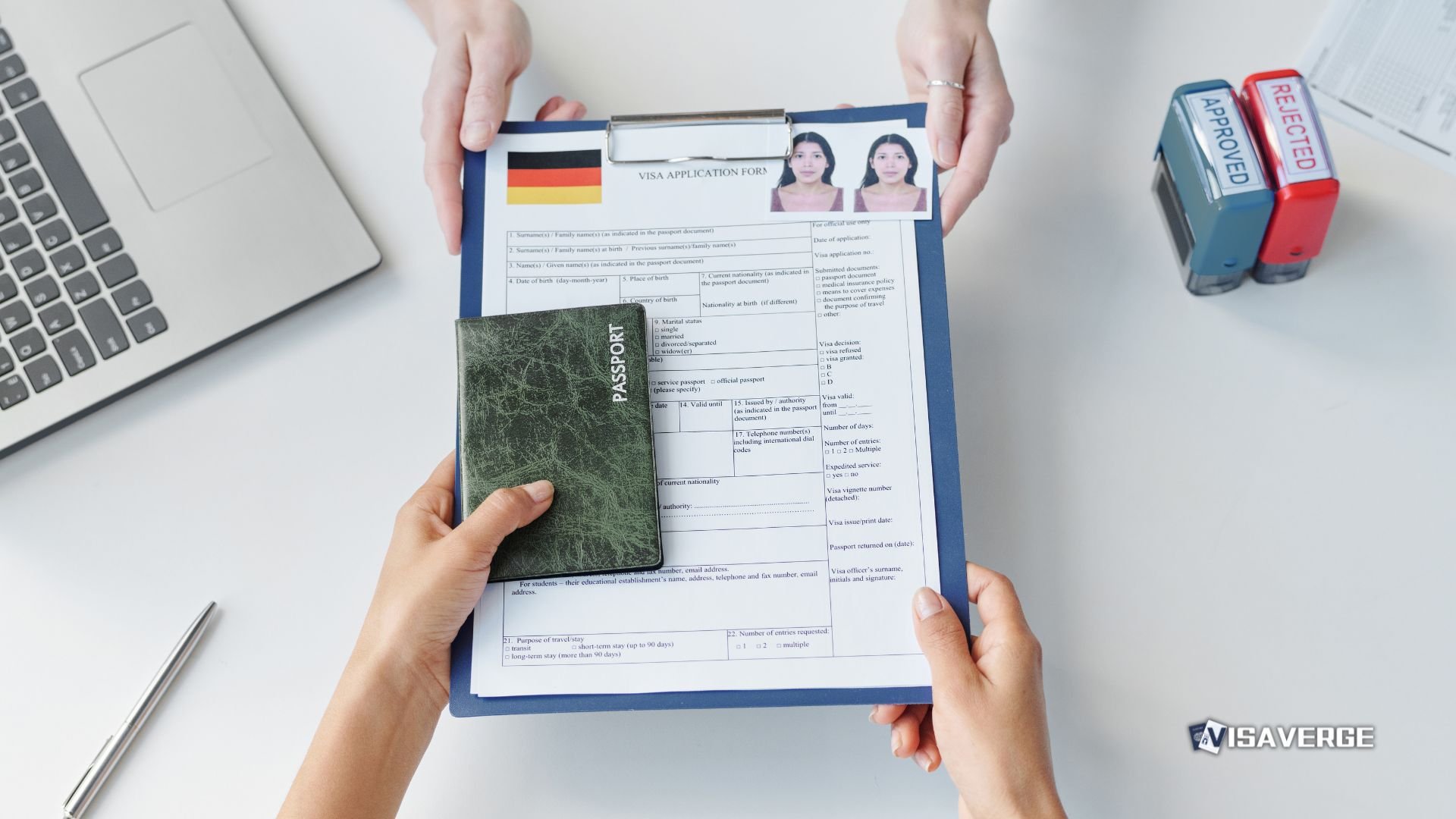
- Italy has launched a permanent online waiting list in Islamabad to replace the controversial click-day visa booking system.
- The new chronological queue aims to eliminate the black market where agents sold appointments for up to €1,500.
- Officials expect the reform to reduce nine-month backlogs down to just four to six weeks for work visas.
(ISLAMABAD, PAKISTAN) — The Italian Embassy in Islamabad introduced a new visa appointment system on February 16, 2026, replacing its long-criticized “click-day” booking method with a permanent, time-stamped online queue meant to cut waits and curb appointment scalping.
Italian officials framed the change under the headline “Italy Leads the Way in Visa Reform: New System Aims to End Backlog and Eliminate Black Market for Appointments with Transparent Online Waiting List,” with Islamabad as the initial focus because of heavy demand, long delays and reported abuse of scarce appointment slots.

Under the overhaul, applicants register once on a dedicated portal and join a chronological line, shifting the process from rapid-click competition to a queue-based system designed to make outcomes more predictable for workers and employers.
The reform takes effect February 14, 2026, and it targets work visa applications tied to Pakistan-based applicants who already hold the required Italian work authorization under Italy’s 2026 Decreto Flussi framework.
At the center of the change is a move away from bulk releases of appointments, which created a rush for limited slots and encouraged informal markets around access. Islamabad’s embassy has faced a nine-month backlog, and the embassy expects the new system to reduce wait times to four to six weeks.
Applicants now join a transparent online waiting list by registering through the official portal at waitlist.theitalyvisa.com. The design places registrants into a chronological queue, using time-stamped entry so that appointment allocation becomes traceable as slots open.
That traceability forms the reform’s anti-corruption logic. Third-party agents reportedly sold appointment slots for as much as €1,500, and Italian officials say a permanent waiting list reduces the incentive and opportunity for intermediaries to profit from scarcity.
The system changes how applicants compete, not what they must ultimately prove. Registrants still need the required work authorization and documentation, and the embassy still controls appointment capacity and scheduling, but applicants should now expect order based on queue placement rather than speed during a mass release.
For people applying through Islamabad, the immediate practical difference is that the “click-day” approach no longer determines who gets seen first. A single registration and a time-stamped place in line become the gateway to an appointment, with assignments made as capacity becomes available.
Eligibility for the pilot centers on Pakistani nationals holding a Nulla Osta under Italy’s 2026 Decreto Flussi, with targeted categories listed as seasonal agricultural work, hospitality, and highly skilled permits. Italian officials said they will test the system in Islamabad for three months before considering a broader rollout.
Officials have indicated a possible expansion by 2027 to other high-demand regions, naming Dhaka (Bangladesh), New Delhi (India), and Manila (Philippines). The announcement did not detail how quickly capacity would scale or how those posts would sequence applicants if the system expands.
While the change is an official Italian government initiative, it is separate from U.S. immigration agencies and does not involve U.S. systems. U.S. Citizenship and Immigration Services and the Department of Homeland Security have not issued statements about Italy’s internal consular changes, and their updates around the same period addressed unrelated U.S. programs.
USCIS said on February 13, 2026: “U.S. Citizenship and Immigration Services received enough petitions to reach the cap for the additional 18,490 H-2B visas made available for the first allocation of returning workers of fiscal year 2026. under the H-2B supplemental cap temporary final rule (FY 2026 TFR).”
DHS Secretary Kristi Noem said on February 13, 2026: “Secretary of Homeland Security Kristi Noem today announced the termination of Temporary Protected Status for Yemen. The termination is effective 60 days after the notice is published in the Federal Register.”
Noem also appears in a DHS Federal Register entry dated Jan 16, 2026, in which the text says: “This approval could also allow the alien to schedule consulate processing for his or her visa application earlier, which could also minimize wait time outside the U.S.”
For applicants and employers comparing options across countries, the Italy and U.S. updates underscore that timing and access problems can look similar while operating under different rules. Italy’s reform focuses on appointment allocation at one embassy, while USCIS and DHS updates relate to U.S. petition caps, status programs, and processing pathways.
Italian officials and observers described the Islamabad reform as a model other posts could replicate if it delivers shorter waits and a clearer line of sight for applicants. Over more than a decade, the “click-day” approach drew criticism as an “appointment lottery” that favored those with high-speed internet or those willing to pay illegal intermediaries.
A transparent waiting list changes the incentives around speed and information advantage, aiming instead for fairness through visible sequencing. In practice, the promise is administrative: a more orderly queue, reduced friction, and planning certainty tied to an estimated timeframe rather than a scramble for an opening.
If the embassy achieves its stated goal of moving from a nine-month backlog to four to six weeks, the shift could help Italian employers in tourism and farming plan around arrivals and start dates with fewer unknowns. The announcement did not provide further operational detail on staffing or appointment volume, focusing instead on the mechanics of registration and queue placement.
Applicants seeking to verify requirements and register can consult the embassy’s official notice page at esteri.it – Notice on Online Waiting List and use the official registration portal at waitlist.theitalyvisa.com. Readers following U.S. developments can check the USCIS Newsroom and DHS updates at dhs.gov/news, which remain separate from Italy’s consular reform at the Italian Embassy in Islamabad.