Spanish
Official VisaVerge Logo Official VisaVerge Logo
  • Home
  • Airlines
  • H1B
  • Immigration
    • Knowledge
    • Questions
    • Documentation
  • News
  • Visa
    • Canada
    • F1Visa
    • Passport
    • Green Card
    • H1B
    • OPT
    • PERM
    • Travel
    • Travel Requirements
    • Visa Requirements
  • USCIS
  • Questions
    • Australia Immigration
    • Green Card
    • H1B
    • Immigration
    • Passport
    • PERM
    • UK Immigration
    • USCIS
    • Legal
    • India
    • NRI
  • Guides
    • Taxes
    • Legal
  • Tools
    • H-1B Maxout Calculator Online
    • REAL ID Requirements Checker tool
    • ROTH IRA Calculator Online
    • TSA Acceptable ID Checker Online Tool
    • H-1B Registration Checklist
    • Schengen Short-Stay Visa Calculator
    • H-1B Cost Calculator Online
    • USA Merit Based Points Calculator – Proposed
    • Canada Express Entry Points Calculator
    • New Zealand’s Skilled Migrant Points Calculator
    • Resources Hub
    • Visa Photo Requirements Checker Online
    • I-94 Expiration Calculator Online
    • CSPA Age-Out Calculator Online
    • OPT Timeline Calculator Online
    • B1/B2 Tourist Visa Stay Calculator online
  • Schengen
VisaVergeVisaVerge
Search
Follow US
  • Home
  • Airlines
  • H1B
  • Immigration
  • News
  • Visa
  • USCIS
  • Questions
  • Guides
  • Tools
  • Schengen
© 2025 VisaVerge Network. All Rights Reserved.
USA

USCIS Launches AI-Driven Vetting Center to Strengthen Screening

A new USCIS Vetting Center in Atlanta centralizes AI-driven security screening for all immigration cases, including past approvals. It draws on DHS and open-source data, prioritizes countries under Executive Order 14161, and may add 30–45 days to flagged cases. Employers should plan for delays and possible RFEs while advocates warn of bias, privacy risks, and false positives.

Last updated: December 8, 2025 10:12 pm
SHARE
📄Key takeawaysVisaVerge.com
  • A centralized Vetting Center in Atlanta is operational since late 2025, consolidating national immigration screening.
  • Cases flagged for deeper review may face added delays of 30–45 days, affecting job start dates and travel.
  • The center can re-examine past approvals using AI, watchlists, classified databases, and open-source monitoring.

(ATLANTA, GEORGIA) A new national security Vetting Center run by USCIS has quietly come online in Atlanta, Georgia, marking one of the most sweeping changes in how the United States 🇺🇸 screens immigration cases in years. Operational since late 2025, the centralized facility is built around advanced technology, including artificial intelligence tools, to run deeper and more uniform checks on millions of applications and even on past approvals.

Purpose and Centralization

The Vetting Center is designed to sit at the heart of the immigration system rather than on the edges of individual field offices. Instead of each office handling its own security screening in different ways, the Atlanta hub now pulls data together and runs the same level of detailed review across the country.
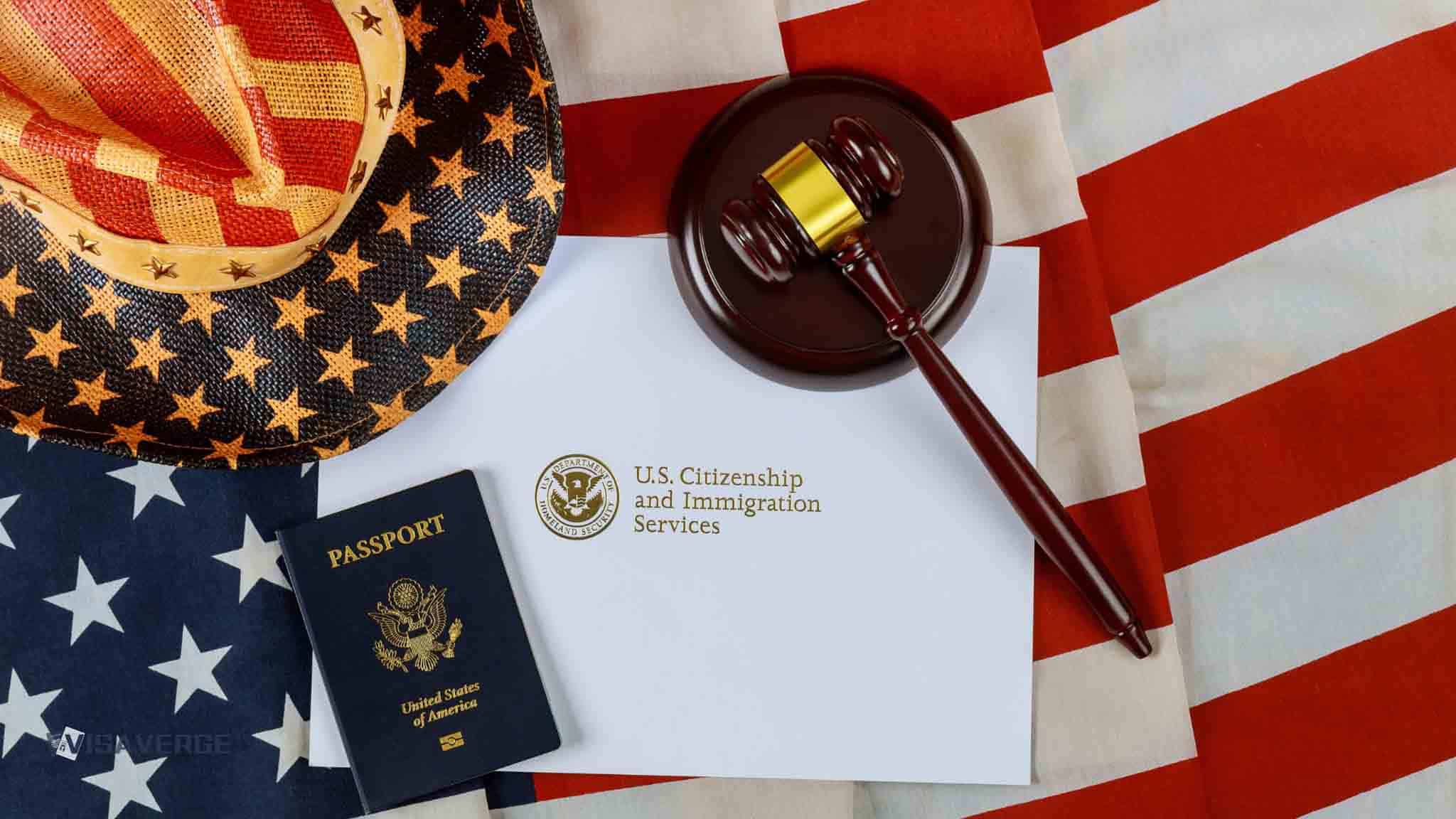
USCIS Launches AI-Driven Vetting Center to Strengthen Screening

According to analysis by VisaVerge.com, this central model is meant to:
– Standardize security checks
– Reduce gaps that can appear when many locations follow slightly different methods

USCIS has tied the new center directly to Executive Order 14161, which focuses on protecting national security in the immigration space. Officials say the goal is to use broader data and stronger tools to spot terrorists, criminal aliens, fraud, and other security risks earlier in the process. The center’s work applies not only to new cases but also to applications and petitions that were approved in the past and may now be re-examined under this new system.

Technology Stack and Data Sources

The technology behind the Vetting Center is far more complex than earlier name-check systems. USCIS says it is using AI-powered tools to screen:
– Names
– Travel patterns
– Watchlists
– Derogatory information

These checks pull from a mix of classified and non-classified databases, including Department of Homeland Security systems such as HART, IDENT, TECS, and ATS, along with State Department visa records. The center also draws from social media and other open sources, adding a layer of continuous monitoring that goes beyond one-time checks when a form is filed.

Scope of Cases Reviewed

The Atlanta operation covers all immigration benefit applications and petitions, such as:
– High-demand work visas (H-1B, L-1)
– Family-based petitions
– Humanitarian benefits
– Employment-based green card cases

Cases connected to countries labeled “of concern” under Executive Order 14161 will receive prioritized scrutiny. That means applicants from those nations are more likely to have their files routed through the Vetting Center before a final decision is made.

Expected Impact on Processing Times

For applicants and employers, the most immediate effect will likely be on processing times.

  • Cases flagged for deeper review at the Vetting Center may face added delays of 30–45 days, according to people familiar with internal planning expectations.
  • That extra month (or more) can affect:
    • Job start dates for foreign workers
    • Travel plans for families awaiting green cards or humanitarian approvals

Important: Build additional time into hiring and travel plans if an immigration benefit could be routed through the Vetting Center.

Internal Changes: Adjudication and Enforcement Links

USCIS Director Joseph Edlow has presented the Vetting Center as a way to consolidate data from scattered sources—law enforcement, intelligence channels, and open-source feeds—so that fraud and national security concerns are flagged earlier in adjudication.

One major internal change is the closer link between front-line adjudicators and in-house special agents:
– When a USCIS officer spots something suspicious, the case can be sent straight to special agents within the agency who hold criminal-prosecution authority.
– Those agents can decide whether to move the matter to an enforcement track, potentially speeding up actions against people or employers perceived as high-risk, including possible fraud rings or national security threats.

Concerns: AI, Data Sources, and Fairness

The move toward AI-assisted screening raises several concerns that extend beyond processing time:
– Immigration lawyers and advocacy groups have warned that automated risk scoring and social media monitoring can lead to mistakes, bias, or misinterpretation of context.
– Because the center mixes open-source data with sensitive government systems, each person under review ends up with a wide digital footprint, increasing stakes if the technology or data is flawed.

Those concerns include:
– False positives from AI models
– Misinterpretation of social media content or context
– Disparate impacts on applicants from certain countries or communities

Effects on Employers and Case Strategy

Employers—particularly in tech and healthcare—may need to adjust planning and legal strategies:
– Attorneys are already advising companies to build extra time into case timelines in case a filing is sent for enhanced review.
– Last-minute filings for work start dates are now more risky.
– The prospect of increased Requests for Evidence (RFEs) tied to security questions looms, since officers who receive risk flags may request additional documents or explanations before approving a petition.

Ongoing Monitoring and Applicant Experience

Applicants from countries under heightened review categories will likely feel greater pressure:
– They may experience longer waits and tighter questioning.
– There is the potential for follow-up checks over time if names or online activity trigger new alerts—creating uncertainty long after a visa or permit is issued.

Transparency, Oversight, and Public Visibility

The Vetting Center places USCIS more squarely inside broader national security structures. Its staff will sit at a junction where immigration benefits, law enforcement information, and intelligence data meet—raising important questions about how information gathered in a benefits context could later be used for enforcement or investigations.

The Department of Homeland Security provides public background on its screening systems and databases on DHS and USCIS websites: https://www.uscis.gov. However, many of the specific tools used at the Vetting Center will remain opaque to applicants.

Current Status and What to Watch

For now, the Atlanta Vetting Center is operating largely out of public view, with few formal policy manuals released about its day-to-day work. USCIS statements make clear the center is intended to grow into a long-term fixture of the immigration landscape, touching nearly every part of the system—from short-term work visas to long-term residency.

As more cases pass through its AI-driven review, observers will watch for changes in:
– Processing times
– Approval rates
– Error rates

Those metrics will determine the real impact on applicants, employers, and immigration lawyers in the months and years ahead.

❓ Frequently Asked Questions
Q1

What is the Vetting Center and where is it located?
The Vetting Center is a centralized USCIS facility in Atlanta that standardizes national-security screening for immigration applications. It consolidates data from DHS systems, State Department visa records, and open-source monitoring and uses AI-assisted tools to review new cases and re-examine past approvals.
Q2

Which cases are most likely to be routed through the Vetting Center?
All immigration benefit applications can be reviewed, but cases tied to countries designated under Executive Order 14161 receive prioritized scrutiny. High-demand work visas (H-1B, L-1), family-based petitions, humanitarian benefits, and employment-based green card cases are explicitly within scope.
Q3

How will the Vetting Center affect processing times and employers?
Files flagged for enhanced review may face added delays of about 30–45 days. Employers should plan hiring timelines accordingly, avoid last-minute filings for start dates, and prepare for possible Requests for Evidence (RFEs) tied to security concerns.
Q4

What privacy and fairness concerns should applicants be aware of?
The center mixes classified databases with open-source signals and AI risk scoring, raising concerns about false positives, social-media misinterpretation, and disparate impacts on certain communities. Applicants should keep documentation current and consult counsel if they suspect errors or biased treatment.

📖Learn today
Vetting Center
A centralized USCIS facility in Atlanta that standardizes security screening for immigration applications using integrated data and AI.
Executive Order 14161
A presidential directive guiding heightened national-security-focused immigration screening and prioritization for certain countries.
HART / IDENT / TECS / ATS
DHS operational databases used for biometric, identity, watchlist, and investigative checks during immigration screening.
Request for Evidence (RFE)
A USCIS demand for additional documentation or clarification before an immigration benefit decision is made.

📝This Article in a Nutshell

USCIS launched a centralized Vetting Center in Atlanta in late 2025 to standardize and deepen security screening across all immigration benefit applications. The center uses AI and combined DHS, State Department, and open-source data to flag potential terrorists, criminals, fraud, and other risks; it also re-examines past approvals. Cases from countries of concern are prioritized. Flagged files could face 30–45 day delays and possible enforcement referrals, raising concerns about bias, false positives, privacy, and impacts on employers.


Share This Article
Facebook Pinterest Whatsapp Whatsapp Reddit Email Copy Link Print
What do you think?
Happy0
Sad0
Angry0
Embarrass0
Surprise0
Oliver Mercer
ByOliver Mercer
Chief Editor
Follow:
As the Chief Editor at VisaVerge.com, Oliver Mercer is instrumental in steering the website's focus on immigration, visa, and travel news. His role encompasses curating and editing content, guiding a team of writers, and ensuring factual accuracy and relevance in every article. Under Oliver's leadership, VisaVerge.com has become a go-to source for clear, comprehensive, and up-to-date information, helping readers navigate the complexities of global immigration and travel with confidence and ease.
Subscribe
Login
Notify of
guest

guest

0 Comments
Inline Feedbacks
View all comments
2026 USA Federal Holidays List Complete Guide
Guides

2026 USA Federal Holidays List Complete Guide

India 2026 official Holidays Complete List
Guides

India 2026 official Holidays Complete List

January 2026 Visa Bulletin Predictions, Analysis and Understanding
USCIS

January 2026 Visa Bulletin Predictions, Analysis and Understanding

Canada Statutory Holidays 2026 Complete List
Canada

Canada Statutory Holidays 2026 Complete List

China Public Holidays 2026 Complete List
CHINA

China Public Holidays 2026 Complete List

U.S. Immigration Fee Changes Start Jan 1, 2026: What to Expect
Documentation

U.S. Immigration Fee Changes Start Jan 1, 2026: What to Expect

Millions Face Changing Citizenship Rules Under 2025 Bills
Citizenship

Millions Face Changing Citizenship Rules Under 2025 Bills

2026 Germany  official Holidays Complete List
Guides

2026 Germany official Holidays Complete List

You Might Also Like

Foreign-Spouse Tax Rules: MFJ, MFS, and HOH Essentials for U.S. Filers
Citizenship

Foreign-Spouse Tax Rules: MFJ, MFS, and HOH Essentials for U.S. Filers

By Sai Sankar
USCIS Reminds Immigrants to Update Address or Risk Deportation
USCIS

USCIS Reminds Immigrants to Update Address or Risk Deportation

By Jim Grey
What Happens if You Send Your USCIS Application to the Wrong Lockbox?
Documentation

What Happens if You Send Your USCIS Application to the Wrong Lockbox?

By Shashank Singh
JPMorgan Sees India Flourishing Despite U.S. Trade and Visa Hurdles
H1B

JPMorgan Sees India Flourishing Despite U.S. Trade and Visa Hurdles

By Sai Sankar
Show More
Official VisaVerge Logo Official VisaVerge Logo
Facebook Twitter Youtube Rss Instagram Android

About US


At VisaVerge, we understand that the journey of immigration and travel is more than just a process; it’s a deeply personal experience that shapes futures and fulfills dreams. Our mission is to demystify the intricacies of immigration laws, visa procedures, and travel information, making them accessible and understandable for everyone.

Trending
  • Canada
  • F1Visa
  • Guides
  • Legal
  • NRI
  • Questions
  • Situations
  • USCIS
Useful Links
  • History
  • USA 2026 Federal Holidays
  • UK Bank Holidays 2026
  • LinkInBio
  • My Saves
  • Resources Hub
  • Contact USCIS
web-app-manifest-512x512 web-app-manifest-512x512

2025 © VisaVerge. All Rights Reserved.

  • About US
  • Community Guidelines
  • Contact US
  • Cookie Policy
  • Disclaimer
  • Ethics Statement
  • Privacy Policy
  • Terms and Conditions
wpDiscuz
Welcome Back!

Sign in to your account

Username or Email Address
Password

Lost your password?