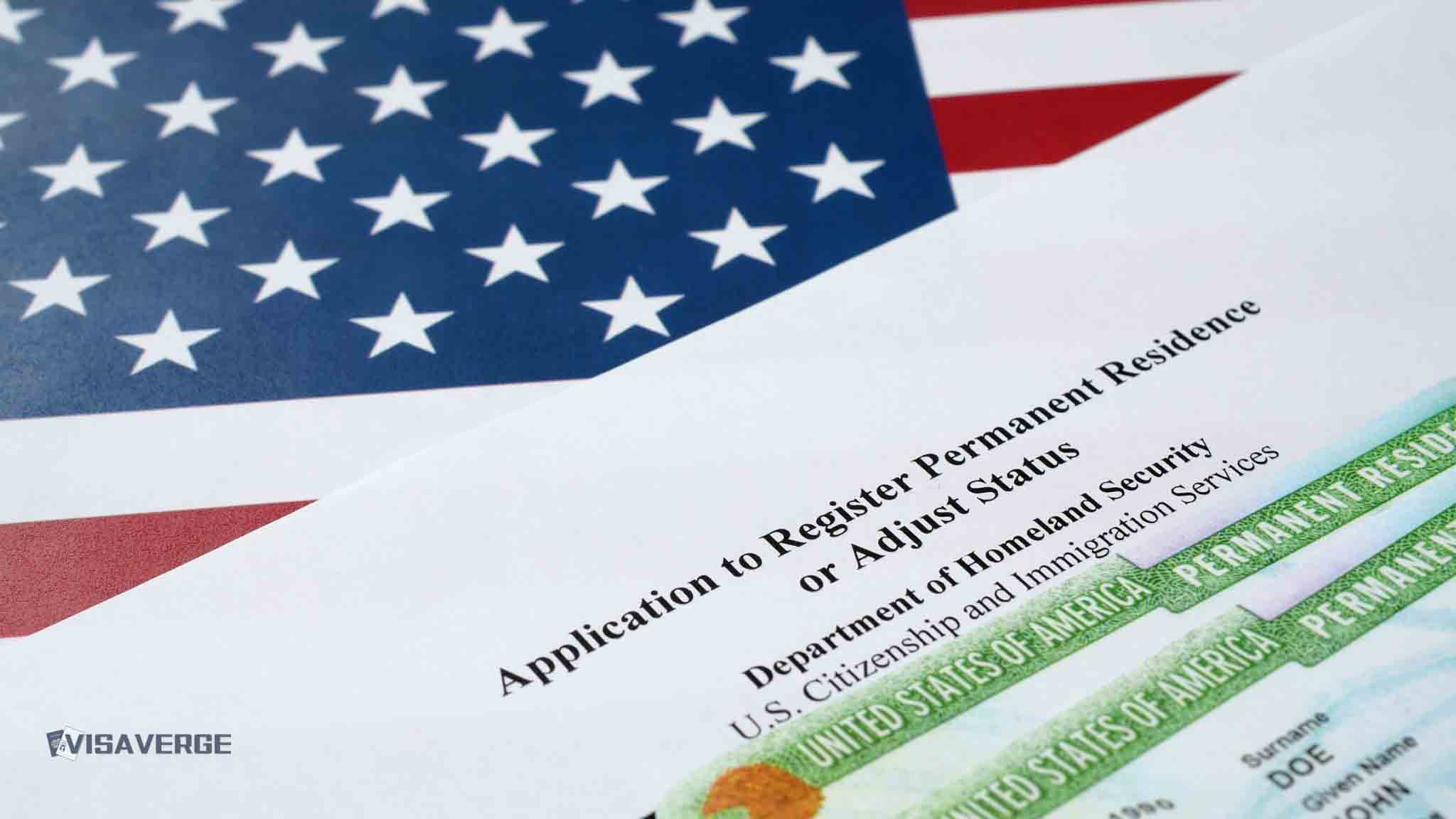
- Immigrants must pay a $235 fee to receive their physical Green Card after visa approval.
- The fee requires an A-Number and DOS Case ID, typically found on visa paperwork.
- Payment should ideally occur before entering the United States to avoid mailing delays.
If you received an immigrant visa but never got the USCIS Immigrant Fee handout, your Green Card case is still on track. The fee is $235 as of January 1, 2026, and you can still pay online using your A-Number and DOS Case ID.
The fee matters because it funds production of the physical Green Card, also called Form I-551, and it helps USCIS mail the card after you enter the United States. Without payment, the card is not issued. That creates problems when you need proof of lawful permanent residence for work, a driver’s license, or travel.
USCIS says most immigrant visa holders must pay, including family-based, employment-based, and Diversity Visa applicants. The rule applies to adults, children, and infants. Only a few groups are exempt: orphan and Hague adoption cases, Iraqi and Afghan Special Immigrant Visa holders, returning residents on SB-1 visas, and K-1, K-2, K-3, and K-4 visa holders who pay later during adjustment of status.
How to Find and Use Your Identifiers
The first step is to find your identifiers. The USCIS Immigrant Fee page at USCIS Immigrant Fee information explains the process, and the fee is paid only online through USCIS. Use your A-Number and DOS Case ID exactly as they appear on visa paperwork. An A-Number starts with “A” and nine digits. A DOS Case ID usually contains letters and numbers from the visa file.
If the embassy or consulate never gave you the handout, contact that office right away and ask for a digital copy or confirmation of your numbers. You can also check the immigrant visa packet, the visa foil in your passport, the DS-260 confirmation page, or the appointment letter. Families often find the information in the packet attached to the front of the visa documents.
When and How to Pay
Pay before entering the United States whenever possible. USCIS recommends that timing because it avoids reminder notices after arrival. Payment after entry is still allowed. At the port of entry, Customs and Border Protection collects your U.S. address. USCIS then uses that address for notices if the fee remains unpaid.
The payment system is electronic only. No paper checks, money orders, or mailed payments are accepted for this fee. Use a USCIS online account, choose “Pay USCIS Immigrant Fee,” enter your A-Number and DOS Case ID, and submit $235 per person. USCIS accepts U.S.-issued credit or debit cards and ACH bank transfer through Pay.gov.
Save the receipt immediately. Print it and keep a digital copy. After payment, the status usually changes from “In Process” to “Paid.” ACH payments can take 2-3 business days to clear. For many new residents, that short wait is worth it because a paid record reduces follow-up problems later.
Family Payments and Common Problems
Families should pay carefully, one person at a time if needed. A spouse and two children will owe $940 total. Sponsors or attorneys can submit payment too, as long as they have the correct identifiers. Payment failures usually come from card declines, bank fraud alerts, mismatched billing details, or typos in the A-Number or DOS Case ID.
If a payment fails, try again with a different method. Contact your bank first and tell it the charge comes through Pay.gov or the U.S. Treasury. That helps banks recognize the transaction. USCIS does not refund mistaken payments, so double-check whether you are exempt before you submit money.
After Payment: Tracking the Green Card
Once payment is complete, track your Green Card. USCIS says the card normally arrives within 90 days of entry or payment, whichever is later. Many cards arrive sooner, often within a few weeks, but the 90-day mark is the key threshold for follow-up. Use the USCIS case status tool with your receipt number if you need updates.
If the card has not arrived after 90 days, file an e-Request or call USCIS at 800-375-5283. Have your receipt number, passport, and payment proof ready. Address mistakes cause many delays, so update your address whenever you move. Tell CBP at entry, then update USCIS online and keep USPS forwarding in place.
The biggest risk of ignoring the fee is simple: USCIS will not mail the Green Card. Your immigrant visa and passport stamp may prove status for a time, but the physical card is the long-term document employers, schools, banks, and state agencies expect. That is why paying promptly matters so much.
VisaVerge.com reports that fee problems often come down to missing identifiers, bank declines, and address errors, not to immigration eligibility itself. That distinction matters. A payment issue does not cancel your lawful permanent resident status, but it can delay the document that proves it.
As of March 2026, USCIS has kept the fee’s core purpose unchanged while pushing more electronic payments. The shift has reduced paper handling and matching errors. It has also made accurate data entry more important than ever. One wrong digit can hold up the card.
Some applicants still worry when they never received the handout at visa pickup. In practice, that missing paper is inconvenient, not fatal. The numbers are usually in the visa packet or on visa documents, and the embassy can confirm them. The process is designed to recover from that gap.
For many new immigrants, the USCIS Immigrant Fee is one of the last steps between a visa and a Green Card. Paying it correctly, keeping the receipt, and updating an address on time prevent the most common delays. A clean payment record usually means a smoother start in the United States.