- A U.S. citizen mother alleges racial profiling by ICE agents during a traffic stop in Iowa.
- The stop reportedly ended after documentation verified her citizenship status and identity to the agents.
- Operation Metro Surge faces legal challenges in Minnesota over claims of unconstitutional enforcement and excessive force.
(WEBSTER COUNTY, IOWA) — A Webster County mother and U.S. citizen says five ICE agents pulled her over while she was with her nine-month-old son, alleging weapon display and a remark that the stop was because of the color of her skin.
Section 1: Incident Summary (What Happened in Webster County, Iowa)
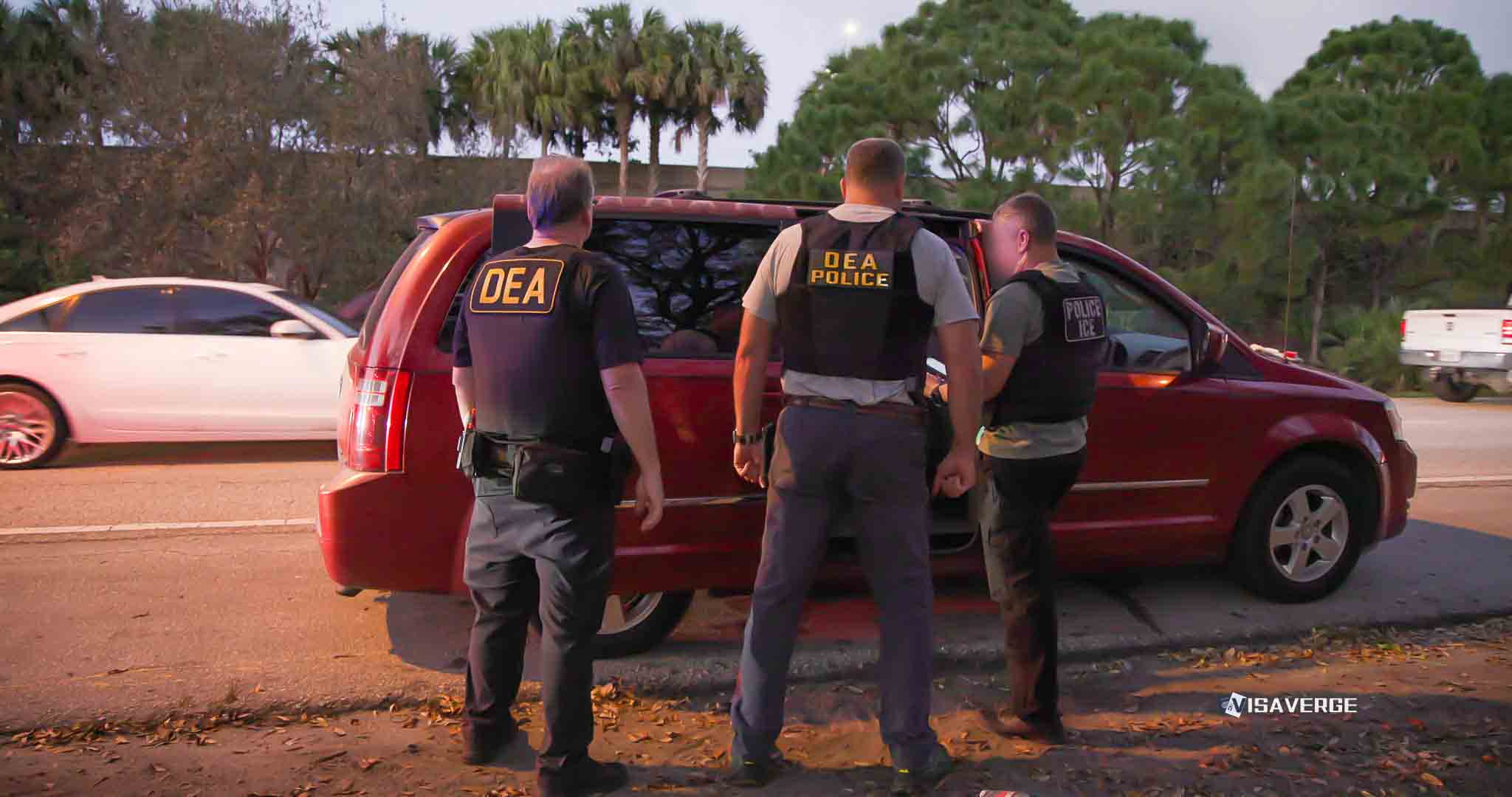
Sahda Hernandez, who identifies as a U.S. citizen mother in Webster County, Iowa, says the encounter happened on January 17, 2026 while she was driving to buy baby formula with her nine-month-old son.
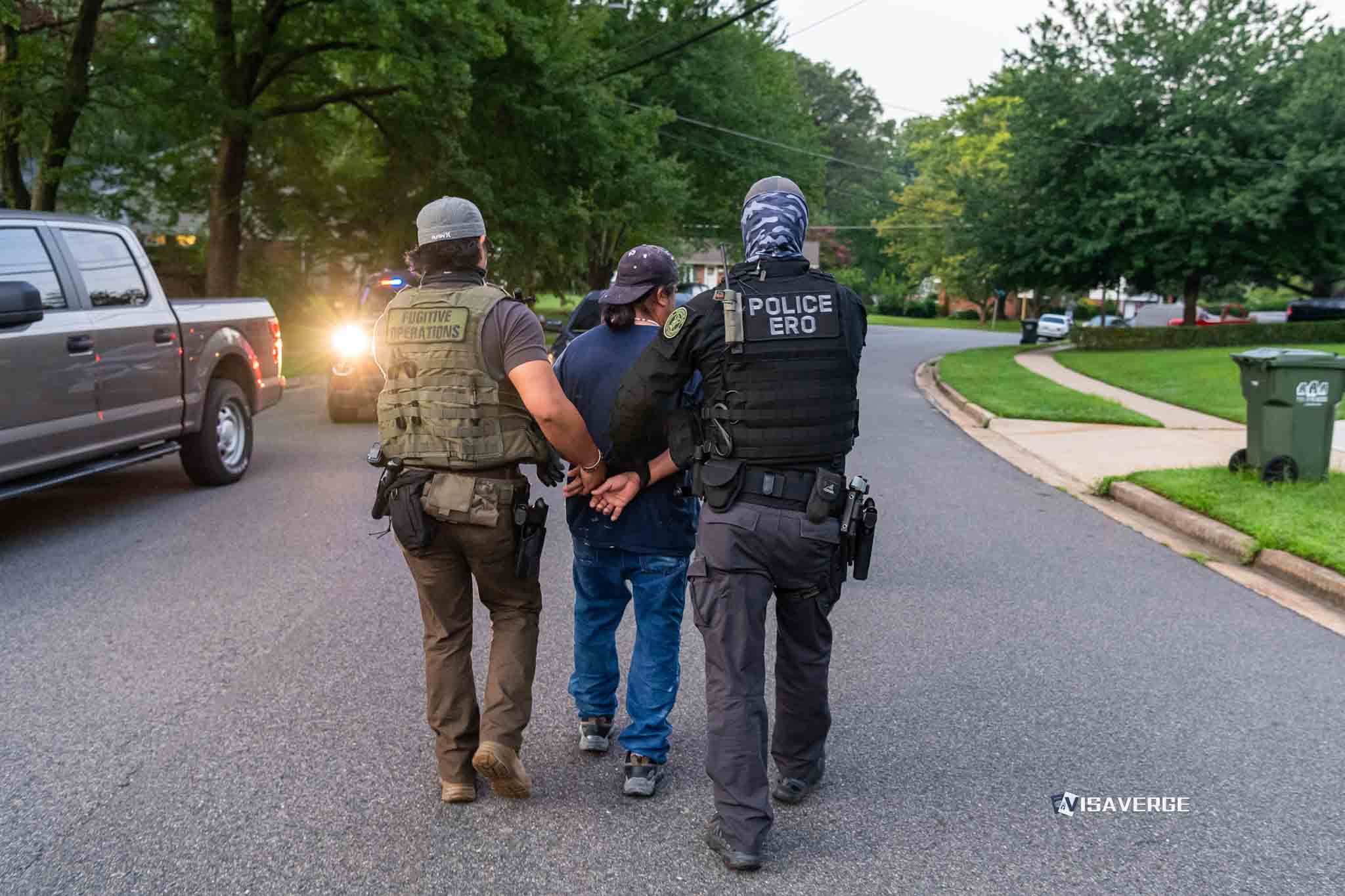
She alleges 5 ICE agents initiated the stop and that weapons were pointed at her and her child during the interaction. Questions about the reason for the stop are central to her account.
Hernandez says she asked why she was pulled over and was told agents were stopping “any suspicious vehicle.” She alleges that when she asked what made her vehicle suspicious, an agent responded: “the color of your skin.”
Those statements remain allegations, and the stop’s legal basis has not been publicly explained in an agency statement tied to her case. The encounter ended, Hernandez says, after she showed documentation that helped establish identity and citizenship quickly: her Social Security card and driver’s license.
She reports she was then released. As of January 23, 2026, U.S. Immigration and Customs Enforcement (ICE) has not issued a formal press release addressing the Hernandez stop specifically.
That gap matters because it leaves the public with two parallel tracks: a detailed allegation from a named individual, and broader agency explanations about authority that do not confirm the facts of this specific encounter.
For U.S. citizens and mixed-status families, the practical lesson is less about any single outcome and more about preparation. During an enforcement stop, questions can move fast.
Knowing what documents can establish identity—and what to ask officers about the reason for a stop and the type of warrant involved—may affect how quickly an encounter ends.
Section 2: Official Agency Statements and Policy Context (What ICE/DHS Say Their Authority Is)
Public-facing statements often stay general, even when a local incident draws attention. In this case, senior officials have addressed enforcement posture more broadly while a case-specific agency account has not been released.
On January 19, 2026, Marcos Charles, identified as Acting Executive Associate Director of ICE Enforcement and Removal Operations (ERO), defended “Operation Metro Surge” tactics in response to similar profiling concerns.
He described “targeted enforcement looking for the worst of the worst,” and said officers may speak with people encountered in targeted areas. That can include questions meant to establish citizenship during brief encounters.
At the Department of Homeland Security (DHS) level, Kristi Noem has also defended aggressive enforcement tactics in a policy memorandum about detention oversight. She argued that unannounced congressional oversight visits create a “chaotic environment with heightened emotions.”
She tied DHS priorities to the One Big Beautiful Bill Act (OBBBA), described as providing $170 billion for mass deportation efforts. Funding debates are political, and the day-to-day effect for residents is practical: more agents, more activity, and more stops that can feel like “papers” encounters even when no criminal charge is involved.
A separate and widely discussed flashpoint is the reported content of an internal ICE memo dated May 12, 2025, attributed to Acting ICE Director Todd Lyons and made public via whistleblowers in January 2026.
The reporting describes guidance on entering homes with administrative warrants and using “necessary force” if entry is refused. Readers should treat that as reported policy context, not proof of what happened in any specific traffic stop.
Even so, the memo debate puts a spotlight on warrant types and why the distinction matters during encounters.
Administrative warrants vs. judicial warrants
An administrative warrant is typically part of a civil immigration process and is not signed by a judge. A judicial warrant is court-issued and is signed by a judge or magistrate.
That difference can affect whether officers can compel entry into a home, and what consequences may follow if someone refuses entry. The exact rules can vary by setting and court decisions, so people should avoid relying on social media scripts and instead seek legal guidance when stakes are high.
| Item | Date/Status | Relevance |
|---|---|---|
| Sahda Hernandez traffic stop allegation (Webster County, Iowa) | January 17, 2026 | U.S. citizen mother alleges racial profiling and weapon display; stop ended after showing Social Security card and driver’s license. |
| Marcos Charles statement on “Operation Metro Surge” | January 19, 2026 | Describes “targeted enforcement” and officers’ authority to speak with people and establish citizenship during encounters. |
| Minnesota lawsuit filed (Case 0:26-cv-00190) | January 12, 2026 | Legal challenge alleging unconstitutional practices tied to surge operations, including profiling and excessive force. |
| Senate Democratic Whip Dick Durbin letter criticizing “papers” expectations | January 20, 2026 | Congressional oversight signal; frames citizen documentation pressure as unconstitutional in his view. |
| Status of ICE press release on Hernandez incident | January 23, 2026 | No formal ICE press release addressing the specific Iowa allegation, leaving the public with general statements and local reporting. |
Section 3: Key Legal and Policy Details (Roving Patrols, Profiling Claims, and Enforcement Geography)
Roving patrols are not only a border story. They refer to mobile enforcement activity that can involve traffic stops, street encounters, and checks in areas agents consider operational targets.
The practice raises civil rights concerns because it can blur the line between a legitimate stop based on specific facts and a stop based on generalizations about who “looks” removable. Disputes often turn on “reasonable suspicion.”
In many settings, officers must be able to point to specific, articulable facts for a stop or prolonged questioning. Civil rights advocates argue that factors like race or ethnicity cannot be the basis for suspicion.
Agencies and some courts have wrestled with what can be considered in combination, such as language accent, location, or employment indicators. That debate intensified after the Supreme Court stay in Noem v. Vasquez Perdomo on Sept. 8, 2025, which lifted a lower court’s ban on ICE roving patrols.
Justice Brett Kavanaugh’s concurrence suggested agents may consider race, accent, and employment as factors in a stop. He added that if a person is a U.S. citizen, “that individual will be free to go after the brief encounter.”
In practice, “brief” can still feel coercive, especially if weapons are displayed or children are present. Another factor is geography. Operation Metro Surge, reported as launched on January 1, 2026, is centered in Minnesota and involves ICE, CBP, and HSI personnel.
Even when an operation is branded around one state, residents in nearby states like Iowa can experience spillover effects. Joint operations can shift where agents are posted and what kinds of stops occur.
Documentation also has two layers that people often conflate. Proving identity means showing who you are. Proving citizenship means showing you have U.S. nationality.
A driver’s license typically proves identity and driving privilege, but it does not always establish citizenship. A U.S. passport is stronger for citizenship proof, while a Social Security card is often treated as supporting identification but is not a citizenship certificate by itself.
How officers treat each document can vary, and readers should be cautious about assuming one document will end all questions.
| Warrant Type | Definition | Practical Implications |
|---|---|---|
| Administrative warrant | Civil immigration process document, typically issued within DHS and not signed by a judge | May be used to assert authority in immigration enforcement. It does not carry the same court-ordered entry authority as a judicial warrant in many contexts. |
| Judicial warrant | Court-issued warrant signed by a judge or magistrate | Generally carries stronger legal authority, including potential authority to enter certain premises under defined limits. Refusal can carry different consequences. |
Readers who want the statutory and constitutional framework can consult primary legal references, including the Fourth Amendment text and related doctrine summaries available via Cornell Law School’s Legal Information Institute: Cornell Law School’s Legal Information Institute.
Section 4: Impact and Significance (Who Is Affected and What Challenges Are Underway)
Reports of enforcement surge spillover are not limited to noncitizens. More than 170 U.S. citizens have been documented as detained or harassed by federal agents since the launch of surge activity in late 2025, according to reporting cited in the public debate.
The number is best read as an indicator of risk during intense enforcement periods, not as a verified count of unlawful stops. Still, it highlights why U.S. citizens may feel newly exposed to immigration-style questioning.
Litigation is now a major channel for testing the limits of these tactics. On January 12, 2026, the Minnesota Attorney General—Keith Ellison—along with the cities of Minneapolis and St. Paul, filed Case 0:26-cv-00190 against Kristi Noem and DHS.
The lawsuit alleges unconstitutional racial profiling and excessive force tied to “Operation Metro Surge.” It seeks court intervention that can include orders to stop certain practices, changes to training, and other relief.
Federal cases can move quickly on emergency requests, yet they rarely deliver immediate, broad changes everywhere. Appeals also matter, and injunctions may apply only to certain conduct or locations.
Congressional pressure adds a separate layer of oversight that can influence agency behavior even without a court order. On January 20, 2026, Senate Democratic Whip Dick Durbin criticized Noem in a formal letter, writing: “To state the obvious, we are not a ‘papers, please’ country… to require [citizens] to carry such documents to avoid being violently stopped… is absurd and unconstitutional.”
That framing signals what oversight questions may focus on, including how citizenship is verified and what use-of-force rules apply during stops.
⚠️ Carry government-issued identification and any proof of citizenship or status when traveling; seek legal counsel if detained or questioned about citizenship during an encounter.
Section 5: Official Sources and Where to Verify Updates
Verification is a process, not a single link. Court filings, agency statements, and USCIS updates each answer different questions.
Court dockets are best for sworn allegations and requested relief. For the Minnesota case, search federal court records for Case 0:26-cv-00190. Docket entries can show whether a judge issued temporary orders, scheduled hearings, or required policy disclosures.
Reading a complaint is not the same as proving the allegations, but it does show exactly what plaintiffs claim and what they want a court to do. Agency statements are best for policy positions and official descriptions of authority.
Check DHS and ICE press pages for any statement tied to Webster County, Iowa, or to “Operation Metro Surge,” and compare it with what is alleged in lawsuits. Agency policy language may explain enforcement goals without addressing a specific stop.
USCIS updates are best for immigration benefits procedures, not street enforcement rules. Still, USCIS consumers often ask how to confirm identity and status during travel and document checks.
The most reliable place for benefit-process updates is the USCIS Newsroom at USCIS Newsroom, along with official USCIS account tools at myUSCIS and case-status services at USCIS Case Status Online.
When a policy memo changes document verification or identification expectations, USCIS typically posts it there. ✅ Check official DHS/ICE and USCIS sources for updates on enforcement policies and any changes to procedures or guidance.
People watching the Iowa incident should track two dates on the calendar: January 23, 2026, for whether ICE issues a case-specific statement, and the next major filing or hearing notice that appears on the Case 0:26-cv-00190 docket.
This article discusses ongoing legal cases and enforcement policy changes. Information may evolve; consult official sources for updates.
The piece analyzes alleged conduct and policy context; it does not assign guilt or confirm claims beyond reported allegations.